
Meranoplus mayri
- Sci. Name
- Meranoplus mayri
- Tribe
- Crematogastrini
- Subfamily
- Myrmicinae
- Author
- Forel, 1910
- Distribution
- Found in 1 countries
Introduction
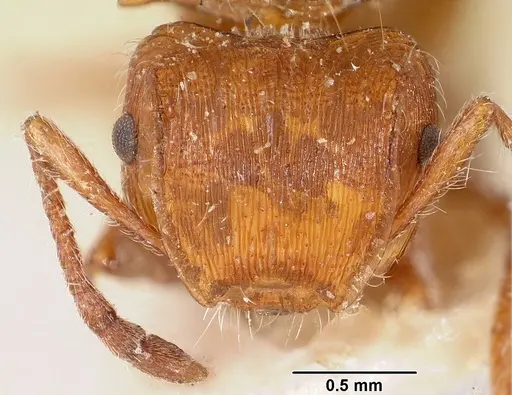
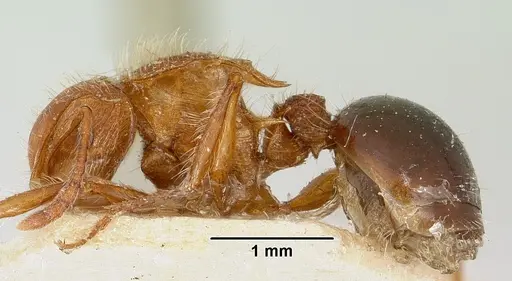
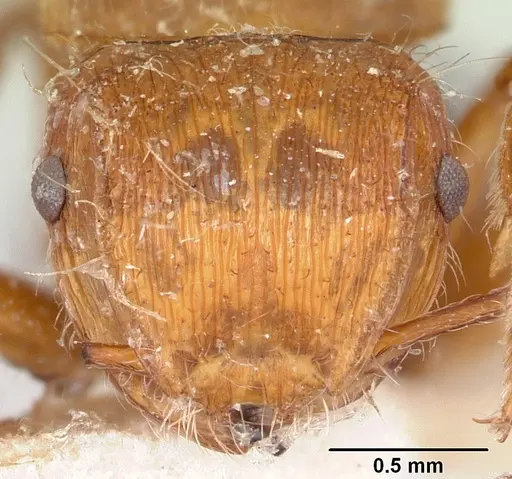
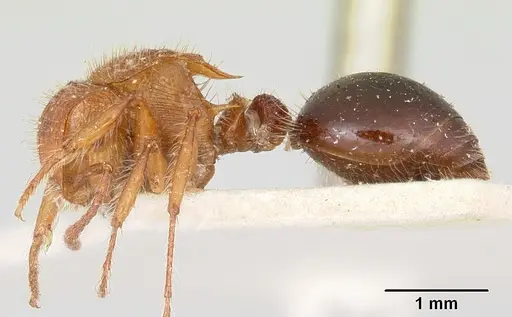
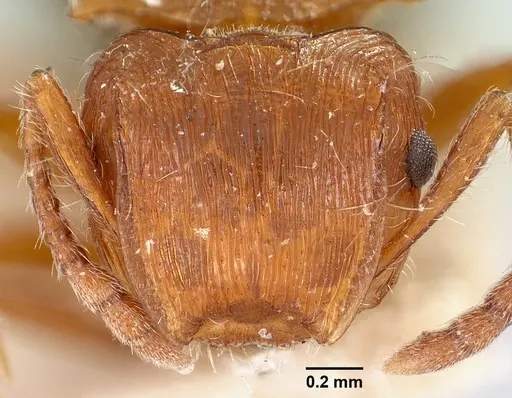
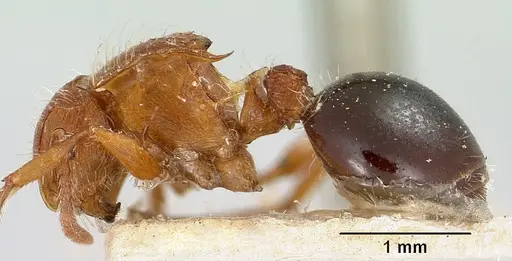
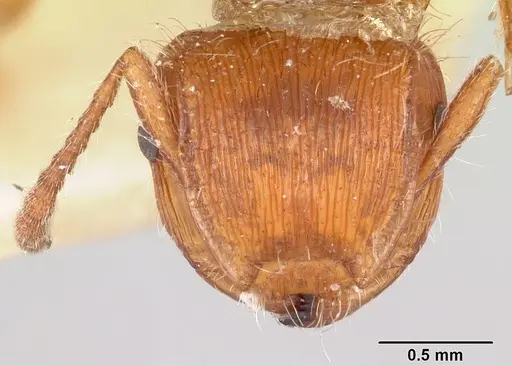
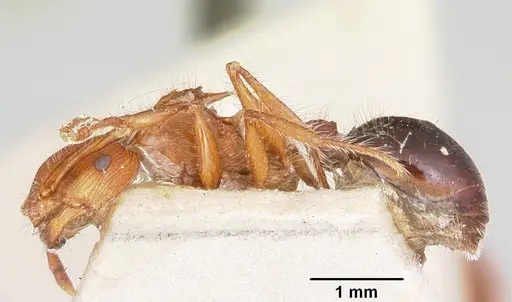
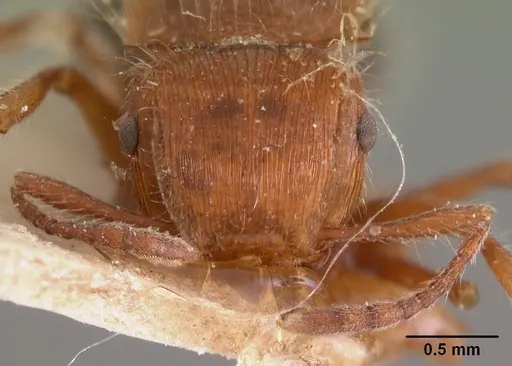
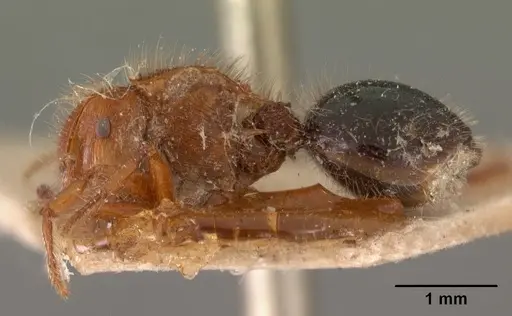
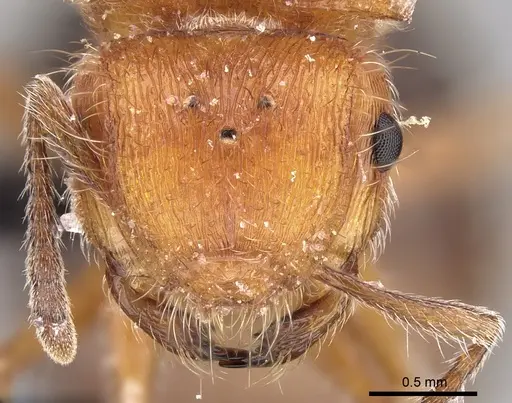
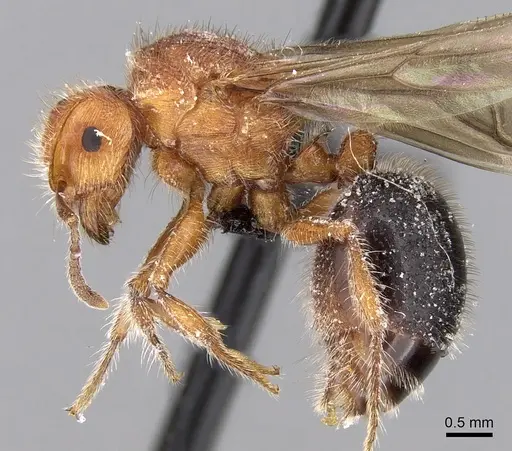
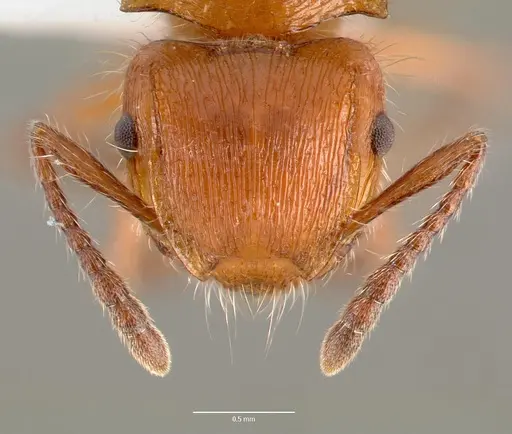
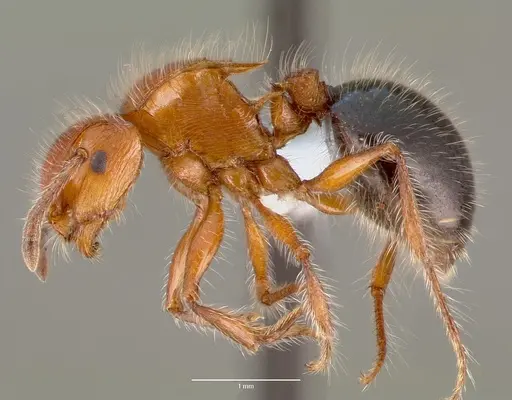
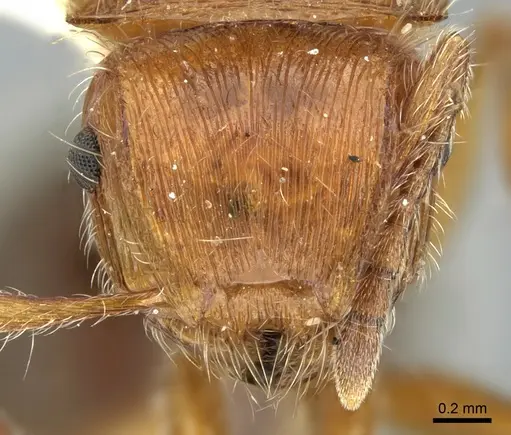
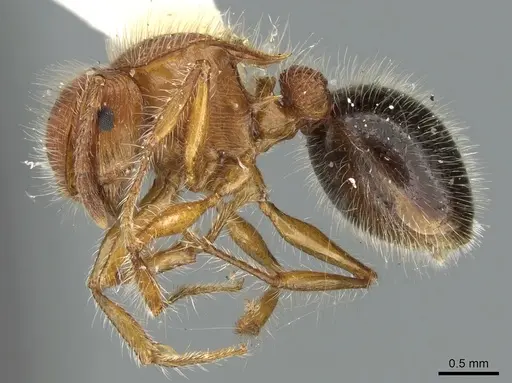
Meranoplus mayri is a small ant species endemic to Madagascar. Workers have a striking bicolored appearance with an orange head, mesosoma, petiole, and postpetiole contrasting sharply with a dark brown to black metasoma. The most distinctive morphological features include long posterolateral promesonotal spines extending from the thorax, a longitudinally costate (ridged) face and pleurae, and concentric arcing costae on the promesonotal shield. The head is notably broader than long. This is the most frequently collected Meranoplus species in Madagascar, found throughout the drier regions from the southwestern P.N. Andohahela area north to Mahajanga province, at elevations ranging from 20-1345m. They nest in the ground in urban gardens, grasslands, and both deciduous and spiny forests .
Quick Summary
- Difficulty: Medium
- Origin & Habitat: Meranoplus mayri is endemic to Madagascar, found throughout the drier regions spanning from the southwestern area near Andohahela National Park north to Mahajanga province. Their elevational range is 20-1345m, and they inhabit ground nests in urban gardens, grasslands, and deciduous and spiny forests [1][2].
- Colony Type: Colony structure is unconfirmed for this species.
- Size & Growth:
- Queen: Queens are large at approximately 6-7mm total length, inferred from Meranoplus genus patterns [1].
- Worker: Workers measure approximately 4-5mm total length, inferred from Meranoplus genus patterns [1].
- Colony: Colony size is unconfirmed.
- Growth: Growth rate is unconfirmed.
- Development: Development timeline is unconfirmed for this species. (No direct studies exist for this species.)
- Antkeeping:
- Temperature: Keep at 24-28°C. Madagascar is tropical to subtropical, so these ants prefer warm conditions. A heating cable on one side of the nest creates a temperature gradient allowing the colony to self-regulate.
- Humidity: Low to moderate humidity around 40-60%. They inhabit drier regions of Madagascar, so avoid overly damp conditions. Keep the nest substrate mostly dry with only a small moisture area. The substrate should feel dry to the touch, damp conditions can cause mold issues.
- Diapause: Diapause requirements are unconfirmed. Madagascar has mild winters, so a reduced activity period at 18-20°C for 2-3 months may be beneficial, but this is not well-documented for this species.
- Nesting: Ground-nesting species. In captivity, they do well in naturalistic setups with soil substrate or Y-tong/plaster nests. Provide a soil chamber deep enough for the colony to construct tunnels. They prefer compact substrate they can excavate. Test tube setups work for founding colonies but will need transitioning to a more spacious formicarium as the colony grows [1][3].
- Behavior: Meranoplus mayri workers are relatively docile and not particularly aggressive. They are ground-nesting ants that forage on the substrate surface. Their small size means they can escape through tiny gaps, excellent escape prevention is essential. Workers are bicolored with orange mesosoma and dark abdomen, making them visually distinctive. They are likely omnivorous, accepting sugar sources and protein foods. This species belongs to the Myrmicinae subfamily, which uses a smear defense mechanism where venom is wiped onto enemies rather than piercing flesh.
- Common Issues: escape prevention is critical, their small size means they can squeeze through tiny gaps, requiring fine mesh barriers and tight-fitting lids, humidity management is important, being from drier regions, they are susceptible to mold in overly damp conditions, colony growth data is limited, without confirmed development data, keepers should not expect rapid growth and should be patient, founding colonies are fragile, founding behavior is unconfirmed, so minimize disturbances during the founding period, limited availability, this species is rarely available in the antkeeping hobby, making colonies difficult to obtain
Appearance and Identification
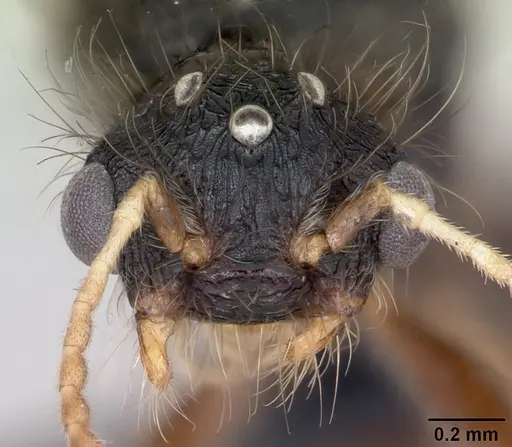
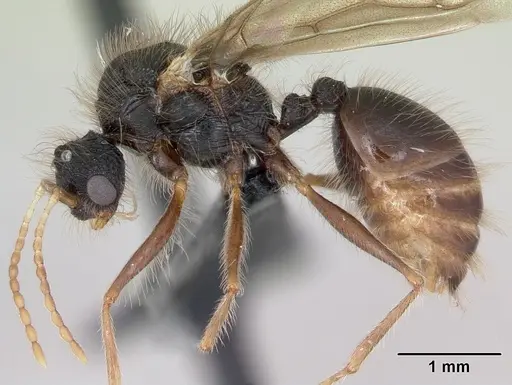
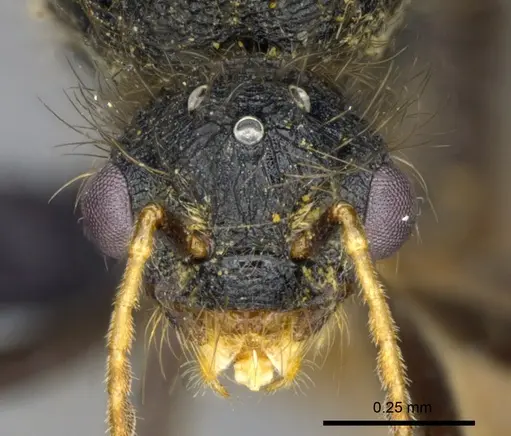
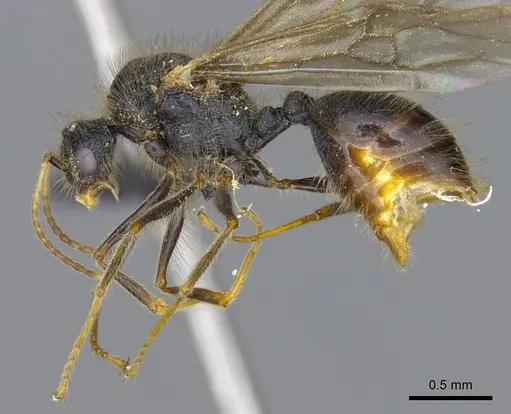
Meranoplus mayri workers are distinctive little ants with a striking bicolored appearance. The head, mesosoma (thorax), petiole, and postpetiole are orange, while the metasoma (abdomen) is dark brown to black. Workers measure approximately 4-5mm total length. The most diagnostic features include long posterolateral promesonotal spines (sticking out from the back of the thorax), a face covered with parallel ridges (longitudinal costae), and distinctive concentric arcing costae on the promesonotal shield. The head is broader than long, and the clypeus has two stout, widely-set cone-shaped denticles. Queens are larger at approximately 6-7mm total length, with the same bicolored pattern but more robust. Males are mostly black with brown to black abdominal segments [1].
Natural Habitat and Distribution
This species is endemic to Madagascar, found throughout the drier regions from the southwestern area near Andohahela National Park north to Mahajanga province in the northwest. Their elevational range spans from 20m to 1345m above sea level. They inhabit ground nests in diverse environments including urban gardens, grasslands, and both deciduous and spiny forests. This is the most frequently collected Meranoplus species in Madagascar, captured via pitfall traps, malaise traps, and hand collections. The species shows subtle variation in morphometric and sculptural characters across its range, with specimens from the southwestern region having smoother abdominal sculpture compared to the strongly punctate specimens found along the western edge of the High Plateau. They are fire-resilient, found in both burned and unburned grassland areas [1][2].
Nest Preferences and Housing
In the wild, Meranoplus mayri is a ground-nesting species that constructs nests in soil. For captive care, provide a naturalistic setup with a soil substrate deep enough for tunnel excavation, or use a Y-tong or plaster nest with narrow chambers scaled to their small size. The nest should have a chamber area of at least 10x10cm for a growing colony, with connecting tubes to an outworld for foraging. Since they come from drier regions, avoid overly humid conditions that can cause mold. Provide a water tube with cotton as a moisture source, but ensure the nest area stays relatively dry. The outworld can be decorated with sand, small rocks, and live plants if desired, mimicking their natural grassland and forest-edge habitat [1][3].
Feeding and Diet
Based on typical Meranoplus and Myrmicinae feeding habits, these ants are likely omnivorous. They probably accept sugar sources (honey water, sugar water) and protein foods (small insects like fruit flies, pinhead crickets, mealworms). In the wild, they likely forage for nectar, honeydew from aphids, and small arthropods. Feed them a varied diet: offer sugar water or honey once or twice weekly, and provide protein (live or frozen insects) 2-3 times per week. Remove uneaten food after 24-48 hours to prevent mold. For founding colonies, the queen will not forage, she relies on stored fat reserves until her first workers emerge. Once workers are active, they will venture out to collect food from the outworld.
Temperature and Seasonal Care
As a Madagascar species from tropical to subtropical regions, Meranoplus mayri prefers warm temperatures. Keep the nest area at 24-28°C for optimal colony activity and brood development. A heating cable placed on one side of the nest creates a gradient allowing ants to self-regulate. Place the heating element on top of the nest to avoid evaporating moisture too quickly. Room temperature within this range is acceptable. Regarding diapause, Madagascar has mild winters, so a true hibernation may not be necessary. However, many keepers reduce temperatures to around 18-20°C for 2-3 months during winter months to simulate seasonal cycles. Monitor your colony, if they become less active in winter, this reduced temperature period may be beneficial. Avoid temperatures below 15°C for extended periods.
Behavior and Temperament
Meranoplus mayri workers are relatively docile and not known for aggressive behavior. They are ground-foragers, likely searching for sugar sources and small prey. Their small size makes them excellent escape artists, even tiny gaps in setup can lead to escapes. Always use excellent escape prevention: tight-fitting lids, fine mesh on any ventilation, and barrier tape (fluon) on nest edges. Workers are visually distinctive with their orange mesosoma and dark abdomen, making them easy to identify in the outworld. They likely use chemical trails to recruit nestmates to food sources, similar to other Myrmicinae. Queens are larger and can be distinguished by their robust build and wing scars (if dealated after mating). The colony will likely produce sexuals (alates) during appropriate seasons for nuptial flights. This species uses a smear defense mechanism typical of Myrmicinae, where venom is wiped onto enemies rather than piercing [1].
Frequently Asked Questions
How long does it take for Meranoplus mayri to produce first workers?
The egg-to-worker timeline is unconfirmed for this species. Actual development time may vary depending on temperature and colony conditions. Be patient with founding colonies, disturbing the queen during egg-laying can cause colony failure.
What do Meranoplus mayri ants eat?
They are likely omnivorous. Offer sugar water or honey weekly, and protein sources like small insects (fruit flies, pinhead crickets, mealworms) 2-3 times weekly. Remove uneaten food after 24-48 hours to prevent mold.
Can I keep Meranoplus mayri in a test tube?
Test tubes work for founding colonies (queen alone with her first workers). However, you will need to move them to a larger formicarium with soil substrate as the colony grows past 20-30 workers. They are ground-nesting ants that prefer to excavate, so a naturalistic setup works well.
Do Meranoplus mayri ants sting?
Meranoplus mayri belongs to the Myrmicinae subfamily, which uses a smear defense mechanism. They have a modified stinger used to wipe venom onto enemies rather than piercing flesh. They are not considered aggressive and rarely sting. If anything, the venom may cause mild skin irritation.
What temperature do Meranoplus mayri need?
Keep them at 24-28°C. Madagascar is tropical, so they prefer warm conditions. A heating cable on one side of the nest creates a gradient. Avoid temperatures below 15°C for extended periods.
Are Meranoplus mayri good for beginners?
This species is rated as Medium difficulty. While not the most challenging ant, there is limited captive care information available. Their small size requires excellent escape prevention, and their specific humidity needs (drier conditions) require attention. They are also rarely available in the hobby.
How big do Meranoplus mayri colonies get?
Colony size is not well-documented in scientific literature. Growth is estimated as moderate based on similar species, but actual colony size data is unavailable.
Do Meranoplus mayri need hibernation?
Diapause requirements are unconfirmed. Madagascar has mild winters, so a true hibernation may not be necessary. Some keepers reduce temperatures to 18-20°C for 2-3 months during winter. Monitor your colony's activity and adjust accordingly.
Why are my Meranoplus mayri escaping?
Their small size makes them excellent escape artists. Use fine mesh (0.5mm or smaller), tight-fitting lids, and apply fluon or similar barriers to all edges. Check for tiny gaps around water tubes and connection ports.
Where is Meranoplus mayri found in the wild?
They are endemic to Madagascar, found throughout the drier regions from southwestern area near Andohahela National Park north to Mahajanga province. They nest in the ground in urban gardens, grasslands, and deciduous/spiny forests at elevations of 20-1345m [1][2].
Report an Issue
The current care sheet is based fully on literature. See inconsistencies, or something that's incorrect? Please , it will be resolved after review from an admin. Contributing to the blogs tab also helps providing information, to make us be able to further improve the caresheets. Thank you for your support!
References

This caresheet is licensed under CC BY-SA 4.0 .
Community Blogs
CASENT0062813
View on AntWeb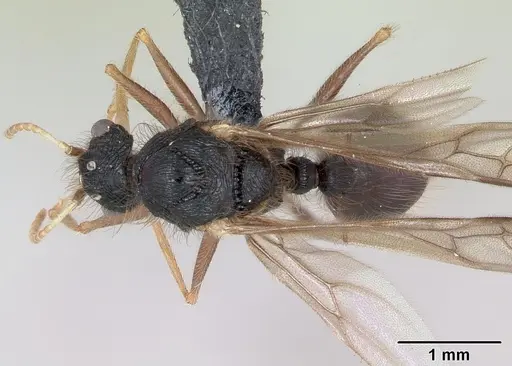
CASENT0101230
View on AntWeb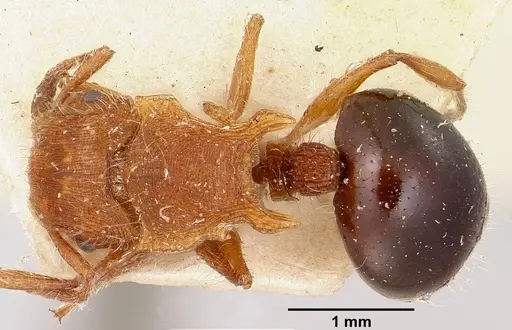
CASENT0101231
View on AntWeb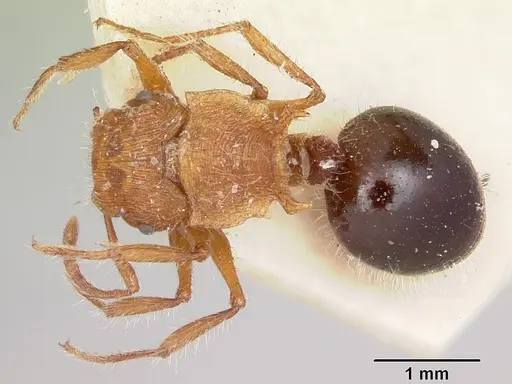
CASENT0101236
View on AntWeb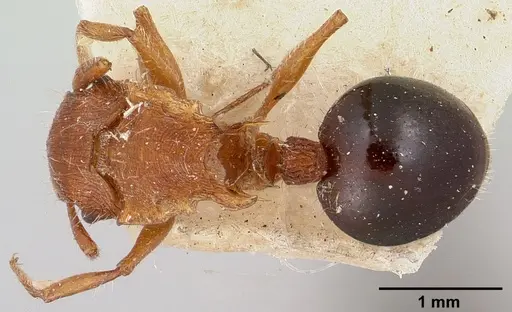
CASENT0101237
View on AntWeb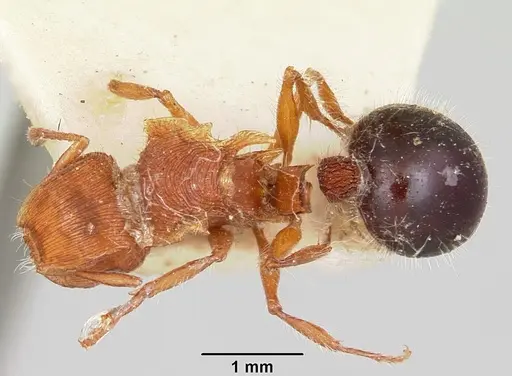
CASENT0102067
View on AntWeb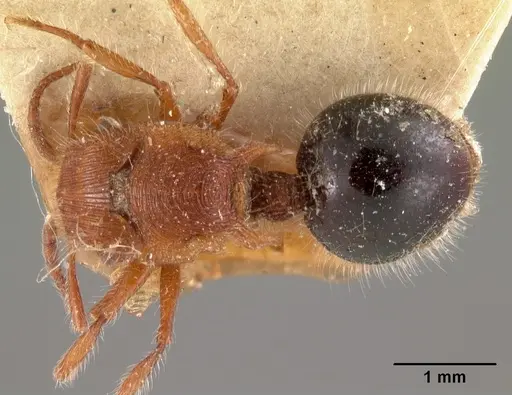
CASENT0115084
View on AntWeb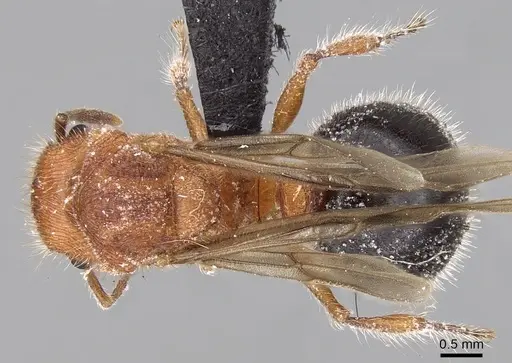
CASENT0143128
View on AntWeb
CASENT0317521
View on AntWeb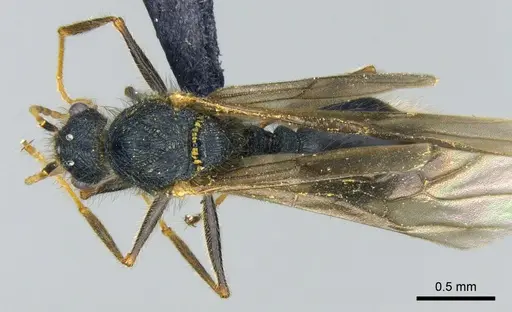
CASENT0317545
View on AntWeb
CASENT0430421
View on AntWeb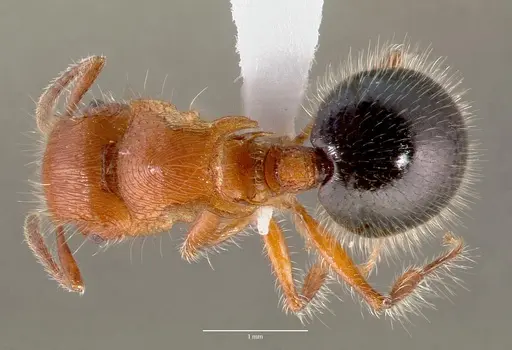
CASENT0906544
View on AntWeb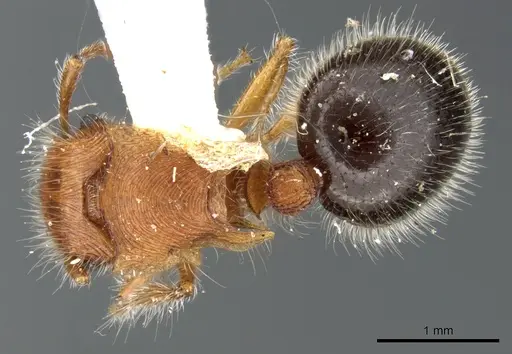
Literature
Loading distribution map...Loading products...