
Magretti's Cautious ant
Meranoplus magrettii
- Sci. Name
- Meranoplus magrettii
- Tribe
- Crematogastrini
- Subfamily
- Myrmicinae
- Author
- André, 1884
- Common Name
- Magretti's Cautious ant
- Distribution
- Found in 9 countries
Introduction
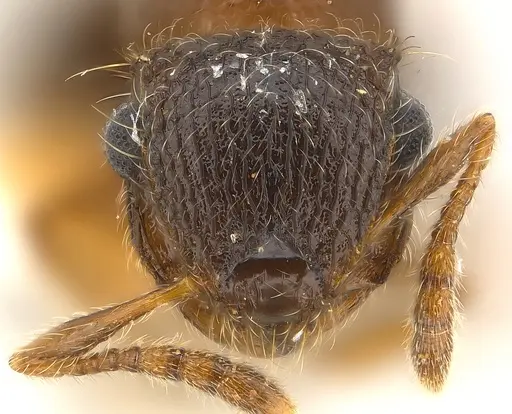
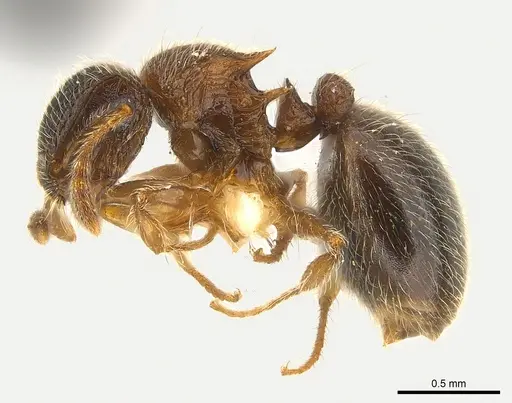
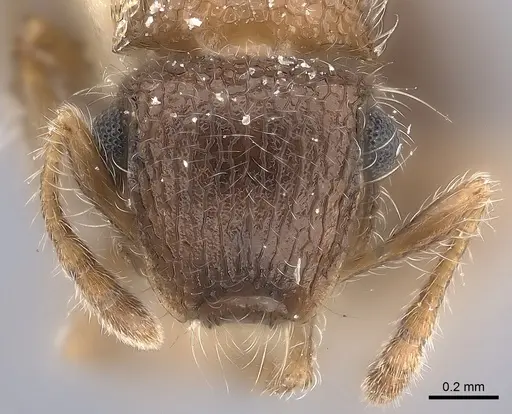
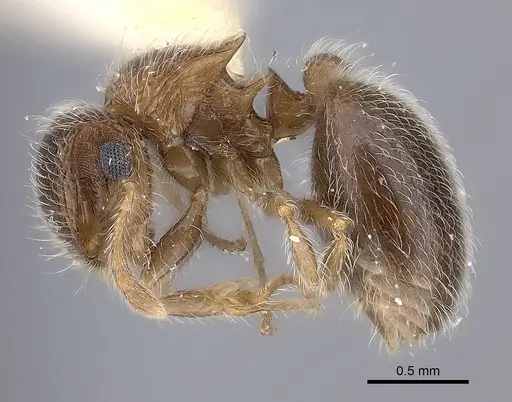
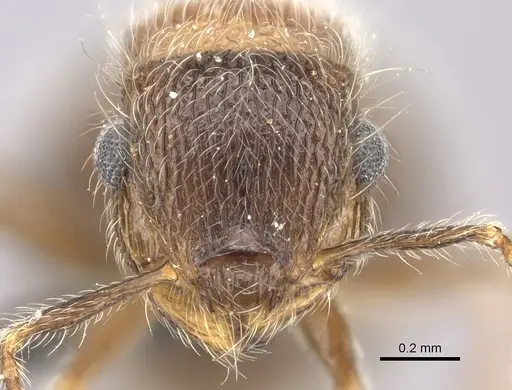
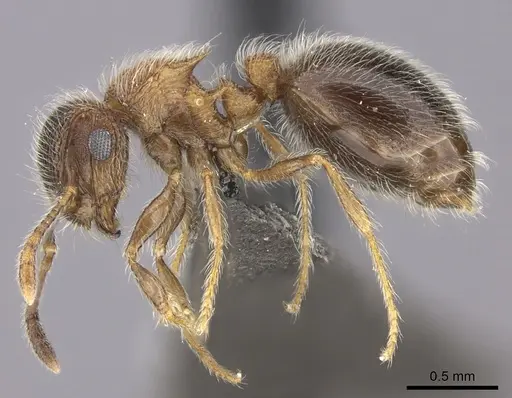
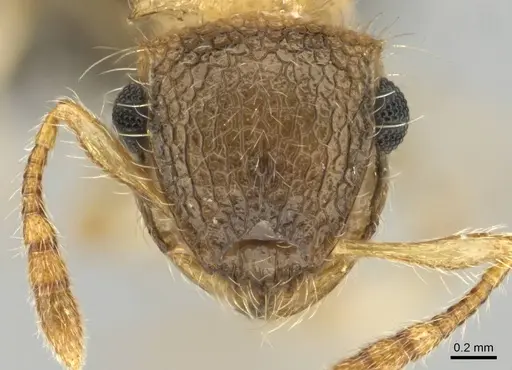
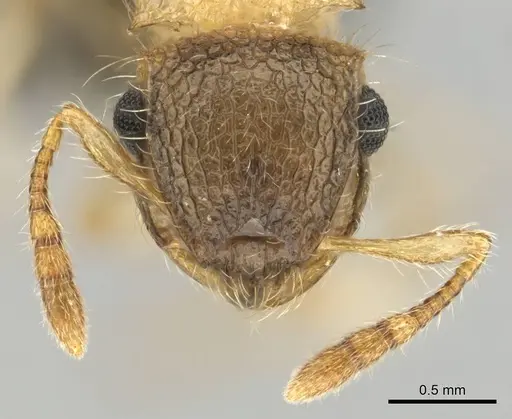
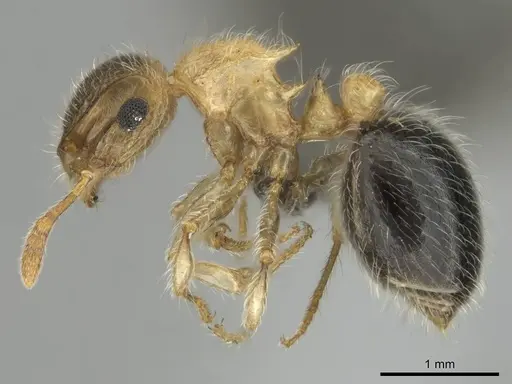
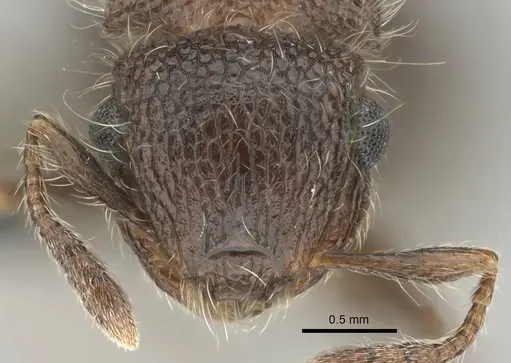
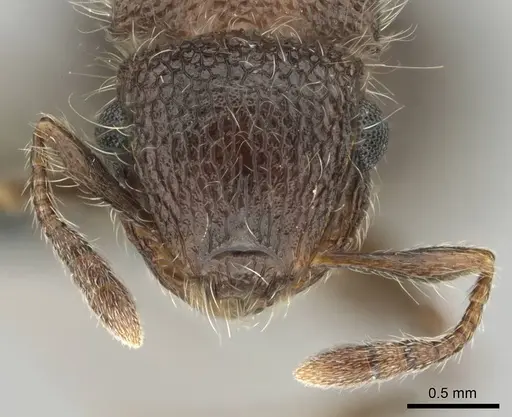
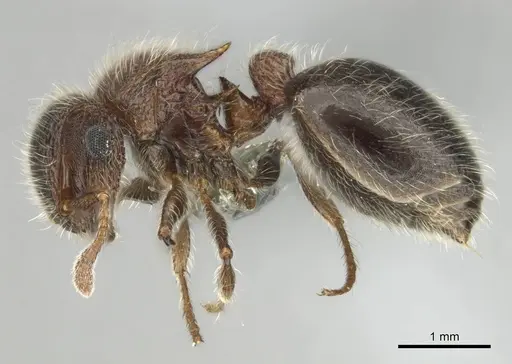
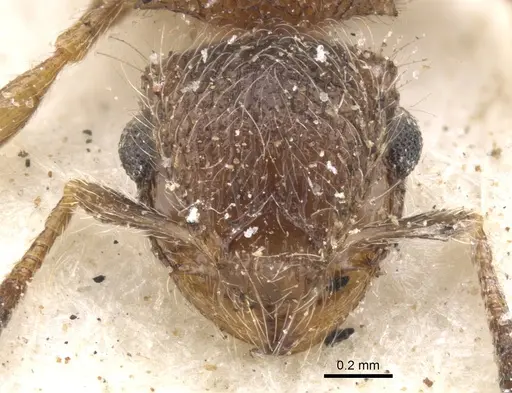
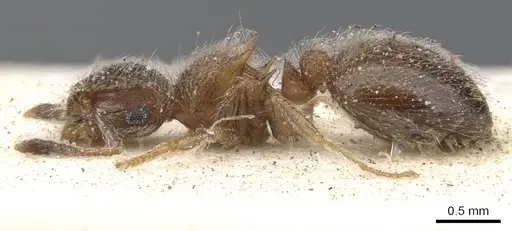
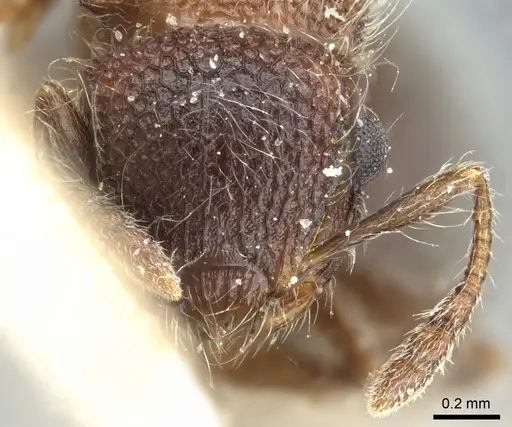
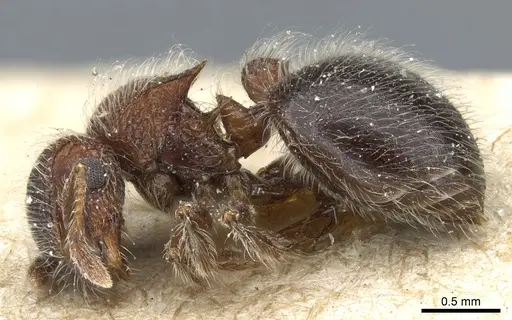
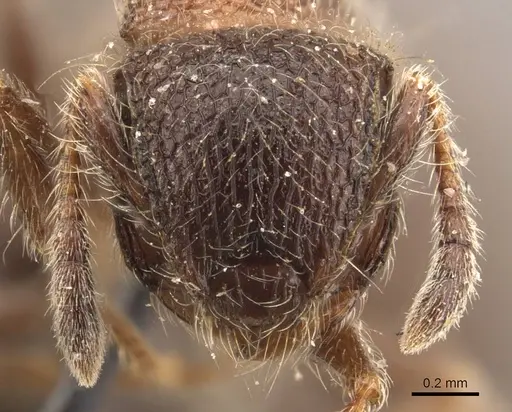
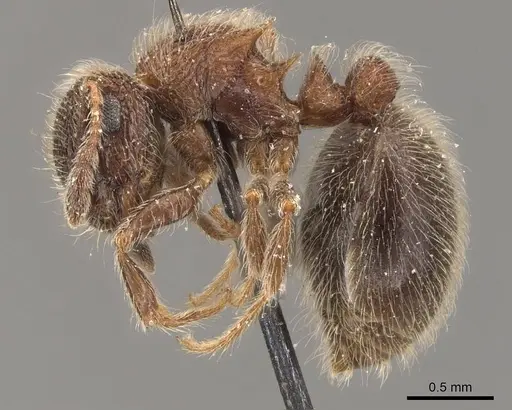
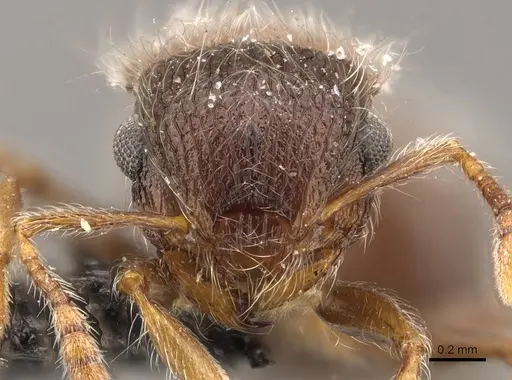
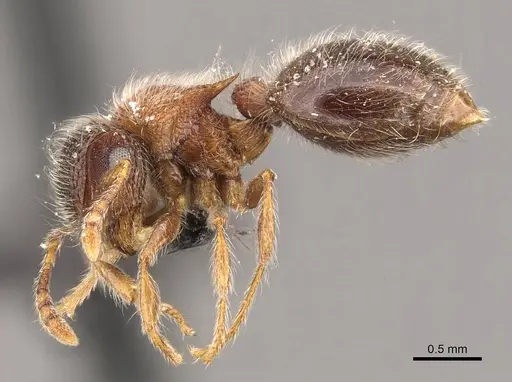
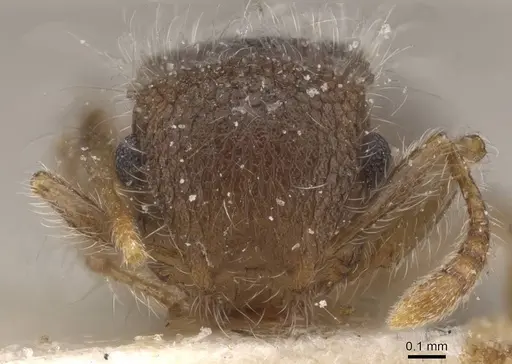
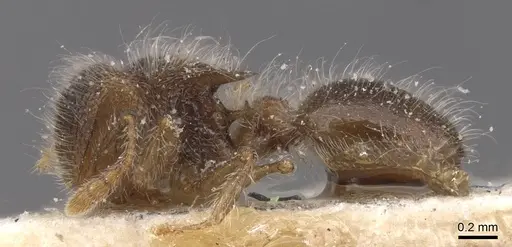
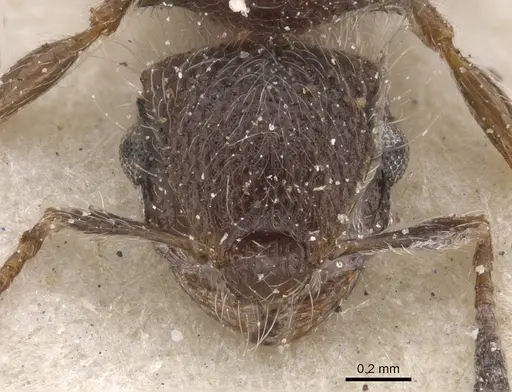
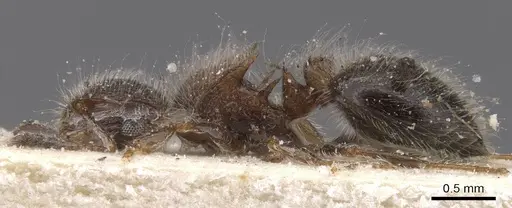
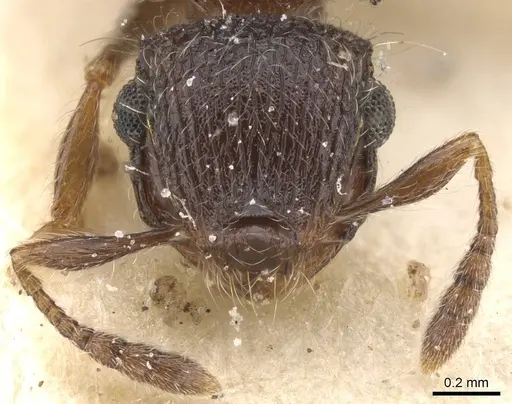
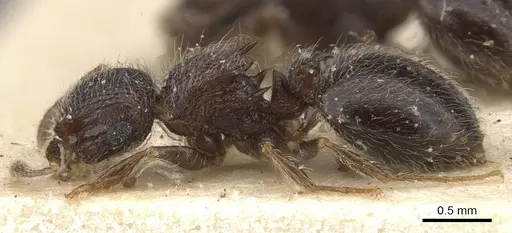
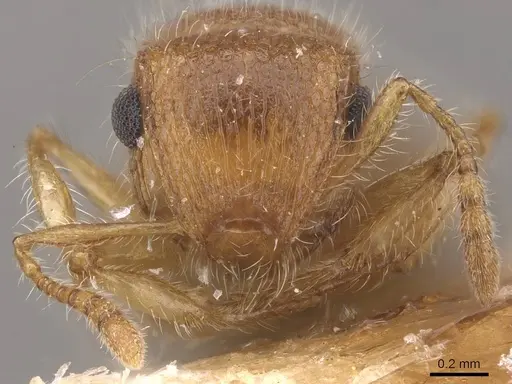
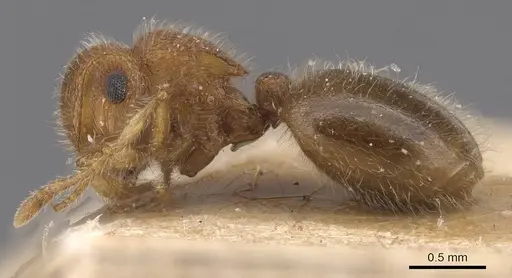
Meranoplus magrettii is a small myrmicine ant native to sub-Saharan Africa, ranging from Sudan down to South Africa. Workers measure 2.5-3mm and are light to dark brown in color . The genus Meranoplus is known for their distinctive shield-like mesosoma with spines at the corners. This species has a promesonotal shield that narrows behind the pronotum with a pair of short spines at the posterior corners of the mesonotum . These ants nest in soil in open habitats, constructing a small round turret of vegetation at the nest entrance. They are relatively slow-moving and inconspicuous, foraging primarily at night .
Quick Summary
- Difficulty: Medium
- Origin & Habitat: Sub-Saharan Africa including Sudan, Ghana, Kenya, Tanzania, Uganda, Botswana, Democratic Republic of Congo, Mozambique, South Africa, and Zimbabwe. They inhabit savannah, open woodland, and grassland habitats [2][3].
- Colony Type: Colony structure is unconfirmed. No species-specific literature documents queen number or colony social structure.
- Size & Growth:
- Queen: Size data unavailable, queen measurements have not been documented in available literature
- Worker: 2.5-3mm [1][2]
- Colony: Unknown, no documented colony size. One study recorded 221 individuals in a population sample from woodland habitats [4].
- Growth: Unknown, no development timing data exists for this species
- Development: Unknown, development timing has not been studied (No species-specific data available. Temperature and nutrition likely influence development speed.)
- Antkeeping:
- Temperature: Keep at room temperature around 22-26°C. This species comes from warm African habitats, so they tolerate temperatures in the low-to-mid 20s°C well.
- Humidity: Keep the nest substrate consistently moist but not waterlogged. Allow the surface to dry slightly between waterings.
- Diapause: Unknown, no specific research on winter dormancy. As an African savannah species, they likely do not require true hibernation. Monitor colony behavior and reduce feeding if they become less active during cooler months.
- Nesting: Soil-nesting species. Provide a naturalistic setup with moist soil at least 2-3cm deep for tunneling. Y-tong nests with soil-filled chambers or plaster nests with a soil area work well. They construct nest turrets in the wild, so provide some substrate depth for natural behavior.
- Behavior: These ants are slow-moving, nocturnal foragers that stay relatively inconspicuous [3]. They are not aggressive and rely on their spines for defense rather than biting or stinging. Their small size means they can escape through small gaps, use fine mesh barriers. They forage at night, so provide feeding opportunities in the evening.
- Common Issues: limited availability, this African species is rarely available in the antkeeping hobby, escape prevention is critical due to their small size, use tight-fitting lids and fine mesh, no established care protocols, keepers must adapt from related species, slow growth is likely, beginners may lose patience with slow-developing colonies, wild-caught colonies may carry parasites that can cause problems in captivity
Nest Preferences and Housing
Meranoplus magrettii nests in soil in open habitats, constructing small turret-like entrances from vegetation debris [3]. In captivity, provide a naturalistic setup with moist soil at least 2-3cm deep to allow for tunneling. A Y-tong nest with soil-filled chambers or a plaster nest with a soil area also works well. The key is providing enough depth for the colony to dig chambers while maintaining moderate moisture. Avoid overly wet or waterlogged substrate, these are ants of relatively drier open habitats. A small water reservoir connected to the soil area helps maintain consistent moisture without flooding.
Feeding and Diet
The natural diet of M. magrettii is not well documented. Offer sugar water or honey as a constant energy source, and provide small protein sources like fruit flies, pinhead crickets, or mealworm pieces. Since they are small ants, prey items should be appropriately sized. They forage at night, so offer food in the evening hours when they are most active. Remove uneaten food after 24-48 hours to prevent mold.
Temperature and Seasonal Care
This species comes from warm African habitats spanning from Sudan to South Africa, so they prefer temperatures in the 22-28°C range. Room temperature around 22-26°C is typically suitable. Provide a gentle thermal gradient so ants can choose their preferred temperature. A small heat cable on one side of the nest can help if your room runs cool. Regarding diapause: African savannah species may reduce activity during cooler months but do not typically require prolonged cold hibernation. Monitor your colony, if they become less active in winter, reduce feeding frequency and keep them slightly cooler for a few months rather than forcing a deep hibernation they may not be adapted for. [2]
Behavior and Handling
These ants are described as relatively slow-moving and inconspicuous, making them peaceful colony residents [3]. They are nocturnal foragers, so you may not see much activity during daylight hours. Their small size and slow movement make them easy to handle, but their spines provide some defense if threatened. They are not known for aggressive swarming or painful stings. The main challenge for keepers is their small size, they can slip through surprisingly small gaps. Use fluon on test tube rims, fine mesh on outworlds, and ensure all connections are sealed.
Frequently Asked Questions
How long does it take for Meranoplus magrettii to produce first workers?
The development timeline is unconfirmed for this species. No species-specific data exists. Expect several weeks to months depending on temperature and nutrition.
Can I keep Meranoplus magrettii in a test tube?
Yes, test tubes work well for founding colonies and small colonies. Use a test tube with a water reservoir and cotton plug, keeping it horizontal so the queen can retreat from light. For larger colonies, transition to a naturalistic setup with soil or a Y-tong nest with soil chambers.
Do Meranoplus magrettii ants sting?
They are not known for stinging. As small myrmicine ants, they may have a stinger but it is too small to penetrate human skin effectively. Their main defense is their spines and cryptic behavior, they prefer to stay hidden rather than engage.
Are Meranoplus magrettii good for beginners?
This species is rated as Medium difficulty. While they are relatively peaceful and small, they are rarely available in the antkeeping hobby and there is limited established care knowledge. They may not be the best choice for complete beginners who want documented care protocols, but experienced keepers can likely succeed by adapting from related species.
What do Meranoplus magrettii eat?
Based on related species, they are omnivorous. Offer sugar water or honey as a constant energy source, and small protein like fruit flies, small crickets, or mealworm pieces. They forage at night, so provide food in the evening.
How big do Meranoplus magrettii colonies get?
Colony size is not well documented. One study recorded 221 individuals in a population sample [4], suggesting colonies likely reach several hundred workers at most. They are not among the largest ant species.
Do Meranoplus magrettii need hibernation?
Diapause requirements are unknown. As an African savannah species, they likely do not require prolonged cold hibernation. They may reduce activity in cooler months, you can keep them slightly cooler with reduced feeding rather than a formal hibernation.
Why are my Meranoplus magrettii escaping?
Their small size means they can squeeze through tiny gaps. Use fine mesh, apply fluon to test tube rims, and check all connections and gaps in your setup. Even seemingly sealed containers can have microscopic gaps these tiny ants can exploit.
Can I keep multiple Meranoplus magrettii queens together?
Colony structure is unconfirmed. There is no data on whether they are monogyne or polygyne. Until more is known, it is not recommended to combine unrelated queens. If you obtain multiple founding queens, house them separately.
When should I move Meranoplus magrettii to a formicarium?
Move from a test tube setup to a naturalistic or Y-tong nest when the colony reaches around 30-50 workers and the test tube becomes cramped. Ensure the new setup has appropriate soil depth and moisture before introducing the colony.
Report an Issue
The current care sheet is based fully on literature. See inconsistencies, or something that's incorrect? Please , it will be resolved after review from an admin. Contributing to the blogs tab also helps providing information, to make us be able to further improve the caresheets. Thank you for your support!
References

This caresheet is licensed under CC BY-SA 4.0 .
Community Blogs
CASENT0217083
View on AntWeb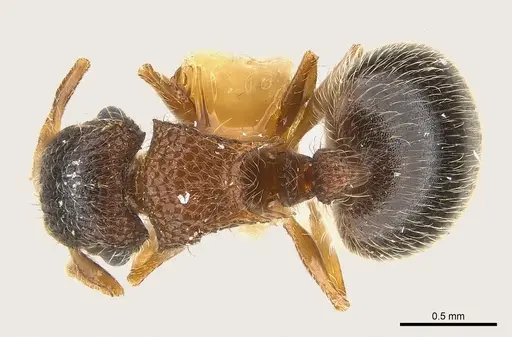
CASENT0217858
View on AntWeb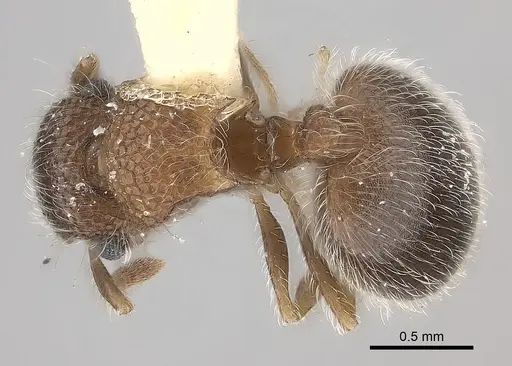
CASENT0235913
View on AntWeb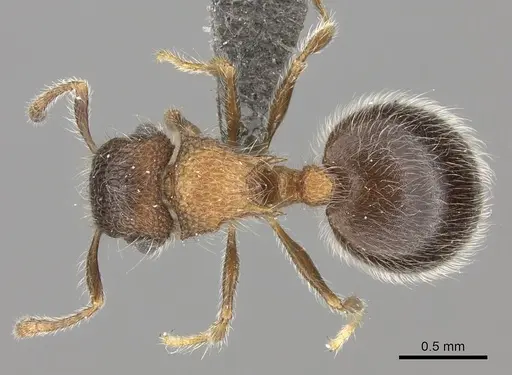
CASENT0252647
View on AntWeb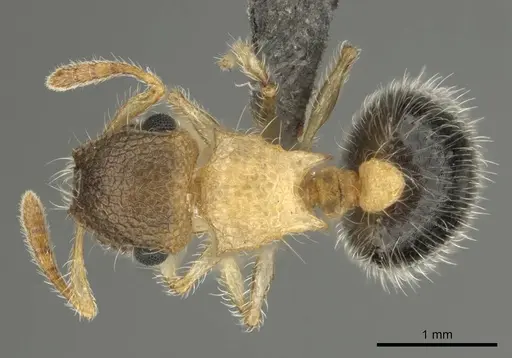
CASENT0252877
View on AntWeb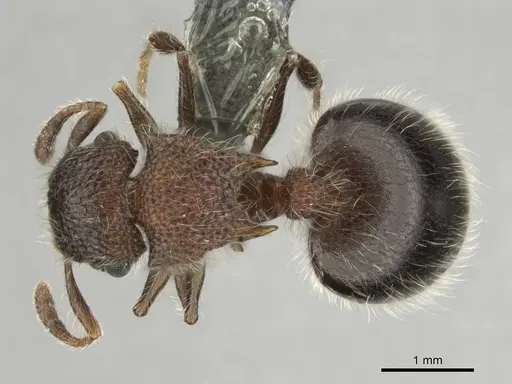
CASENT0902018
View on AntWeb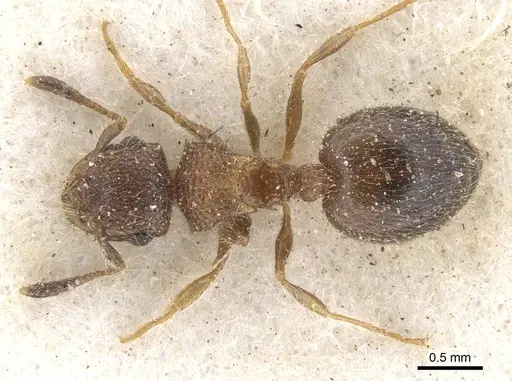
CASENT0904682
View on AntWeb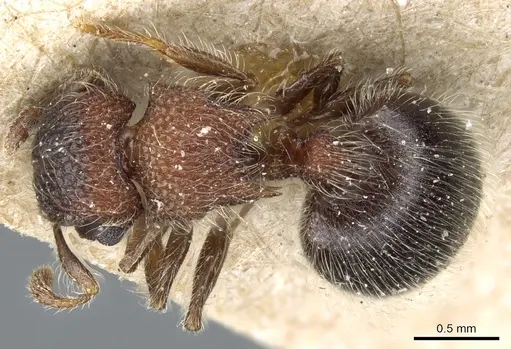
CASENT0908931
View on AntWeb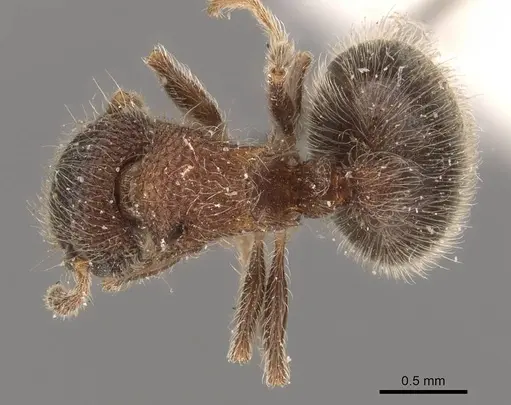
CASENT0908932
View on AntWeb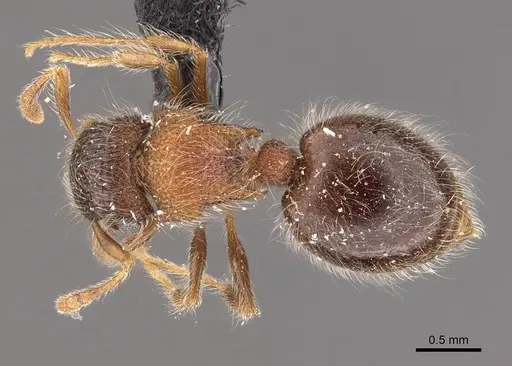
CASENT0913022
View on AntWeb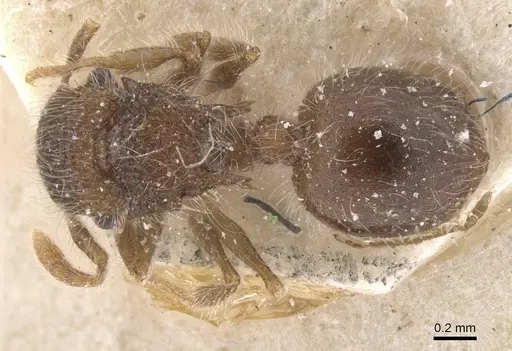
CASENT0913023
View on AntWeb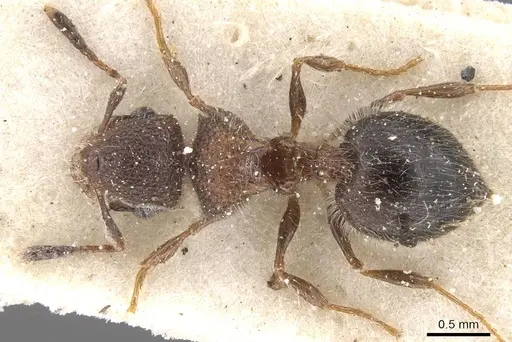
CASENT0913024
View on AntWeb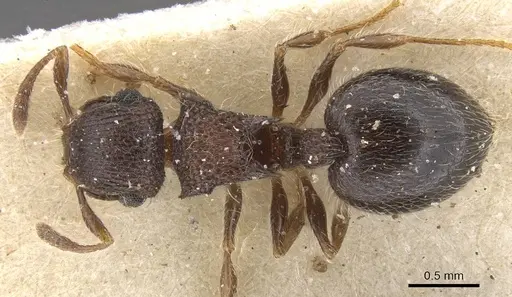
CASENT0915400
View on AntWeb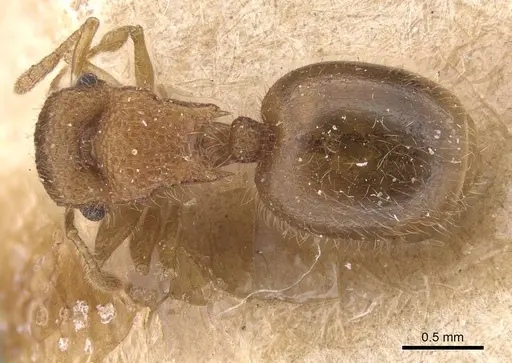
Literature
Loading distribution map...Loading products...