
Meranoplus inermis
- Sci. Name
- Meranoplus inermis
- Tribe
- Crematogastrini
- Subfamily
- Myrmicinae
- Author
- Emery, 1895
- Distribution
- Found in 12 countries
Introduction
Meranoplus inermis is a small Myrmicinae ant species native to the Afrotropical region, found across central to southern Africa including South Africa, Kenya, Tanzania, Democratic Republic of Congo, Rwanda, Namibia, Mozambique, Zimbabwe, Ghana, Nigeria, Eritrea, Sudan, and Angola. This species is notable as the only member of the Meranoplus nanus group and the only known African Meranoplus species to lack propodeal spines - small projections on the rear of the thorax that most related species possess. Workers are ground-nesting and have been collected from soil and leaf litter habitats, particularly in forested areas at elevations around 1737m. The species uses a smear defense mechanism, wiping venom onto enemies with a modified spatulate stinger rather than piercing flesh.
Quick Summary
- Difficulty: Hard
- Origin & Habitat: Afrotropical region, found across central to southern Africa including South Africa, Kenya, Tanzania, Democratic Republic of Congo, Rwanda, Namibia, Mozambique, Zimbabwe, Ghana, Nigeria, Eritrea, Sudan, and Angola. Inhabits soil and leaf litter in forested areas, with specimens collected at elevations around 1737m in Rwanda [1][2].
- Colony Type: Colony structure is unconfirmed. No data available on queen number or colony size.
- Size & Growth:
- Queen: Size data unavailable, no measurements in available literature
- Worker: Size data unavailable, no measurements in available literature
- Colony: Unknown, no colony size data available
- Growth: Unknown
- Development: Unknown, no development data available for this species (Development timeline has not been studied.)
- Antkeeping:
- Temperature: Likely prefers warm conditions similar to other Afrotropical ground-nesting ants. Based on habitat data from Rwanda (1737m elevation in tropical montane forest), they may tolerate cooler temperatures than purely tropical species. Start around 24-28°C and observe colony activity.
- Humidity: Based on collection data from soil and litter ant surveys in Rwanda's forests, they likely prefer moderate to high humidity with moist substrate. Keep the nesting area damp but not waterlogged, with some drier areas available for the ants to regulate their own moisture exposure.
- Diapause: Unknown, no data on overwintering requirements. Afrotropical species from higher elevations may have some seasonal dormancy, but this is unconfirmed.
- Nesting: Ground-nesting species found in soil and leaf litter. In captivity, a naturalistic setup with moist substrate (like a mix of soil and sand) or a Y-tong/plaster nest with moisture chambers would likely work well. Avoid overly dry conditions.
- Behavior: Behavior is poorly documented. As a ground-nesting Myrmicinae, they likely have typical ant behaviors, workers forage on the ground surface, likely prey on small invertebrates, and may tend aphids for honeydew. Escape risk is likely moderate for their size, but specific escape behavior is unstudied. Use standard barrier methods for small ants. This species has a smear defense mechanism using a modified stinger.
- Common Issues: Very limited species-specific information makes care recommendations uncertain, much is inferred from genus patterns, Wild-caught colonies may have parasites or diseases not yet documented in scientific literature, Colony growth rate is unknown, making it difficult to plan feeding and housing transitions, Diapause requirements are unconfirmed, keepers may struggle with seasonal care, The species is rarely available in the antkeeping hobby, making acquisition difficult, This species is not recommended for beginners due to complete lack of established care protocols
Species Identification and Distribution
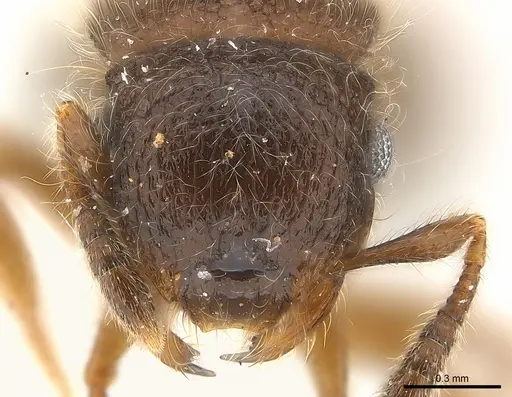
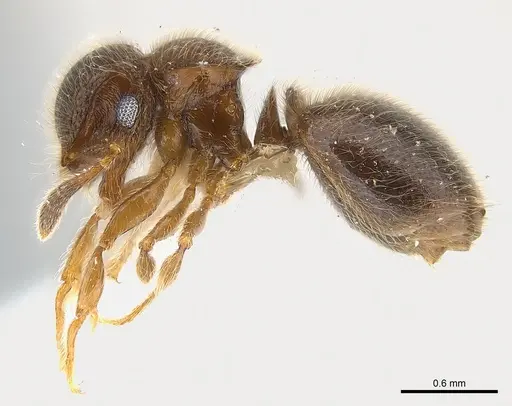
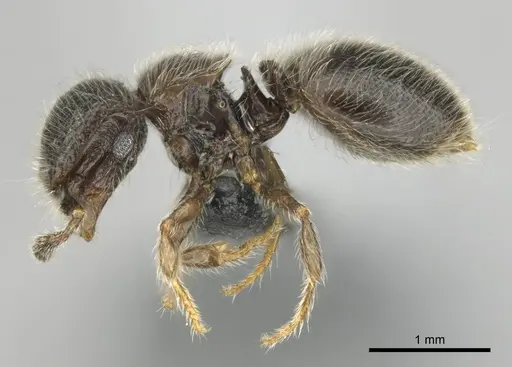
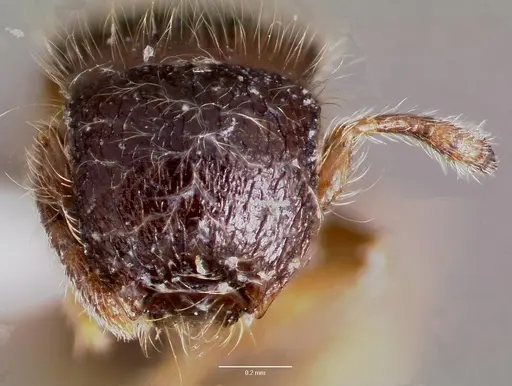
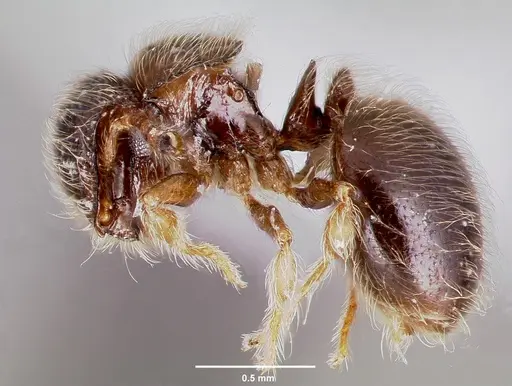
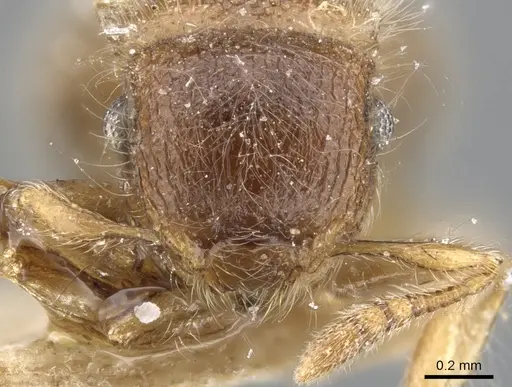
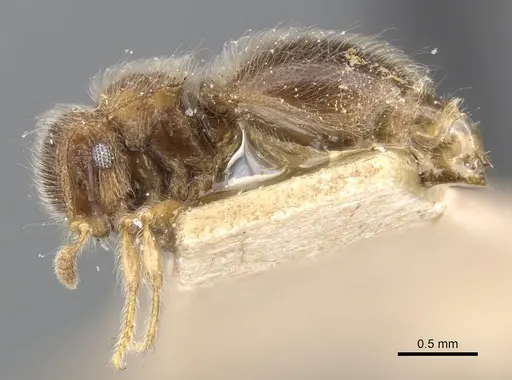
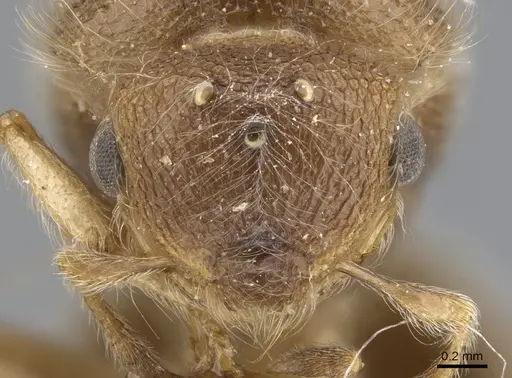
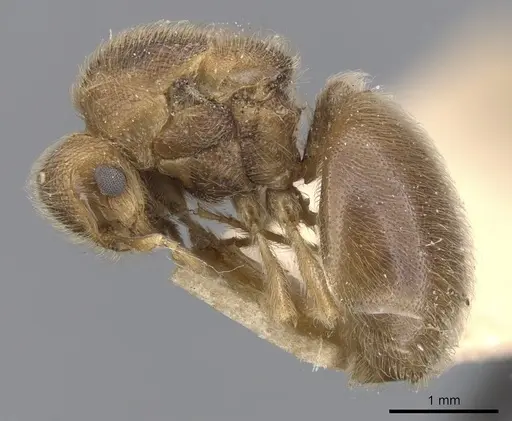
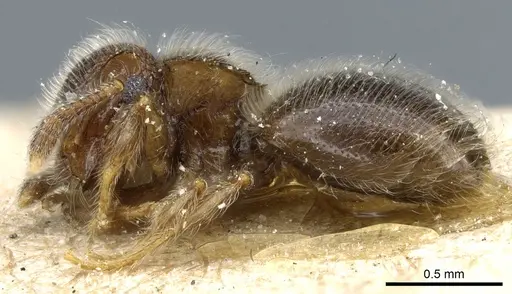
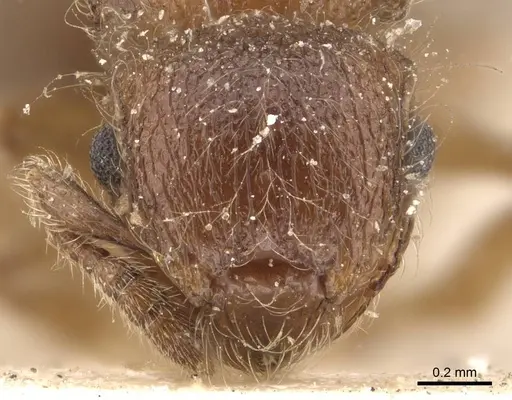
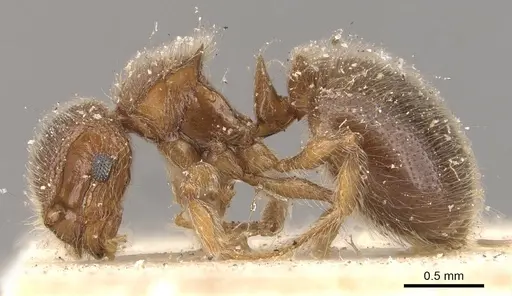
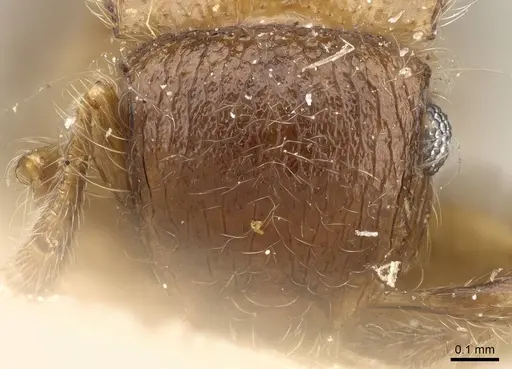
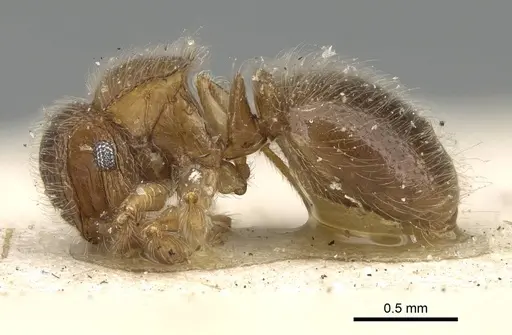
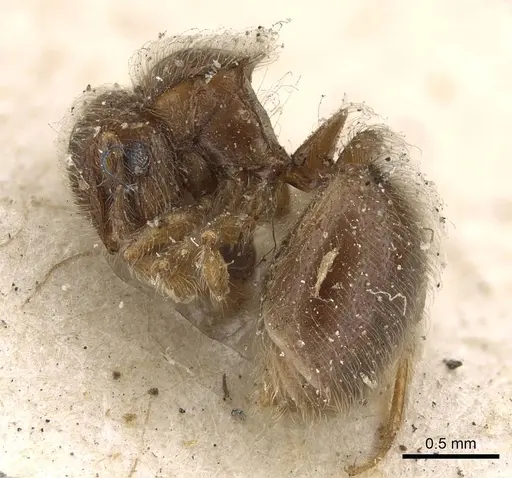
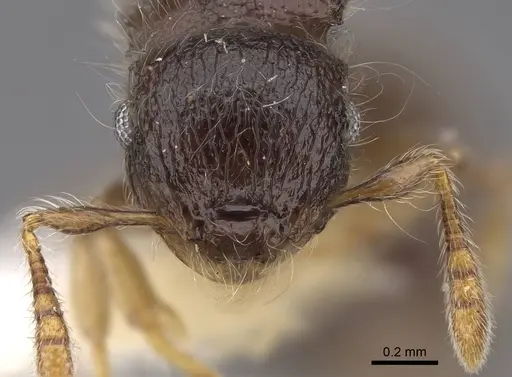
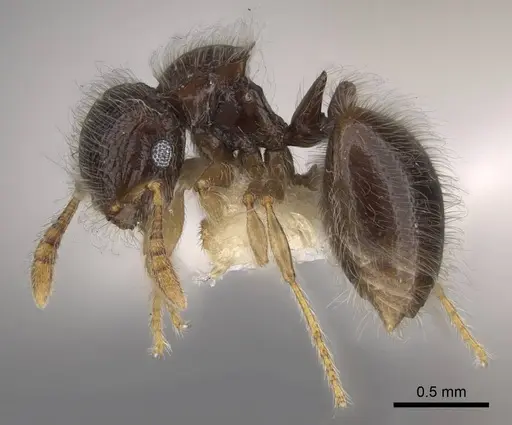
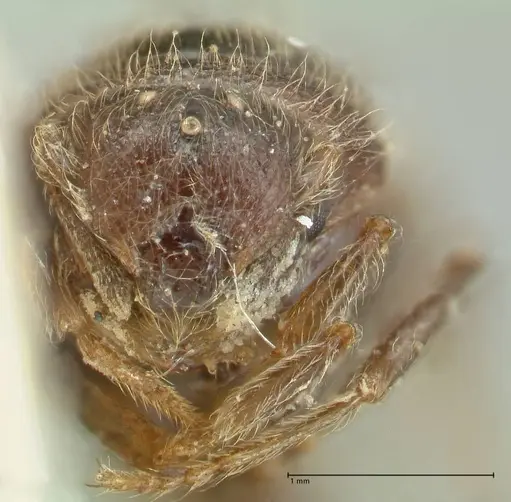
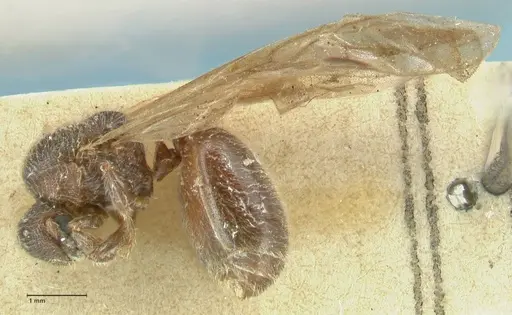
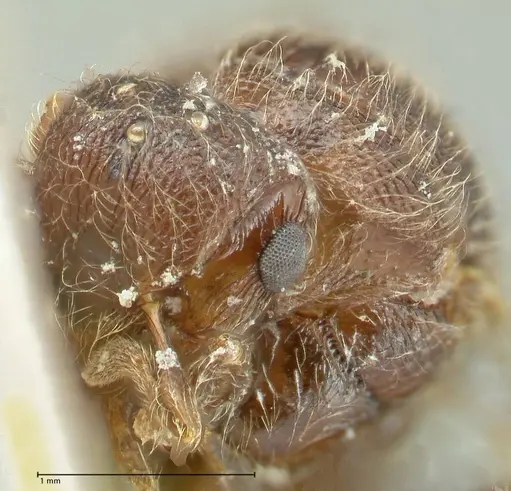
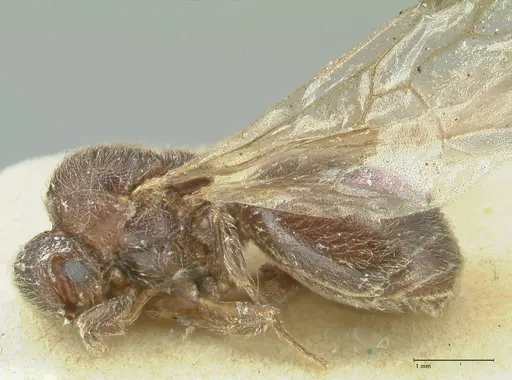
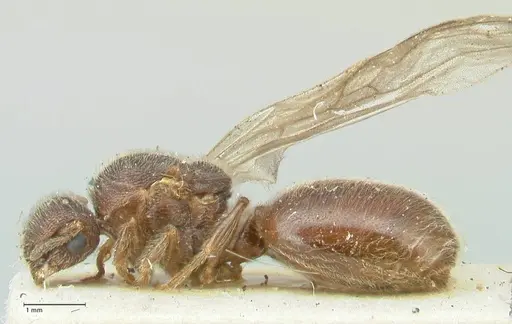
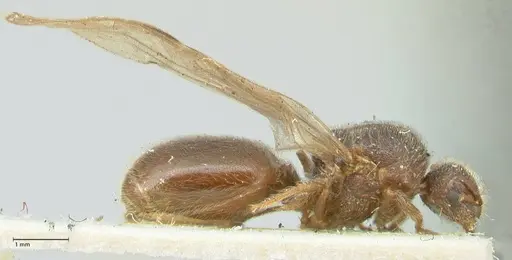
Meranoplus inermis is a distinctive small ant that can be identified by its lack of propodeal spines, the small pointed projections on the rear of the mesosoma that most Meranoplus species possess. This feature makes it unique among African Meranoplus species. The species was originally described by Emery in 1895 from South Africa and was later classified as a subspecies of M. nanus before being elevated to full species status by Bolton in 1981. The distribution covers a wide area of the Afrotropical region, from southern Africa (South Africa, Namibia, Mozambique, Zimbabwe) through central Africa (Democratic Republic of Congo, Central African Republic, Angola) to East Africa (Kenya, Tanzania, Rwanda, Eritrea, Sudan). This broad distribution suggests the species can adapt to various local conditions, though it's primarily associated with forested habitats.
Natural Habitat and Collection Data
Specimens have been collected from soil and leaf litter in forested areas. In Rwanda, specimens were found at the Arboretum of Ruhande at an elevation of 1737m, indicating this species can survive at higher elevations than typical lowland tropical ants [1]. Studies in Rwanda's Gishwati forest found specimens restricted to exotic tree plantations rather than native forest, suggesting some flexibility in habitat adaptation [3]. The species appears in pitfall trap surveys across various African countries, typically as part of broader ant biodiversity studies rather than targeted research on this specific species [4].
Keeping Considerations
This species is extremely rare in the antkeeping hobby and has not been well-studied in captivity. There are no established care protocols from hobbyist experience. Based on the genus and habitat data, provide a naturalistic setup with moist soil substrate or a plaster/Y-tong nest that can maintain humidity. Temperature should be warm (24-28°C) but the elevation data from Rwanda suggests they may tolerate slightly cooler conditions than purely tropical species. Feed a varied diet of small insects and sugar water, as typical for Myrmicinae ants. Since this is a ground-nesting species, ensure the nesting area remains moist but provide a dry area in the outworld for foraging. The lack of documented behavior means keepers should observe their colony closely and adjust care based on observed preferences.
Research Gaps
Meranoplus inermis represents a significant knowledge gap in ant biology. There are no published studies on colony size, queen morphology, worker measurements, founding behavior, development timeline, diet preferences, or any aspect of their social biology. Even basic information like whether they are monogyne or polygyne remains unknown. This species would benefit from dedicated research to establish baseline biological data. For antkeepers, this means starting with genus-level care assumptions and adjusting based on individual colony observation. The species is primarily known from museum specimens and biodiversity surveys rather than focused ecological or behavioral studies.
Frequently Asked Questions
How do I keep Meranoplus inermis ants?
Care is not well-established since this species is rarely kept. Based on genus patterns, use a naturalistic setup with moist substrate or a plaster nest that holds humidity. Keep temperatures around 24-28°C. Feed small insects and sugar water. This is a ground-nesting species so provide deep substrate for nesting.
What do Meranoplus inermis eat?
Diet is unconfirmed for this specific species. Based on typical Meranoplus and Myrmicinae behavior, they likely eat small invertebrates and may collect honeydew from aphids. Offer small live prey like fruit flies or pinhead crickets, along with sugar water or honey.
How big do Meranoplus inermis colonies get?
Colony size is unknown, no scientific data exists on maximum colony size.
Does Meranoplus inermis need hibernation?
Diapause requirements are unconfirmed. The species comes from Afrotropical regions including higher elevations in Rwanda, so some seasonal adjustment may occur, but specific overwintering needs are unknown.
Are Meranoplus inermis good for beginners?
This species is not recommended for beginners due to the complete lack of established care protocols. There is no information on their behavior, growth rate, or specific requirements. Consider starting with better-documented species like Lasius or Tetramorium before attempting M. inermis.
How long does it take for Meranoplus inermis to develop from egg to worker?
Development timeline is completely unstudied for this species.
Where is Meranoplus inermis found?
This species is found across the Afrotropical region including South Africa, Namibia, Mozambique, Zimbabwe, Democratic Republic of Congo, Kenya, Tanzania, Rwanda, Ghana, Nigeria, Eritrea, Sudan, and Angola. It prefers forested habitats with soil and leaf litter.
Do Meranoplus inermis ants sting?
Sting behavior is unstudied for this species. Most small Myrmicinae ants can sting but are typically too small to penetrate human skin effectively. This species uses a smear defense mechanism, wiping venom onto enemies rather than piercing. Handle with standard antkeeping precautions.
Can I keep multiple Meranoplus inermis queens together?
Colony structure is unconfirmed, we don't know if they are monogyne (single queen) or polygyne (multiple queens). Do not attempt combining unrelated queens without documented evidence that this species tolerates pleometrosis.
What makes Meranoplus inermis different from other Meranoplus?
This is the only African Meranoplus species and the only member of the nanus group to lack propodeal spines (the pointed projections on the rear of the thorax). This unique identification feature distinguishes it from all other African Meranoplus.
Report an Issue
The current care sheet is based fully on literature. See inconsistencies, or something that's incorrect? Please , it will be resolved after review from an admin. Contributing to the blogs tab also helps providing information, to make us be able to further improve the caresheets. Thank you for your support!
References

This caresheet is licensed under CC BY-SA 4.0 .
Community Blogs
CASENT0217082
View on AntWeb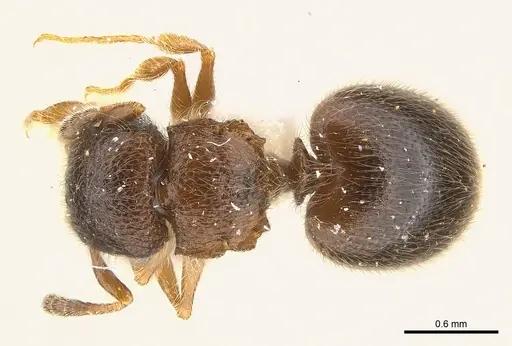
CASENT0235520
View on AntWeb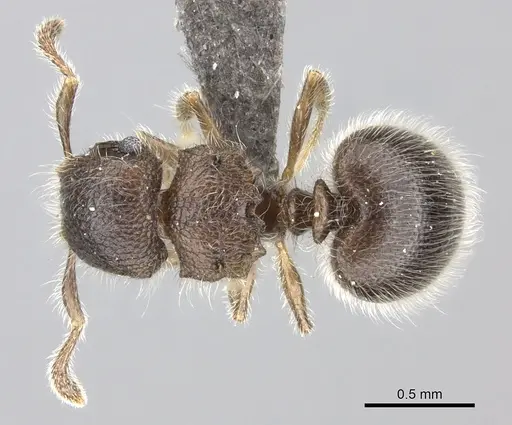
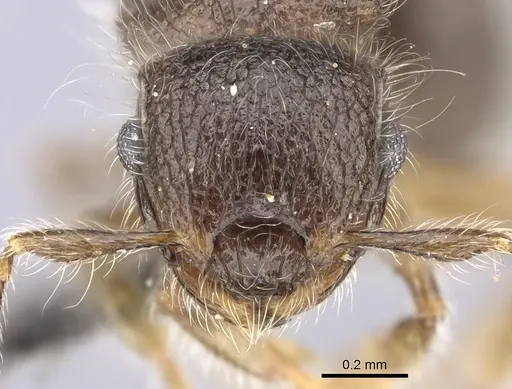
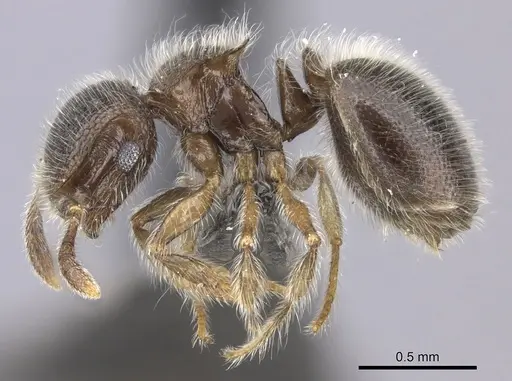
CASENT0235912
View on AntWeb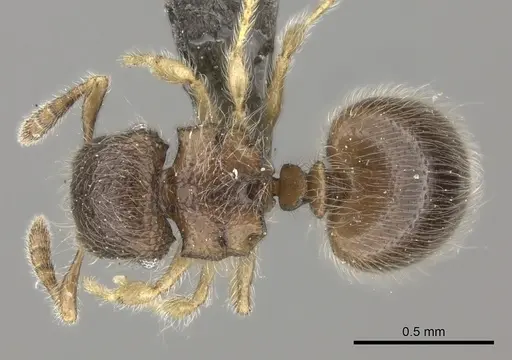
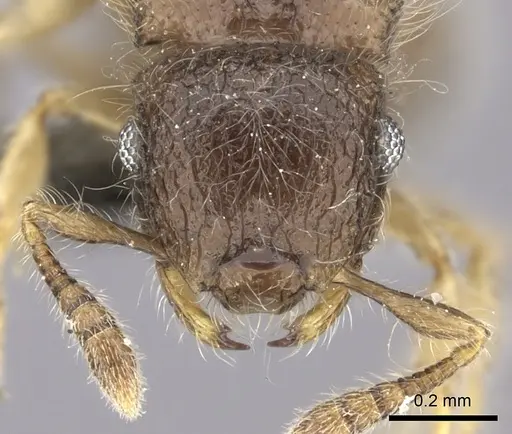
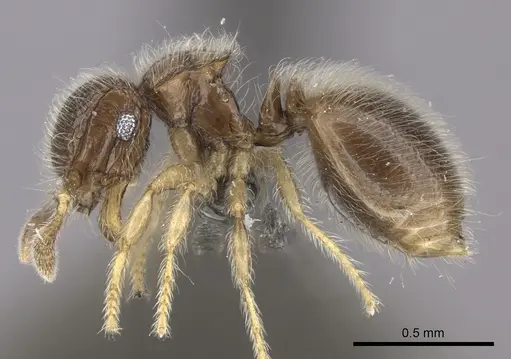
CASENT0258386
View on AntWeb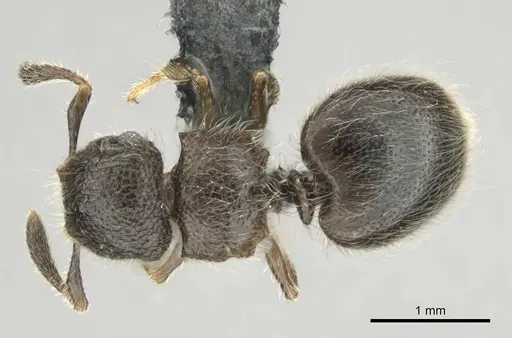
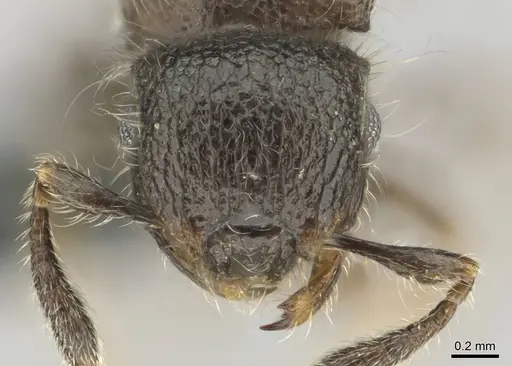
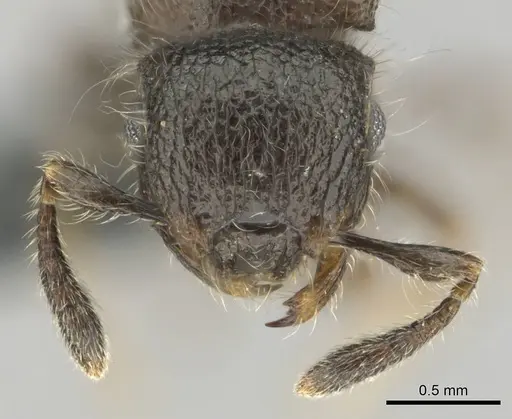
CASENT0406910
View on AntWeb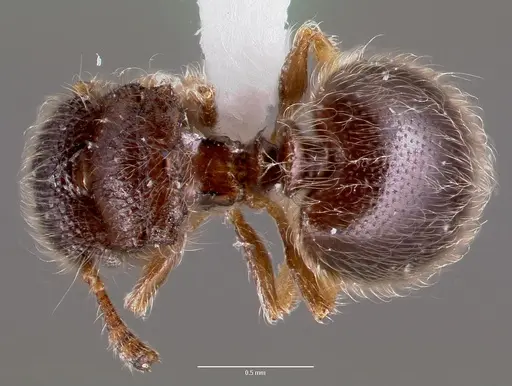
CASENT0902019
View on AntWeb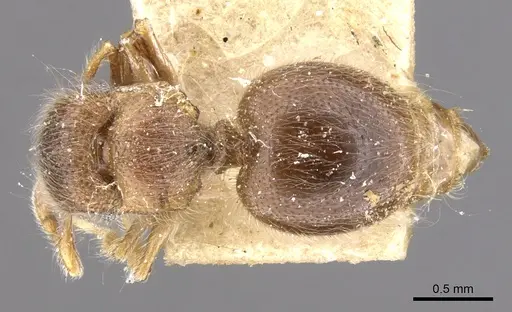
CASENT0902071
View on AntWeb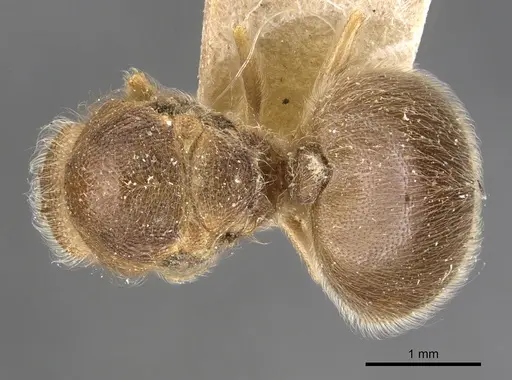
CASENT0904681
View on AntWeb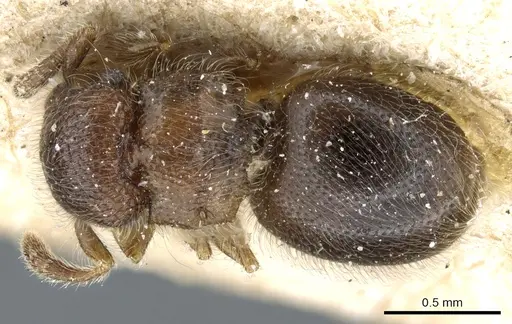
CASENT0908929
View on AntWeb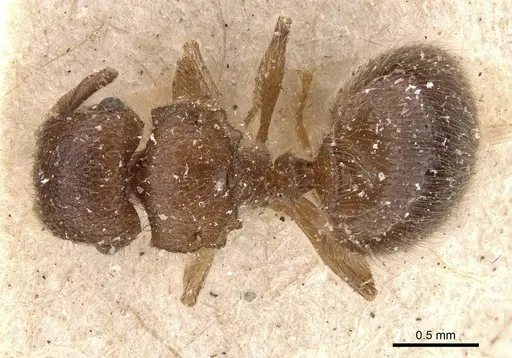
CASENT0922231
View on AntWeb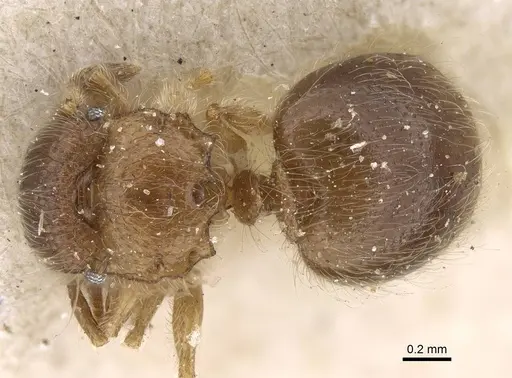
CASENT0922233
View on AntWeb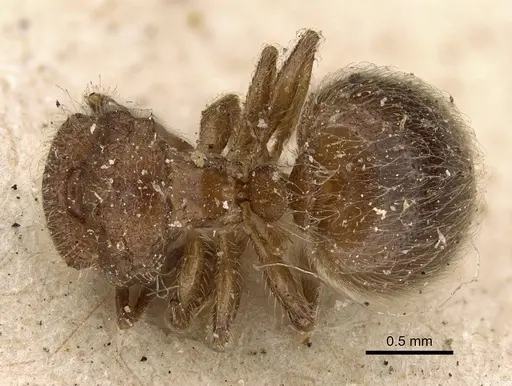
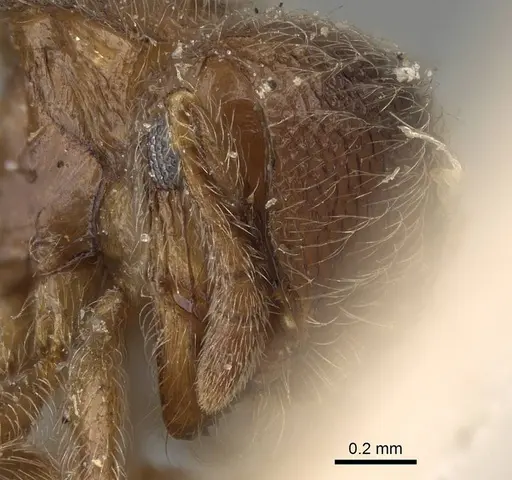
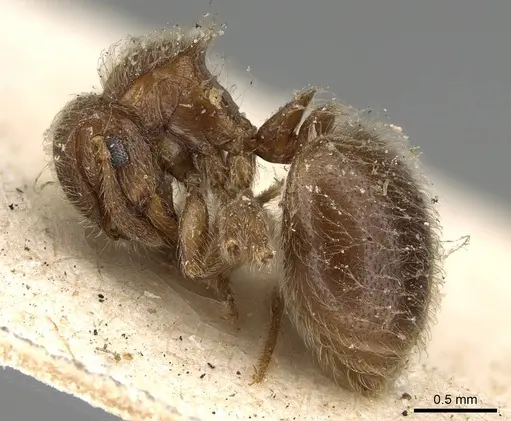
CASENT0922234
View on AntWeb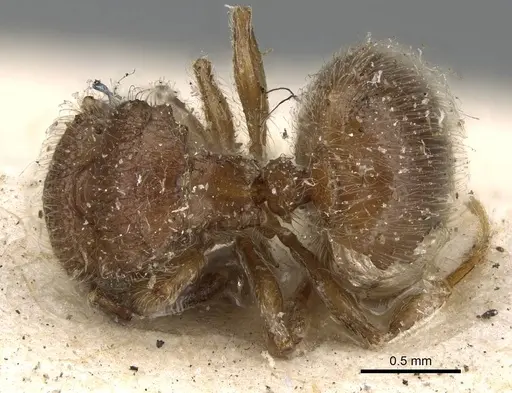
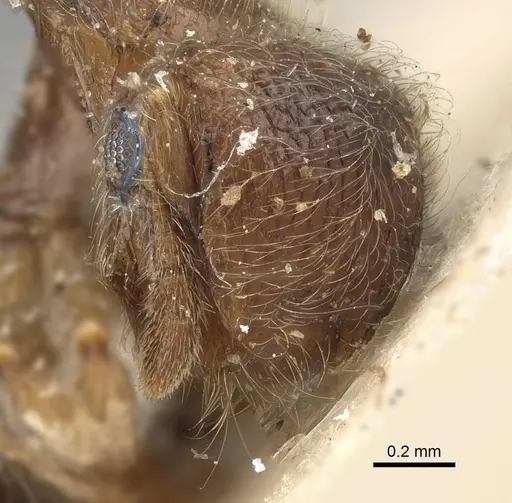
CASENT0922940
View on AntWeb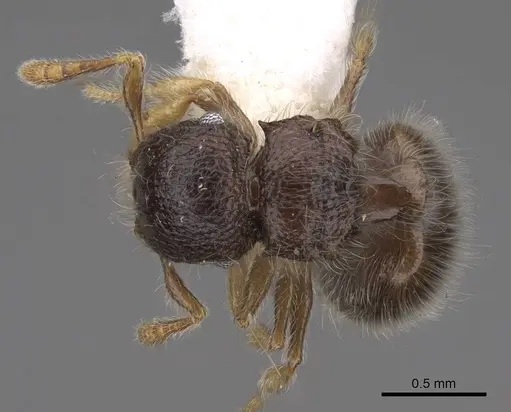
FOCOL1937
View on AntWeb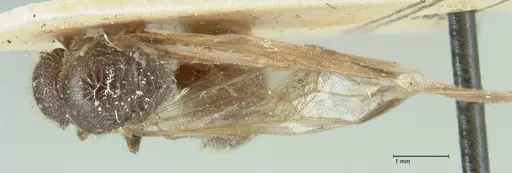
FOCOL1938
View on AntWeb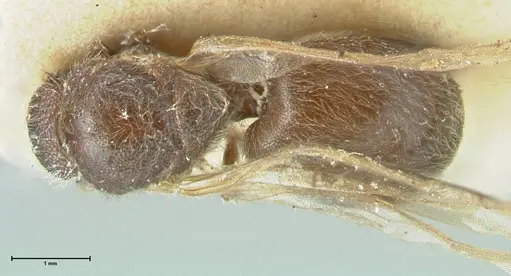
FOCOL1939
View on AntWeb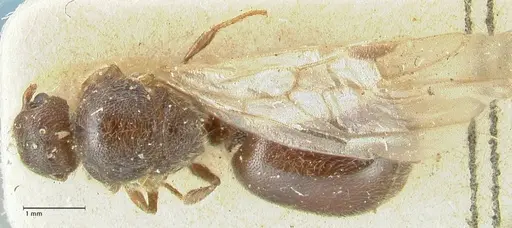
Literature
Loading distribution map...Loading products...