
Meranoplus glaber
- Sci. Name
- Meranoplus glaber
- Tribe
- Crematogastrini
- Subfamily
- Myrmicinae
- Author
- Arnold, 1926
- Distribution
- Found in 3 countries
Introduction
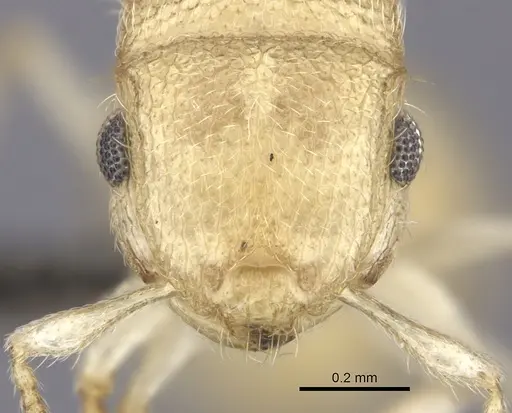
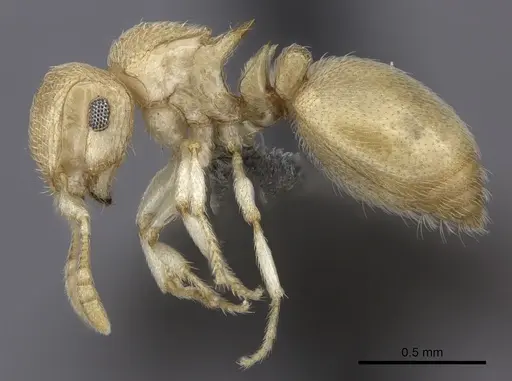
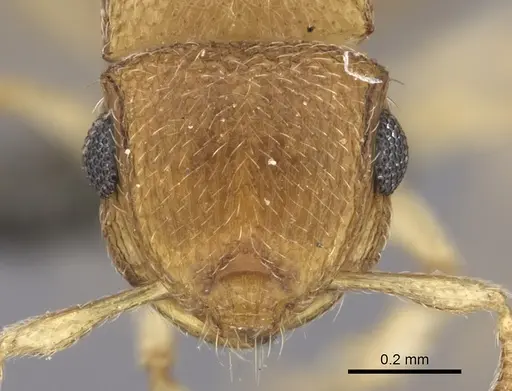
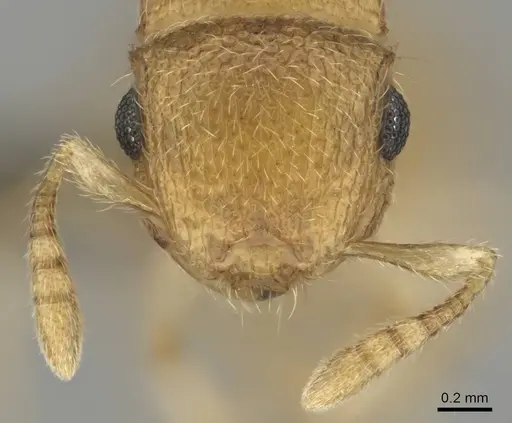
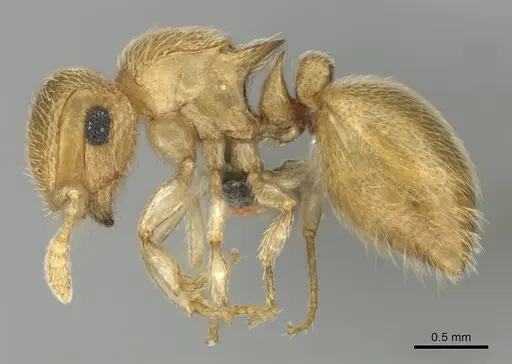
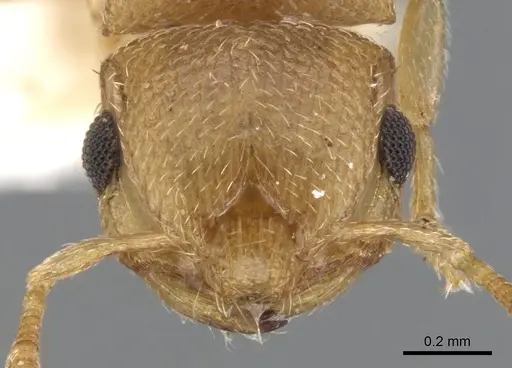
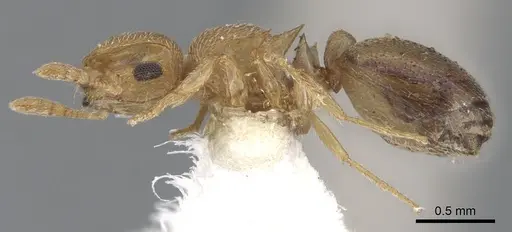
Meranoplus glaber is a small Myrmicinae ant species native to southern Africa, found across Botswana, Mozambique, Tanzania, and Zimbabwe . Workers are tiny ants with the characteristic Meranoplus shield-like head structure. The species was originally described as a variety of M. spininodis in 1926 and was elevated to full species status by Bolton in 1981 . This is a lowland species that becomes less common above 1200m elevation, indicating a preference for warmer, lower-altitude habitats . The genus is known for workers that often carry sand particles on their bodies, a behavior that helps them blend into their environment.
Quick Summary
- Difficulty: Medium
- Origin & Habitat: Southern Africa (Botswana, Mozambique, Tanzania, Zimbabwe) in savanna and woodland habitats. This is a lowland species that decreases in abundance above 1200m elevation [2].
- Colony Type: Colony structure is unconfirmed, typical Meranoplus species form single-queen colonies.
- Size & Growth:
- Queen: ~6-8mm, inferred from Meranoplus genus patterns [1]
- Worker: ~3-5mm, inferred from Meranoplus genus patterns [1]
- Colony: Estimated up to several hundred workers based on related species [1]
- Growth: Moderate, inferred from typical Myrmicinae development
- Development: Estimated 6-8 weeks at optimal temperature based on typical Myrmicinae development (Development time inferred from genus patterns, specific data for M. glaber is unconfirmed)
- Antkeeping:
- Temperature: Keep at 24-28°C. The elevation data suggests this is a warm-adapted lowland species [2]. A heating cable on one side of the nest creates a useful gradient.
- Humidity: Moderate humidity around 50-70%. Allow areas to dry out between mistings. These are savanna ants that tolerate drier conditions.
- Diapause: Likely requires a mild winter rest period (diapause) of 2-3 months at 15-18°C, typical for southern African species. This is inferred from geographic range.
- Nesting: Use a Y-tong (AAC) nest or plaster nest with moderate humidity. They do well in formicariums with a moisture gradient. Avoid overly wet conditions.
- Behavior: Workers are active foragers that search for food on the ground surface. They are not aggressive but will defend their nest. Their small size means escape prevention is important, use fine mesh and tight-fitting barriers. They are diurnal and actively forage during the day.
- Common Issues: escape prevention is critical due to their tiny size, they can squeeze through standard test tube barriers, overheating is a risk, keep temperatures below 30°C, colonies may struggle if humidity stays constantly high, they prefer drier conditions than many Myrmicinae, slow founding phase means new colonies need patience, queens may take months to raise first workers, wild-caught colonies may carry parasites that can devastate captive colonies
Housing and Nest Setup
Meranoplus glaber does well in standard ant keeping setups. A Y-tong (AAC) nest works excellently because it provides the dark, enclosed spaces these ants prefer while allowing you to monitor colony progress. Plaster nests with a moisture gradient are also suitable. The key is providing a temperature gradient so workers can choose their optimal spot. Use a heating cable on one side of the nest set to around 26-28°C while leaving the other side at room temperature. For the outworld, a simple plastic container with a textured floor works well for foraging. Because of their tiny size, all connections should use narrow tubing or cotton plugs, and any gaps must be sealed with fluon or silicone. Test tube setups work for founding colonies but will need upgrading as the colony grows past 30-40 workers. [1]
Feeding and Diet
Like most Meranoplus species, M. glaber is omnivorous. Offer a varied diet including protein sources like small crickets, fruit flies, and mealworm pieces. They will also accept sugar water or honey as an energy source. In the wild, these ants likely scavenge for dead insects and tend aphids for honeydew. Feed protein every 2-3 days and keep a constant sugar water supply. Remove uneaten prey after 24 hours to prevent mold. Young colonies do well with tiny prey items, fruit flies and springtails are ideal. As the colony grows, you can offer progressively larger prey. [1]
Temperature and Seasonal Care
This species comes from lowland southern Africa where temperatures are warm year-round. Keep nest temperatures between 24-28°C for optimal brood development. The elevation study showing they decrease above 1200m confirms they prefer warmer conditions [2]. During summer months, room temperature is often sufficient, but you may need a heating cable in cooler climates. In winter, a mild diapause (winter rest) of 2-3 months at 15-18°C is recommended, simulating the cooler dry season in their native range. Do not cool them below 10°C as this can be fatal. Reduce feeding during diapause but keep water available.
Colony Founding and Growth
A claustral queen will seal herself in a small chamber and not emerge until her first workers hatch. This means you should not offer food during the founding phase, the queen relies entirely on her stored fat reserves. The first workers (nanitics) will be smaller than mature workers and may appear somewhat ragged. After the nanitics emerge, the queen will resume egg-laying and the colony begins growing. Expect 4-8 weeks for eggs to develop into workers at optimal temperature. Colony growth is moderate, a healthy founding colony should reach 50 workers within 6 months under good conditions. Maximum colony size is likely several hundred workers based on related species. [1]
Behavior and Handling
Meranoplus glaber workers are active foragers that search systematically for food. They are not particularly aggressive and will typically flee rather than attack, though they may bite if threatened. Workers are small but fast-moving. They do not have a painful sting. The main concern for keepers is their small size, they are excellent escape artists and can squeeze through remarkably small gaps. Always use fine mesh (at least 0.5mm) on any ventilation holes and check all connections regularly. A barrier of fluon on the rim of the outworld provides an additional security layer. These ants are diurnal and show peak activity during daylight hours. [1]
Frequently Asked Questions
How long does it take for Meranoplus glaber to raise first workers?
Expect 6-8 weeks from egg to first worker at optimal temperature (24-28°C). This is typical for Myrmicinae ants. The claustral queen seals herself in and raises the first brood alone without foraging.
What do Meranoplus glaber ants eat?
They are omnivorous. Offer small insects like fruit flies, pinhead crickets, or mealworm pieces for protein. They also accept sugar water or honey. Feed protein every 2-3 days and keep sugar water constantly available.
Do Meranoplus glaber ants sting?
They can bite but do not have a painful sting. Their small size means they are not a danger to humans. They will flee rather than fight when threatened.
What temperature do Meranoplus glaber ants need?
Keep them at 24-28°C. This is a warm-adapted lowland species from southern Africa. A heating cable on part of the nest creates a useful gradient.
Are Meranoplus glaber good for beginners?
They are intermediate in difficulty. Their small size makes escape prevention critical, and they need specific temperature ranges. Experienced antkeepers will have more success with this species.
How big do Meranoplus glaber colonies get?
Colony size is estimated at several hundred workers based on related species. Growth is moderate, expect 6 months to reach 50 workers under good conditions.
Do Meranoplus glaber need hibernation?
They benefit from a mild winter rest (diapause) of 2-3 months at 15-18°C. This simulates their natural seasonal cycle in southern Africa. Do not cool them below 10°C.
Can I keep multiple Meranoplus glaber queens together?
This species is likely monogyne (single-queen) based on typical Meranoplus patterns. Combining unrelated queens is not recommended and likely results in fighting.
Why are my Meranoplus glaber escaping?
Their tiny size means they can squeeze through standard barriers. Use fine mesh (0.5mm or smaller), fluon barriers on rim edges, and check all connections. Replace cotton plugs with narrow tubing if escapes continue.
When should I move my colony to a formicarium?
Move from test tube to a proper nest when the colony reaches 30-50 workers. A Y-tong or plaster nest works well. Ensure the new setup has a temperature gradient and appropriate humidity.
Report an Issue
The current care sheet is based fully on literature. See inconsistencies, or something that's incorrect? Please , it will be resolved after review from an admin. Contributing to the blogs tab also helps providing information, to make us be able to further improve the caresheets. Thank you for your support!
References

This caresheet is licensed under CC BY-SA 4.0 .
Community Blogs
CASENT0235519
View on AntWeb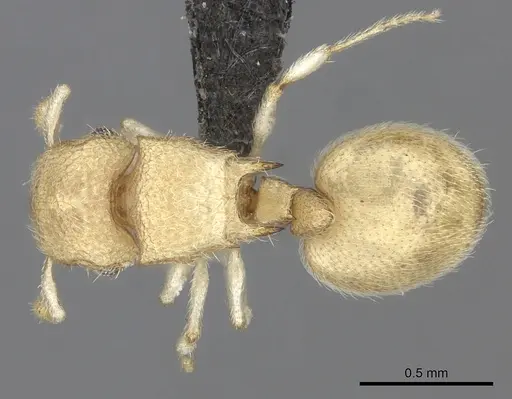
CASENT0235911
View on AntWeb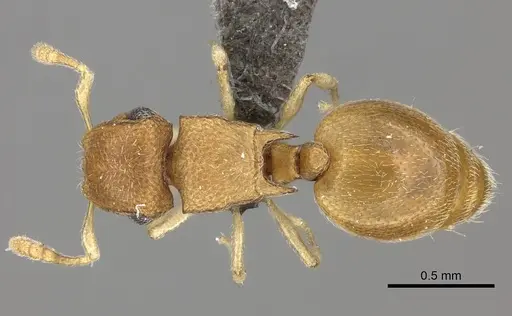
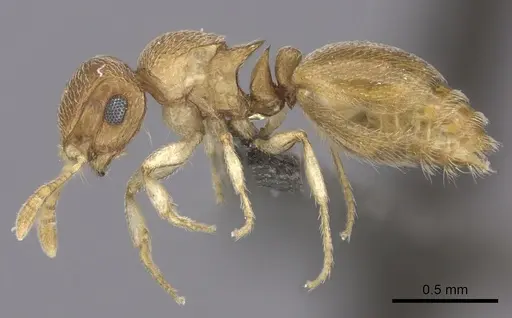
CASENT0252646
View on AntWeb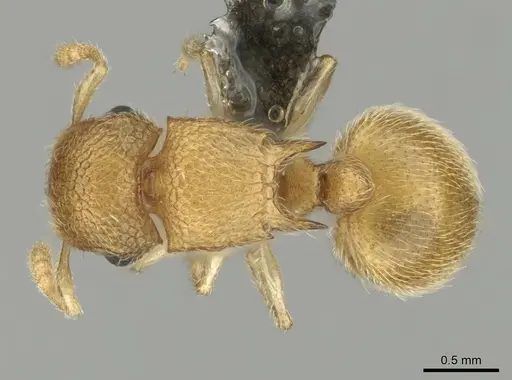
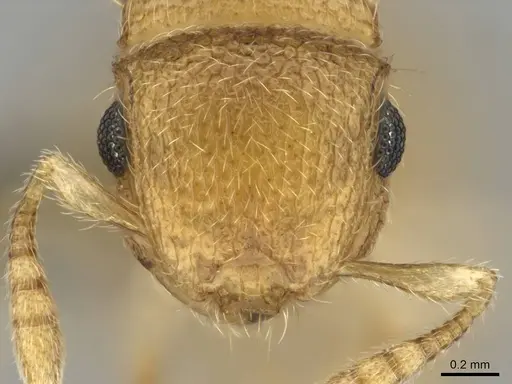
CASENT0812039
View on AntWeb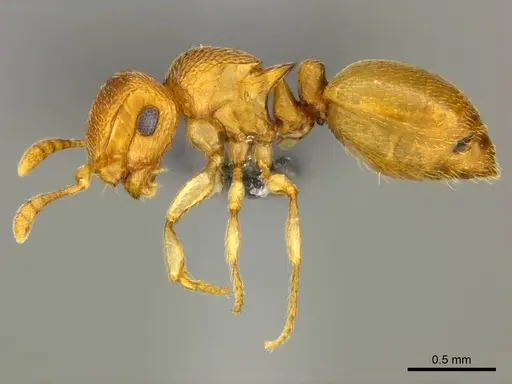
CASENT0902021
View on AntWeb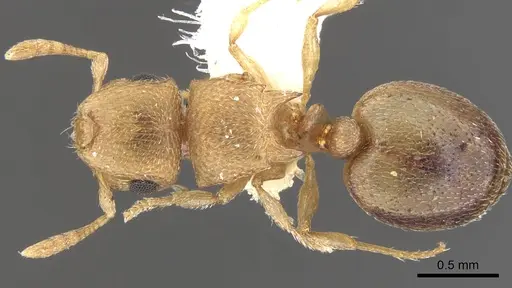
Literature
Loading distribution map...Loading products...