
Meranoplus ferrugineus
- Sci. Name
- Meranoplus ferrugineus
- Tribe
- Crematogastrini
- Subfamily
- Myrmicinae
- Author
- Crawley, 1922
- Distribution
- Found in 1 countries
Introduction
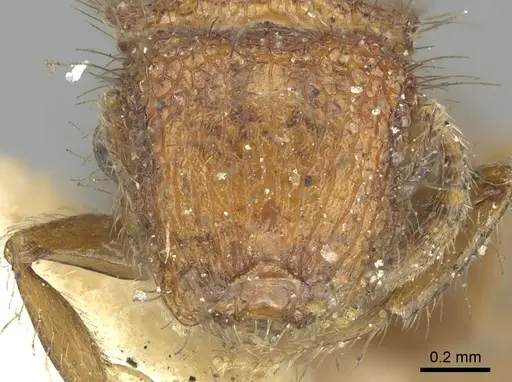
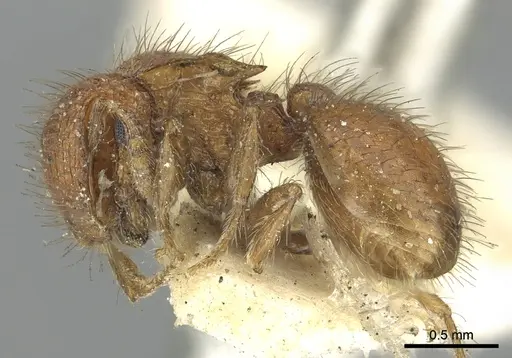
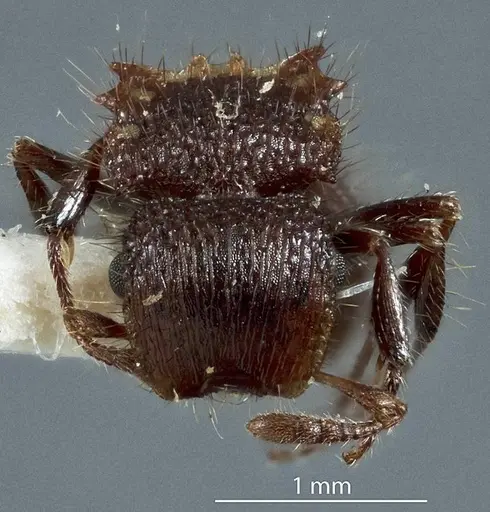
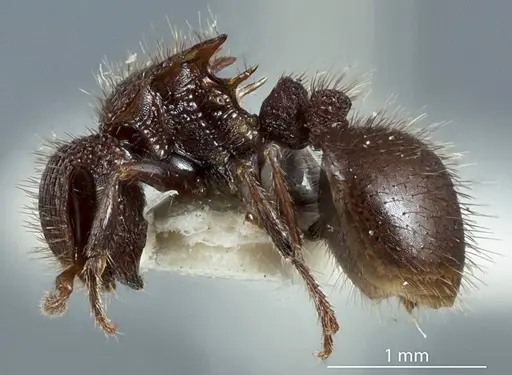
Meranoplus ferrugineus is a small myrmicine ant species native to Southern Australia, specifically Western Australia near the Serpentine River. Workers are characterized by their distinctive morphology: a petiole with an oblique dorsal face in profile and a promesonotal shield that is more coarsely rugose than related species . This species is part of a species complex that includes M. ferrugineus and M. hilli . The genus Meranoplus contains relatively small ants that typically nest in soil or rotting wood in arid and temperate Australian habitats.
Quick Summary
- Difficulty: Unknown, limited data available
- Origin & Habitat: Southern Australia, specifically Western Australia near the Serpentine River [1]. They likely nest in soil or rotting wood in temperate to arid regions.
- Colony Type: Unconfirmed, colony structure has not been documented for this species.
- Size & Growth:
- Queen: Size data unavailable, no specific measurements exist for this species.
- Worker: Size data unavailable, no specific measurements exist for this species.
- Colony: Unknown, no colony size data available for this species.
- Growth: Unknown, no development data available for this species.
- Development: Unconfirmed, no direct development data exists for this species. (Development timeline is unconfirmed for M. ferrugineus.)
- Antkeeping:
- Temperature: Based on Southern Australia distribution, room temperature around 18-24°C is likely appropriate. They should tolerate typical indoor temperatures in temperate climates.
- Humidity: Based on typical Meranoplus habitat in temperate to semi-arid Southern Australia, moderate humidity is likely appropriate. Keep nest substrate lightly moist but not waterlogged. Allow some drying between waterings.
- Diapause: Likely yes, Southern Australia experiences winter with reduced temperatures. Based on temperate ant patterns, they probably require a winter rest period of 2-3 months at cooler temperatures (around 10-15°C).
- Nesting: Based on genus preferences, they likely prefer soil-based nests or nests in rotting wood. A naturalistic setup with soil substrate or a Y-tong/plaster nest with moisture provision would be appropriate.
- Behavior: Behavior is not specifically documented for this species. Based on genus patterns, they are likely relatively docile ground-nesting ants with typical Myrmicinae foraging behaviors. They probably forage individually or in small groups for nectar, honeydew, and small insects. Escape prevention should be moderate, they are small ants but not among the tiniest in the hobby.
- Common Issues: limited data makes care requirements uncertain, proceed with caution and observe colony response, specific temperature and humidity preferences are unconfirmed for this species, colony size and growth rate are unknown, making feeding schedules difficult to optimize, winter care requirements are inferred rather than directly studied, this species is rarely kept in captivity, so husbandry techniques are not well-established
Species Identification and Taxonomy
Meranoplus ferrugineus was originally described by Crawley in 1922 from worker specimens collected in Western Australia near the Serpentine River. The species is part of a complex that includes M. ferrugineus and M. hilli [1]. Key identification features include the petiole with an oblique dorsal face in profile and a promesonotal shield that is more coarsely rugose compared to related species [1]. The type material consists of a lectotype worker (designated by Taylor in 1990) and 15 paralectotype workers, housed at Oxford University Museum of Natural History [2].
Distribution and Natural Habitat
This species is found in Southern Australia, with confirmed records from Western Australia [1]. The type locality is the Serpentine River area in Western Australia [2]. Based on the distribution in Southern Australia and typical Meranoplus ecology, they likely inhabit temperate to semi-arid regions with ground-nesting behavior. They probably nest in soil or under stones in areas with sparse vegetation.
Nest Preferences and Housing
While specific nesting behavior is unconfirmed for M. ferrugineus, Meranoplus ants generally prefer ground-nesting habitats. Based on genus patterns, they likely nest in soil or rotting wood in their natural habitat. For captive care, a naturalistic setup with soil substrate works well, or alternatively a Y-tong or plaster nest that can maintain moisture. The nest should have chambers scaled to their small size. Provide a moisture source to maintain moderate humidity within the nest.
Feeding and Diet
Specific dietary preferences are unconfirmed for this species. Based on typical Meranoplus and general Myrmicinae behavior, they are likely omnivorous, accepting sugar sources (honey water, sugar water) and protein (small insects, mealworms). Offer sugar water continuously and protein prey 1-2 times per week. Remove uneaten prey after 24-48 hours to prevent mold. Start with modest offerings and adjust based on colony consumption.
Temperature and Seasonal Care
Based on the Southern Australia distribution, these ants experience seasonal temperature variation. Keep the nest at room temperature (18-24°C) with a gentle gradient if possible. During winter, a cooler period around 10-15°C for 2-3 months is likely beneficial, mimicking natural seasonal cycles. Monitor colony activity, if they become less active in winter, this indicates they may benefit from a cooler rest period. Avoid sudden temperature changes.
Colony Development and Growth
No specific development data exists for Meranoplus ferrugineus. Based on typical Myrmicinae development in temperate climates, estimate 6-10 weeks from egg to worker at optimal temperature. Colony growth is likely moderate. Founding colonies may take several months to produce their first workers (nanitics). Be patient with founding colonies and avoid disturbing the queen during the founding phase.
Frequently Asked Questions
How do I keep Meranoplus ferrugineus ants?
Specific care for this species is not well-documented due to limited data. Based on genus patterns, use a naturalistic or Y-tong nest with moderate humidity, room temperature (18-24°C), and offer sugar water plus small protein prey. Start with basic husbandry and adjust based on colony response.
What do Meranoplus ferrugineus eat?
While not specifically studied, they likely accept sugar sources (honey water, sugar water) and small protein (fruit flies, small mealworms, pinhead crickets). Offer sugar water continuously and protein prey 1-2 times weekly. Remove uneaten food promptly.
Do Meranoplus ferrugineus ants need hibernation?
Based on their Southern Australia distribution, they likely benefit from a winter rest period. Reduce temperature to around 10-15°C for 2-3 months during winter. This mimics their natural seasonal conditions.
How long does it take for Meranoplus ferrugineus to develop from egg to worker?
Development time is unconfirmed for this species. Based on typical Myrmicinae development in temperate climates, estimate 6-10 weeks from egg to first worker at optimal temperature.
Are Meranoplus ferrugineus good for beginners?
This species is not recommended for beginners due to limited available care information. The care requirements are not well-established, making it challenging to optimize conditions. Consider starting with more commonly kept species like Lasius, Camponotus, or Myrmica if you are new to antkeeping.
How big do Meranoplus ferrugineus colonies get?
Colony size is unknown for this specific species. Based on typical Meranoplus colony sizes, they likely reach dozens to a few hundred workers. Do not expect supercolony sizes.
Do Meranoplus ferrugineus ants sting?
Most Myrmicinae ants have the ability to sting, though many are too small to penetrate human skin effectively. Specific sting potency is not documented for this species. They are likely not aggressive and will only sting if severely threatened.
Can I keep multiple Meranoplus ferrugineus queens together?
Colony structure (monogyne vs polygyne) is unconfirmed for this species. Combining unrelated queens is not recommended since this has not been documented and could result in aggression. If you obtain a colony, assume single-queen structure unless you observe otherwise.
What temperature is best for Meranoplus ferrugineus?
Based on Southern Australia distribution, aim for 18-24°C. Room temperature in most homes falls within this range. Provide a gentle temperature gradient if your setup allows it. Avoid extremes.
Where is Meranoplus ferrugineus found in the wild?
This species is native to Southern Australia, specifically Western Australia. The type locality is the Serpentine River area in Western Australia [1][2].
Report an Issue
The current care sheet is based fully on literature. See inconsistencies, or something that's incorrect? Please , it will be resolved after review from an admin. Contributing to the blogs tab also helps providing information, to make us be able to further improve the caresheets. Thank you for your support!
References

This caresheet is licensed under CC BY-SA 4.0 .
Community Blogs
CASENT0902049
View on AntWeb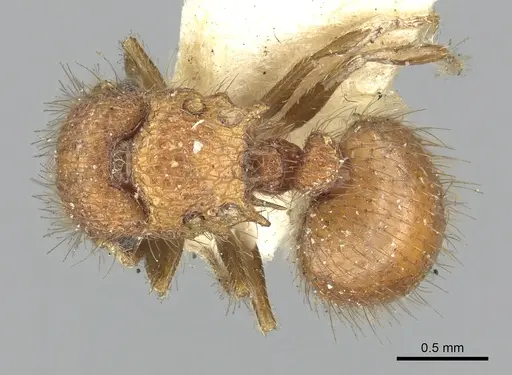
JDM32-003330
View on AntWeb
Literature
Loading distribution map...Loading products...