
Meranoplus deserticola
- Sci. Name
- Meranoplus deserticola
- Tribe
- Crematogastrini
- Subfamily
- Myrmicinae
- Author
- Schödl, 2007
- Distribution
- Found in 1 countries
Introduction
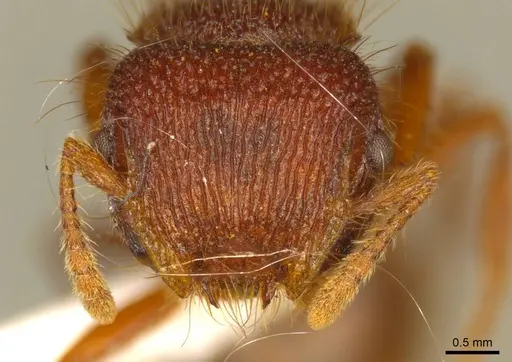
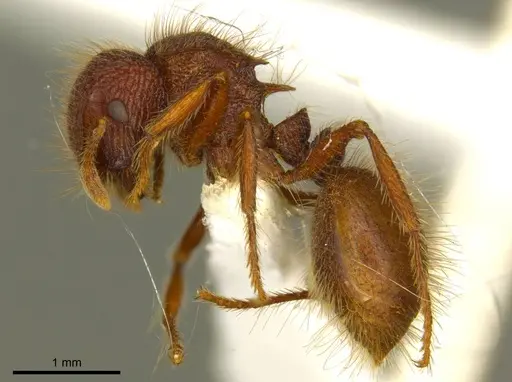
Meranoplus deserticola is a medium-sized myrmicine ant native to the arid heart of Australia. Workers measure 6.1-6.9mm in total length, making them a substantial species for the genus. They feature a distinctive vaulted promesonotal shield, moderately long propodeal spines, and a gaster covered in fine microreticulate sculpture with occasional glossy spots. The species was formally described in 2007 and is part of the M. deserticola complex, closely related to Meranoplus crassispina. These ants are adapted to extreme desert conditions, found in the scorching central Australian interior where temperatures fluctuate dramatically between day and night. They are granivorous, nesting in the ground and collecting seeds as their primary food source .
Quick Summary
- Difficulty: Medium
- Origin & Habitat: Arid central Australia, found in Northern Territory, South Australia, and Western Australia. They inhabit desert environments with extreme heat and dryness, nesting directly in the ground [1][3].
- Colony Type: Colony structure is unconfirmed. No specific data on queen number or colony social structure exists for this species.
- Size & Growth:
- Queen: Size data unavailable, queen has not been described in the original species description [1].
- Worker: 6.1-6.9 mm total length [1].
- Colony: Colony size is unconfirmed for this species.
- Growth: Growth rate is unconfirmed.
- Development: Development timeline is unconfirmed for this species. (Direct measurements are not available.)
- Antkeeping:
- Temperature: Keep at 24-30°C, with a slight gradient allowing workers to self-regulate. This species is adapted to extreme Australian desert conditions and can tolerate higher temperatures than most ants. However, provide a cooler area around 24°C as a retreat. Avoid temperatures below 20°C for extended periods.
- Humidity: Keep relatively dry. These are desert ants adapted to arid conditions. The nest substrate should be lightly moist but allowed to dry between waterings. Provide a water tube for drinking but avoid creating consistently damp conditions. Use sandy, well-draining substrate that dries partially between rehydration.
- Diapause: Likely a winter slowdown period rather than true hibernation. In captivity, you may reduce feeding and lower temperatures slightly to around 18-20°C during winter months, but complete diapause may not be necessary given their desert origin. Monitor colony activity, if they remain active, maintain normal conditions.
- Nesting: Ground-nesting species that prefers dry, sandy or loamy substrates. In captivity, a naturalistic setup with a sand/soil mix works well, or a Y-tong/plaster nest with dry conditions. They do well in formicariums with compact chambers and a connection to a dry outworld for foraging. Avoid overly humid or compact nests.
- Behavior: These ants are moderately active foragers with a granivorous diet. Workers emerge to collect seeds and will also scavenge for protein. They are not particularly aggressive but will defend their nest if threatened. Their medium size makes them visible and engaging to watch. Escape risk is moderate, they are not tiny but can climb smooth surfaces. Use standard barrier methods. They are daytime foragers adapted to the heat of the Australian interior. As members of the subfamily Myrmicinae, tribe Crematogastrini, they possess a modified stinger used to smear venom onto enemies rather than pierce flesh.
- Common Issues: overhydration is the biggest risk, these desert ants easily develop mold in damp conditions, cold temperatures slow or stop development, keep them warm, seed-only diets may lack sufficient protein, offer insect prey regularly, wild-caught colonies may be difficult to find as they nest in remote arid regions, slow initial colony growth is common, founding colonies take time to establish
Housing and Nest Setup
Meranoplus deserticola is a ground-nesting species that thrives in dry, arid conditions. For founding colonies, a test tube setup works well with a small chamber of dry sand or soil at one end. Once the colony reaches 20-30 workers, you can transition to a naturalistic formicarium with a sandy substrate. The key is drainage, water should not pool in the nest area. A mix of sand and fine soil mimics their natural desert floor. Connect the nest to a dry outworld where you can offer seeds and protein. Avoid humid, compact nests, these ants need ventilation and dry conditions to prevent mold. A Y-tong or plaster nest with good ventilation also works, but ensure the substrate stays relatively dry. [1][3]
Feeding and Diet
As granivorous ants, seeds form the staple of their diet. Offer a variety of small seeds, millet, grass seeds, and commercial ant seeds work well. Unlike some seed-harvesting ants, M. deserticola does not crush seeds for the chaff but consumes the entire seed. Provide a seed dish in the outworld and refresh regularly. While primarily granivorous, they also benefit from protein sources. Offer small insects like fruit flies, small mealworms, or cricket pieces once or twice weekly. Sugar water or honey can be offered occasionally but is not a primary food source for this species. Remove uneaten seeds and insect parts promptly to prevent mold. The foraging workers are active during the day, especially in warmer temperatures. [1]
Temperature and Seasonal Care
These desert ants are heat-tolerant and should be kept warm. Aim for 26-30°C in the nest area during active season, with a slight gradient so workers can self-regulate. They can tolerate temperatures up to 35°C or higher briefly, but sustained high heat without retreat areas is stressful. A heating cable on one side of the nest creates an ideal gradient. During winter, you can reduce temperatures slightly to 20-24°C and reduce feeding frequency, but a true hibernation is likely not required. Their natural habitat experiences mild winters with reduced activity, so a slight cooldown mimics this. If your colony remains active year-round, maintain normal temperatures, these ants are not true hibernators. [1][3]
Colony Founding and Growth
Colony founding behavior is unconfirmed for this species. The queen likely seals herself in a claustral chamber and raises her first brood alone, living off stored fat reserves, though this has not been directly documented. After the first workers emerge, they will begin foraging for seeds and protein. Colony growth is initially slow. Monitor founding queens closely for stress and ensure they are not disturbed during the sealing period.
Behavior and Observation
Workers of Meranoplus deserticola are active foragers, particularly during warmer parts of the day. They travel moderate distances from the nest in search of seeds and small insects. Unlike some ants that form permanent foraging trails, these workers search individually or in small groups. When threatened, they can deliver a sting using their modified smear-type stinger, though their sting is not as potent as some Myrmicinae. They are not aggressive toward keepers but will defend the nest vigorously. Watching them harvest seeds is particularly interesting, they carry seeds individually back to the nest. Their medium size and distinctive appearance make them an engaging species to observe. [1]
Frequently Asked Questions
How long does it take for Meranoplus deserticola to produce first workers?
Exact development timeline is unconfirmed for this species. Based on typical Myrmicinae patterns, first workers may emerge in 6-10 weeks at temperatures around 26-28°C, but this is an estimate.
What do Meranoplus deserticola ants eat?
They are primarily granivorous, seeds form the bulk of their diet. Offer small seeds like millet, grass seeds, or commercial ant seed mixes. They also need protein, so supplement with small insects once or twice weekly. Occasional sugar water or honey can be offered but is not essential.
Can I keep Meranoplus deserticola in a test tube?
Yes, test tubes work well for founding colonies. Use a small amount of dry sand or soil at one end for the queen to seal into. Keep the test tube upright in a warm, dark location and do not disturb for at least 4 weeks. Once workers emerge and the colony reaches 20-30 workers, consider transitioning to a naturalistic formicarium with dry substrate.
Do Meranoplus deserticola ants need hibernation?
Probably not true hibernation, but a slight winter cooldown is beneficial. Reduce temperatures to around 20-24°C during winter months and reduce feeding frequency. Their desert habitat has mild winters, so complete diapause is not necessary. If your colony remains active year-round, normal temperatures are fine.
Are Meranoplus deserticola good for beginners?
They are moderate difficulty, not the easiest but not advanced. The main challenges are avoiding overhydration and having patience through slow initial growth. If you can maintain warm, dry conditions and are patient with a slow-starting colony, they are rewarding to keep.
How big do Meranoplus deserticola colonies get?
Colony size is unconfirmed for this species. Based on related Meranoplus species, they may reach several hundred workers over several years, but this is an estimate.
Do Meranoplus deserticola ants sting?
They have a stinger and can sting, but their sting is mild compared to many ants. They are not aggressive and will only sting if directly threatened or handled roughly.
What temperature range is best for Meranoplus deserticola?
Keep them at 26-30°C with a gradient allowing cooler retreat areas around 24°C. They are heat-tolerant and can briefly handle higher temperatures, but sustained heat above 35°C is stressful. A heating cable on part of the nest creates an ideal temperature gradient.
When should I move my Meranoplus deserticola to a formicarium?
Transition from a test tube to a formicarium once the colony has 20-30 workers and you see them actively foraging in the outworld. A naturalistic setup with dry sandy substrate works best. Ensure the formicarium has good ventilation and drainage to prevent damp conditions.
Why is my Meranoplus deserticola colony growing slowly?
Slow growth may be normal for this species, especially in the first few months. Ensure temperatures are warm, the queen is not disturbed, and you are offering adequate protein. Cold temperatures and overhydration are common causes of poor growth. Be patient, established colonies eventually grow more quickly.
Report an Issue
The current care sheet is based fully on literature. See inconsistencies, or something that's incorrect? Please , it will be resolved after review from an admin. Contributing to the blogs tab also helps providing information, to make us be able to further improve the caresheets. Thank you for your support!
References

This caresheet is licensed under CC BY-SA 4.0 .
Community Blogs
CASENT0919719
View on AntWeb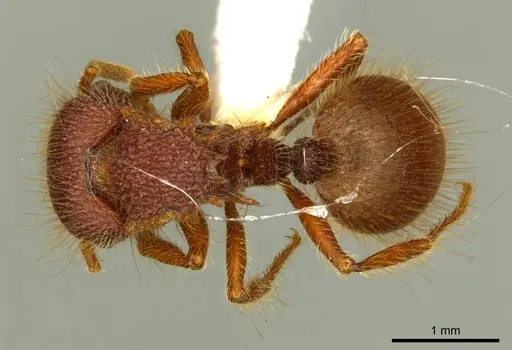
Literature
Loading distribution map...Loading products...