
Melophorus microtriches
- Sci. Name
- Melophorus microtriches
- Tribe
- Melophorini
- Subfamily
- Formicinae
- Author
- Heterick <i>et al.</i>, 2017
- Distribution
- Found in 1 countries
Introduction
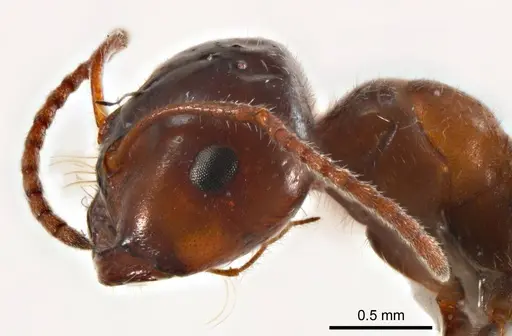
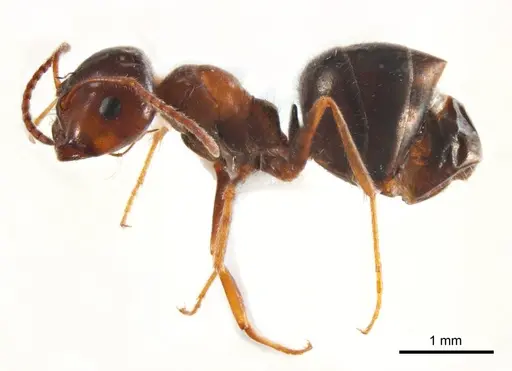
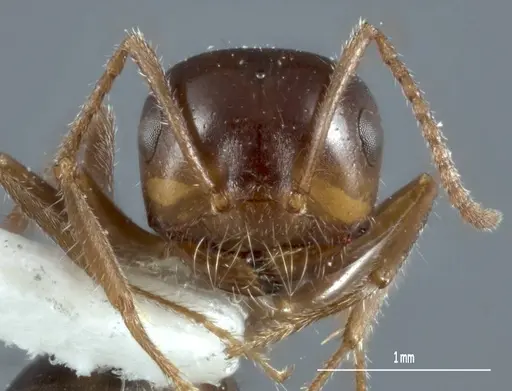
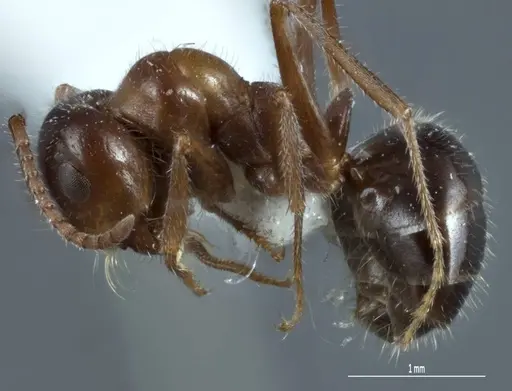
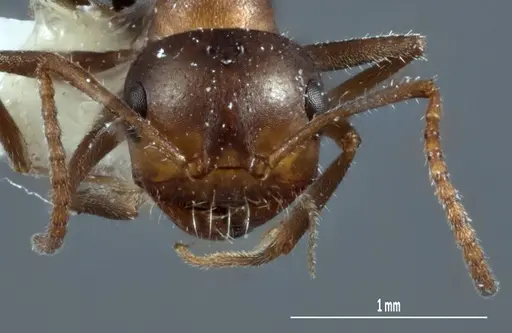
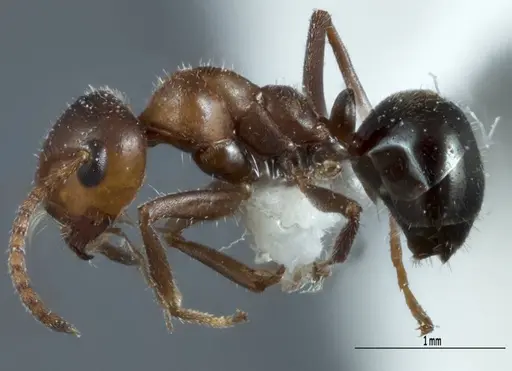
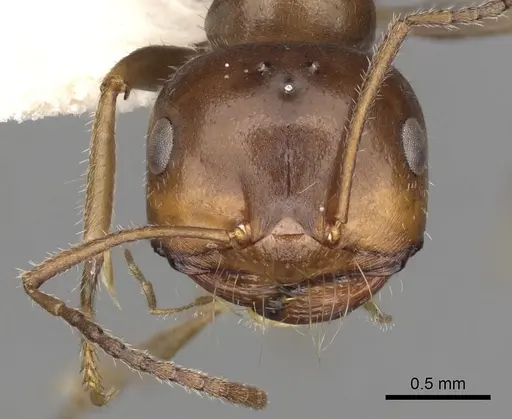
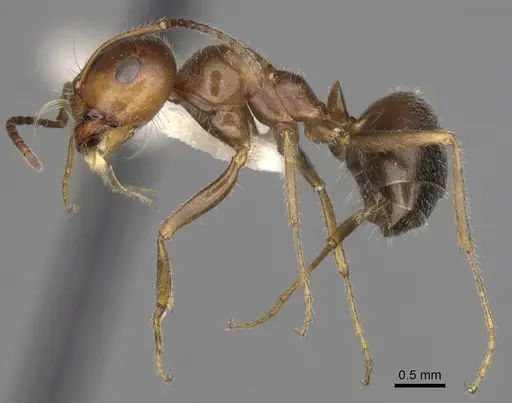
Melophorus microtriches is a small ant species native to Western Australia, belonging to the Melophorus biroi species group and fieldi complex. Workers have a distinctive matt (dull) appearance with reticulate sculpturing on the tibia and antennal scape, short stout erect setae on the metatibia, and long spindly legs. This ant is notable as one of the few Melophorus species that has adapted to urbanized habitats, commonly found in relictual woodland, rehabilitated road verges, and disturbed areas like paddocks and street verges around Perth. It is a ground forager, nesting in various substrates including gravel, red soil, and grey sand.
Quick Summary
- Difficulty: Medium
- Origin & Habitat: Western Australia, primarily in the Perth metropolitan area. Found in natural habitats including mulga, riparian woodland, and tall woodland, as well as disturbed areas like paddocks and street verges [1].
- Colony Type: Colony structure is unconfirmed for this species.
- Size & Growth:
- Queen: Size data unavailable, no queen measurements documented
- Worker: Size data unavailable, no total length measurements documented for this species
- Colony: Unknown, no colony size data available
- Growth: Unknown, no development data available
- Development: Unknown, no direct development data available for this species (Development timeline has not been studied for Melophorus microtriches.)
- Antkeeping:
- Temperature: Keep warm, around 24-30°C. This species is adapted to the warm climate of Western Australia and will do best with gentle heating. A heating cable on one side of the nest creates a suitable gradient.
- Humidity: Low to moderate. These ants come from relatively dry Australian habitats. Keep nest substrate moderately dry to slightly moist, avoid damp conditions. Provide a water source in the outworld but do not over-humidify the nest.
- Diapause: Likely no diapause required. This species is from a warm climate and does not appear to have a winter dormancy requirement.
- Nesting: Ground-nesting species. In captivity, a naturalistic setup with a soil or sand substrate works well, or a Y-tong/plaster nest with dry to moderately moist conditions. Provide a deep substrate layer for nesting.
- Behavior: This is a ground-foraging ant that is active and relatively fast-moving. Melophorus species are typically not aggressive. They are generalist foragers that likely scavenge and collect honeydew. Workers are small but not extremely tiny. They adapt well to urban environments in the wild, suggesting good adaptability to captive conditions.
- Common Issues: limited data, this species has not been well-studied in captivity, so care parameters are estimates based on genus patterns, humidity management, keeping conditions too damp may cause problems since they come from dry habitats, no confirmed colony structure, queen behavior and colony founding are unconfirmed, slow to establish, wild-caught colonies may take time to adapt to captive conditions
Housing and Nest Setup
Melophorus microtriches is a ground-nesting ant that prefers dry to moderately moist conditions. A naturalistic setup with a deep substrate layer (red soil, grey sand, or a mix) works well for this species. You can also use a Y-tong nest with chambers scaled to their size. Since they come from urbanized habitats in Western Australia, they are adaptable and can tolerate a range of conditions. Provide a water test tube in the outworld for drinking water. Because they are ground foragers, ensure the outworld has a substrate layer where they can forage naturally. [1]
Feeding and Diet
Based on genus patterns, Melophorus microtriches is likely a generalist forager that accepts sugar sources and protein. Offer sugar water, honey, or diluted honey regularly as a carbohydrate source. For protein, provide small insects like fruit flies, small crickets, or mealworms. In the wild, they likely collect honeydew from aphids and scavenge small invertebrates. Feed every 2-3 days, removing uneaten prey after 24 hours. Adjust feeding frequency based on colony size and consumption rates.
Temperature Requirements
This species comes from the warm climate of Western Australia and requires temperatures in the 24-30°C range for optimal activity and development. Use a heating cable or heating mat on one side of the nest to create a gentle thermal gradient. Place the heating on top of the nest to avoid evaporating moisture too quickly. Room temperature may be sufficient in warm climates, but supplemental heating is recommended for cooler environments. Monitor colony activity, if workers become sluggish, increase temperature slightly. [1]
Humidity Management
Melophorus microtriches prefers dry to moderately moist conditions. They are found in substrates ranging from gravel to red soil and grey sand in the wild, indicating tolerance for relatively dry conditions. Keep the nest substrate on the drier side, it should feel barely damp, not wet. Provide a water source in the outworld for drinking. Avoid over-misting or keeping the nest too damp, as this can cause mold issues and stress the colony. Some slightly drier areas in the nest allow the ants to self-regulate their humidity preferences. [1]
Colony Establishment
Since colony founding behavior has not been documented for this species, care recommendations are based on typical Melophorus genus patterns. If you obtain a founding queen, provide a small test tube setup with a water reservoir and keep it undisturbed in a warm, dark location. Once workers emerge, you can gradually introduce them to a larger setup. Wild-caught colonies may take time to adjust to captive conditions, be patient and minimize disturbances during the settling period.
Frequently Asked Questions
How long does it take for Melophorus microtriches to go from egg to worker?
The exact development timeline is unconfirmed for this species. There is no published data on development time for Melophorus microtriches.
What temperature do Melophorus microtriches need?
Keep them warm at 24-30°C. This species is from the warm climate of Western Australia and does best with gentle heating. A heating cable on one side of the nest creates a suitable gradient. Room temperature may be adequate in warm environments, but supplemental heating is recommended.
Do Melophorus microtriches need hibernation?
Likely no. This species is from a warm climate and does not appear to require a winter dormancy period.
What do Melophorus microtriches eat?
Based on genus patterns, they are generalist foragers. Offer sugar water or honey as a constant carbohydrate source. For protein, provide small insects like fruit flies, small crickets, or mealworms. Feed every 2-3 days, removing uneaten prey after 24 hours.
Are Melophorus microtriches good for beginners?
This species is rated as Medium difficulty. While they are adaptable and can tolerate various conditions, there is limited captive data and care is based on genus patterns rather than confirmed species-specific requirements. Some experience with ant keeping is helpful, but they are not overly demanding.
How big do Melophorus microtriches colonies get?
Colony size is unknown, no data is available on maximum colony size for this species.
Can I keep multiple Melophorus microtriches queens together?
Colony structure is unconfirmed for this species. The safe approach is to keep only one queen per colony. Combining unrelated queens has not been documented and is not recommended.
What type of nest is best for Melophorus microtriches?
A naturalistic setup with a dry to moderately moist substrate works well. You can use a Y-tong nest or a plaster nest with conditions on the drier side. Provide a deep substrate layer for nesting if using a naturalistic setup.
Where is Melophorus microtriches found in the wild?
This species is native to Western Australia, primarily around the Perth metropolitan area. It is one of the few Melophorus species that has adapted to urbanized habitats, found in relictual woodland, rehabilitated road verges, paddocks, and street verges.
Report an Issue
The current care sheet is based fully on literature. See inconsistencies, or something that's incorrect? Please , it will be resolved after review from an admin. Contributing to the blogs tab also helps providing information, to make us be able to further improve the caresheets. Thank you for your support!
References

This caresheet is licensed under CC BY-SA 4.0 .
Community Blogs
ANIC32-900121-1
View on AntWeb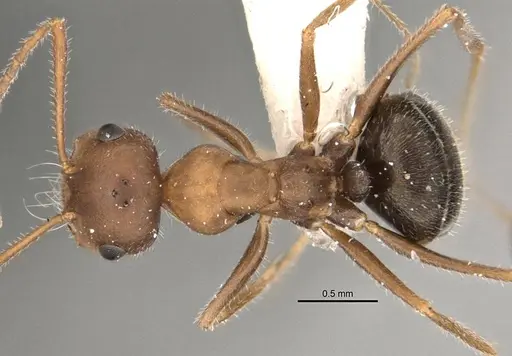
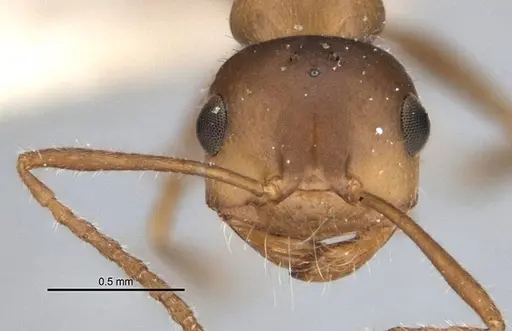
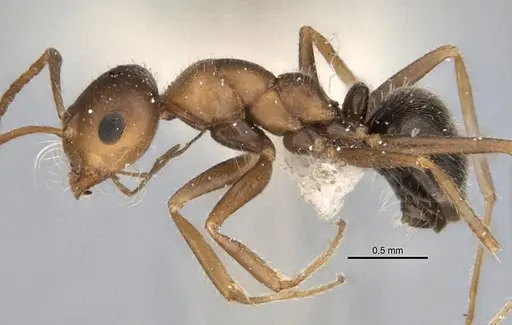
ANIC32-900121-2
View on AntWeb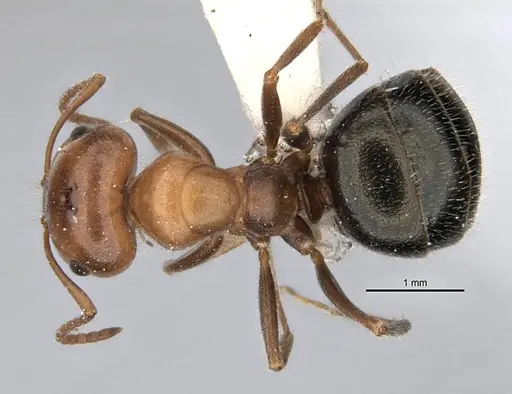
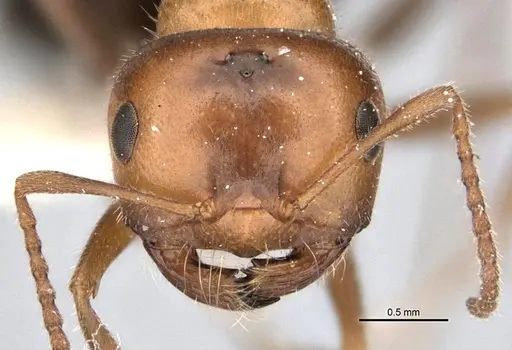
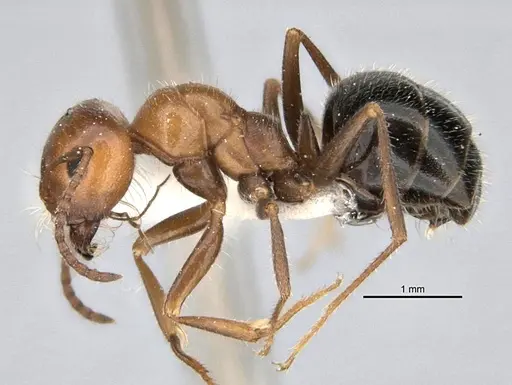
ANTWEB1008659
View on AntWeb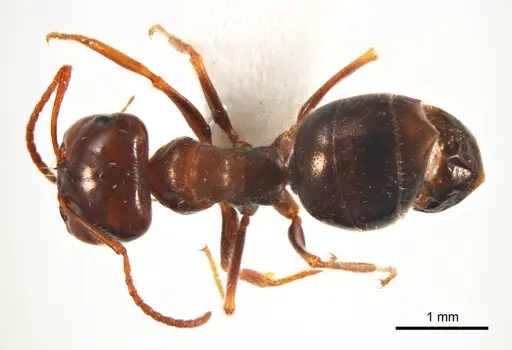
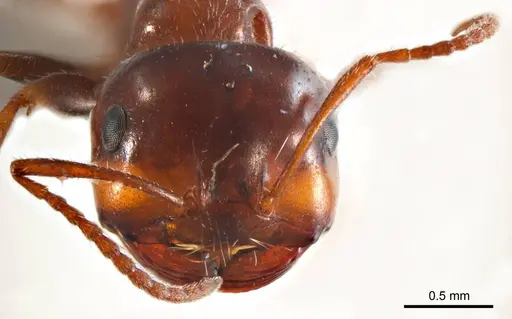
ANTWEB1041103
View on AntWeb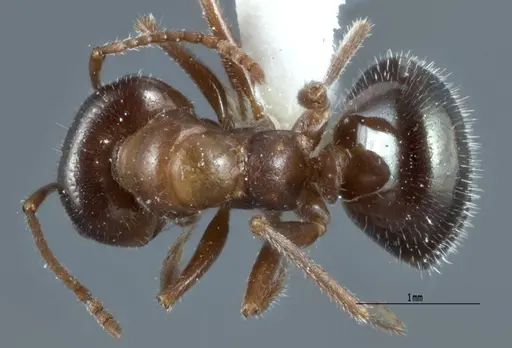
ANTWEB1041112
View on AntWeb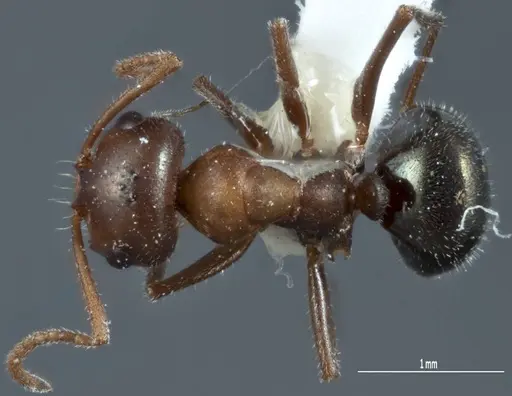
CASENT0280501
View on AntWeb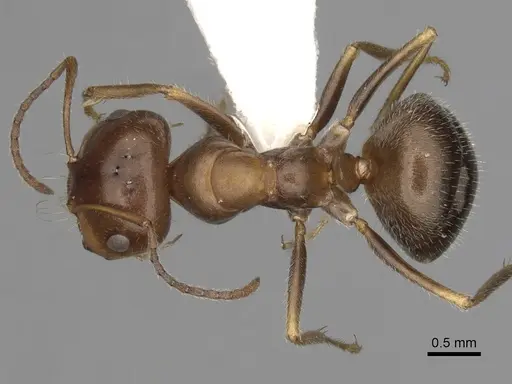
Literature
Loading distribution map...Loading products...