
Melophorus castaneus
- Sci. Name
- Melophorus castaneus
- Tribe
- Melophorini
- Subfamily
- Formicinae
- Author
- Heterick <i>et al.</i>, 2017
- Distribution
- Found in 1 countries
Introduction
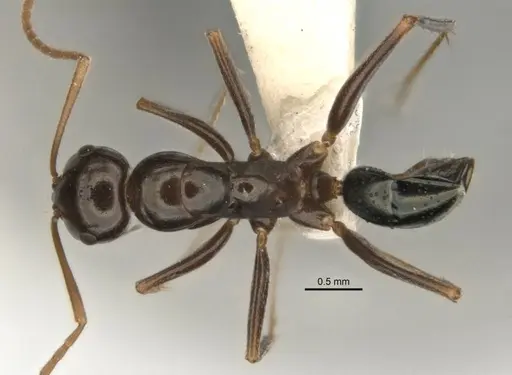
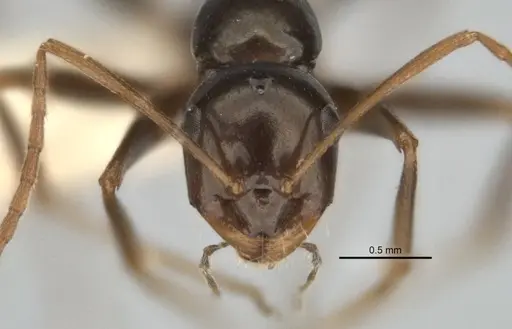
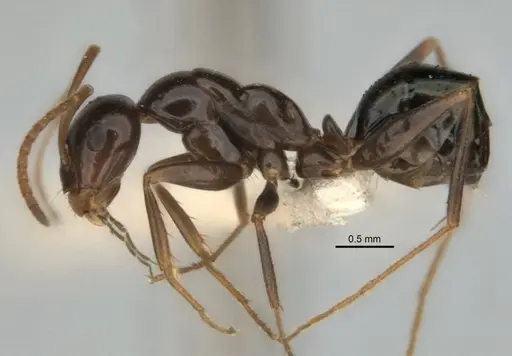
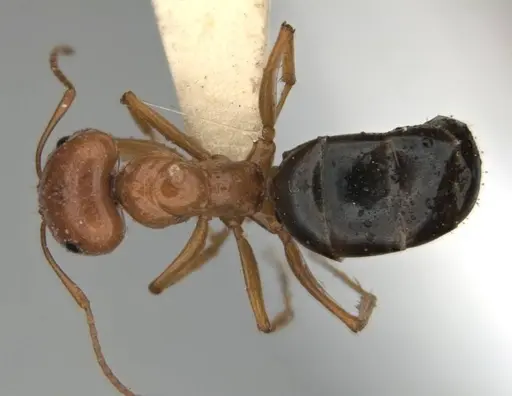
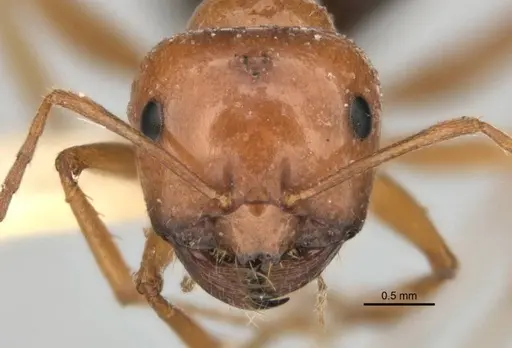
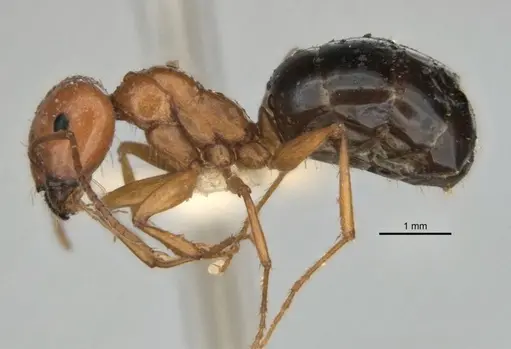
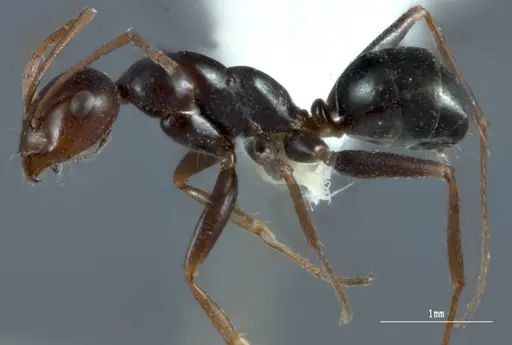
Melophorus castaneus is a medium-sized Australian ant in the Formicinae subfamily. Workers are small to medium-sized, with minor workers smaller than majors, and have a chestnut-brown coloration that gives the species its name. It is widely distributed across mainland Australia, more common in eastern and central regions . This ant thrives in drier habitats and behaves as a generalized forager, collecting a variety of food sources. It can be found in modified habitats like paddocks and rehabilitated grasslands, showing tolerance for human-altered environments .
Quick Summary
- Difficulty: Medium
- Origin & Habitat: Widely distributed across mainland Australia, more common in eastern and central regions. Found in drier habitats including modified areas like paddocks and rehabilitated grasslands [2][1].
- Colony Type: Colony structure is unconfirmed. No specific data on queen number or social structure.
- Size & Growth:
- Queen: Size data unavailable
- Worker: Size data unavailable
- Colony: Up to several hundred workers based on genus patterns
- Growth: Moderate
- Development: 8-12 weeks (inferred from related Formicinae species) (Development time may vary with temperature and conditions)
- Antkeeping:
- Temperature: Keep at 24-30°C. Based on Australian habitat preferences [2].
- Humidity: Maintain low to moderate humidity, matching their natural drier habitat [2].
- Diapause: No diapause required (inferred from tropical/temperate range)
- Nesting: Use dry nest setups such as Y-tong (AAC) or plaster nests. Provide minimal water access [2].
- Behavior: Generalized foragers that actively search for food. Workers are moderately active and will defend their colony. Escape risk is moderate for this size class [2].
- Common Issues: over-moistening can lead to mold development in the nest, wild-caught colonies may carry parasites or pathogens that cause colony failure, limited documentation means some care parameters require monitoring and adjustment, ensure nest passages are wide enough for all castes to move comfortably
Nest Preferences
Melophorus castaneus naturally nests in soil or under stones in drier Australian habitats. In captivity, they do well in Y-tong (AAC) or plaster nests. Because they prefer drier conditions, choose a nest material that does not retain excessive moisture. Provide a small water tube or cotton ball with water, but avoid creating damp conditions in the nest chamber itself [2].
Feeding and Diet
As generalized foragers, these ants accept a variety of foods. Offer sugar water, honey, or diluted syrup as an energy source. For protein, provide small insects like fruit flies, small crickets, or mealworms. They will also scavenge on dead insects. Feed them 2-3 times per week, removing any uneaten food after 24 hours to prevent mold [2].
Temperature and Care
Keep your Melophorus castaneus colony at 24-30°C. This Australian species thrives in warm conditions but does not need extreme heat. Room temperature in this range works well, or you can use a heating cable on one side of the nest to create a gentle gradient if your room runs cool. Avoid temperatures below 20°C or above 35°C for extended periods [2].
Behavior and Temperament
This species is moderately active and workers will forage throughout the outworld during daylight hours. They are not particularly aggressive toward keepers but will defend their nest if threatened. Workers can navigate standard outworld setups easily. The colony may be somewhat shy initially, but they will become more confident as the colony grows. Standard escape prevention using Fluon on container edges is sufficient for this species [2].
Frequently Asked Questions
How long does it take for Melophorus castaneus to produce first workers?
Based on related Formicinae species, expect first workers in about 8-12 weeks after the queen lays eggs. This timeline depends on temperature, warmer conditions within the 24-30°C range will speed up development [2].
Can I keep Melophorus castaneus in a test tube?
Yes, test tubes work well for founding colonies. Use a standard test tube setup with a water reservoir sealed with cotton. Once the colony reaches a reasonable size, consider moving them to a proper nest like Y-tong or plaster to allow for more space [2].
What do Melophorus castaneus eat?
They are generalized foragers. Offer sugar water, honey, or syrup as a constant energy source. For protein, provide small insects like fruit flies, small crickets, or mealworms. They will scavenge on dead insects as well [2].
Do Melophorus castaneus need hibernation?
No. As an Australian species from temperate to tropical regions, they do not require hibernation. Keep them at stable warm temperatures (24-30°C) year-round [2].
Are Melophorus castaneus good for beginners?
They are rated as medium difficulty. They are more forgiving of occasional care mistakes due to their tolerance for drier conditions, but the limited documented care information means you may need to adjust parameters based on colony behavior [2].
How big do Melophorus castaneus colonies get?
Colony size is not well documented, but based on the genus, expect up to several hundred workers at maturity. Growth is moderate, it may take 1-2 years to reach significant numbers [2].
When should I move Melophorus castaneus to a formicarium?
Move them when the colony becomes crowded in the test tube. A Y-tong or plaster nest works well for this species since they prefer drier conditions [2].
Can I keep multiple Melophorus castaneus queens together?
This has not been documented for this species. Based on typical Melophorus behavior, single-queen colonies are likely. It is not recommended to combine unrelated foundress queens as they may fight [2].
What temperature is best for Melophorus castaneus?
Keep them at 24-30°C. This warm range matches their Australian habitat. Room temperature within this range is ideal. A slight temperature gradient in the nest allows the ants to choose their preferred zone [2].
Report an Issue
The current care sheet is based fully on literature. See inconsistencies, or something that's incorrect? Please , it will be resolved after review from an admin. Contributing to the blogs tab also helps providing information, to make us be able to further improve the caresheets. Thank you for your support!
References

This caresheet is licensed under CC BY-SA 4.0 .
Community Blogs
Literature
Loading distribution map...Loading products...