
Melissotarsus weissi
- Sci. Name
- Melissotarsus weissi
- Tribe
- Crematogastrini
- Subfamily
- Myrmicinae
- Author
- Santschi, 1910
- Distribution
- Found in 5 countries
Introduction
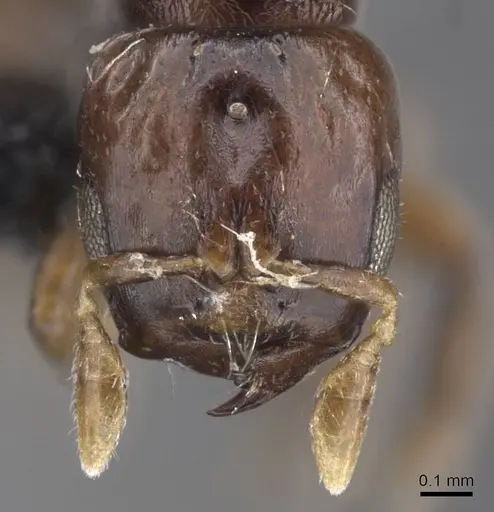
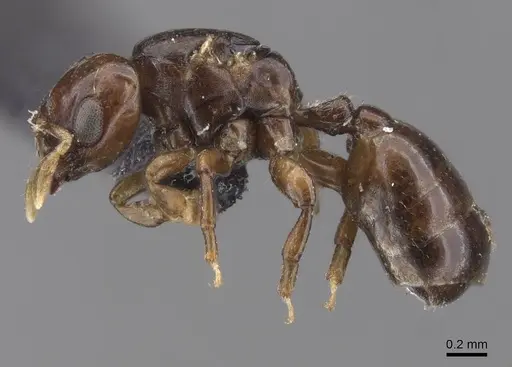
Melissotarsus weissi is a small myrmicine ant native to the Afrotropical region, found across Central Africa including Congo, Democratic Republic of Congo, Ghana, Ivory Coast, and Kenya. Workers measure about 2.3-3.0mm and have a distinctive appearance with an enlarged first tarsal article on each leg. These ants are remarkable for their completely subterranean lifestyle - they live in networks of galleries they dig beneath the bark of living trees, and workers never forage on the surface. Their most unusual feature is their walking method: they progress on their front and hind legs with the middle pair projecting upward, in contact with the gallery ceiling. This makes them stagger badly when placed on flat surfaces. What makes this species particularly unusual is their farming relationship with scale insects (Diaspididae). Unlike most ants that tend coccids for honeydew, Melissotarsus actually eat the scale insects they farm inside their galleries. They also produce silk from head glands - the only known case of silk production by adult ants - which they use to seal cracks and plug exit holes in their galleries . This species uses a smear defense mechanism, applying venom with a modified stinger rather than stinging [Myrmicinae default].
Quick Summary
- Difficulty: Expert
- Origin & Habitat: Afrotropical region, found in Congo, Democratic Republic of Congo, Ghana, Ivory Coast, and Kenya. They nest in galleries under the bark of living trees, tunneling through healthy wood beneath the surface [2][3].
- Colony Type: Polygynous colonies with multiple physogastric (egg-laying) queens that maintain territories over 1m apart. This is the first recorded case of oligogyny in the genus, multiple egg-laying queens tolerated within the same colony but spaced apart [3].
- Size & Growth:
- Queen: ~3.6 mm when physogastric (egg-laying), ~2.7 mm when non-physogastric [3]. Workers are ~2.3-3.0mm [2].
- Worker: ~2.3-3.0mm [2].
- Colony: Extremely large, can reach hundreds of thousands of workers. On mango trees, populations of about 400,000 individuals have been recorded [4].
- Growth: Moderate, colonies expand territory at roughly 21cm radius over two years [3].
- Development: Unconfirmed, specific development timeline has not been documented in research. (Egg length from physogastric queens is 0.49mm. Workers produce smaller eggs at 0.25mm. The species shows asynchronous reproduction with sexual production year-round, though gynes peak in December-January and males in July-August [3][4].)
- Antkeeping:
- Temperature: Tropical species, keep warm at roughly 24-29°C. They are found in warm African climates and require consistently warm conditions.
- Humidity: High humidity within the nest galleries. These ants require the humid microclimate found under tree bark in tropical environments.
- Diapause: No, these are tropical ants that remain active year-round. Sexual production occurs throughout the annual cycle with peaks at different times [4].
- Nesting: These ants require living wood or bark to tunnel through. They cannot be kept in standard formicariums. A naturalistic setup with bark sections or wooden structures that allow gallery excavation is essential. They will not thrive in artificial nests because their entire lifestyle revolves around tunneling through wood and tending scale insects.
- Behavior: Completely subterranean, workers never leave the nest galleries. They are not aggressive and show low intraspecific aggression, even between colonies on different trees. Colonies can fuse together when they expand into each other's territory. Workers perform different tasks based on age: young workers tend brood and queens, middle-aged workers dig galleries (evidenced by worn mandibles), and older workers plug galleries with silk and tend scale insects. They have a unique walking method that makes them unable to move properly on flat surfaces, they walk on front and hind legs with middle legs raised [1]. This species uses a smear defense with venom rather than a painful sting.
- Common Issues: These ants are virtually impossible to keep in captivity, laboratory breeding attempts have been unsuccessful, and they require living wood and scale insects to survive [3]., Their specialized diet of farmed scale insects cannot be replicated with standard ant foods, they will not accept typical protein sources or sugar water., Their unique walking method means they cannot navigate standard formicarium setups, they evolved to walk on bark ceilings, not flat surfaces., They require tropical conditions year-round with high humidity within their galleries., Wild colonies can cause significant damage to trees, they are considered agricultural pests in some areas, tunneling through living wood [4].
Why This Species Is Not Recommended for Captive Keeping
Melissotarsus weissi is one of the most difficult ant species to keep in captivity, and most antkeepers should not attempt it. These ants have evolved an extremely specialized lifestyle that cannot be replicated in a home ant farm. They live their entire lives inside galleries they dig beneath tree bark, and workers never venture outside. Their diet consists entirely of scale insects (Diaspididae) that they farm and eat inside these galleries, they will not accept typical ant foods like sugar water, honey, or protein sources. Research attempts to breed colonies in laboratory conditions have been completely unsuccessful [3]. Additionally, their unique walking method (on front and hind legs with middle legs raised) means they cannot navigate flat surfaces at all, they evolved to walk on the ceilings of their tunnels. Without living wood to tunnel through and a constant supply of scale insects to farm, these ants simply cannot survive.
Unique Silk Production
Melissotarsus weissi produces silk from large glands in their head, the only known case of adult ants producing silk. Workers use this silk to close exit holes and seal cracks in their gallery networks. They apply the silk using specially modified forelegs (enlarged protarsi) that act like spinning tools to pull and weave the silk material [1][5]. This silk production is essential to their lifestyle, allowing them to maintain the integrity of their underground galleries and control access to different areas of the nest. The silk is mixed with wood particles to create plugs that workers can deploy quickly when the colony is threatened or when sealing areas that are no longer needed.
Scale Insect Farming
Unlike most ant-coccid relationships where ants farm the insects for honeydew, Melissotarsus actually eats the scale insects they tend. They farm Diaspididae (armored scale insects) inside their galleries, keeping them as a living food source. Research shows these ants are predators specialized on eating the scale insects rather than collectors of honeydew [1]. On mango trees in Cameroon, populations of about 400,000 ants were associated with roughly similar numbers of scale insects, with ratios of roughly 1:1 between the insects and ants [4]. This farming behavior is essential to their survival, without a constant supply of these specific prey items, the colony cannot feed itself.
Colony Structure and Reproduction
Melissotarsus weissi forms polygynous colonies with multiple egg-laying queens. In mature colonies, physogastric (swollen with eggs) queens are spaced more than 1 meter apart, each controlling their own zone of the colony. This is called oligogyny, multiple queens tolerated but kept separated. Each physogastric queen produces enormous numbers of eggs, with one queen per roughly 5,945 workers in large colonies [3]. The caste ratio is approximately one gyne (winged female) per 83 workers. Sexual production occurs year-round, with gynes produced mostly in December-January and males in July-August [4]. Workers themselves can also lay viable eggs, particularly older workers with worn mandibles, this suggests low within-colony relatedness and a flexible reproductive system [3]. Two physogastric queens were found in one mature colony, and founding colonies sometimes start with two queens (pleometrosis) [3].
Gallery-Tunneling Lifestyle
These ants are among the few ant species specialized for tunneling through live wood. Workers dig chambers and tunnels in both bark and the living wood beneath it. They never forage outside their nest galleries, all foraging, farming, and brood-rearing happens underground [1]. Colonies can become enormous, spreading to the highest branches of trees. The distinctive walking method (front and hind legs on the surface with middle legs raised) allows them to navigate the ceilings of their tunnels. When their mandibles wear down from tunneling, researchers can actually age the workers by examining mandible wear, young workers have sharp mandibles, while older diggers have worn-down mandibles [3].
Colony Growth and Fusion
Melissotarsus colonies show remarkable flexibility in their social organization. New colonies start as incipient colonies covering 10-30cm in diameter, expanding outward at about 21cm radius over two years. When colonies expand into each other's territory, they can fuse together rather than fighting, this has been observed between large main colonies, main and incipient colonies, and even between incipient colonies. On five mango trees studied, researchers documented numerous fusion events where multiple colonies merged into single super-colonies [3]. This low intraspecific aggression allows colonies to grow massive, up to 400,000 individuals on a single tree. The species is considered a threat to tree crop plantations and managed forests due to the damage caused by their tunneling [4].
Frequently Asked Questions
Can I keep Melissotarsus weissi in a test tube or formicarium?
No. These ants cannot be kept in standard ant keeping setups. They require living wood to tunnel through and a constant supply of scale insects (Diaspididae) to eat. Laboratory attempts to breed them have been completely unsuccessful. Their unique walking method also makes them unable to navigate flat surfaces.
What do Melissotarsus weissi eat?
They eat scale insects (Diaspididae) that they farm inside their galleries. Unlike most ants that keep coccids for honeydew, Melissotarsus actually consumes the scale insects as prey. They will not accept typical ant foods like sugar water, honey, or protein sources.
How big do Melissotarsus weissi colonies get?
Extremely large. Colonies can reach hundreds of thousands of workers. On mango trees, populations of approximately 400,000 individuals have been recorded, with densities of 24,900-31,700 ants per square meter of bark.
Do Melissotarsus weissi ants sting?
These ants use a smear defense rather than a painful sting. They have a modified stinger used to wipe venom onto enemies. They are not aggressive toward humans and their small size means they pose minimal threat.
Are Melissotarsus weissi good for beginners?
No. This species is absolutely not suitable for beginners or even experienced antkeepers. They are considered expert-level even for professional researchers, laboratory breeding attempts have failed, and they require living wood and scale insects that cannot be provided in captivity.
Do Melissotarsus weissi need hibernation?
No. These are tropical ants from Central Africa and remain active year-round. They do not enter diapause or hibernation. Sexual production occurs throughout the year with seasonal peaks.
How many queens does Melissotarsus weissi have?
Multiple. This is a polygynous species with multiple physogastric (egg-laying) queens per colony. In large colonies, there is typically one physogastric queen per roughly 5,945 workers, with queens spaced more than 1 meter apart within the colony.
Why do Melissotarsus walk funny?
They walk on their front and hind legs with the middle pair raised upward, in contact with the gallery ceiling. This is their evolved walking method for navigating the ceilings of their tunnels under tree bark. When placed on flat surfaces, they stagger and cannot move properly.
Can I catch a wild Melissotarsus weissi colony?
Extremely difficult. These ants live under tree bark in galleries that are invisible from the surface. Their presence is usually undetectable without cutting into the bark. They are rarely collected and considered one of the more obscure ant species.
What makes Melissotarsus weissi special?
They are one of the only ants that produce silk as adults, they farm and eat scale insects instead of collecting honeydew, they tunnel through living wood (not just dead wood), and they have a completely subterranean lifestyle never leaving their galleries.
Report an Issue
The current care sheet is based fully on literature. See inconsistencies, or something that's incorrect? Please , it will be resolved after review from an admin. Contributing to the blogs tab also helps providing information, to make us be able to further improve the caresheets. Thank you for your support!
References

This caresheet is licensed under CC BY-SA 4.0 .
Community Blogs
CASENT0178294
View on AntWeb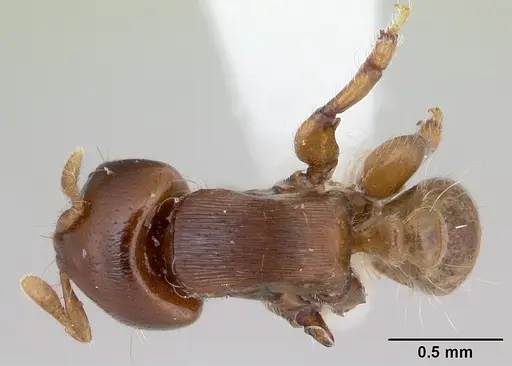
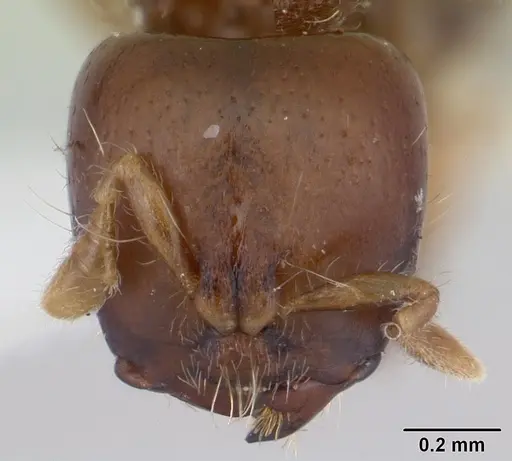
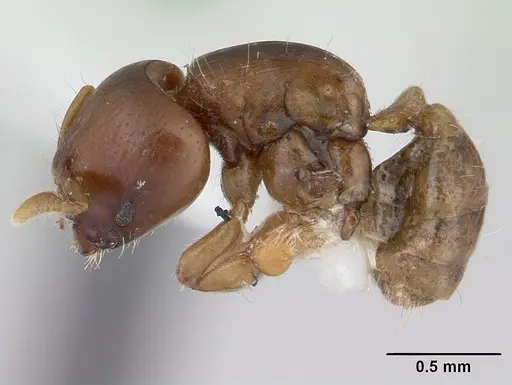
CASENT0401869
View on AntWeb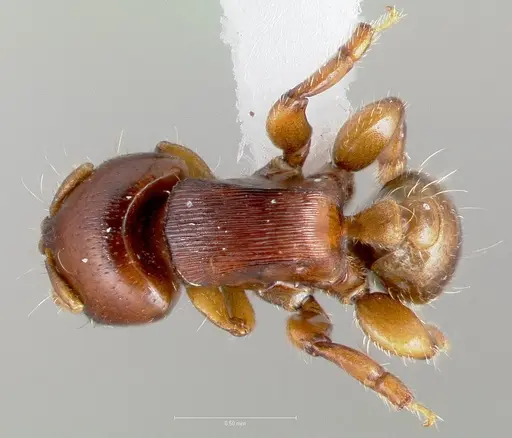
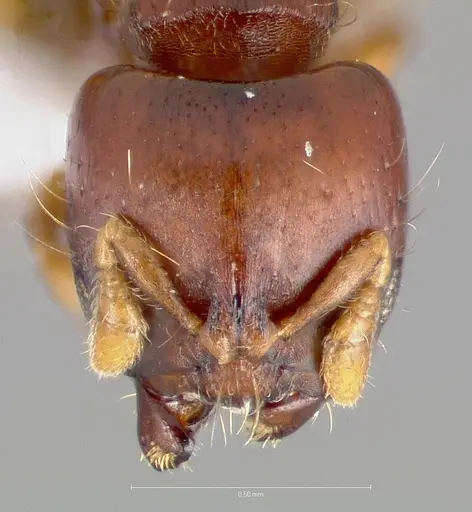
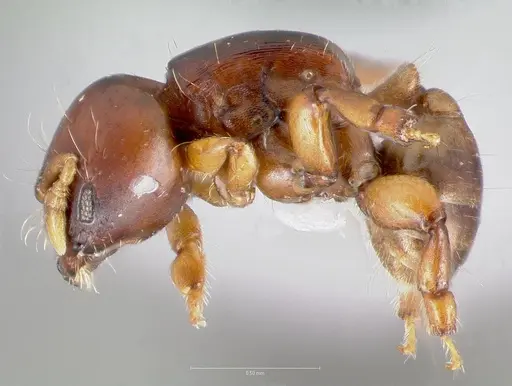
CASENT0913017
View on AntWeb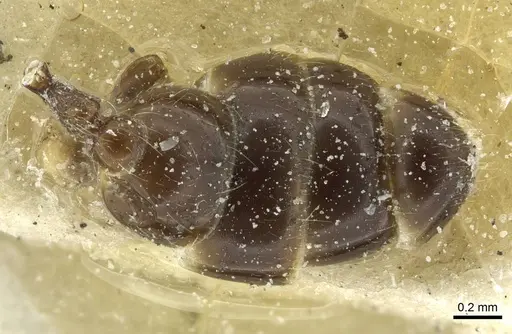
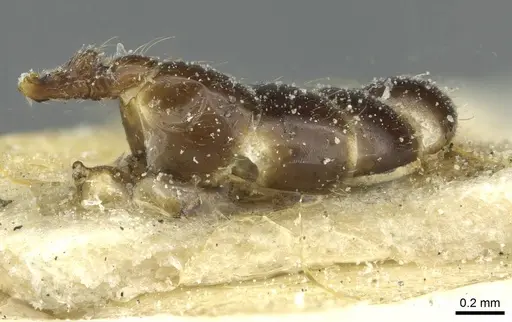
CASENT0913018
View on AntWeb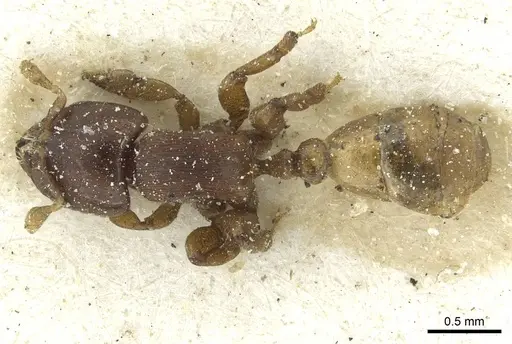
CASENT0913762
View on AntWeb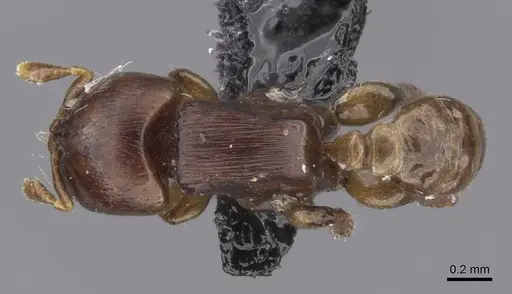
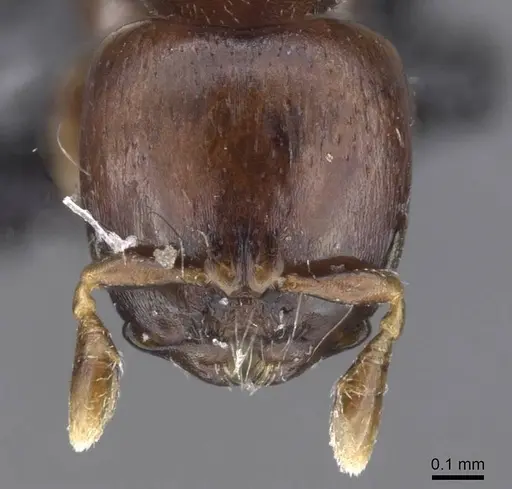
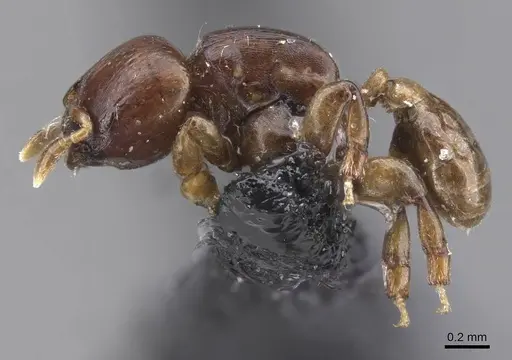
CASENT0913763
View on AntWeb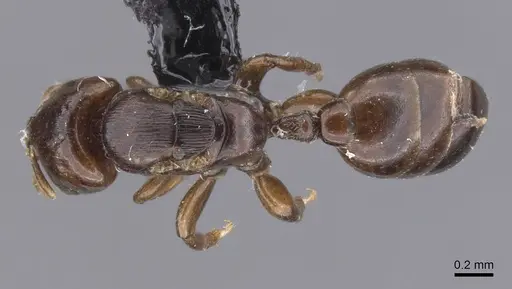
Literature
Loading distribution map...Loading products...