
Megalomyrmex silvestrii
- Sci. Name
- Megalomyrmex silvestrii
- Tribe
- Solenopsidini
- Subfamily
- Myrmicinae
- Author
- Wheeler, 1909
- Distribution
- Found in 11 countries
Introduction
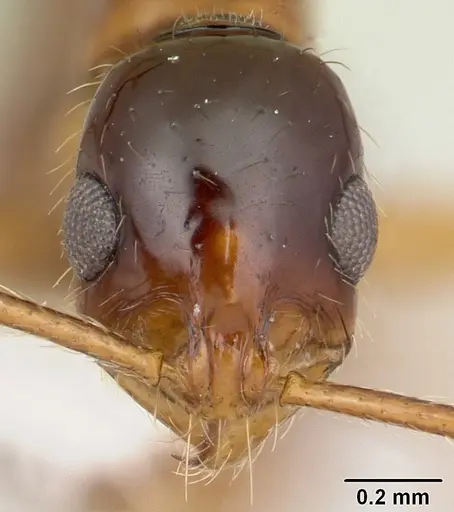
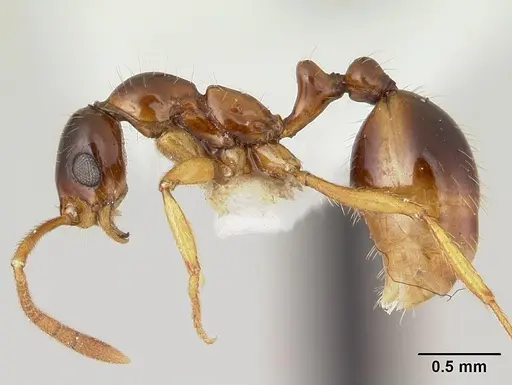
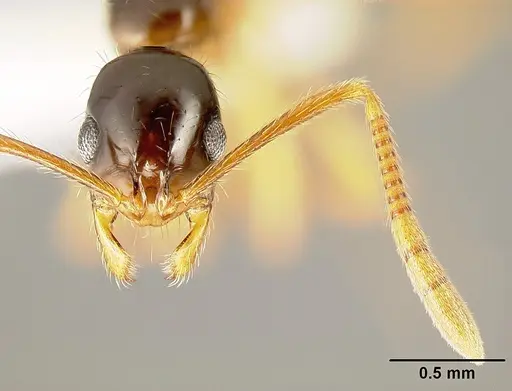
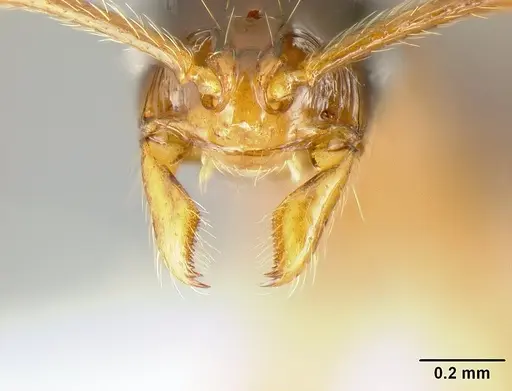
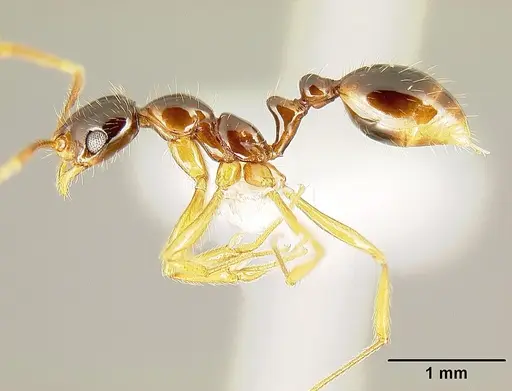
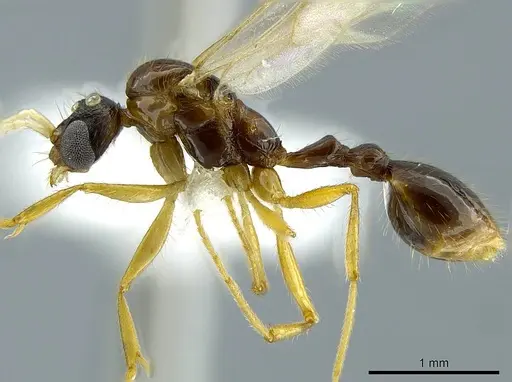
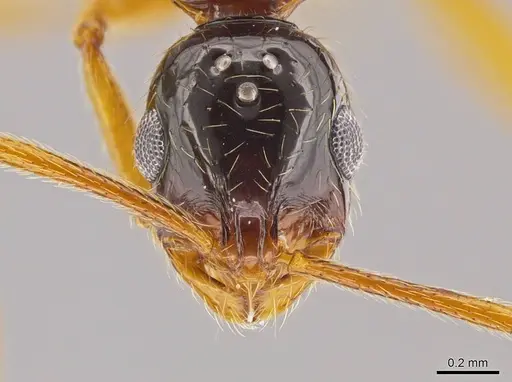
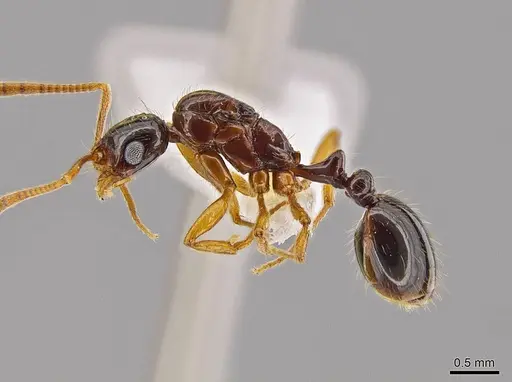
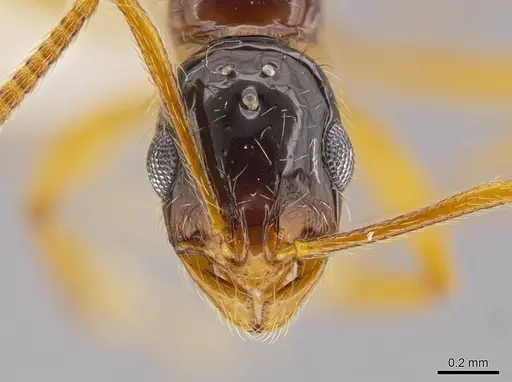
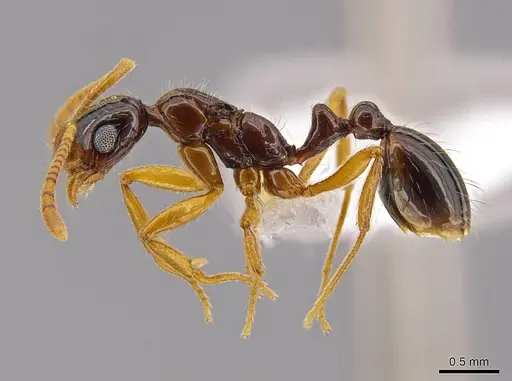
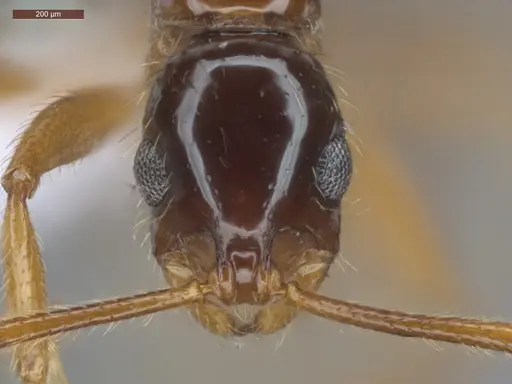
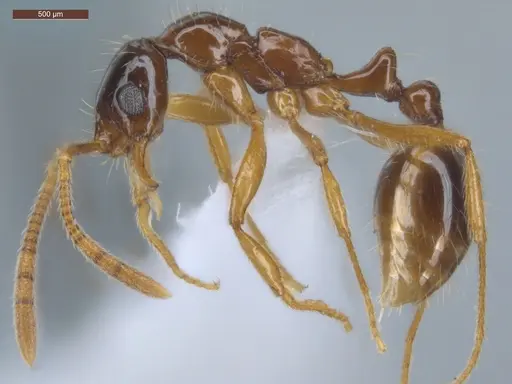
Megalomyrmex silvestrii is a tiny Neotropical ant belonging to the tribe Solenopsidini, known for its remarkable lifestyle as a facultative thief ant. Workers are very small - approximately 2.5-3mm in total length based on genus patterns - with bright yellow mandibles, clypeus, antennae and legs contrasting against a reddish-brown body . The species gets its common name from its behavior of raiding the nests of fungus-growing ants (Attini) to steal their fungal gardens. Unlike true parasites, these ants are mass-foraging predators that specialize in raiding and sometimes occupying the nests of small Attini species like Cyphomyrmex costatus . They use specialized pyrrolizidine alkaloids in their venom to subdue host ants without causing death, inducing playing dead behavior that allows them to peacefully graze on the fungus garden . Colonies are small, typically containing fewer than 100 workers, and can be found nesting independently in small cavities in rotten wood or soil in moist Neotropical forests from Mexico to Argentina .
Quick Summary
- Difficulty: Medium
- Origin & Habitat: Native to the Neotropical region from Mexico to northern Argentina. Found in moist to wet forest habitats from sea level to 1100m elevation. Nests in small chambers in rotten wood or opportunistically in other small cavities in soil [2].
- Colony Type: Facultatively social, colonies can exist independently in self-built nests or associate with fungus-growing ant hosts (Attini). Multiple dealate queens have been found in some colonies (up to 3 queens with 55 workers), suggesting polygynous tendencies. Ergatoid (wingless) queens also occur alongside fully alate queens [2][1].
- Size & Growth:
- Queen: Approximately 3-4mm total length, inferred from Megalomyrmex genus patterns [1].
- Worker: Approximately 2.5-3mm total length, inferred from Megalomyrmex genus patterns [1].
- Colony: Small colonies, typically under 100 workers. One documented colony had 55 workers with 3 queens [2]. One Mexican record shows 36 individuals total [5].
- Growth: Moderate
- Development: Estimated 6-10 weeks at tropical room temperature (24-28°C). No direct development studies exist for this species. (Timeline inferred from related Solenopsidini species. Small colony size suggests relatively slow growth compared to larger Myrmicines.)
- Antkeeping:
- Temperature: Keep at 24-28°C (tropical conditions). This matches their natural range in moist Neotropical forests. A gentle gradient allowing workers to self-regulate is recommended.
- Humidity: High humidity (70-85%). These ants come from moist forest floor habitats. Keep substrate consistently damp but not waterlogged.
- Diapause: No, as a tropical species, they do not require hibernation. Maintain consistent warm, humid conditions year-round.
- Nesting: Small, tight chambers work best. In the wild they nest in small cavities in rotten wood or soil. Y-tong (AAC) nests or small formicarium setups with narrow chambers scaled to their tiny size are appropriate. Provide damp substrate (soil or plaster) to maintain humidity.
- Behavior: Timid but active when disturbed. Workers are fast-moving and will readily flee or hide when threatened. They are not aggressive toward humans and rarely sting. Their small size means they can escape through very small gaps, excellent escape prevention is essential. In captivity they have been kept successfully on Drosophila and honey [1]. As thief ants, they may attempt to raid other ant colonies if housed nearby, so keep isolated.
- Common Issues: escape prevention is critical due to their very small size, they can squeeze through standard mesh barriers, small colony sizes mean losses have bigger impact, start with established colonies rather than trying to found from scratch, humidity must be maintained consistently, drying out quickly kills these moisture-dependent ants, their predatory nature means they need protein prey regularly, sugar alone is insufficient, wild-caught colonies may carry parasites from their native range that can cause problems in captivity
Housing and Nest Setup
Megalomyrmex silvestrii requires small-scale housing due to their tiny size. Workers are only about 2.5-3mm, so even standard test tube setups may need modification to prevent escape. Use test tubes with cotton packed tightly, or small Y-tong (AAC) nests with chambers scaled to their diminutive size. The nest material should hold moisture well, plaster or soil-based substrates work better than acrylic for maintaining the high humidity they need. Provide a small outworld for foraging that is easy to clean and escape-proof. Because they are thief ants with predatory instincts, keep them well away from other ant colonies to prevent unwanted raids. [1][2]
Feeding and Diet
In captivity, M. silvestrii has been successfully maintained on Drosophila (fruit flies) and honey [1]. This confirms their predatory nature and acceptance of both protein and sugar. Feed small live prey items appropriate to their size, fruit flies, pinhead crickets, or other tiny arthropods. They will also likely accept sugar water or honey as an energy source. Unlike true parasites, they do not require a host ant colony to survive in captivity. Feed protein prey 2-3 times per week and provide constant access to sugar water or honey. Remove uneaten prey after 24-48 hours to prevent mold.
Temperature and Humidity
As a Neotropical species from moist forest habitats, M. silvestrii requires warm, humid conditions. Maintain temperatures between 24-28°C year-round, no hibernation or cooling period is needed. Humidity should be kept high at 70-85%. This can be achieved by keeping the nest substrate consistently moist (not wet) and using a water reservoir in test tube setups. Mist the outworld occasionally but avoid letting water pool. A small water dish in the outworld can help maintain humidity. These ants are sensitive to drying out, so monitor substrate moisture regularly and rehydrate before it completely dries. [2]
The Thief Ant Lifestyle
M. silvestrii is classified as a facultative thief ant, they can live independently but also specialize in raiding the nests of fungus-growing ants (Attini), particularly Cyphomyrmex costatus [2][6]. Their venom contains pyrrolizidine alkaloids that act as chemical weapons, causing host ants to play dead or retreat rather than fighting back [3][4]. During raids, a few individuals enter the host colony, quickly graze on the fungus garden (consuming mycelium), and flee with brood. This is not true parasitism, the hosts often survive and can rebuild. In captivity, you do not need to provide host ants, they will thrive on standard prey. However, if you house them near other ant colonies, they may attempt raids, so isolation is recommended.
Behavior and Temperament
Early observers described this species as timid but very active when disturbed [2]. Workers are fast-moving and will readily flee from threats rather than engage. They are not aggressive toward humans and their small size means their sting is rarely felt by keepers. The main concern for antkeepers is escape, at about 2.5-3mm, these ants can squeeze through gaps that larger species cannot. Use fluon on test tube rims, fine mesh on any ventilation, and check connections regularly. Despite their small size, they are active foragers and will readily explore their outworld in search of prey.
Colony Structure and Queens
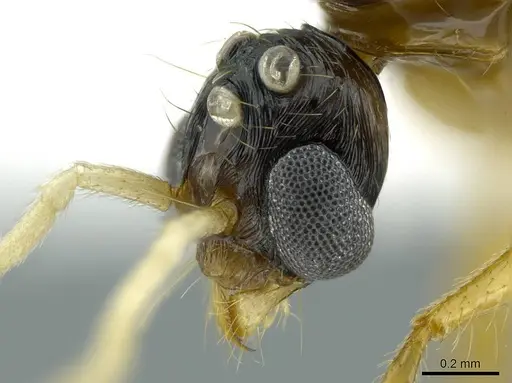
M. silvestrii shows flexibility in colony structure. Colonies have been found with single queens, multiple queens (up to 3 documented with 55 workers), and both alate (winged) and ergatoid (wingless) queens occur [2][1]. Ergatoid queens are worker-like in appearance but have ocelli and larger eyes, allowing them to reproduce without flying. This flexibility means your colony might start with one queen and potentially accept more, or the queen may be replaced by an ergatoid if she dies. Wild colonies are small, typically under 100 workers, so do not expect the massive colonies seen in genera like Camponotus or Solenopsis.
Frequently Asked Questions
How long does it take for Megalomyrmex silvestrii to produce first workers?
Estimated 6-10 weeks from egg to worker at optimal tropical temperatures (24-28°C). No specific development studies exist for this species, so this timeline is based on related Solenopsidini ant patterns. Small colony sizes suggest relatively slow growth compared to faster-developing species.
What do Megalomyrmex silvestrii eat?
They are predatory thief ants that accept both protein and sugar. In captivity they have been fed Drosophila (fruit flies) and honey. Feed small live prey like fruit flies, tiny crickets, or other micro-arthropods 2-3 times per week, and provide constant access to sugar water or honey.
Are Megalomyrmex silvestrii good for beginners?
This species is rated as Medium difficulty. While not the hardest ant to keep, their small size requires excellent escape prevention, and they need consistent warmth and humidity. They are not ideal as a first ant, but experienced antkeepers should find them manageable. Starting with an established colony (rather than trying to found from a queen) is recommended.
Can I keep multiple queens together?
Yes, this species is facultatively polygynous, multiple queens (up to 3) have been documented in wild colonies. However, introducing unrelated queens to an established colony may result in aggression. If you want to try multi-queen setup, introduce all queens at founding stage rather than adding to an existing colony.
Do Megalomyrmex silvestrii need hibernation?
No. As a Neotropical species from moist forest habitats, they do not require hibernation. Maintain consistent tropical conditions (24-28°C) year-round. Unlike temperate species, they are active throughout the year in the wild.
How big do Megalomyrmex silvestrii colonies get?
Colonies remain relatively small, typically under 100 workers. The largest documented wild colony had 55 workers with 3 queens. This is a small colony size compared to many common ant species, so do not expect massive swarms.
Why are my Megalomyrmex silvestrii escaping?
Their tiny size (about 2.5-3mm) means they can escape through the smallest gaps. Use fluon on test tube rims, fine mesh (at least 0.5mm or smaller) on any ventilation, and check all connections. Even standard ant keeping equipment may have gaps too large for these minute ants.
What is the best nest type for Megalomyrmex silvestrii?
Small, tight chambers scaled to their tiny size work best. Y-tong (AAC) nests with narrow passages, small formicariums, or modified test tube setups work well. The nest material should hold moisture to maintain high humidity (70-85%). Plaster or soil-based nests are preferable to dry acrylic setups.
Report an Issue
The current care sheet is based fully on literature. See inconsistencies, or something that's incorrect? Please , it will be resolved after review from an admin. Contributing to the blogs tab also helps providing information, to make us be able to further improve the caresheets. Thank you for your support!
References

This caresheet is licensed under CC BY-SA 4.0 .
Community Blogs
CASENT0106196
View on AntWeb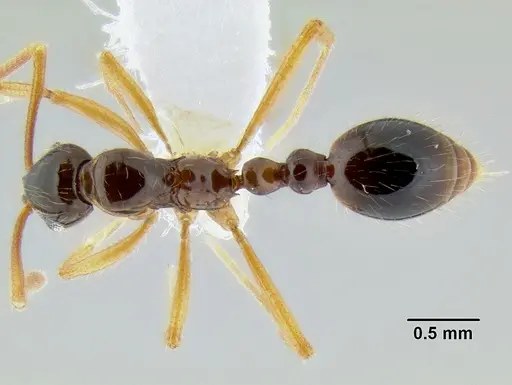
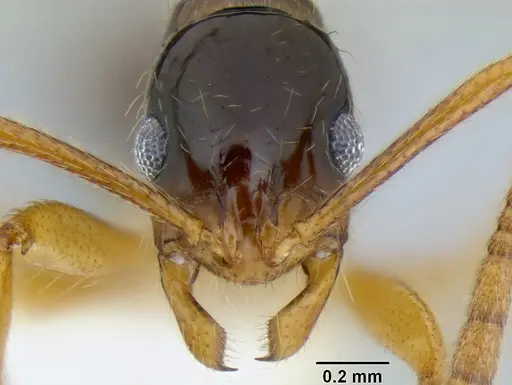
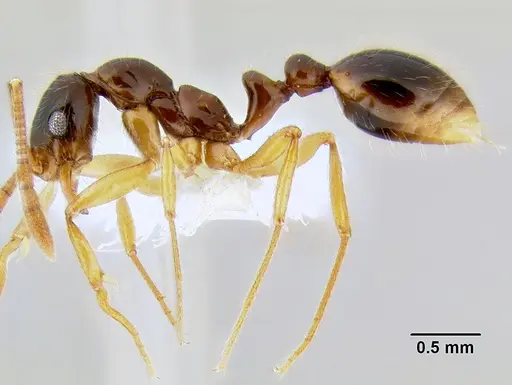
CASENT0173976
View on AntWeb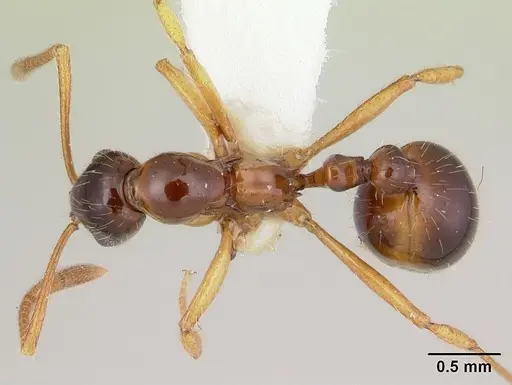
CASENT0611264
View on AntWeb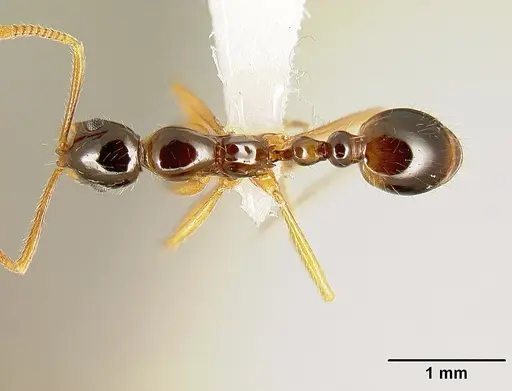
CASENT0611418
View on AntWeb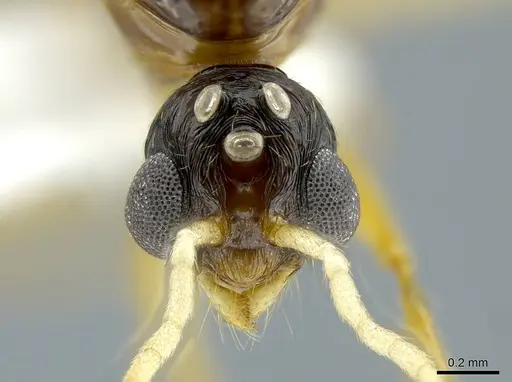
CASENT0625314
View on AntWeb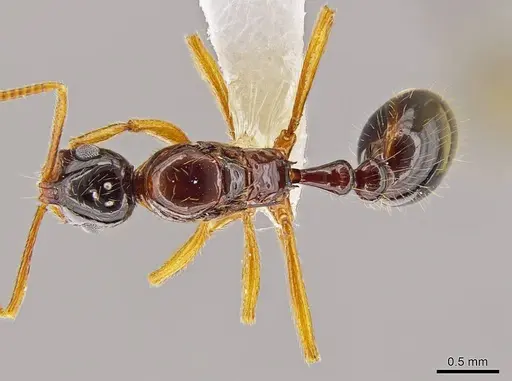
CASENT0625330
View on AntWeb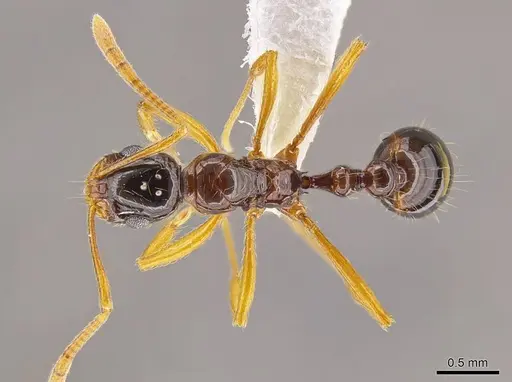
CASENT0629673
View on AntWeb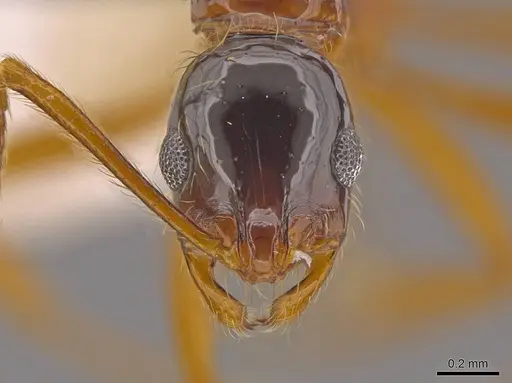
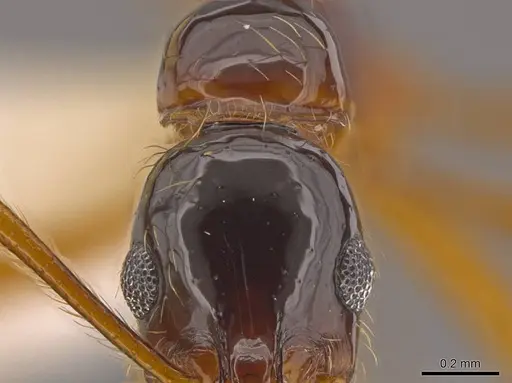
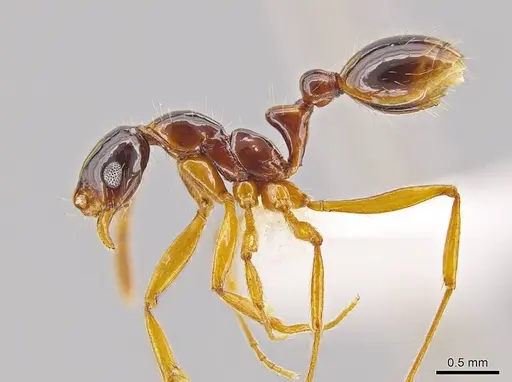
CASENT0913546
View on AntWeb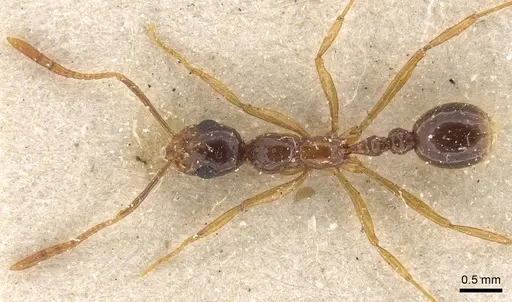
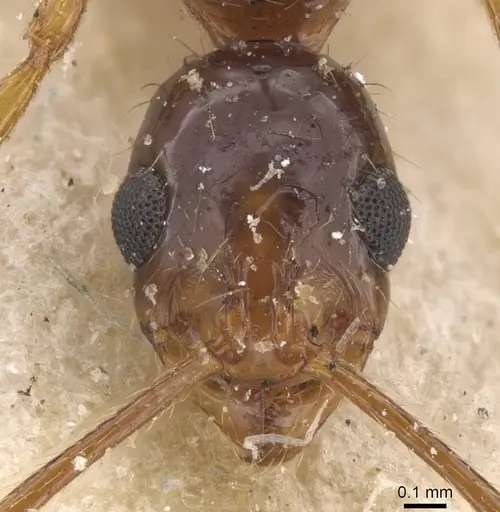
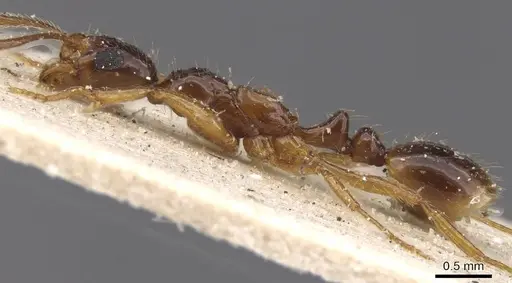
CBUMAGENT41864
View on AntWeb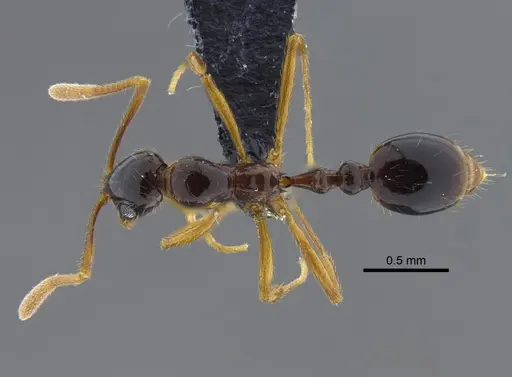
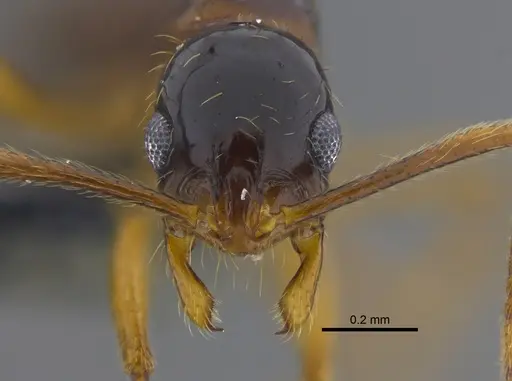
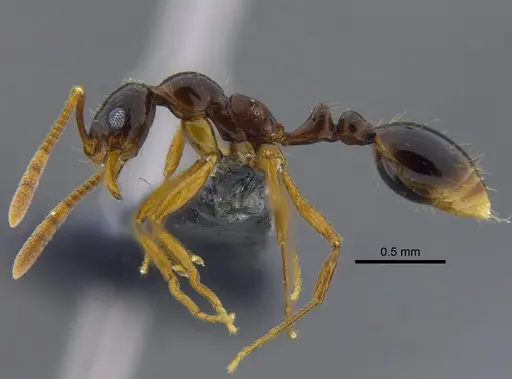
ECOFOG-PA14-0178-07
View on AntWeb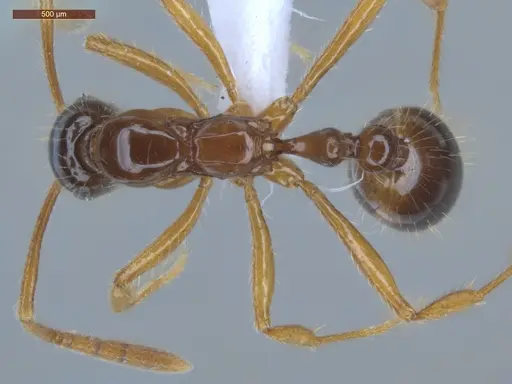
Literature
Loading distribution map...Loading products...