
Megalomyrmex mondaboroides
- Sci. Name
- Megalomyrmex mondaboroides
- Tribe
- Solenopsidini
- Subfamily
- Myrmicinae
- Author
- Longino, 2010
- Distribution
- Found in 4 countries
Introduction
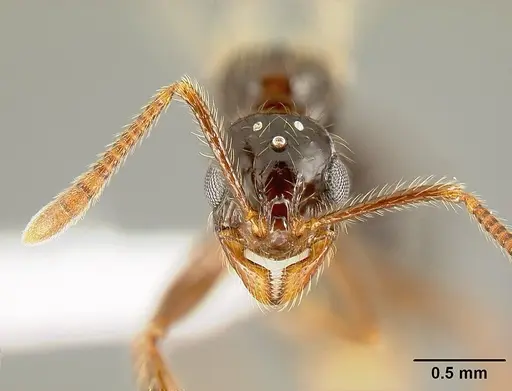
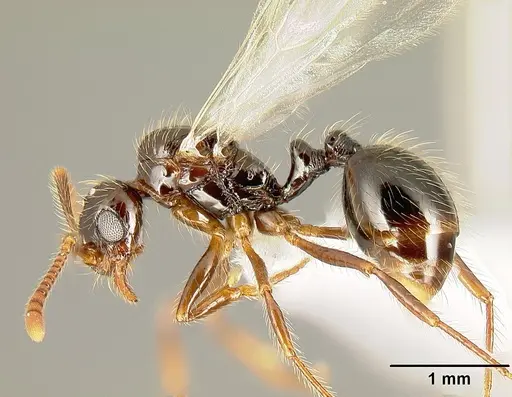
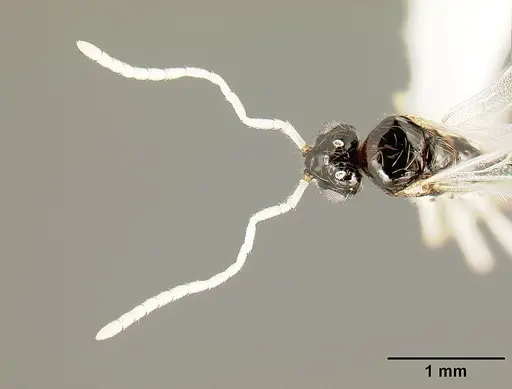
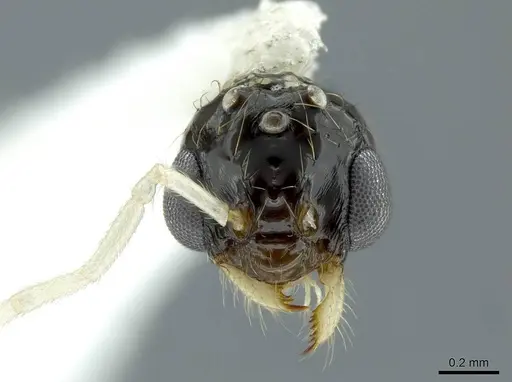
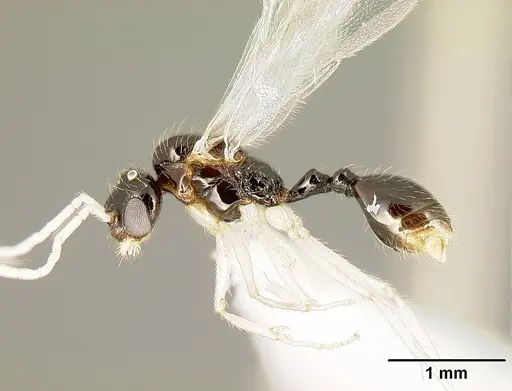
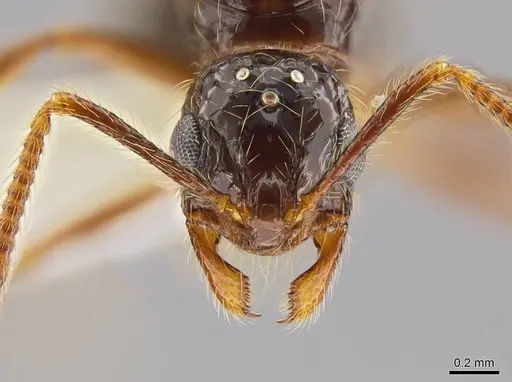
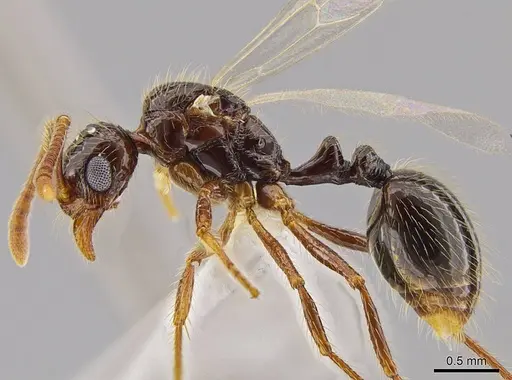
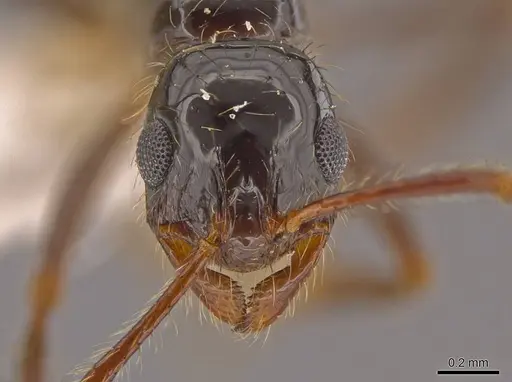
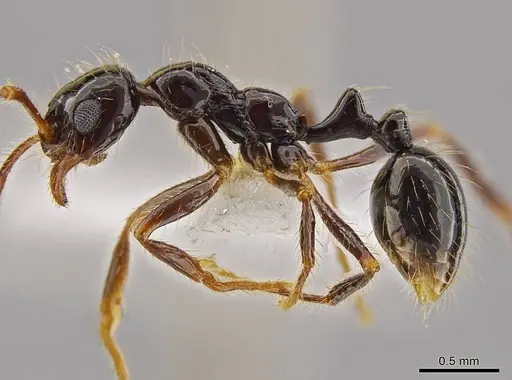
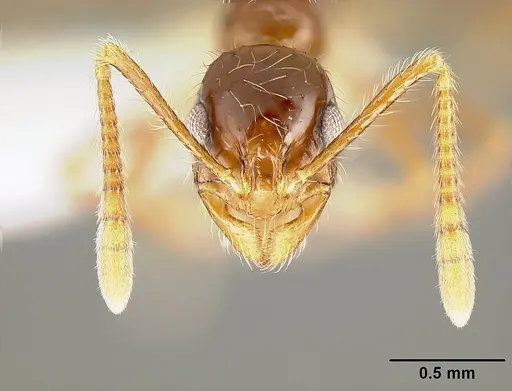
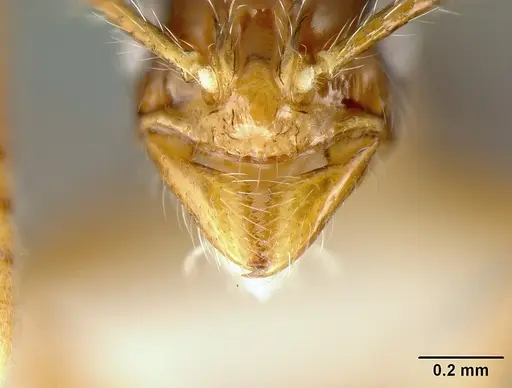
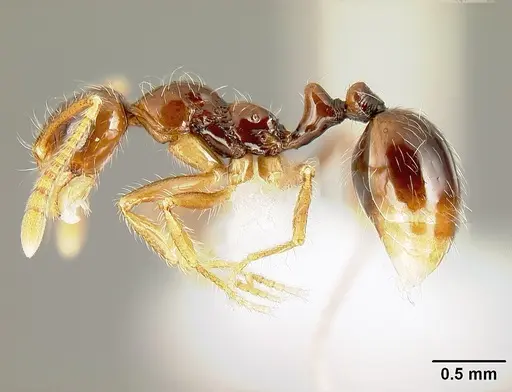
Megalomyrmex mondaboroides is a tiny thief ant species native to the Neotropical region, found in Costa Rica, Panama, and Peru. Workers are approximately 2-3mm in length, making them one of the smaller ant species kept in captivity. They are a social parasite that lives beside the nests of fungus-farming ants (Cyphomyrmex costatus and Apterostigma goniodes), conducting organized raids to steal fungus garden and brood from their hosts . What makes this species remarkable is their sophisticated raiding behavior. Scouts lead small groups of workers to the host garden in single file, where they quickly graze on the fungal substrate and snatch host brood to carry back to their own nest. They use specialized piperidine alkaloids in their venom that subdue host ants without killing them - the hosts respond by playing dead or retreating, allowing the thieves to feed in peace . This is an expert-level species best suited for antkeepers interested in parasitic ant behavior.
Quick Summary
- Difficulty: Expert
- Origin & Habitat: Lowland wet forests in Costa Rica, Panama, and Peru at elevations from sea level to 300m. Colonies are found nesting in soil beside the nests of fungus-farming ant hosts [1][2].
- Colony Type: Social parasite, colonies live separately from but near host ant colonies. Multiple queens have been documented in association with host colonies [2].
- Size & Growth:
- Queen: ~3-4mm, inferred from Megalomyrmex genus [1][2]
- Worker: ~2-3mm, inferred from Megalomyrmex genus [1][2]
- Colony: Colonies typically contain around 30 workers in wild associations with hosts. Laboratory colonies have survived 2.5-4 years with host support [2][4].
- Growth: Slow, this is a parasitic species that depends on host resources
- Development: No specific data available. As a parasitic species, their growth is tied to host colony resources [2]. (Development timeline has not been studied. Growth is likely slow and dependent on raiding success)
- Antkeeping:
- Temperature: Keep at 24-26°C, consistent with their lowland tropical origin. Avoid temperature drops below 22°C [1].
- Humidity: High humidity (70-80%) to match wet forest habitat. Keep nest substrate consistently moist but not waterlogged.
- Diapause: No, this is a tropical species that does not hibernate. Maintain warm conditions year-round [1].
- Nesting: Use a naturalistic setup with a separate chamber for the host colony. They nest in soil beside the host nest, not within the host garden. A test tube setup connected to a small host colony chamber works well. Keep nesting area dark and humid [2].
- Behavior: This is a specialized thief ant that conducts organized raids on host fungus gardens. Workers are small but bold, entering host territory to graze on fungal substrate and steal brood. They use venom containing piperidine alkaloids that acts as both a defensive sting and an appeasement chemical, hosts become submissive rather than fighting back [3][4]. They are not aggressive toward humans and their sting is too small to feel. Escape prevention is critical due to their tiny size, they can squeeze through standard barrier setups easily.
- Common Issues: tiny size means escapes are likely without fine mesh barriers, requires maintaining a host colony (Cyphomyrmex or similar) for long-term survival, colonies may fail without access to fungal garden or brood supplements, slow growth and dependence on host resources makes this species difficult for beginners, maintaining two colonies (parasite and host) doubles the care complexity
Housing and Setup
Megalomyrmex mondaboroides requires a dual-colony setup, one chamber for the parasite colony and another for the host colony (Cyphomyrmex costatus or similar fungus-farming ants). The two nests should be connected by a foraging area where raids can occur. Use small test tubes or acrylic nests scaled to their tiny size, chambers should be no more than 2-3mm tall. Escape prevention is critical: use fluon barriers and fine mesh (at least 0.5mm mesh size) as these ants are extremely small. Keep the setup humid and dark, mimicking the under-soil environment they naturally inhabit. A naturalistic setup with soil substrate works well [2].
Feeding and Diet
In the wild, M. mondaboroides feeds primarily on the fungus garden of their hosts and occasionally steals host brood. In captivity, they need access to a functioning Cyphomyrmex host colony to maintain their fungal garden. The parasite colony grazes on the host's fungus and accepts brood supplements from Sericomyrmex, Trachymyrmex, and Acromyrmex colonies [2][4]. You will need to maintain both the parasite and host colonies long-term. Supplement with small amounts of sugar water occasionally, but their primary food source is the fungal garden. Do not expect them to thrive on standard ant feeds alone, they are specialized fungivores.
Raiding Behavior
The most fascinating aspect of this species is their organized raiding behavior. Scouts lead small groups of workers in single file to the host garden. Once there, they move rapidly, ripping out and consuming small bits of fungal mycelium while grabbing host brood to carry back to their nest [3]. They use specialized behaviors to dispense their venom: gaster flagging (vibrating the abdomen at a 45-degree angle), side-swiping sting, and gaster-tucking sting. The piperidine alkaloids in their venom cause host ants to become submissive, playing dead or backing away rather than fighting [3][4]. This allows the thieves to feed with minimal resistance. Expect to observe this behavior regularly if you maintain both colonies.
Host Colony Requirements
Keeping M. mondaboroides successfully requires also keeping a host colony of Cyphomyrmex costatus or a related fungus-farming ant species. These hosts require their own care: they cultivate a fungal garden on leaf litter fragments and need a humid, dark environment. The host colony does not need to be large, laboratory colonies have been maintained with just a small host subcolony [2][4]. Both colonies should be kept in separate but connected setups. The host colony can be fed small pieces of leaf litter, dried grass, or other plant material for fungus cultivation. Without a functional host colony, the parasite colony will not survive long-term.
Long-term Care
Laboratory colonies have been maintained for 2.5-4 years by providing a small host subcolony and weekly brood supplements from other fungus-farming ant species [2][4]. This demonstrates that long-term keeping is possible but requires commitment to maintaining two colonies. Monitor both colonies regularly, the host colony needs to remain healthy to support the parasite. If the host colony declines, the parasite colony will also suffer. Consider having backup host colonies or brood sources available. This species is not suitable for short-term keeping or beginners.
Frequently Asked Questions
Can I keep Megalomyrmex mondaboroides in a test tube setup?
Yes, but you need a dual setup, one test tube for the parasite colony and another connected setup for the host colony (Cyphomyrmex). They cannot survive without access to a host fungus garden [2].
How long do Megalomyrmex mondaboroides live?
Laboratory colonies have survived 2.5-4 years when provided with a host subcolony and brood supplements [2][4].
What do Megalomyrmex mondaboroides eat?
They primarily feed on the fungal garden of their host ants (Cyphomyrmex costatus) and occasionally consume host brood. In captivity, they need access to a functioning host colony's fungus garden [2][4].
Are Megalomyrmex mondaboroides good for beginners?
No. This is an expert-level species that requires maintaining two colonies (parasite and host), understanding specialized raiding behavior, and providing specific fungal diet. Beginners should start with easier species like Lasius or Tetramorium [2].
Do Megalomyrmex mondaboroides need hibernation?
No. As a tropical species from lowland wet forests, they do not hibernate. Keep them warm year-round at 24-26°C [1].
Why are my Megalomyrmex mondaboroides dying?
The most likely cause is host colony decline, without a healthy host colony with a functioning fungus garden, they cannot survive. They may also escape due to their tiny size, or die if humidity drops too low. Check that your host colony is healthy and producing fungus [2][4].
Can I keep multiple queens together?
In the wild, multiple queens have been found associated with host colonies [2]. However, combining unrelated foundress queens has not been documented and is not recommended.
How fast do Megalomyrmex mondaboroides grow?
Growth is slow and tied to successful raids on host resources. No specific development timeline has been documented. Expect gradual growth over months rather than rapid expansion [2].
Report an Issue
The current care sheet is based fully on literature. See inconsistencies, or something that's incorrect? Please , it will be resolved after review from an admin. Contributing to the blogs tab also helps providing information, to make us be able to further improve the caresheets. Thank you for your support!
References

This caresheet is licensed under CC BY-SA 4.0 .
Community Blogs
CASENT0613229
View on AntWeb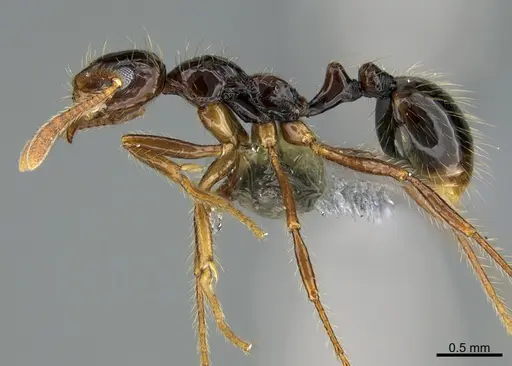
CASENT0613246
View on AntWeb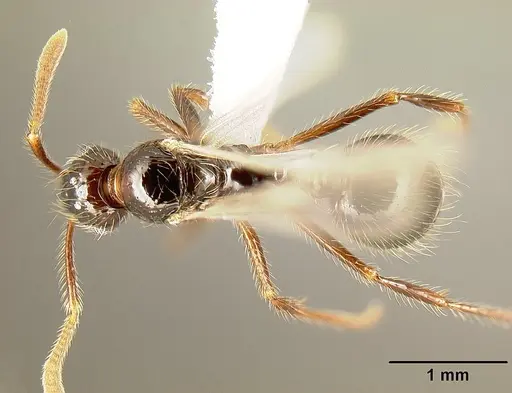
CASENT0613247
View on AntWeb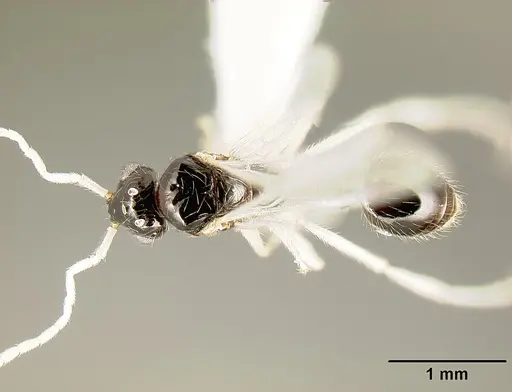
CASENT0631025
View on AntWeb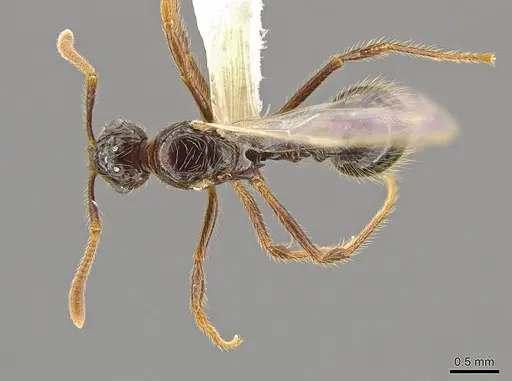
INB0003622334
View on AntWeb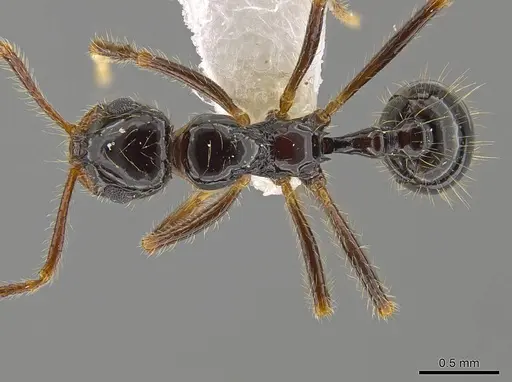
JTLC000015325
View on AntWeb
Literature
Loading distribution map...Loading products...