
Megalomyrmex megadrifti
- Sci. Name
- Megalomyrmex megadrifti
- Tribe
- Solenopsidini
- Subfamily
- Myrmicinae
- Author
- Boudinot <i>et al.</i>, 2013
- Distribution
- Found in 7 countries
Introduction
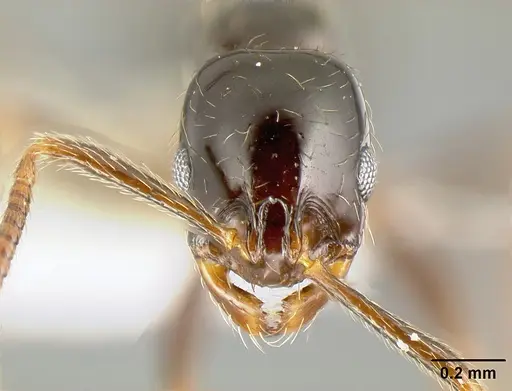
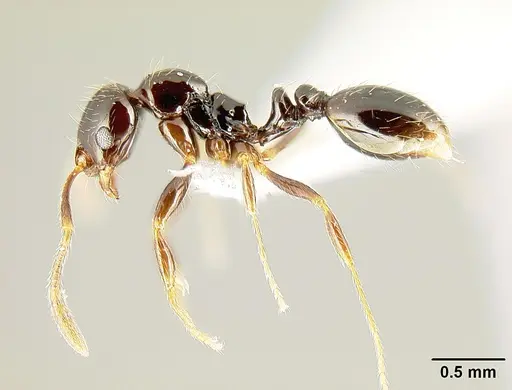
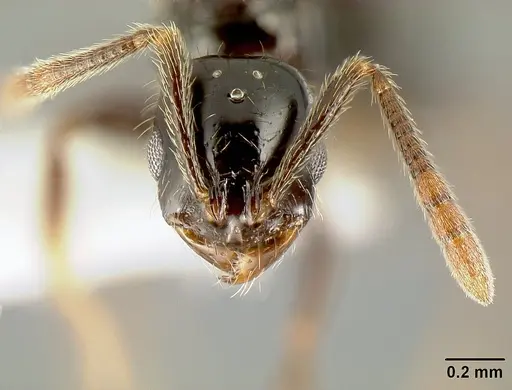
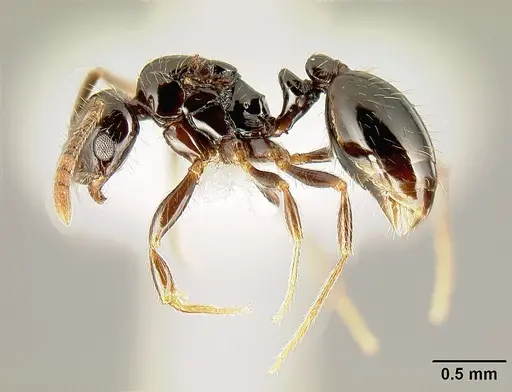
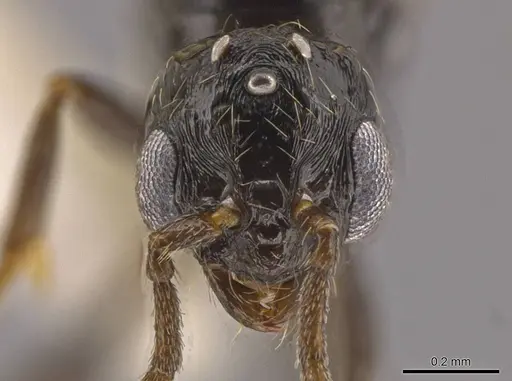
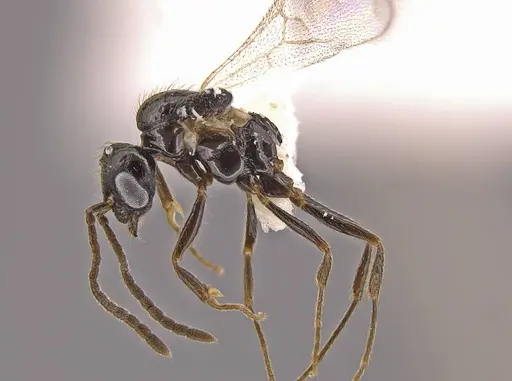
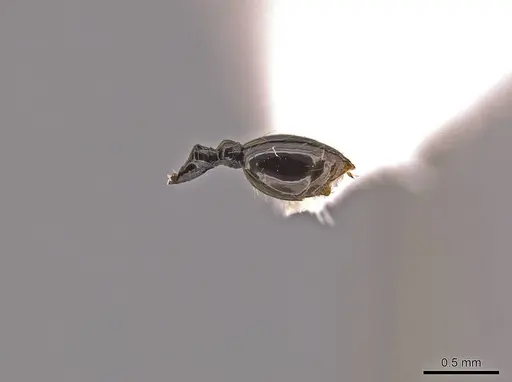
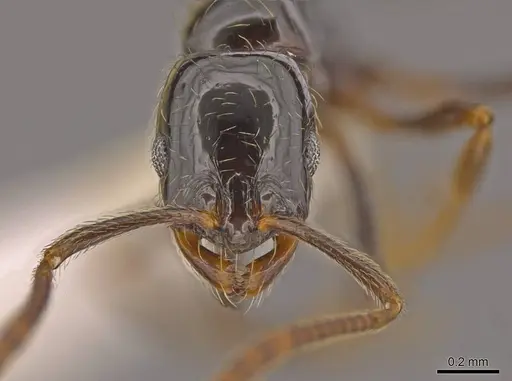
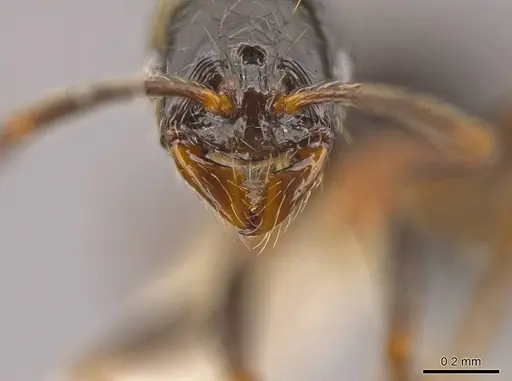
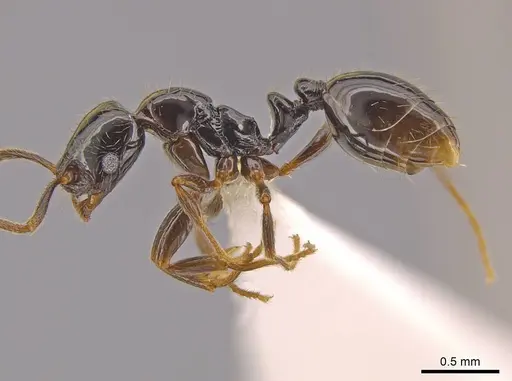
Megalomyrmex megadrifti is a tiny ant species native to Central America, ranging from southern Mexico down to Costa Rica, with additional records in Colombia and Argentina. Workers are very small - size data is limited to head measurements, but based on genus patterns they are likely around 2-3mm total length. They belong to the pusillus species group and are identified by their smooth, shining katepisternum and 5-7 small teeth near the mandible tip. These ants live in rainforests and cloud forests from sea level up to 1520m elevation, typically nesting in twig cavities or leaf litter. The species was only described in 2013,so much of their biology remains undocumented in scientific literature.
Quick Summary
- Difficulty: Medium
- Origin & Habitat: Central American rainforests and cloud forests from southern Mexico to Costa Rica, also Colombia and Argentina. Found from sea level to 1520m elevation [1].
- Colony Type: Colony structure is unconfirmed. Based on collection data (queens, workers, and males found together in Winkler samples), they likely form small colonies typical of leaf-litter nesting Myrmicinae.
- Size & Growth:
- Queen: size data unavailable, inferred from Megalomyrmex genus (~2-3mm total length)
- Worker: size data unavailable, inferred from Megalomyrmex genus (~2-3mm total length)
- Colony: Unknown, likely small colonies based on leaf-litter nesting habits
- Growth: Unknown
- Development: Unknown (No development data exists for this recently described species.)
- Antkeeping:
- Temperature: Keep around 24-27°C, these are tropical forest ants that need warm, stable conditions.
- Humidity: High humidity required, think damp rainforest floor. Keep nest substrate consistently moist but not waterlogged.
- Diapause: No, as a tropical species, they do not require hibernation. Maintain warm conditions year-round.
- Nesting: Likely twig or leaf-litter nester in the wild. In captivity, a small Y-tong (AAC) nest or plaster nest with tight chambers scaled to their tiny size works well.
- Behavior: Behavior is poorly documented. Based on genus patterns, they are likely predatory on small arthropods. They have a sting but given their tiny size, any sting would likely be imperceptible to humans. Their tiny size means escape prevention must be excellent, use fine mesh and tight-fitting barriers.
- Common Issues: tiny size makes escape likely without fine mesh barriers, limited available care information due to recent species description, high humidity needs can lead to mold if ventilation is poor, slow colony growth may cause keepers to overfeed or disturb the nest, wild-caught colonies may have parasites that are difficult to treat
Housing and Nest Setup
Megalomyrmex megadrifti is a tiny leaf-litter nesting species, so your setup needs to match their small size and humid preferences. A small Y-tong (AAC) nest or plaster formicarium works well, the chambers should be tight and narrow, not spacious. These ants are too small for standard test tube setups, as they can easily slip through gaps. Use fine mesh on any ventilation holes and ensure all connections are sealed. Place the nest in a dark area, as they prefer dim conditions similar to the forest floor where they naturally live. The outworld should be small and simple, a foraging area just large enough for a feeding dish. Because of their tiny size, escape prevention is critical. Even small gaps that would not concern larger ant species can allow these ants to slip through. [1]
Feeding and Diet
The diet of M. megadrifti has not been specifically studied, but Megalomyrmex species are generally predatory or omnivorous. Based on genus patterns, they likely hunt small micro-arthropods in the wild. In captivity, offer small live prey such as springtails, fruit flies, and other tiny insects. You can also offer sugar water or honey occasionally, though acceptance may vary. Protein should make up the majority of their diet. Feed small amounts every 2-3 days, removing any uneaten prey after 24 hours to prevent mold. Because the colony will likely remain small, overfeeding is a common mistake, a little goes a long way with these tiny ants.
Temperature and Humidity
As a tropical species from Central American rainforests and cloud forests, M. megadrifti needs warm and humid conditions. Maintain temperatures around 24-27°C, use a heating cable on one side of the nest if your room temperature is cooler. Create a gentle thermal gradient so workers can regulate their own temperature by moving between warmer and cooler areas. Humidity should be high, the nest substrate should feel consistently damp but never waterlogged. A water tube attached to the nest provides drinking water and helps maintain humidity through evaporation. Avoid placing the setup near air conditioning or heating vents that could cause rapid temperature swings. These ants are adapted to stable conditions in the forest understory. [1]
Colony Development and Expectations
Since this species was only described in 2013,captive breeding information is extremely limited. Based on their small size and likely leaf-litter nesting habits, expect colonies to remain relatively small. Growth will likely be slower than larger ant species. The founding queen will lay a small number of eggs and raise the first workers (nanitics) alone. Once the first workers emerge, the colony should grow gradually. Do not disturb the queen during the founding phase, these tiny ants are sensitive to vibration and disturbance. Be patient with colony development, as small tropical species often take longer to establish than their larger counterparts. [1]
Defense Mechanism
Megalomyrmex megadrifti belongs to the subfamily Myrmicinae and tribe Solenopsidini. Workers possess a sting and inject venom composed of piperidine alkaloids. However, given their very small size, any sting would likely be imperceptible to humans. They are not considered aggressive and typically flee rather than engage when threatened.
Behavior and Temperament
Specific behavioral observations for M. megadrifti are not documented in scientific literature. However, Megalomyrmex species are generally not aggressive and do not have painful stings. Workers are small and likely forage individually or in small groups through leaf litter. Their tiny size means they are easily overlooked in the wild but can be quite active in captivity. Because they are a recently described species, much of their natural history remains to be observed by antkeepers. Handle colony transfers with care, these small ants can be injured more easily than larger species. They are best observed through magnification due to their diminutive size.
Frequently Asked Questions
How long does it take for Megalomyrmex megadrifti to produce first workers?
The exact development timeline is unknown. This species was only recently described and captive breeding data is limited. Be patient with colony development.
What do Megalomyrmex megadrifti ants eat?
Based on genus patterns, they are likely predatory on small arthropods. Offer live springtails, fruit flies, and other tiny insects. Sugar water or honey may be accepted occasionally. Protein-rich foods should form the bulk of their diet.
What size colony does Megalomyrmex megadrifti reach?
Colony size is not documented. Based on leaf-litter nesting habits, colonies likely remain small.
Do Megalomyrmex megadrifti need hibernation?
No, as a tropical species from Central American rainforests, they do not require hibernation. Keep them warm year-round at 24-27°C.
What is the best nest type for Megalomyrmex megadrifti?
A small Y-tong (AAC) nest or plaster formicarium with tight chambers scaled to their tiny size works best. Avoid large, open spaces. Excellent escape prevention is critical due to their very small size.
Are Megalomyrmex megadrifti good for beginners?
This species is rated Medium difficulty. While their care requirements are straightforward (warm, humid conditions), their recent description means limited care information is available. Their tiny size also requires attention to escape prevention. Beginners may want to start with more established species in the hobby.
Can I keep multiple queens together?
Colony structure (monogyne vs polygyne) has not been documented for this species. It is not recommended to combine unrelated queens, as this has not been studied.
What temperature do Megalomyrmex megadrifti need?
Keep them at 24-27°C. Use a heating cable on one side of the nest to create a gentle gradient if your room temperature is lower. They are tropical forest ants requiring warm, stable conditions.
Where is Megalomyrmex megadrifti found in the wild?
They range from southern Mexico through Guatemala, Belize, Honduras, Nicaragua, Costa Rica, Colombia, and northern Argentina. They live in rainforests and cloud forests from sea level to 1520m elevation.
Why are my Megalomyrmex megadrifti dying?
Common causes include: temperature too low (below 24°C), humidity too low or too high (aim for consistently damp, not wet), escape through tiny gaps, mold from overfeeding or poor ventilation, or stress from disturbance during founding. Review all environmental parameters and minimize nest disturbances.
When should I move Megalomyrmex megadrifti to a formicarium?
Wait until the colony has a decent number of workers and is actively foraging in the outworld. For this tiny species, a small formicarium or Y-tong nest is appropriate from the start if the founding chamber is appropriately sized. Move them when they outgrow whatever container they are currently in.
Report an Issue
The current care sheet is based fully on literature. See inconsistencies, or something that's incorrect? Please , it will be resolved after review from an admin. Contributing to the blogs tab also helps providing information, to make us be able to further improve the caresheets. Thank you for your support!
References

This caresheet is licensed under CC BY-SA 4.0 .
Community Blogs
CASENT0610424
View on AntWeb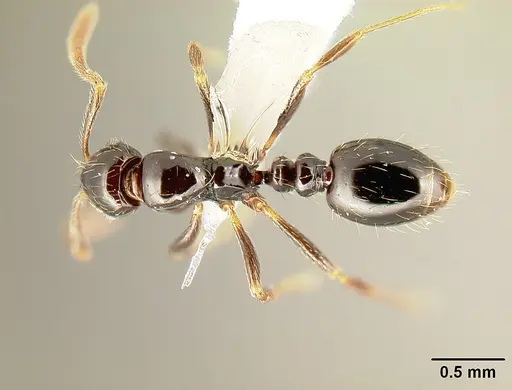
CASENT0611359
View on AntWeb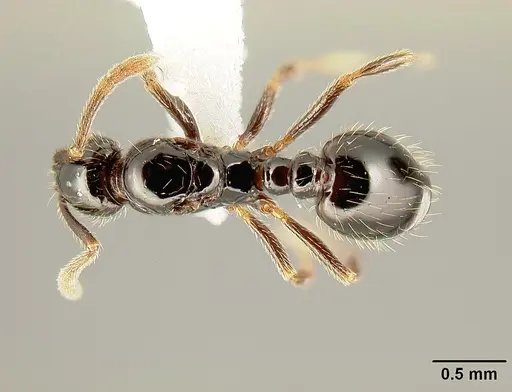
CASENT0630906
View on AntWeb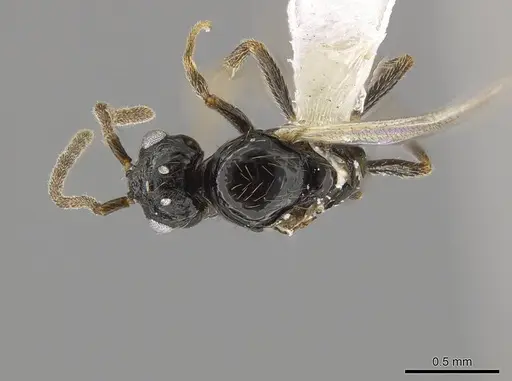
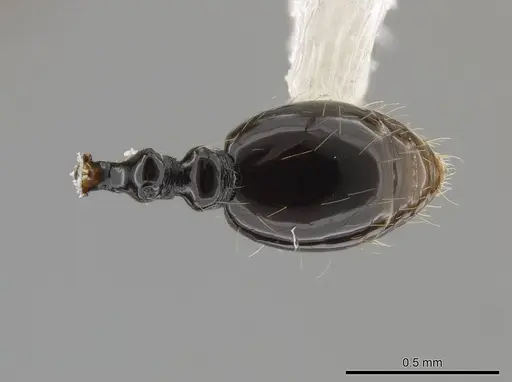
CASENT0630930
View on AntWeb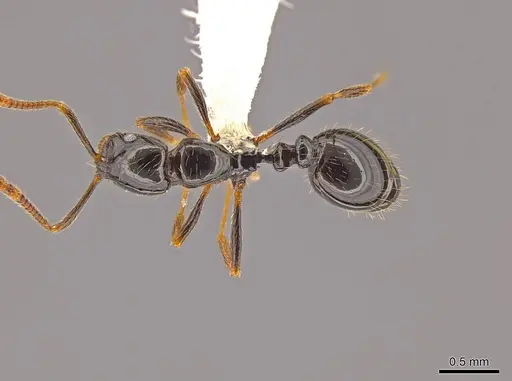
Literature
Loading distribution map...Loading products...