
Megalomyrmex incisus
- Sci. Name
- Megalomyrmex incisus
- Tribe
- Solenopsidini
- Subfamily
- Myrmicinae
- Author
- Smith, 1947
- Distribution
- Found in 9 countries
Introduction
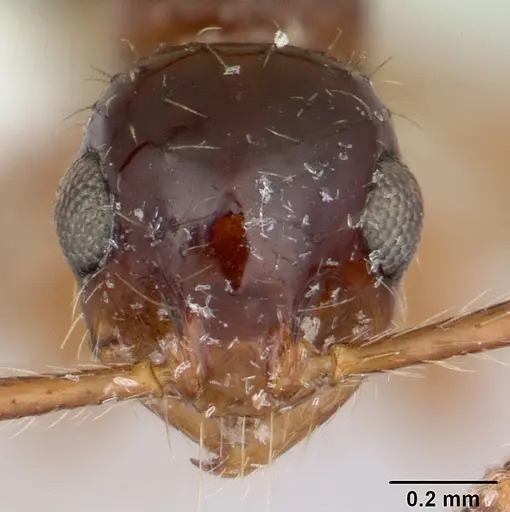
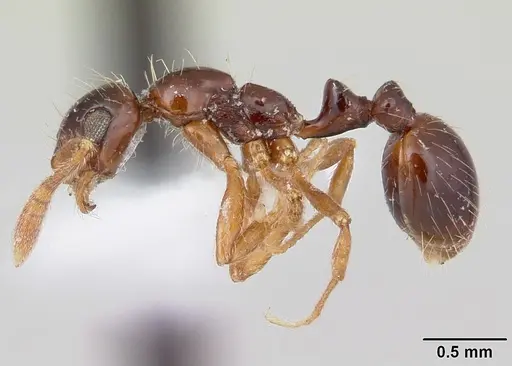
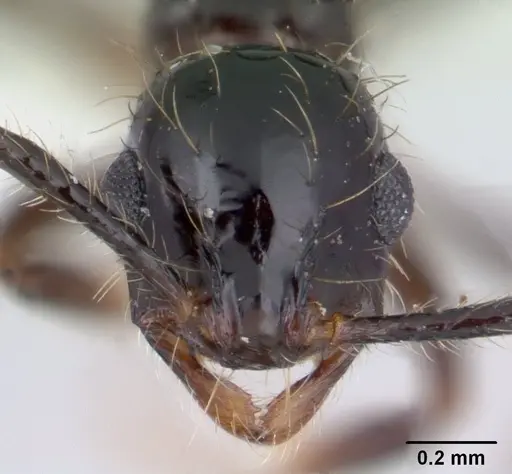
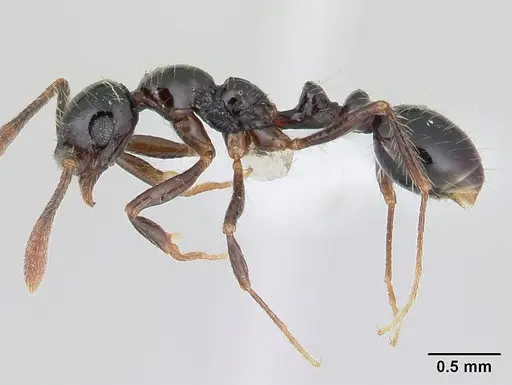
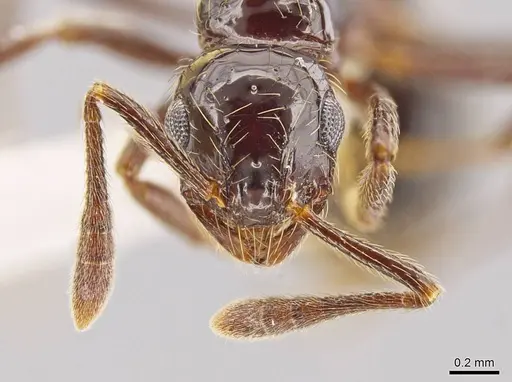
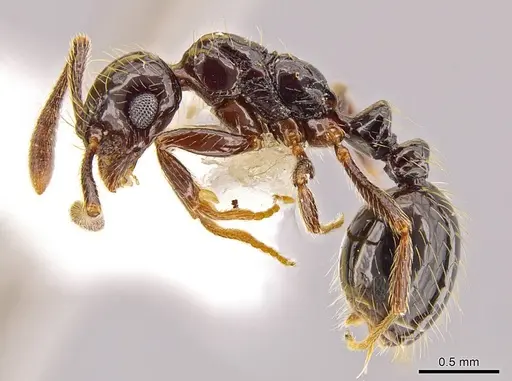
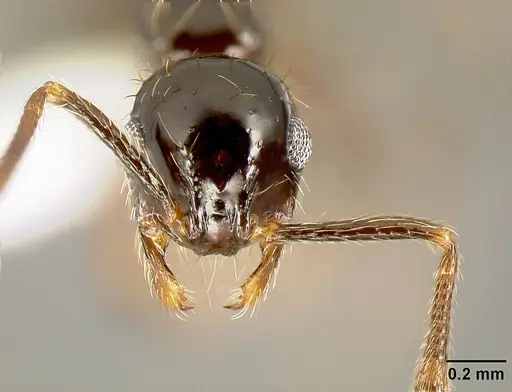
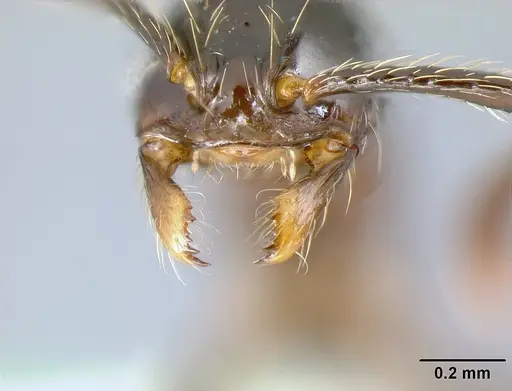
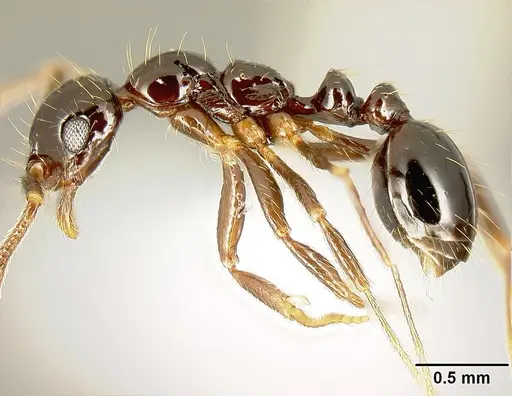
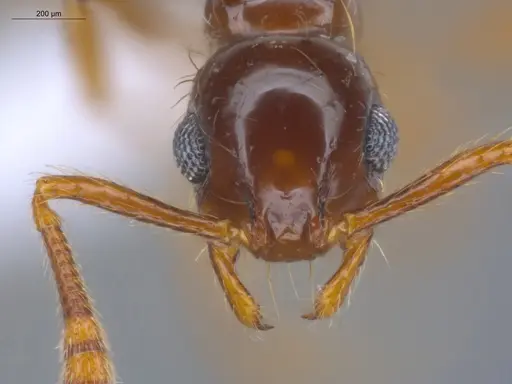
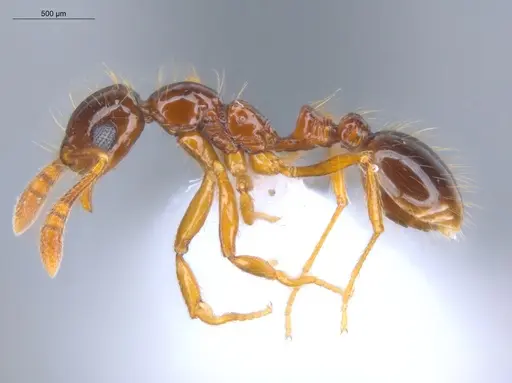
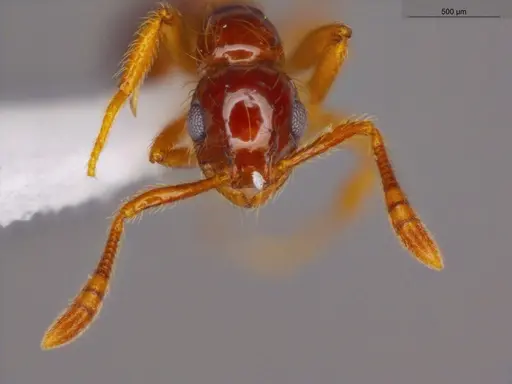
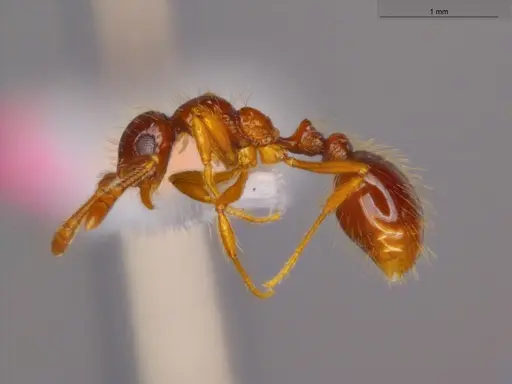
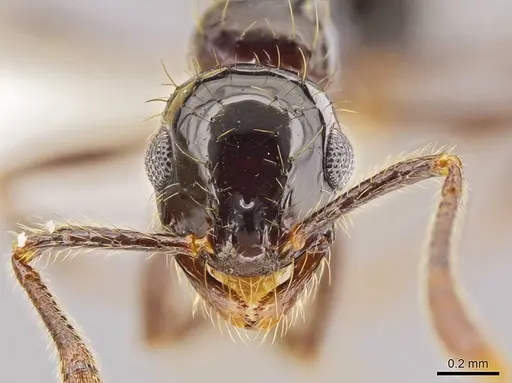
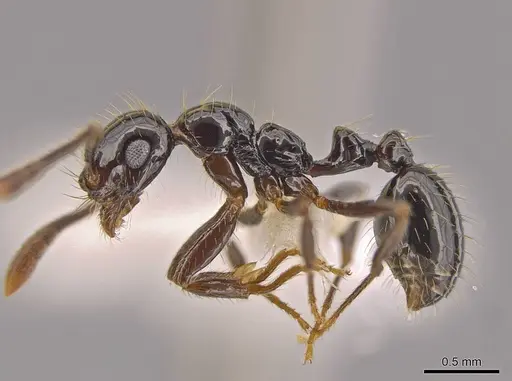
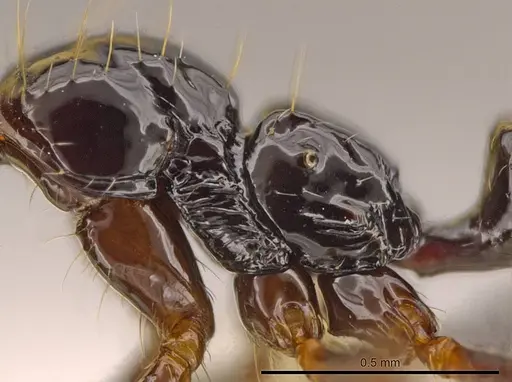
Megalomyrmex incisus is a small, dark ant native to Neotropical rainforests from southern Mexico to central Brazil and Peru, and also found in Trinidad and Venezuela . Workers are solid black with distinctive falcate (curved) mandibles - the second basal tooth is much larger than the surrounding teeth, giving the mandible its characteristic shape . They have a uniquely shaped petiole with a robust wedge-shaped node . This is a leaf-litter dwelling species, most often encountered in Winkler samples of sifted leaf litter from moist to wet forest habitats, from sea level up to 1000 m elevation . Colonies are rarely collected in the wild, and Central American and Ecuadorian populations appear to have only ergatoid (wingless) queens rather than fully winged females . One remarkable colony from Ecuador contained 10 ergatoid queens together with 66 workers, showing that multiple queens can coexist . They show gaster flagging behavior when disturbed, and many wild individuals are covered in unidentified mites .
Quick Summary
- Difficulty: Hard
- Origin & Habitat: Neotropical rainforests from southern Mexico to Peru, Venezuela, and central Brazil, absent in Costa Rica [1]. Found in moist to wet forest habitats from sea level to 1000 m elevation, most commonly in leaf litter on the forest floor [1][2].
- Colony Type: Ergatoid queen system, colonies have been found with multiple wingless ergatoid queens (one Ecuador colony had 10 ergatoid queens with 66 workers) [2][3]. Winged queens have only been documented in Venezuela at higher elevations (1100 m) [3]. Central American populations appear to have only ergatoid reproductives [2].
- Size & Growth:
- Queen: Total body length data unavailable, ergatoid queens have a head width of 0.76–0.78 mm and mesosoma length of 1.06–1.16 mm [2]
- Worker: Total body length data unavailable, workers have a head width of 0.65–0.87 mm and mesosoma length of 0.94–1.18 mm [1][2]
- Colony: Up to 66 workers and up to 10 ergatoid queens documented in wild colonies [2][3]
- Growth: Unknown – likely moderate based on typical small Myrmicinae patterns
- Development: Estimated 6–10 weeks at tropical temperatures (24–28°C). No species-specific data available. (Development timing is unknown – the estimate is based on related Solenopsidini and other small Myrmicinae.)
- Antkeeping:
- Temperature: Tropical species – maintain 24–28°C. Being a lowland rainforest ant from sea level to 1000 m, they prefer warm, stable temperatures [1].
- Humidity: High humidity required – keep nest substrate consistently damp but not waterlogged. These ants live in dead wood and leaf litter on the forest floor, where humidity remains high [1][3]. Mist enclosure regularly and ensure good ventilation to prevent mold.
- Diapause: Unlikely – as a tropical species with no documented diapause requirement. Maintain year-round warm conditions.
- Nesting: Natural nesting occurs in dead wood, twigs, and folded leaves on the forest floor [1][4]. In captivity, a naturalistic setup with moist soil or coco fiber works well. Small test tubes or Y-tong nests with moisture reservoirs are suitable. Avoid acrylic nests.
- Behavior: Shy, cryptic ants that prefer to stay hidden in leaf litter and dead wood. Workers are solitary hunters, foraging individually [5]. When disturbed they show gaster flagging – raising and waving their abdomen [2]. They have a sting (as per subfamily Myrmicinae, tribe Solenopsidini) but are not aggressive and will flee from threats. Escape prevention is important due to their small size (can slip through tiny gaps). Many wild-caught individuals carry mites – quarantine new colonies and monitor [3].
- Common Issues: wild colonies are rarely collected – most cultures come from a handful of wild collections., small size requires good escape prevention despite non-climbing behavior., mites are commonly found on wild-caught colonies – quarantine and monitor new arrivals., tropical humidity needs can lead to mold if ventilation is poor., unknown founding behavior and colony growth rate – likely slow, which may try keeper patience.
Housing and Nest Setup
Megalomyrmex incisus naturally nests in small cavities within dead wood, twigs, and folded leaves on the forest floor [1][4]. For captivity, a naturalistic setup works best: a shallow container filled with moist soil or coco fiber, with pieces of dead wood, twigs, or leaf litter for them to hide in. Keep the substrate consistently damp but not waterlogged. A small test tube with a water reservoir can work if you maintain high ambient humidity. Because they are small and shy, avoid large open spaces – they prefer tight, enclosed spaces like the leaf litter they inhabit. Use a small formicarium (Y-tong or plaster) or a plastic container with good ventilation and moisture control. Never use acrylic nests, they don't hold humidity well enough for this species.
Feeding and Diet
In the wild, Megalomyrmex incisus workers are solitary hunters, actively capturing small prey in the leaf litter [5]. They are predatory on small invertebrates. In captivity, offer small live prey such as springtails, fruit flies, and tiny insects. They will also accept small pieces of mealworm or other protein sources. Sugar sources may be accepted occasionally – offer honey water or sugar water, but protein should be the main diet. Feed small amounts every few days and remove uneaten food to prevent mold. Because the natural diet appears to be primarily predatory, don't rely on sugar water as a staple.
Temperature and Humidity
As a tropical lowland species, Megalomyrmex incisus needs warm, humid conditions. Maintain temperatures in the 24–28°C range, matching their natural range from sea level to 1000 m in Neotropical rainforests [1]. Humidity is critical: keep the nest substrate consistently damp. These ants live in dead wood on the forest floor where humidity stays high. Mist the enclosure regularly and consider a moisture reservoir in your setup. Balance humidity with good ventilation to prevent mold growth. Since they don't require hibernation, keep these conditions steady year-round.
Colony Structure and Reproduction
This species has an unusual colony structure. Instead of typical winged queens, Central American and Ecuadorian populations have ergatoid (wingless) queens [2]. One documented colony from Ecuador contained 10 ergatoid queens living together with 66 workers [2]. This strongly suggests a polygynous (multi-queen) colony structure. However, a winged female was collected in Venezuela at 1100 m elevation, suggesting that at higher elevations or in some populations, fully winged queens may be produced [3]. Ergatoid queens mean colonies can grow through internal reproduction without nuptial flights. If you obtain a colony with multiple ergatoid queens, keep them together – they appear to cooperate rather than fight.
Behavior and Temperament
Megalomyrmex incisus is shy and cryptic, avoiding confrontation. Workers are solitary foragers, hunting individually through leaf litter [5]. When disturbed, they perform gaster flagging – raising the abdomen as a defensive display [2]. As a member of Myrmicinae tribe Solenopsidini, they possess a sting that injects piperidine alkaloids, but they are not aggressive and prefer to flee. Their small size means any sting would be minor. These quiet, subtle behaviors make them interesting for observing ant ecology rather than dramatic displays. They are not suitable for keepers who want visible surface activity.
Acquisition and Quarantine
Full colonies of Megalomyrmex incisus are rarely collected in the wild, making them uncommon in the antkeeping hobby [1]. If you obtain a wild-caught colony, be aware that many workers and ergatoid queens are commonly covered in unidentified mites [2]. Quarantine new colonies and monitor for parasites. Wild colonies may also be stressed from collection and transport, so give them time to settle before expecting normal behavior. Due to their rarity and unknown founding requirements, this species is better suited for experienced keepers who appreciate unusual colony structures, not beginners. Never release this species into the wild if it is not native to your area.
Frequently Asked Questions
How long does it take for Megalomyrmex incisus to develop from egg to worker?
The exact time has not been documented. Based on related Solenopsidini and other small Myrmicinae, expect about 6–10 weeks from egg to first worker at tropical temperatures (24–28°C).
Do Megalomyrmex incisus queens have wings?
Most Central American and Ecuadorian populations only have ergatoid (wingless) queens. However, a winged female was collected in Venezuela at 1100 m, suggesting winged queens may occur in some populations or at higher elevations [2].
Can I keep multiple Megalomyrmex incisus queens together?
Yes, documented colonies show multiple ergatoid queens living together peacefully. One Ecuador colony had 10 ergatoid queens with 66 workers [2]. They appear to cooperate rather than fight, so keep them together if you obtain a colony with multiple queens.
What do Megalomyrmex incisus eat?
They are predatory ants that hunt small invertebrates in leaf litter [5]. In captivity, feed small live prey like springtails, fruit flies, and tiny insects. They may accept honey water occasionally, but protein should be their primary food.
Do Megalomyrmex incisus need hibernation?
No, they are a tropical species from lowland rainforests and do not require hibernation. Maintain warm, humid conditions year-round at 24–28°C.
Are Megalomyrmex incisus good for beginners?
Not really. They are rarely available, have unknown founding requirements, need high humidity, and have slow colony growth. Better suited for experienced antkeepers who enjoy unusual colony structures and subtle behavior.
What is the maximum colony size for Megalomyrmex incisus?
The largest documented colony had about 66 workers and up to 10 ergatoid queens [2]. The maximum is unknown but likely under a few hundred workers given their cryptic leaf-litter lifestyle.
What type of nest is best for Megalomyrmex incisus?
A naturalistic setup with moist substrate (soil or coco fiber) and small pieces of dead wood or twigs works best. Small test tubes or Y-tong nests with moisture reservoirs are also suitable. Avoid acrylic nests. The key is high humidity and small, enclosed spaces that mimic leaf litter cavities [1][4].
Report an Issue
The current care sheet is based fully on literature. See inconsistencies, or something that's incorrect? Please , it will be resolved after review from an admin. Contributing to the blogs tab also helps providing information, to make us be able to further improve the caresheets. Thank you for your support!
References

This caresheet is licensed under CC BY-SA 4.0 .
Community Blogs
CASENT0066434
View on AntWeb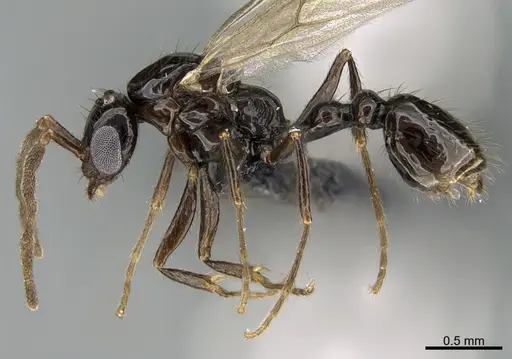
CASENT0173975
View on AntWeb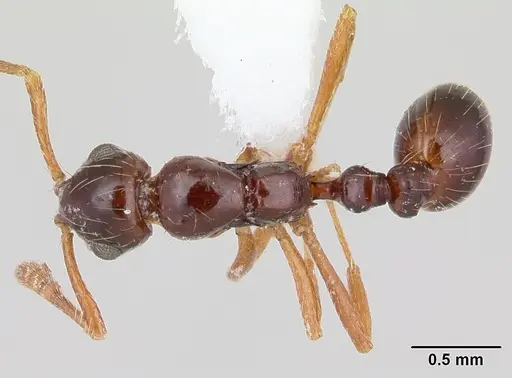
CASENT0178668
View on AntWeb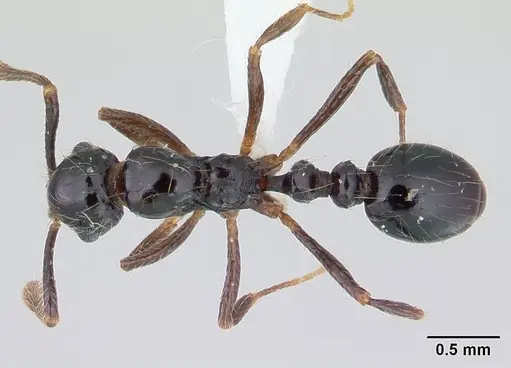
CASENT0601730
View on AntWeb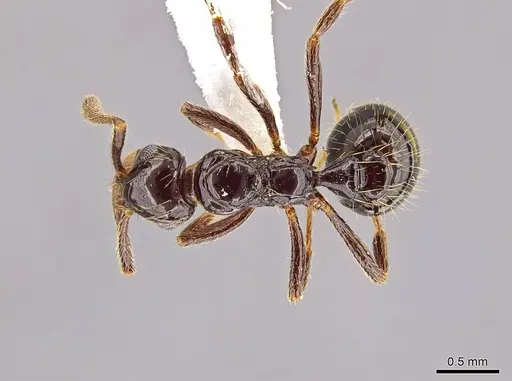
CASENT0611424
View on AntWeb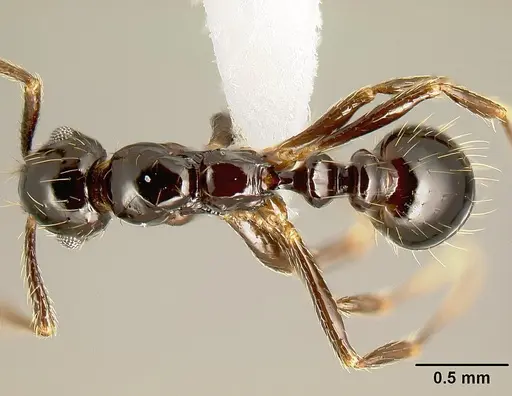
CASENT0614216
View on AntWeb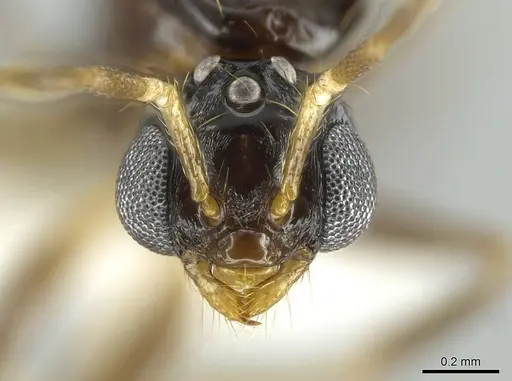
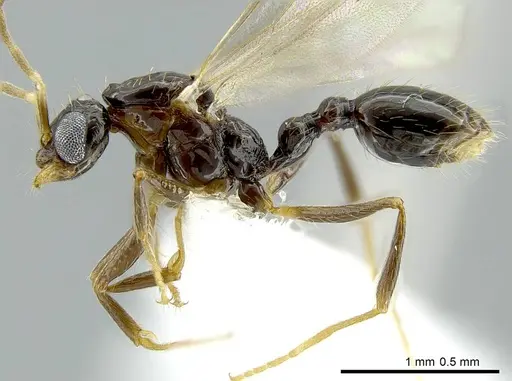
CBUMAGENT41866
View on AntWeb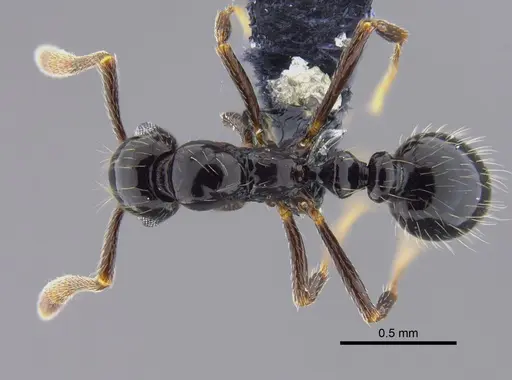
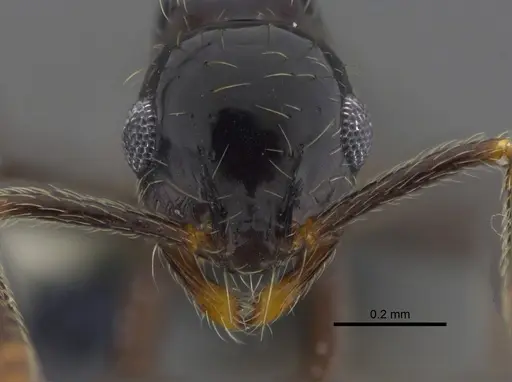
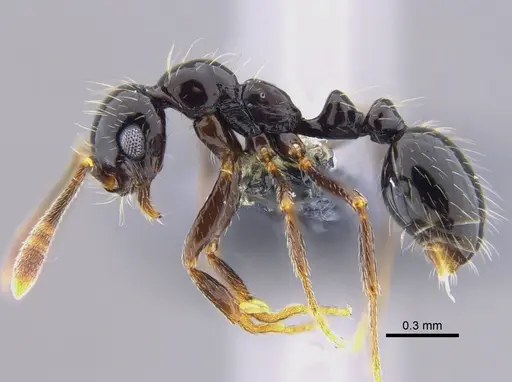
ECOFOG-BAF19-0067-22
View on AntWeb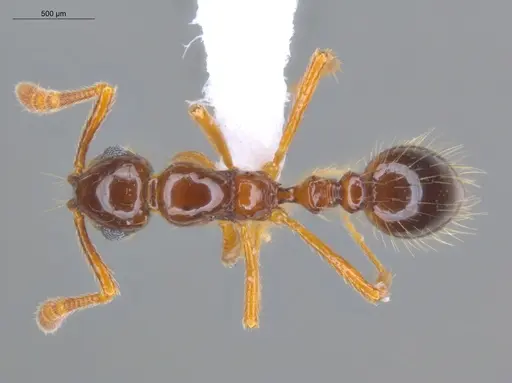
ECOFOG-SGR-GP2W37-10
View on AntWeb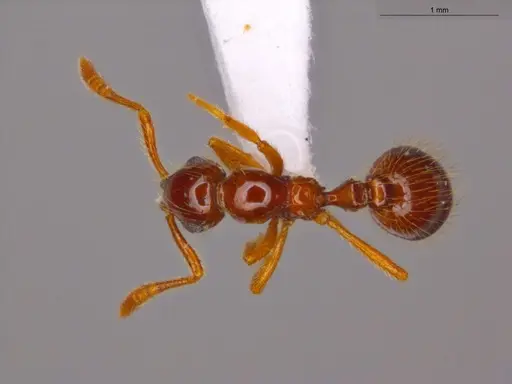
JTLC000014345
View on AntWeb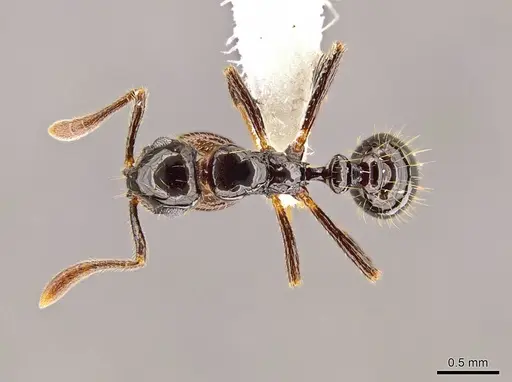
Literature
Loading distribution map...Loading products...