
Megalomyrmex glaesarius
- Sci. Name
- Megalomyrmex glaesarius
- Tribe
- Solenopsidini
- Subfamily
- Myrmicinae
- Author
- Kempf, 1970
- Distribution
- Found in 2 countries
Introduction
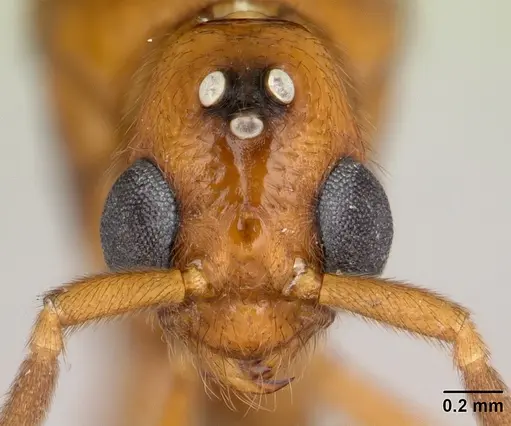
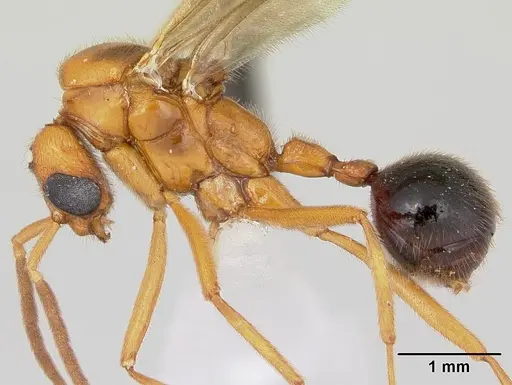
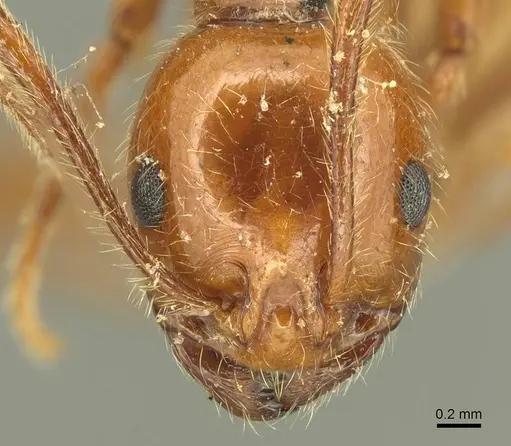
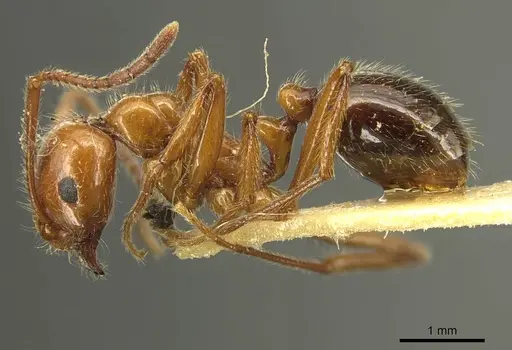
Megalomyrmex glaesarius is a small Neotropical ant species native to the Andes mountain region of Peru, Ecuador, and Colombia. Workers display a distinctive bright reddish-brown coloration with a notably darker, almost shiny black gaster (abdomen). This species belongs to the leoninus species group and has an unusual social structure - unlike most ants, true queens have never been found in this group. Instead, reproduction is handled by gamergates, which are workers specialized for reproduction that can lay eggs to sustain the colony . They inhabit high-altitude areas above 2000m in arid localities and have been observed nesting under decomposing wood, beneath pavement, and in ground cracks .
Quick Summary
- Difficulty: Medium
- Origin & Habitat: Andes mountain region of Peru, Ecuador, and Colombia. Workers come from arid localities above 2000m elevation, while males have been collected from forested areas up to 1960m. Found in secondary vegetation, under decomposing wood, and in pavement cracks [1][2].
- Colony Type: Gamergate-based reproduction, true queens have never been found in the leoninus species group. Colonies reproduce through gamergates (reproductive workers) rather than a queen. This is a unique social structure where workers can specialize in egg-laying [1].
- Size & Growth:
- Queen: Unknown, true queens have not been documented in this species group [1]
- Worker: Size data unavailable, no specific measurements exist in the literature for this species
- Colony: At least 100 workers observed in field colonies [1]
- Growth: Moderate
- Development: Unknown, development time has not been specifically studied for this species (Development timeline is unconfirmed. Related Megalomyrmex species typically develop in 6-10 weeks at optimal temperatures, but this is unverified for M. glaesarius.)
- Antkeeping:
- Temperature: Keep around 22-26°C. This species comes from high-altitude Andean regions with cooler temperatures than typical tropical ants. Avoid overheating, they naturally occur above 2000m where temperatures are moderate [1].
- Humidity: Moderate to high. In the wild, they nest in rotting wood and under shaded vegetation in areas with moderate moisture. Keep nest substrate damp but not waterlogged. Provide a moisture gradient so ants can choose their preferred humidity [1].
- Diapause: Unknown, no specific research on diapause requirements. Given their high-altitude origin, they likely experience cooler temperatures seasonally and may benefit from a slight cooling period in winter, but this is unconfirmed.
- Nesting: They naturally nest in rotting wood, under stones, and in ground cracks. In captivity, they do well in Y-tong nests, plaster nests, or naturalistic setups with rotting wood pieces. They prefer dark, humid nest chambers. Avoid dry, exposed conditions [1].
- Behavior: These ants are relatively calm and not particularly aggressive. When disturbed, workers exhibit a distinctive emergency behavior, they flee erratically while carrying larvae, pupa, or eggs, suggesting they prioritize brood protection [1]. They forage during sunny weather and are more active in daylight hours. Workers are small but capable, and escape prevention should be moderate, they are not extreme escape artists but standard precautions apply.
- Common Issues: gamergate-only reproduction means colonies cannot be started from a queen, you must acquire an established colony with reproductive workers., high-altitude origin means they prefer cooler temperatures than typical tropical ants, overheating can be fatal., small colony size in the wild means they may be slower to establish than fast-growing species, patience is required., nesting in rotting wood means they need humid conditions, dry nests will cause colony decline., limited availability since they cannot be started from a queen like most ant species.
Unique Social Structure: Gamergate Reproduction
Megalomyrmex glaesarius has one of the most unusual social structures among ants, it lacks true queens entirely. In the leoninus species group, true queens have never been found despite extensive sampling [1]. Instead, reproduction is handled by gamergates, which are workers that have specialized in egg-laying. These reproductive workers can produce eggs to sustain the colony without a queen. This means you cannot start a colony from a single queen as you would with most ant species. Instead, you must acquire an established colony that already contains gamergates. When collecting from the wild or purchasing, ensure the colony includes these reproductive workers. The presence of multiple gamergates in a colony provides redundancy, if one dies, others can continue reproduction.
Natural History and Habitat
This species is native to the Andes mountain region of South America, found in Peru, Ecuador, and Colombia at elevations ranging from 1000m to over 2350m [2][1]. Workers have been collected from arid localities above 2000m, while males come from forested areas at lower elevations around 1960m. Field observations in southern Ecuador (Loja) showed them to be relatively common in urban peripheral areas. They nest under decomposing wood in shaded secondary vegetation, beneath pavement in both shaded and exposed situations, and in cracks in the ground [1]. Foragers are more active during sunny weather, suggesting they are diurnal hunters that benefit from warm, clear conditions. The bright reddish-brown coloration with dark gaster helps distinguish them from related species.
Temperature and Heating Requirements
Because M. glaesarius comes from high-altitude Andean regions above 2000m, they prefer cooler temperatures than typical tropical ants. Keep their enclosure in the range of 22-26°C. Avoid placing them in warm rooms or using heating elements unless your ambient temperature falls below this range. Overheating can be fatal since they are adapted to cooler mountain conditions. Room temperature in most homes should be suitable. If you need to increase temperature slightly, use a very low-output heating cable on one side of the nest to create a gentle gradient. Monitor colony behavior, if workers seem sluggish and cluster together, the temperature may be too low, if they avoid the heated area, it may be too warm. The species has been found in both shaded forest and exposed pavement situations, indicating some flexibility, but they clearly prefer moderate temperatures. [1]
Nesting Preferences
In the wild, M. glaesarius nests in rotting wood, under decomposing wood on the ground, and in ground cracks including beneath pavement [1]. For captive care, provide a nest that mimics these conditions. Y-tong (acrylic) nests work well if you add some damp soil or rotting wood pieces in the outworld. Plaster nests with a water reservoir maintain the humidity they need. Naturalistic setups with pieces of rotting wood buried in damp soil are ideal since they match natural conditions. Keep the nest dark, these ants prefer dim conditions and will be more active in shaded areas. The nest substrate should remain consistently damp but never waterlogged. Allow for some drier areas in the outworld so ants can behaviorally regulate their humidity preferences.
Feeding and Diet
While specific dietary studies are lacking for M. glaesarius, related Megalomyrmex species are generalist predators and scavengers. They likely hunt small insects and arthropods in the wild, similar to other Solenopsidini ants. In captivity, offer small live prey such as fruit flies, pinhead crickets, and small mealworms. They probably also accept sugar sources, try offering honey water or sugar water occasionally. Feed protein prey 2-3 times per week and keep a constant sugar water source. Remove uneaten prey after 24 hours to prevent mold. Since colonies max out around 100 workers, their food requirements are modest. Observe your specific colony's preferences, some may favor certain foods over others.
Behavior and Colony Dynamics
When threatened or disturbed, M. glaesarius workers display a distinctive emergency behavior, they flee erratically while carrying brood (larvae, pupae, and eggs) [1]. This suggests strong brood protection instincts and indicates they may be vulnerable to stress during colony transfers. Handle established colonies gently to avoid triggering this panic response. In the wild, foragers are most active during sunny weather, suggesting they are diurnal and temperature-dependent for foraging. Workers are small but active, exploring the outworld regularly. The colony structure centered on gamergates rather than a queen means colony longevity depends on maintaining these reproductive workers. A healthy colony should have several gamergates to ensure continued reproduction if some are lost.
Frequently Asked Questions
How do I start a Megalomyrmex glaesarius colony?
Unlike most ant species, you cannot start this colony from a queen because M. glaesarius has no true queens, they reproduce through gamergates (reproductive workers). You must acquire an established colony that already contains gamergates. Look for sellers who have caught wild colonies or who maintain breeding colonies. The colony should have at least several workers and ideally you should be able to observe the gamergates among them.
Do Megalomyrmex glaesarius ants have a queen?
No, true queens have never been found in the Megalomyrmex leoninus species group, which includes M. glaesarius [1]. Reproduction is handled by gamergates, workers that have specialized in egg-laying. This is unusual among ants but does occur in a few genera. Your colony will not have a queen, only reproductive workers that serve the same function.
What temperature do Megalomyrmex glaesarius need?
Keep them at 22-26°C. This species comes from high-altitude Andean regions above 2000m where temperatures are cooler than typical tropical lowlands. They are not heat-tolerant, avoid warm rooms and do not use strong heating. Room temperature in most homes is ideal. If your room is consistently below 22°C, use a very low-output heating cable on one side of the nest.
How big do Megalomyrmex glaesarius colonies get?
Based on field observations, mature colonies reach at least 100 workers [1]. This is smaller than many common ant species but typical for Megalomyrmex. Colonies grow moderately, expect several months to a year to reach substantial size from an established starting colony.
What do Megalomyrmex glaesarius eat?
Like other Megalomyrmex species, they are generalist predators and scavengers. Feed small live prey such as fruit flies, small crickets, and mealworms. They will likely accept sugar water or honey water as well. Offer protein prey 2-3 times per week and keep a sugar source available constantly. Remove uneaten prey after 24 hours.
Are Megalomyrmex glaesarius good for beginners?
This species is rated as medium difficulty. The main challenge is obtaining an established colony since they cannot be started from a queen like most species. Once established, they are relatively straightforward to keep, they need moderate temperatures (not hot), humid nesting conditions, and standard feeding. Their small colony size and modest requirements make them manageable, but their unusual gamergate reproduction makes them more suitable for keepers who understand ant biology.
What nest type is best for Megalomyrmex glaesarius?
They naturally nest in rotting wood and ground cracks, so provide humid nest conditions. Y-tong (acrylic) nests with added damp soil or wood pieces work well. Plaster nests with water reservoirs maintain the humidity they need. Naturalistic setups with rotting wood buried in damp substrate are ideal. Keep the nest dark and ensure the substrate stays consistently moist.
How long does it take for Megalomyrmex glaesarius to develop from egg to worker?
The exact development time has not been studied for this species. Development timeline is unconfirmed, no specific research exists on egg-to-worker development duration.
Do Megalomyrmex glaesarius need hibernation?
Diapause requirements are unconfirmed for this species. They come from high-altitude Andean regions where seasonal temperature variations occur, so they may benefit from a slight cooling period in winter. However, no specific research documents their overwintering needs. If you choose to cool them, do so gradually and keep temperatures above 15°C. Many keepers simply maintain room temperature year-round with good results.
Why are my Megalomyrmex glaesarius dying?
Common causes include: overheating (they prefer cooler temperatures), dry nest conditions (they need humidity), stress from excessive disturbance (they panic and may drop brood), or acquiring a colony without viable gamergates. Check that temperatures stay below 26°C, the nest substrate is damp, and handle the colony gently. Also ensure your colony actually contains gamergates, without reproductive workers, the colony cannot sustain itself.
Can I keep multiple Megalomyrmex glaesarius colonies together?
This is not recommended. Unlike polygynous species, M. glaesarius colonies are centered on their specific gamergates. Combining colonies may cause aggression. If you want to keep multiple colonies, house them in completely separate enclosures with their own outworlds. Do not attempt to introduce workers from one colony to another.
Report an Issue
The current care sheet is based fully on literature. See inconsistencies, or something that's incorrect? Please , it will be resolved after review from an admin. Contributing to the blogs tab also helps providing information, to make us be able to further improve the caresheets. Thank you for your support!
References

This caresheet is licensed under CC BY-SA 4.0 .
Community Blogs
CASENT0173981
View on AntWeb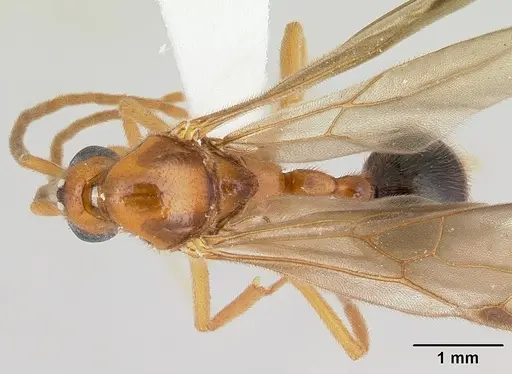
CASENT0916037
View on AntWeb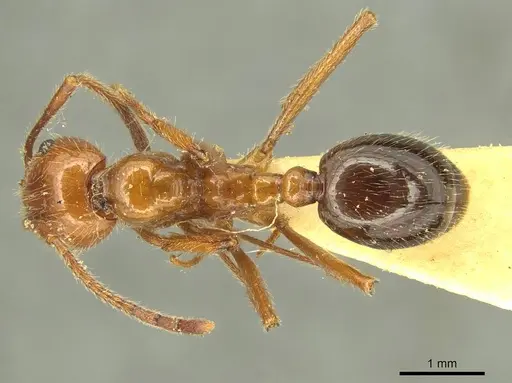
Literature
Loading distribution map...Loading products...