
Megalomyrmex foreli
- Sci. Name
- Megalomyrmex foreli
- Tribe
- Solenopsidini
- Subfamily
- Myrmicinae
- Author
- Emery, 1890
- Distribution
- Found in 5 countries
Introduction
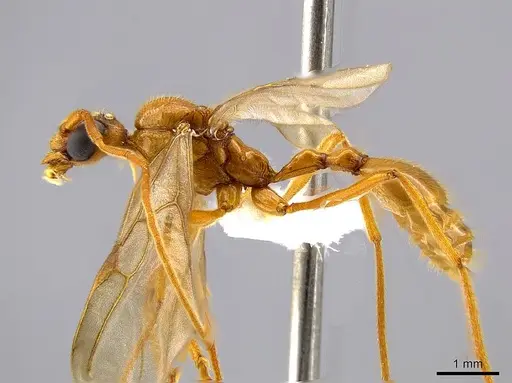
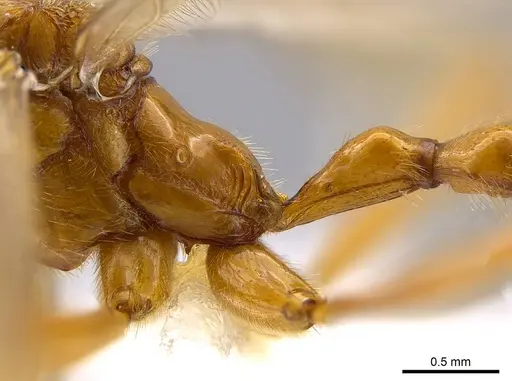
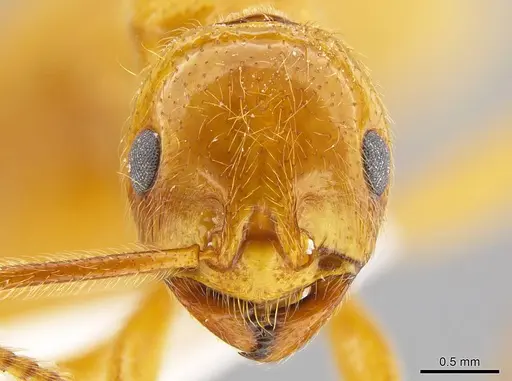
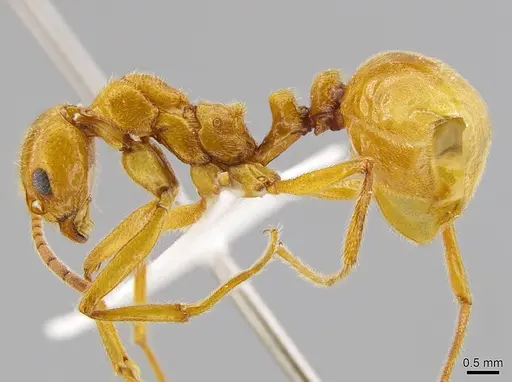
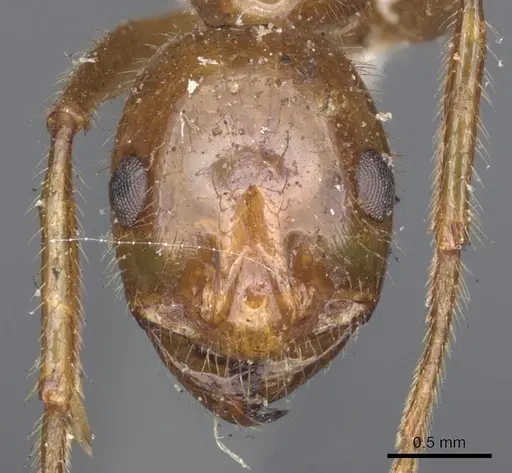
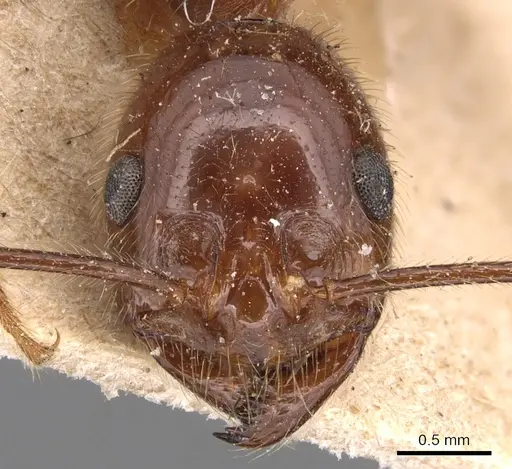
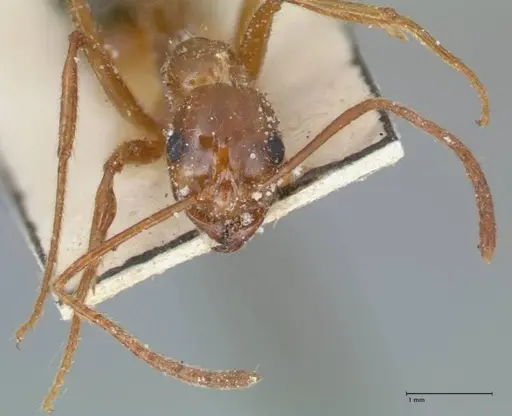
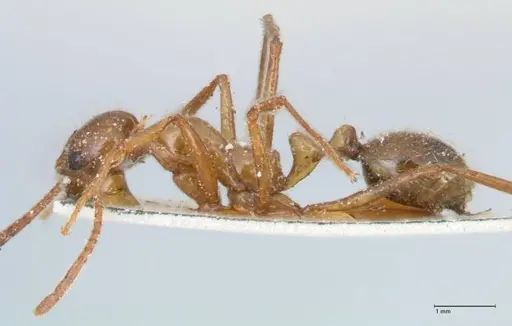
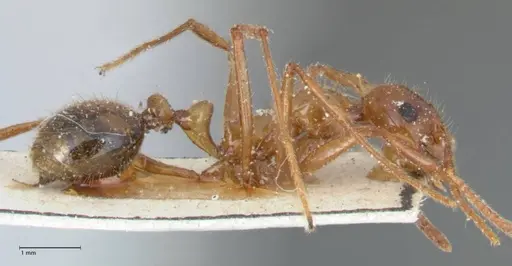
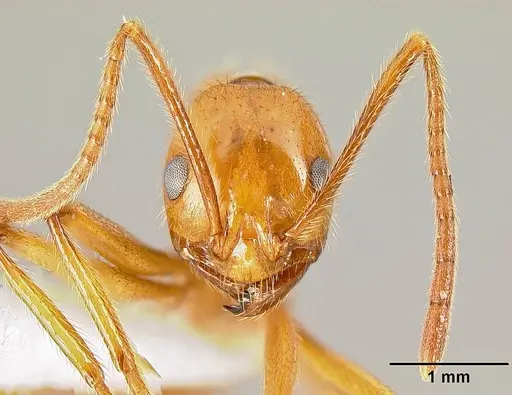
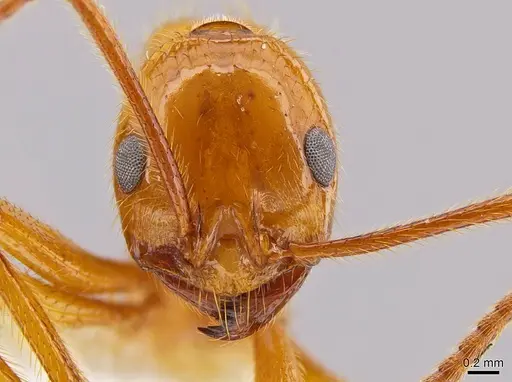
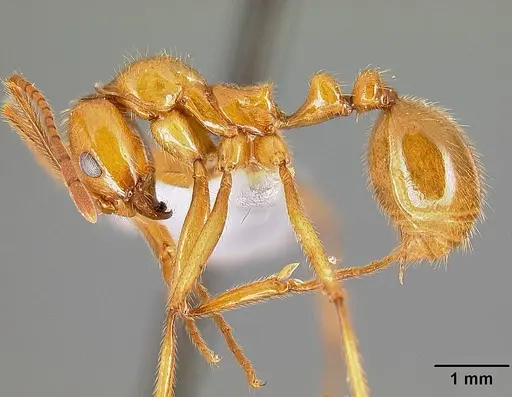
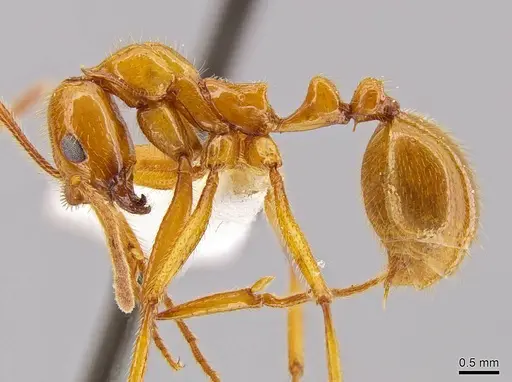
Megalomyrmex foreli is a large, striking ant species found throughout Central and South America, from Costa Rica south through Colombia, Ecuador, and into northern Peru at elevations of 450-1200m. Workers have a distinctive appearance with smooth orange-brown coloration and a dark gaster. This species is notable for its ergatoid queens - permanently wingless queens that remain ground-dwelling rather than dispersing through nuptial flights. Colonies can grow quite large, with some exceeding 500 workers, though smaller colonies of around 100 individuals also occur. The species is known for its aggressive temperament and potent alkaloid-based venom delivered through a flattened sting . What makes M. foreli particularly interesting is its unique reproductive system. Unlike most ants that produce winged queens for dispersal, this species produces ergatoid queens that never develop wings. These wingless queens are born directly into the colony and can reproduce there, which is a rare trait in the ant world. The species also shows fascinating behavior around extrafloral nectaries and will aggressively defend honeydew-producing insects like membracids and Margarodidae scale insects. They are active foragers both day and night, and their venom chemistry is complex, containing pyrroline and pyrrolidine alkaloids that function as both predator deterrent and defensive weapon .
Quick Summary
- Difficulty: Medium
- Origin & Habitat: Native to Central and South America, ranging from Costa Rica through Colombia, Ecuador, and northern Peru at elevations of 450-1200m. Found in moist to wet forest habitats, both mature and second-growth forest, typically in mountainous regions [1][2].
- Colony Type: Monogynous, single ergatoid (permanently wingless) queen per colony. Ergatoid queens are the only known reproductive form in this species, having never been observed with wings. Colonies can reach over 500 workers [3][1].
- Size & Growth:
- Queen: ~6-7mm, inferred from Megalomyrmex genus size [1]
- Worker: ~4-6mm, inferred from Megalomyrmex genus size [2][1]
- Colony: Up to 500 workers [1]
- Growth: Moderate
- Development: Unconfirmed, development timeline has not been directly studied for this species. (Related species in the genus suggest moderate development speed typical of tropical Myrmicinae ants.)
- Antkeeping:
- Temperature: Keep at 22-26°C. This species comes from tropical montane forests (100-1200m elevation) in Central America, so it prefers warm, stable conditions. A gentle temperature gradient allows workers to self-regulate [2].
- Humidity: Moderate to high humidity. These ants inhabit moist to wet forest environments. Keep the nest substrate consistently damp but not waterlogged, with some drier areas available for the ants to choose [2].
- Diapause: No, as a tropical species, M. foreli does not require hibernation or winter dormancy. Maintain consistent temperatures year-round [2].
- Nesting: In the wild, colonies nest either in diffuse soil at the base of trees with inconspicuous entrances, or in the stems of Calathea plants about 1 meter above ground. In captivity, a Y-tong (AAC) nest or plaster nest works well. Provide a moist nesting chamber with access to a foraging area. The species will also accept naturalistic setups with soil and plant stems [1][5].
- Behavior: Megalomyrmex foreli is an aggressive, active forager. Workers are large and conspicuous, foraging both on the ground and on low vegetation, either during the day or at night. They are strongly attracted to extrafloral nectaries and will aggressively defend honeydew-producing insects. When disturbed, workers readily attack, their sting delivers contact venom containing pyrrolidine alkaloids that can cause irritation. They are escape artists due to their small size, excellent escape prevention is essential. Workers are predatory and will take a variety of protein foods including small worms and insects [1][2][4][5].
- Common Issues: escape prevention is critical, their small size means they can squeeze through standard barriers, use fine mesh and tight-fitting lids, aggressive temperament means they will readily sting when the nest is disturbed, work carefully during colony maintenance, tropical species requires consistent warmth, temperatures below 20°C can slow activity and potentially harm the colony, wild-caught colonies may harbor parasites, quarantine and monitor new colonies carefully, their potent venom can cause skin irritation in humans, handle with care and avoid direct contact with the sting
Housing and Nest Setup
Megalomyrmex foreli can be housed in various nest types, but they do best in setups that provide moisture retention. A Y-tong (AAC) nest or plaster formicarium works well, these materials hold humidity steadily and allow you to observe the colony easily. Alternatively, a naturalistic setup with moist soil and live plants (like Calathea, which they naturally nest in) can recreate their wild habitat. The nest should have a chamber size appropriate for the colony size, these ants are not particularly large, so standard chambers work fine. Connect the nest to a foraging area that gives workers space to hunt and forage. Use a water tube or moisture reservoir to maintain humidity. Because they are small and active, excellent escape prevention is essential, apply Fluon to barrier edges and use fine mesh on any ventilation [1][5].
Feeding and Diet
Megalomyrmex foreli is a predatory ant with a varied diet. In the wild, workers collect small worms, consume large insects, and tend Margarodidae scale insects for honeydew. They are also attracted to extrafloral nectaries on plants. In captivity, offer protein sources like small crickets, mealworms, fruit flies, and other small insects. They will readily accept tuna and other fish, this has been successfully used as bait in field studies. They also accept sweet foods like sugar water or honey, particularly since they tend Hemiptera for honeydew in the wild. Feed protein 2-3 times per week, and keep a constant sugar water source available. Fresh killed prey is better than live prey for smaller colonies, but established colonies can handle live insects [1][2][4][5].
Temperature and Seasonal Care
As a tropical montane species from Central and South American forests, M. foreli requires warm, stable temperatures. Keep the nest at 22-26°C, this matches their natural elevation range (100-1200m) in Costa Rica where they experience warm but not extreme heat. A heating cable on one side of the nest can create a gentle gradient, allowing workers to self-regulate. Avoid temperatures below 20°C, as this species is not adapted to cool conditions. Since they come from moist to wet forests, they also need humidity in the 60-80% range. Unlike temperate species, they do not require any winter dormancy or diapause, maintain consistent conditions year-round. The species is active both day and night, so lighting schedule is less critical than temperature consistency [2].
Behavior and Defense
Megalomyrmex foreli workers are aggressive and will readily attack when their nest is disturbed. They possess a potent venom delivered through a large, flattened sting. The venom contains pyrroline and pyrrolidine alkaloids, these compounds are dispensed through a behavior where workers drag the tip of their gaster along surfaces, leaving traces of venom as a contact deterrent. This venom serves multiple purposes: it helps kill prey, competes for food resources, and defends the colony and its symbionts. When working with this species, be aware that their sting can cause skin irritation in humans, it is a contact venom, not an injected one, but still unpleasant. The workers are also known to aggressively guard extrafloral nectaries and defend honeydew-producing insects like membracids and scale insects. They are highly territorial and will maintain established foraging territories [1][4][6][5].
Colony Structure and Reproduction
This species has a unique reproductive system among ants. Instead of producing winged queens that disperse to start new colonies, M. foreli produces ergatoid queens, permanently wingless queens that develop within the nest. These ergatoid queens have a worker-like thorax and a large gaster for egg production, with 60-80 ovarioles for high reproductive output. Colonies are monogynous, meaning they contain a single queen. When a colony becomes large enough, the ergatoid queen may stay and produce new reproductives, or the colony may split through fission. Males are produced periodically and are attracted to lights at night. The ergatoid queen system means you cannot start colonies by collecting flying queens, instead, you would need to collect a colony fragment or established queen with workers [3][1].
Frequently Asked Questions
How long does it take for Megalomyrmex foreli to produce first workers?
The exact egg-to-worker timeline has not been directly studied for this species. Based on related Megalomyrmex species and typical Myrmicinae development, expect approximately 6-10 weeks at optimal temperature (24-26°C). Established colonies with an ergatoid queen already present will continue producing workers at a moderate pace.
Can I keep multiple Megalomyrmex foreli queens together?
No, this species is monogynous, meaning colonies naturally have only a single queen. Multiple unrelated queens will likely fight. The ergatoid queen system means reproduction happens within the established colony rather than through new queen dispersal.
What do Megalomyrmex foreli eat?
They are predatory ants that accept a variety of foods. Offer small insects like crickets, mealworms, and fruit flies as protein sources. They also readily accept fish like tuna (used successfully as bait in field studies). For sugars, provide sugar water or honey, they are attracted to extrafloral nectaries in the wild and will tend Hemiptera for honeydew. Feed protein 2-3 times per week with constant sugar water available [1][2][5].
Are Megalomyrmex foreli good for beginners?
This species is rated as Medium difficulty. While they are visually striking and interesting to observe, they require specific conditions: tropical temperatures (22-26°C), moderate to high humidity, and excellent escape prevention due to their small size. Their aggressive temperament and potent venom also mean they require careful handling. If you have experience with tropical Myrmicinae species, they make fascinating pets.
Do Megalomyrmex foreli need hibernation?
No, as a tropical species from Central and South American forests, they do not require hibernation or winter dormancy. Maintain consistent warm temperatures (22-26°C) and humidity year-round. They are active throughout the year in their native habitat [2].
How big do Megalomyrmex foreli colonies get?
Colonies can reach over 500 workers in large, established colonies. Smaller colonies of around 100 workers have also been documented, particularly those nesting in plant stems. The ergatoid queen system allows for sustained reproduction within the nest, leading to moderate colony growth over time [1][5].
What is an ergatoid queen?
An ergatoid queen is a permanently wingless queen ant. Unlike typical ants where queens have wings and disperse to start new colonies, ergatoid queens are born without wings and remain in or near the nest. They have a worker-like thorax but a larger gaster for egg production. M. foreli is one of the few ant species where ergatoid queens are the only known reproductive form [3][1].
When should I move Megalomyrmex foreli to a formicarium?
Start them in a test tube setup for the founding stage. Once the colony reaches 20-30 workers and you see active foraging, you can move them to a proper nest like a Y-tong or plaster formicarium. Make sure the new nest has appropriate moisture levels and connect it to a foraging area. They do well in naturalistic setups if you want to observe their full behavior including plant-tending.
Why is my Megalomyrmex foreli colony dying?
Common causes include: temperatures below 20°C (they need warmth), low humidity (they prefer moist conditions), poor escape prevention allowing workers to escape, or inadequate protein in their diet. They are also sensitive to disturbance, frequent nest inspections can stress colonies. Check that temperatures are stable in the 22-26°C range and that you are providing varied protein foods regularly.
Report an Issue
The current care sheet is based fully on literature. See inconsistencies, or something that's incorrect? Please , it will be resolved after review from an admin. Contributing to the blogs tab also helps providing information, to make us be able to further improve the caresheets. Thank you for your support!
References

This caresheet is licensed under CC BY-SA 4.0 .
Community Blogs
CASENT0615189
View on AntWeb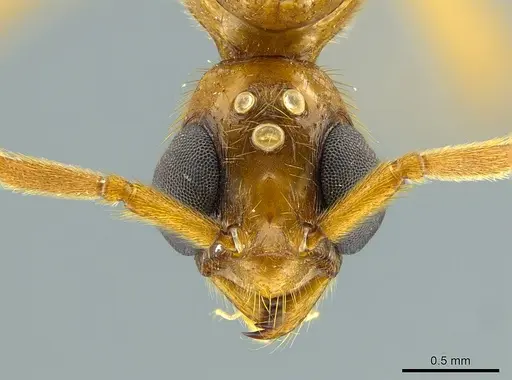
CASENT0630874
View on AntWeb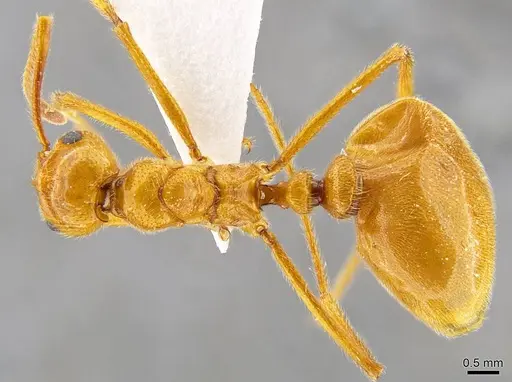
CASENT0902330
View on AntWeb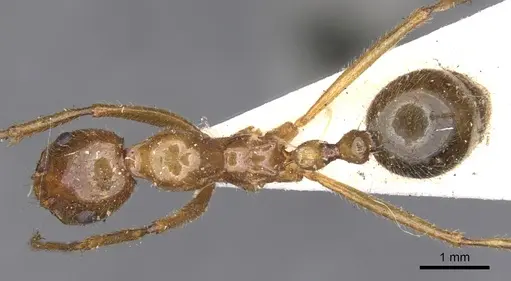
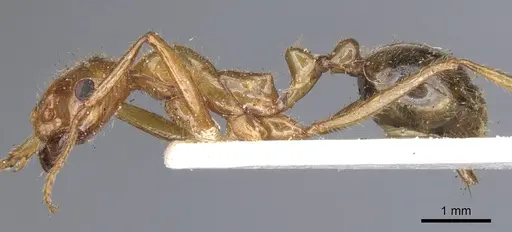
CASENT0904608
View on AntWeb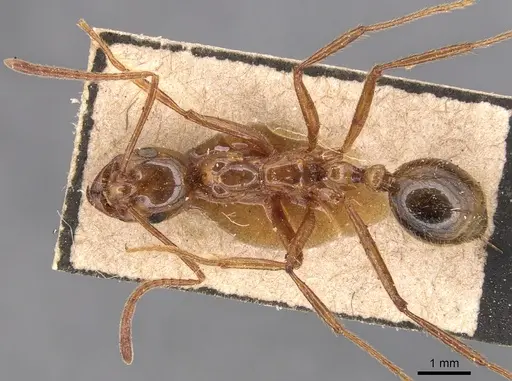
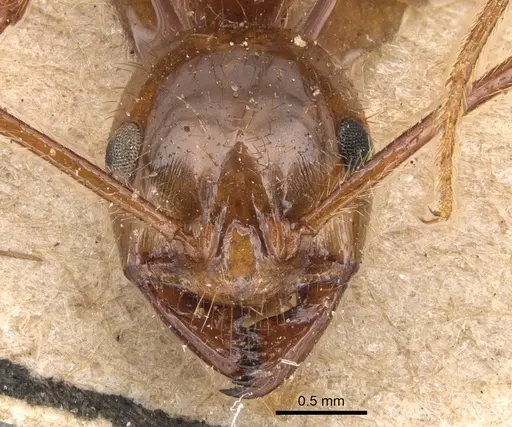
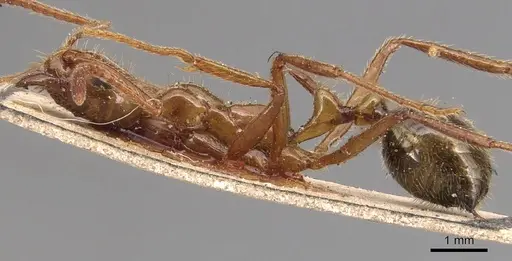
CASENT0904610
View on AntWeb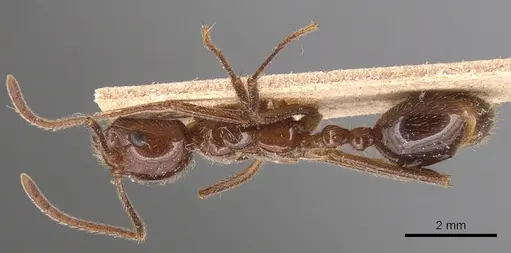
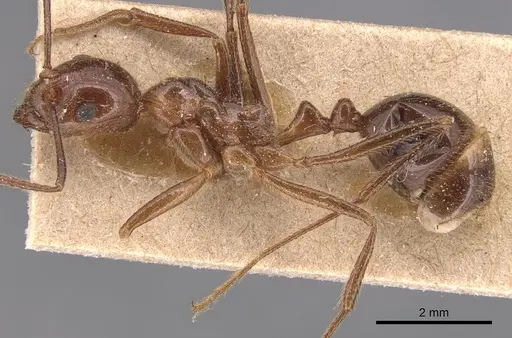
FOCOL1757
View on AntWeb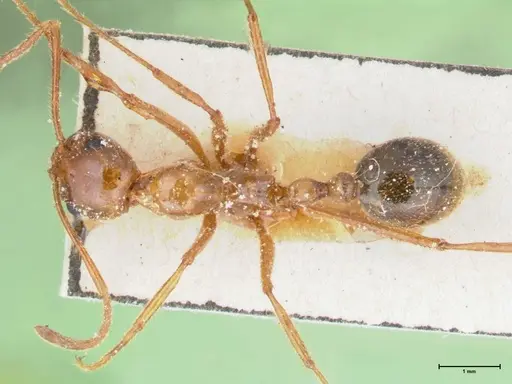
JTLC000003356
View on AntWeb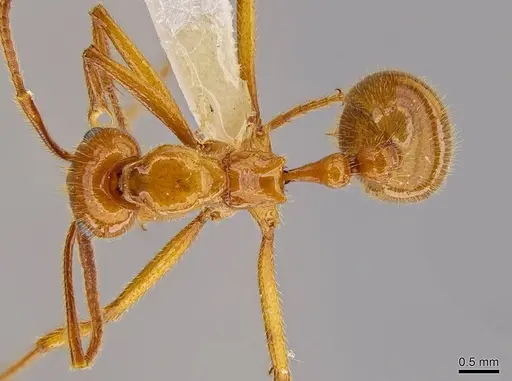
Literature
Loading distribution map...Loading products...