
Megalomyrmex drifti
- Sci. Name
- Megalomyrmex drifti
- Tribe
- Solenopsidini
- Subfamily
- Myrmicinae
- Author
- Kempf, 1961
- Distribution
- Found in 8 countries
Introduction
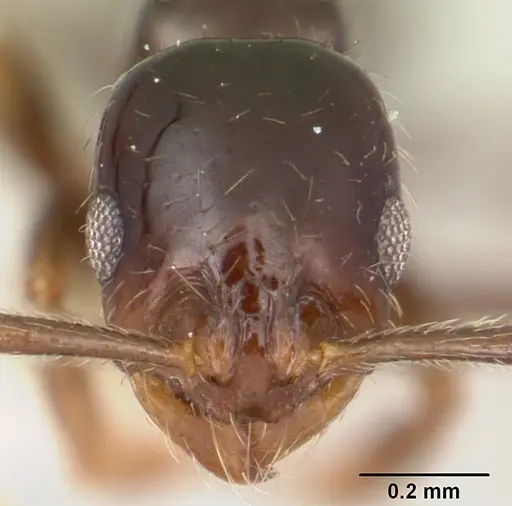
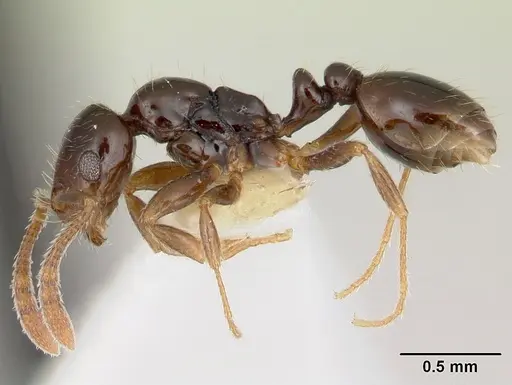
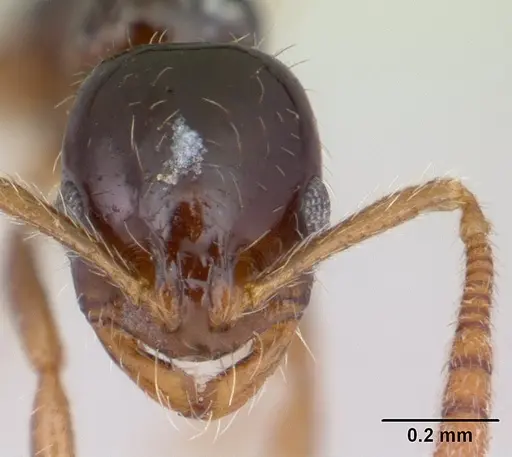
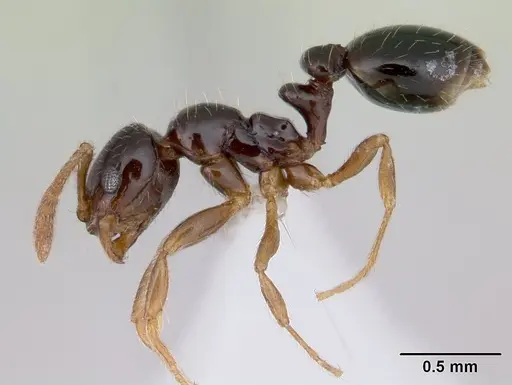
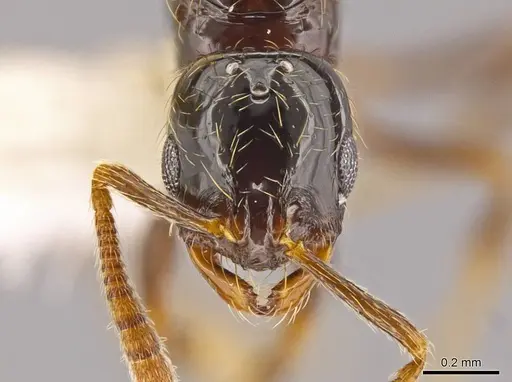
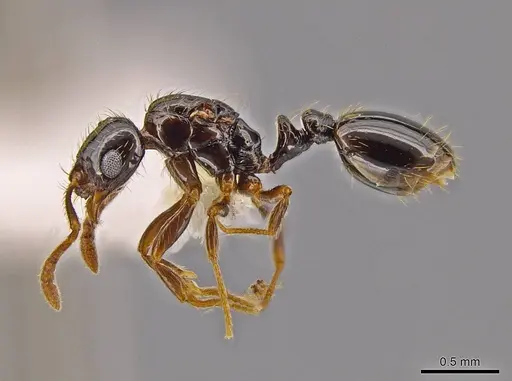
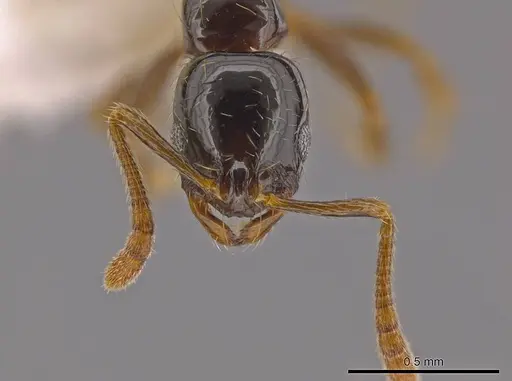
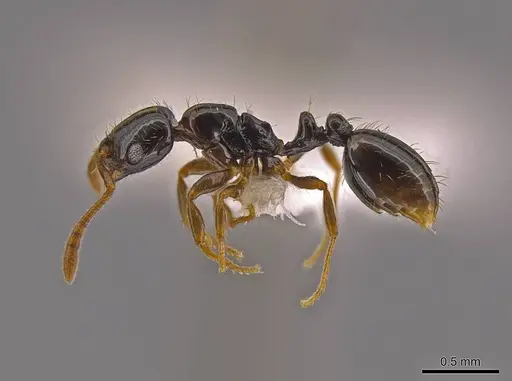
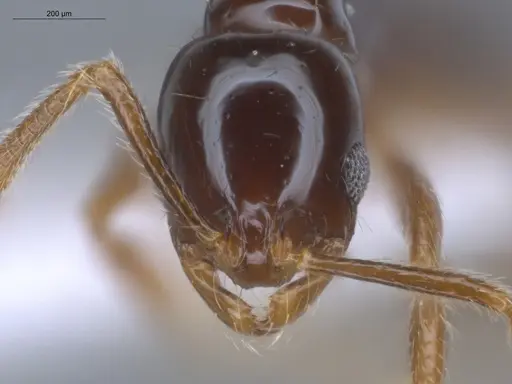
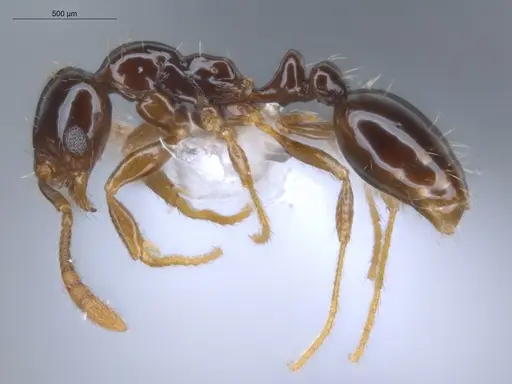
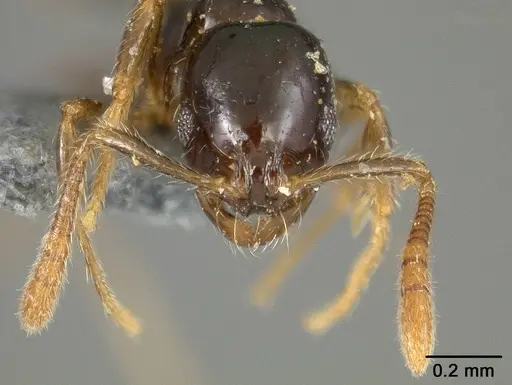
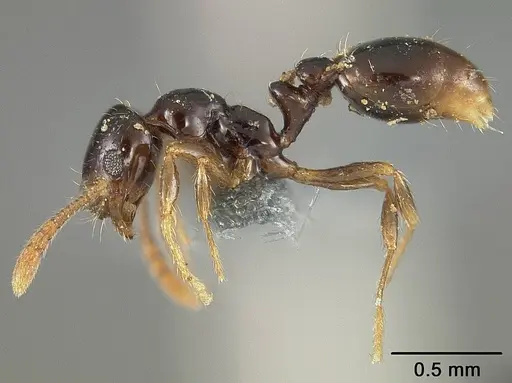
Megalomyrmex drifti is a tiny leaf-litter ant native to tropical forests across Central and South America, ranging from southern Mexico down to Argentina. Workers are very small, around 2-3mm total length, with a relatively smooth and shiny appearance. They belong to the pusillus species group and are free-living, meaning they do not parasitize other ant species. These ants nest exclusively in tiny cavities within dead twigs, leaves, and other forest debris on the forest floor - you will not find them in soil or under rocks. Colonies are remarkably small, typically containing fewer than 10 individuals, making them one of the most compact ant colonies you can keep. They are specialist predators, hunting other tiny invertebrates in the leaf litter layer.
Quick Summary
- Difficulty: Medium
- Origin & Habitat: Tropical forests from southern Mexico to Argentina, primarily below 600m elevation but recorded up to 1500m in cloud forest. They inhabit moist to wet mature and second-growth forest, nesting exclusively in dead twigs and leaves within the leaf litter layer [1][2][3].
- Colony Type: Likely monogyne (single queen) based on typical genus patterns. Colonies are very small, typically under 10 workers, among the smallest ant colonies documented [4]. Ergatoid (wingless) queens have been reported in related drifti complex species but not definitively in M. drifti itself.
- Size & Growth:
- Queen: Approximately 4-5mm total length, inferred from queen head measurements [2].
- Worker: Approximately 2-3mm total length, inferred from worker head measurements [2][1].
- Colony: Very small colonies, typically fewer than 10 workers in Mexico, making them one of the smallest colonies recorded [4].
- Growth: Slow, small colony size and leaf-litter specialization suggests gradual development.
- Development: Estimated 8-12 weeks at optimal tropical temperatures. No direct studies on this species' development, so this is inferred from related Solenopsidini ants. (Small colony size means slower absolute growth compared to larger species.)
- Antkeeping:
- Temperature: Keep around 24-28°C, mimicking their tropical forest floor habitat. They tolerate 20-30°C but prefer the warmer end. Room temperature (22-25°C) is suitable if your home stays in this range.
- Humidity: High humidity is essential, these ants live in damp leaf litter. Keep nest substrate consistently moist but not waterlogged. Provide a water tube and mist the outworld regularly.
- Diapause: No, as a tropical species, they do not require hibernation. They remain active year-round if kept warm.
- Nesting: These tiny ants need very small-scale nesting spaces. They naturally nest in dead twigs and leaves in leaf litter. In captivity, they do well in small test tubes (even mini test tubes), small acrylic nests, or Y-tong nests with narrow chambers. The key is providing appropriately scaled tiny spaces, standard formicarium chambers are too large for them.
- Behavior: Megalomyrmex drifti is a shy, non-aggressive species. Workers are slow-moving and spend most of their time hunting in the leaf litter layer. They are specialist predators, feeding on tiny springtails, mites, and other micro-arthropods. They possess a sting as their primary defense mechanism, using piperidine alkaloids in their venom, though their small size means the sting poses minimal danger to keepers. Escape risk is moderate, their small size means they can slip through small gaps, but they are not particularly active escape artists. They are not known for colony fission or supercolonial behavior.
- Common Issues: tiny colony size means they are vulnerable to stress, handle minimally and avoid disturbing the nest, escape prevention matters because their small size lets them squeeze through standard barrier gaps, use fine mesh and tight-fitting lids, they need live micro-prey, will not thrive on just sugar water or large prey items, overheating is a risk, direct sunlight or heating pads can quickly kill them in small containers, wild-caught colonies may have parasites that are difficult to treat in such small colonies, they are habitat specialists restricted to primary forest, do not survive in degraded or secondary habitats
Nest Preferences and Housing
Megalomyrmex drifti is a leaf-litter specialist that nests in the tiniest cavities, dead twigs, hollow stems, and curled leaves on the forest floor. This has major implications for captive care. Standard formicarium setups are far too large for these ants. Instead, use mini test tubes (5-8mm diameter), small acrylic nests with narrow chambers, or Y-tong nests designed for tiny species. The nesting chamber should be barely larger than the colony itself, these ants feel stressed in oversized spaces. A naturalistic setup with small twigs, leaf pieces, and damp substrate works well and lets them create their own tiny galleries. Whatever setup you choose, ensure excellent escape prevention because their small size lets them slip through gaps that would stop larger ants. [2][1][3]
Feeding and Diet
This species is a specialist predator that hunts tiny invertebrates in leaf litter. In captivity, their primary food should be live micro-arthropods, springtails are ideal, and you can also offer fruit flies, tiny mites, and other small insects. They are unlikely to accept large prey items. Sugar sources may be accepted occasionally, but do not rely on honey or sugar water as a primary food source, these ants are not typical honeydew feeders. Feed them small live prey 2-3 times per week, adjusting based on colony size and consumption. Remove any uneaten prey after 24 hours to prevent mold. Given their tiny colony size, even a single springtail per feeding may be sufficient for a colony of 5-10 workers. [1]
Temperature and Seasonal Care
As a tropical species from moist lowland forests, Megalomyrmex drifti needs warm, stable temperatures around 24-28°C. They can tolerate a broader range of 20-30°C but grow best in the warmer end of this range. Unlike temperate ants, they do not require diapause or hibernation, keep them active year-round. Avoid temperature extremes and sudden changes. A small heat cable or mat on one side of the nest can create a gentle gradient, but ensure the heating is very gentle and never direct. Room temperature (22-25°C) is often adequate if your home is in this range. High humidity is equally important, their natural habitat is the damp forest floor, so keep the nest substrate consistently moist. [1][2]
Behavior and Colony Dynamics
This is a shy, unobtrusive ant that poses no threat to keepers. Workers are slow-moving and spend most of their time foraging in the leaf litter layer, hunting tiny prey. Their primary defense is a sting that injects venom containing piperidine alkaloids, though their small size means the sting is not a significant concern for humans. Colonies remain very small throughout their life, you will rarely see more than a dozen workers even in established colonies. This makes them a fascinating but challenging species to keep, as small colonies are more vulnerable to stress and environmental changes. They are not aggressive toward each other and typically ignore keeper observations. The genus Megalomyrmex is known for interesting social behaviors including some parasitic species, but M. drifti itself is free-living and does not parasitize other ants. [1][4]
Where They Live in the Wild
Megalomyrmex drifti occurs across a vast range from southern Mexico through Central America to Argentina, making it one of the most widespread Megalomyrmex species. They are found in moist to wet forests, both mature and second-growth, typically below 600m elevation but occasionally up to 1500m in cloud forest. These ants are habitat specialists restricted to primary forest, they are not found in secondary growth or human-modified landscapes like rubber plantations [5]. Workers and queens are moderately abundant in Winkler samples of sifted leaf litter, which is how most scientific collections are made. A nest was found in Costa Rica in a dead stick in leaf litter during the wet season (November 2002), containing workers, brood, alate queens, and males [1]. This species shows some geographic variation, specimens from Costa Rica have distinctive carinae (ridges) on the clypeus, while specimens from Honduras north to Mexico lack these features.
Challenges and Common Problems
Keeping Megalomyrmex drifti successfully requires attention to several challenges unique to tiny leaf-litter ants. First, their small size means escape prevention must be excellent, standard barriers may not work, and fine mesh is essential. Second, they need a constant supply of live micro-prey, which requires establishing a springtail culture or similar. Third, their tiny colonies are vulnerable to stress from overhandling, temperature swings, and poor humidity. Fourth, they are habitat specialists requiring primary forest conditions, they do poorly in dry, artificial setups. Finally, wild-caught colonies may carry parasites that are difficult to treat in such small colonies. If your colony declines, check for these issues before assuming the species is difficult. [4][5]
Frequently Asked Questions
How long does it take for Megalomyrmex drifti to produce first workers?
Estimated 8-12 weeks from egg to first worker at optimal temperatures (24-28°C). This is an estimate based on related Solenopsidini ants, as no direct development studies exist for this species. Small colony size means growth will feel slow.
Can I keep Megalomyrmex drifti in a test tube?
Yes, and a small test tube is actually ideal for this species. Use a mini test tube (5-8mm diameter) with a small water reservoir. Standard test tubes may be too large, the nesting chamber should be appropriately scaled to their tiny colony size.
What do Megalomyrmex drifti ants eat?
They are specialist predators that need live micro-arthropods. Feed them springtails, tiny fruit flies, and other small live prey. Sugar sources may be accepted but should not be the primary food. Remove uneaten prey after 24 hours.
Are Megalomyrmex drifti good for beginners?
No, they are considered a medium-difficulty species. Their tiny size, need for live micro-prey, small colony size, and specific humidity requirements make them challenging for beginners. They are best kept by experienced antkeepers.
How big do Megalomyrmex drifti colonies get?
Very small, typically fewer than 10 workers in documented colonies, with maximum likely under 50 workers even in established colonies. This is one of the smallest colony sizes recorded for any ant species.
Do Megalomyrmex drifti need hibernation?
No, they are a tropical species and do not require diapause or hibernation. Keep them warm and active year-round at 24-28°C.
Why are my Megalomyrmex drifti dying?
Common causes include: too large nesting spaces (they stress in oversized chambers), low humidity (they need damp conditions), lack of live micro-prey, temperature extremes, and stress from overhandling. Check these factors first.
What temperature is best for Megalomyrmex drifti?
Keep them at 24-28°C. They can tolerate 20-30°C but prefer the warmer end. Room temperature (22-25°C) is often suitable. Avoid direct heat sources that can overheat their small containers.
When should I move them to a formicarium?
Given their tiny size and leaf-litter specialization, they are best kept in appropriately scaled mini setups rather than standard formicariums. A small test tube or mini acrylic nest is suitable from the start. Only consider moving to a naturalistic setup if the colony grows larger than expected.
Can I keep multiple queens together?
Not recommended, combining unrelated queens of this species has not been documented. They are likely monogyne (single-queen) based on typical genus patterns.
Is Megalomyrmex drifti invasive?
No, they are native to Central and South American tropical forests and have never been documented as invasive anywhere. They are also habitat specialists restricted to primary forest.
Report an Issue
The current care sheet is based fully on literature. See inconsistencies, or something that's incorrect? Please , it will be resolved after review from an admin. Contributing to the blogs tab also helps providing information, to make us be able to further improve the caresheets. Thank you for your support!
References

This caresheet is licensed under CC BY-SA 4.0 .
Community Blogs
CASENT0173974
View on AntWeb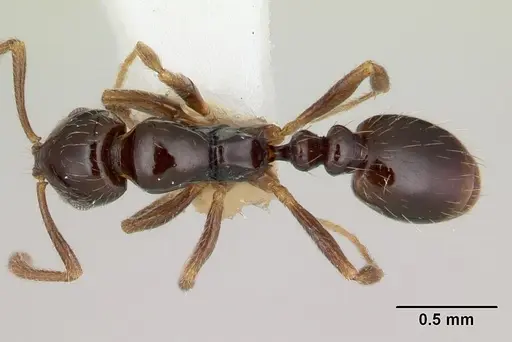
CASENT0178670
View on AntWeb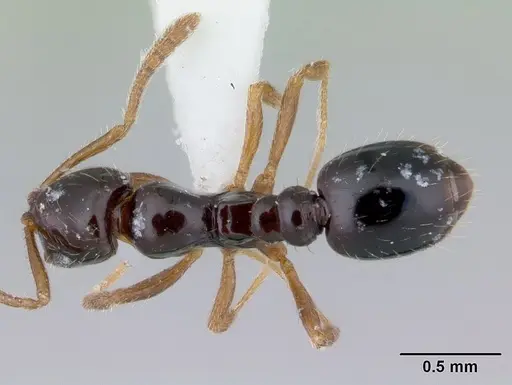
CASENT0624999
View on AntWeb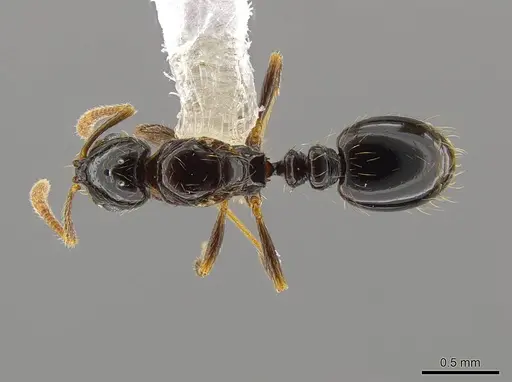
CASENT0630914
View on AntWeb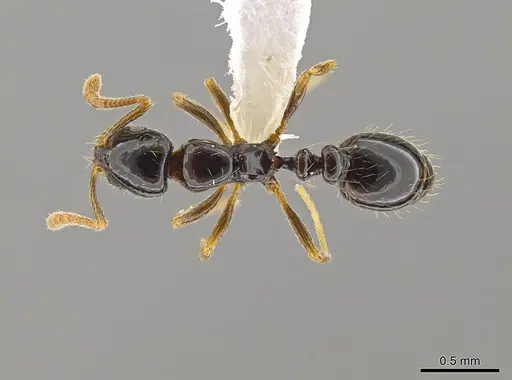
CBUMAGENT41865
View on AntWeb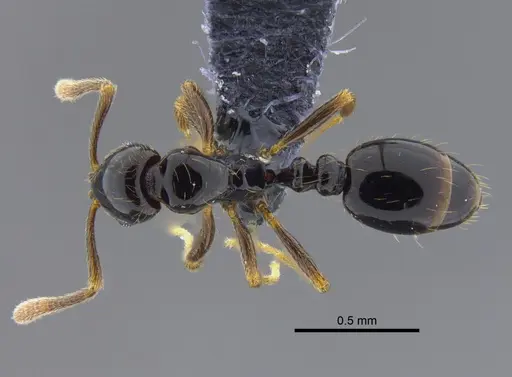
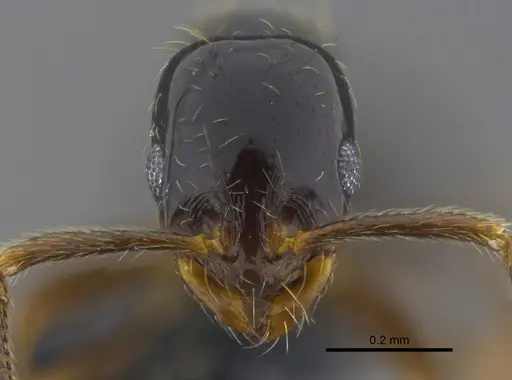
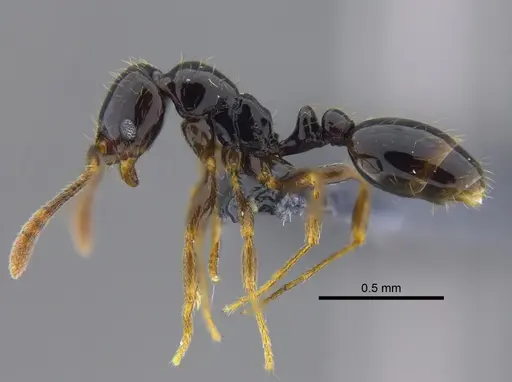
ECOFOG-MI15-0168-21
View on AntWeb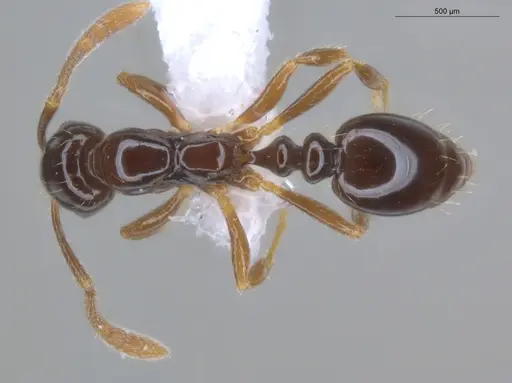
USNMENT00445645
View on AntWeb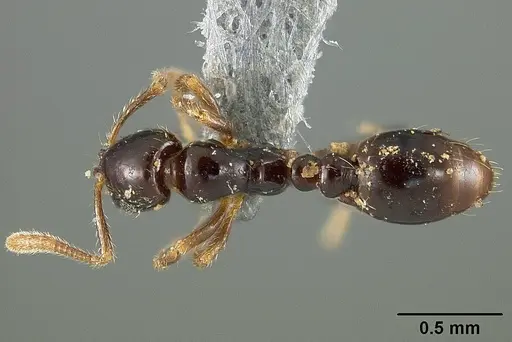
Literature
Loading distribution map...Loading products...