
Megalomyrmex cuatiara
- Sci. Name
- Megalomyrmex cuatiara
- Tribe
- Solenopsidini
- Subfamily
- Myrmicinae
- Author
- Brandão, 1990
- Distribution
- Found in 5 countries
Introduction
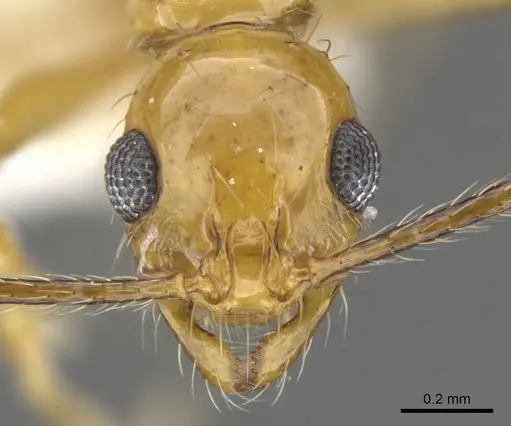
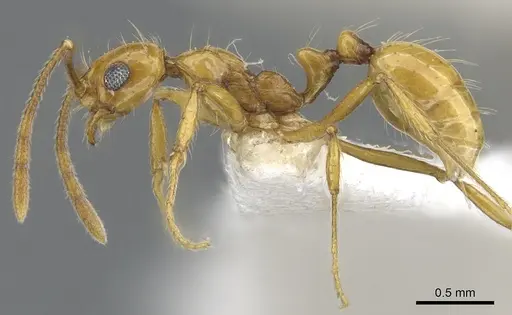
Megalomyrmex cuatiara is a small, bright yellow ant from the silvestrii group. Workers have smooth mandibles with an irregular dental formula (2+5 denticles) and relatively large compound eyes that occupy more than one-third of the head's lateral margins. The body is covered with long hairs. Queens are slightly larger and have three equally developed ocelli (simple eyes) on top of their head . These ants are litter-dwellers, collected by sifting leaf litter and superficial soil in the Amazon basin . They are among the least studied Megalomyrmex species; almost nothing is known about their colony structure, behavior, or life cycle.
Quick Summary
- Difficulty: Unknown
- Origin & Habitat: Amazon basin in northern South America: Colombia (Amazonas, Putumayo, Meta, Cundinamarca), Brazil (Manaus), Ecuador (Sucumbíos), and likely French Guiana and Guyana. Found in tropical rainforest leaf litter and superficial soil [2][3][4][5].
- Colony Type: Unconfirmed, no colony structure data has been documented.
- Size & Growth:
- Queen: Size data unavailable
- Worker: Size data unavailable
- Colony: Unknown
- Growth: Unknown
- Development: Unknown, no development data exists (No captive observations or wild data on development.)
- Antkeeping:
- Temperature: Unconfirmed, inferred from Amazonian habitat: likely 24-28°C, but no data. Start around 25°C and adjust based on activity.
- Humidity: High humidity critical, based on damp leaf litter habitat. Keep substrate consistently moist but not waterlogged. Use a water reservoir in test tube setups.
- Diapause: Unknown, as a tropical species, likely no hibernation, but may slow down during dry seasons. Not enough data to determine.
- Nesting: No captive nesting data. Based on habitat, plaster or soil nests with high moisture retention are best. Avoid acrylic. Chambers should be small to match their tiny size.
- Behavior: Behavior is unstudied. Based on related Solenopsidini, they likely use a sting for defense. They are cryptic, litter-dwelling ants that forage individually for small prey. Escape risk is moderate due to small size, careful sealing is needed.
- Common Issues: no captive husbandry information exists, this species has never been kept in captivity by hobbyists., wild-caught colonies may be stressed from collection and transport, leading to colony failure., their small size and cryptic behavior make them difficult to observe and care for., humidity control is critical, they may quickly decline in dry conditions., lack of any captive breeding records means no established protocols exist.
Natural History and Distribution
Megalomyrmex cuatiara is known from the Amazon basin in northern South America. The species was originally described from Colombia (Bolivar, Putumayo, and Meta provinces) and has since been recorded from Brazil (Manaus), Ecuador (Sucumbíos), and likely occurs in French Guiana and Guyana [2][3][4][5]. All records come from tropical rainforest environments at elevations from near sea level to around 1000 m.
The species was collected by sifting leaf litter and superficial soil through Winkler bags or Berlese funnels, indicating they are true litter-dwelling ants. Their bright yellow color may help them blend with fallen leaves and detritus, providing camouflage from predators [2][3][6].
Identification and Morphology
Workers are bright yellow with smooth mandibles, the dental formula is 2+5 with irregular denticles. Compound eyes are relatively large, covering more than one-third of the head's lateral margins in full-face view. The head shape and antennal club segments place them in the silvestrii group, but the distinctive rugosities (wrinkles) covering the metanotal groove and part of the katepisternum separate them from all other species in the group [1].
Queens have three equally developed ocelli, parapsidal sutures on the mesonotum but no notaulus, and a ventral petiolar denticle that workers lack [1].
Body pilosity includes very long hairs (about 0.2 mm) on the dorsal surface and smaller hairs on the scapes and legs. Funiculus has short, appressed pubescence [1].
Keeping Requirements
No captive husbandry data exists for this species. The following are educated guesses based on their natural habitat.
- Temperature: 24-28°C, consistent with Amazonian rainforest. Provide a gradient for self-regulation.
- Humidity: Very high. Keep the nest substrate moist (damp but not wet). Use a water reservoir in test tube setups and mist occasionally.
- Nesting: Because they live in leaf litter and soil, plaster or soil nests with fine chambers are best. Avoid acrylic nest types. Tiny ants require small chambers.
- Feeding: Based on related Solenopsidini, they likely accept small live prey (e.g., fruit flies, springtails) and sugar water or honey. Offer varied food but expect uncertainty.
Known Associates and Ecology
In Ecuador, M. cuatiara was collected alongside M. silvestrii and leaf-cutter ants of the genus Apterostigma [3]. This suggests possible lestobiotic relationships – ecological associations such as raiding or scavenging around other ant nests. However, the specific nature of these associations is unknown.
Their cryptic, litter-dwelling lifestyle positions them in the forest floor food web, likely feeding on small invertebrates and contributing to nutrient cycling.
Challenges and Considerations
This species has never been documented in the antkeeping hobby. There are no established protocols for housing, feeding, or breeding. If you obtain wild-caught specimens, stress from collection and transport will be high, as litter-dwelling ants are sensitive to environmental changes. Keeping M. cuatiara would be an entirely experimental endeavor. Success would contribute valuable knowledge to the hobby and science.
Frequently Asked Questions
Is Megalomyrmex cuatiara a good species for beginners?
No – this species is not recommended for beginners. It has never been kept in captivity, and its care requirements are completely unknown. Keeping it would be fully experimental.
What do Megalomyrmex cuatiara ants eat?
Their natural diet is unstudied. Based on related Solenopsidini, they likely feed on small arthropods and honeydew. Offer small live prey (e.g., fruit flies, springtails) and sugar water, but acceptance is uncertain.
How big do Megalomyrmex cuatiara colonies get?
Colony size is unknown. Based on typical litter-dwelling ant colony sizes, they may form small colonies, but no data exists.
What temperature do Megalomyrmex cuatiara ants need?
Temperature requirements are unconfirmed. Based on their Amazonian rainforest origin, aim for 24-28°C. Start near 25°C and adjust based on activity.
Do Megalomyrmex cuatiara ants need hibernation?
Diapause requirements are unknown. As a tropical species, they likely do not require hibernation, but may slow activity during dry seasons. Keep conditions stable year-round.
Can I keep multiple Megalomyrmex cuatiara queens together?
Colony structure is unconfirmed. Combining unrelated queens has not been documented and is not recommended.
How long does it take for Megalomyrmex cuatiara to develop from egg to worker?
Development time is unknown. No data exists for this species.
What is the best nest type for Megalomyrmex cuatiara?
No captive nesting data exists. Based on their litter-dwelling habit, a naturalistic setup with moist soil or a plaster nest with small chambers would likely work. Avoid acrylic nests.
Where does Megalomyrmex cuatiara live in the wild?
They live in the Amazon basin of South America (Colombia, Brazil, Ecuador, and likely French Guiana and Guyana). They are litter-dwelling ants found in tropical rainforest leaf litter and superficial soil.
Report an Issue
The current care sheet is based fully on literature. See inconsistencies, or something that's incorrect? Please , it will be resolved after review from an admin. Contributing to the blogs tab also helps providing information, to make us be able to further improve the caresheets. Thank you for your support!
References

This caresheet is licensed under CC BY-SA 4.0 .
Community Blogs
CASENT0902333
View on AntWeb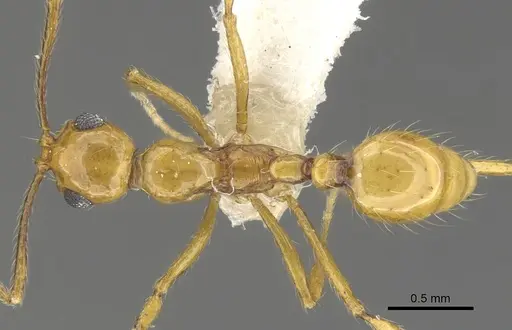
Literature
Loading distribution map...Loading products...