
Megalomyrmex balzani
- Sci. Name
- Megalomyrmex balzani
- Tribe
- Solenopsidini
- Subfamily
- Myrmicinae
- Author
- Emery, 1894
- Distribution
- Found in 4 countries
Introduction
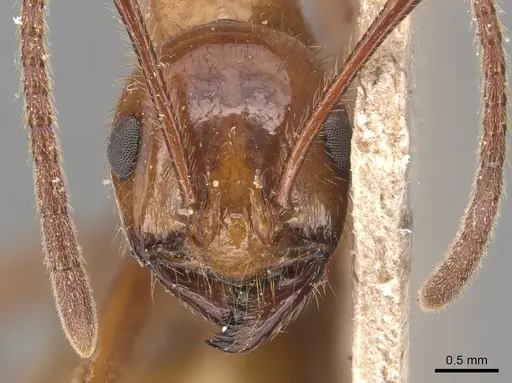
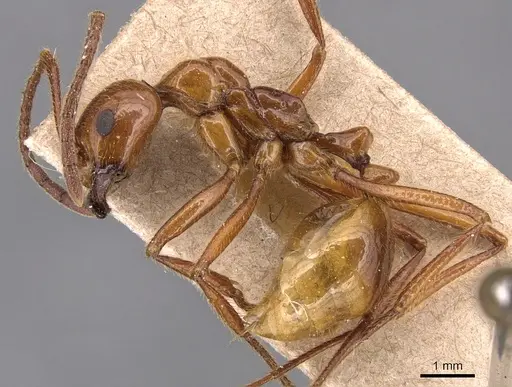
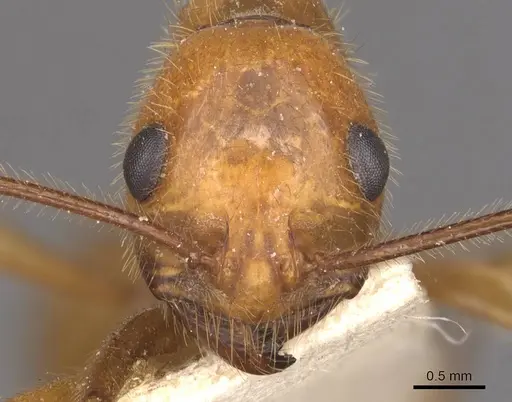
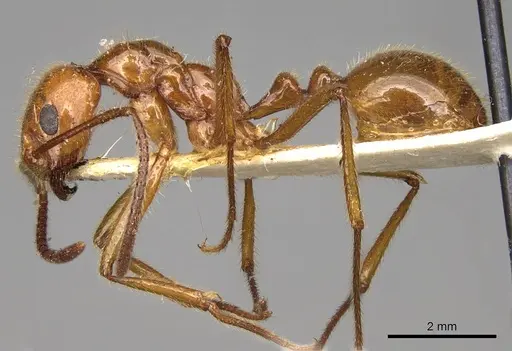
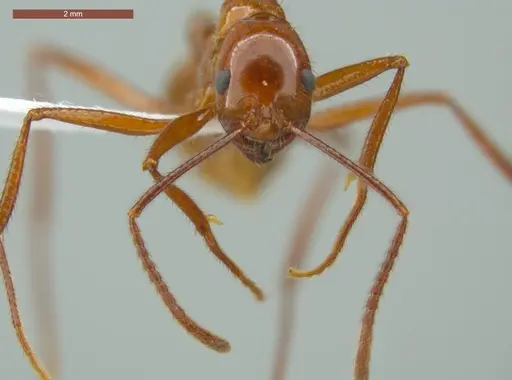
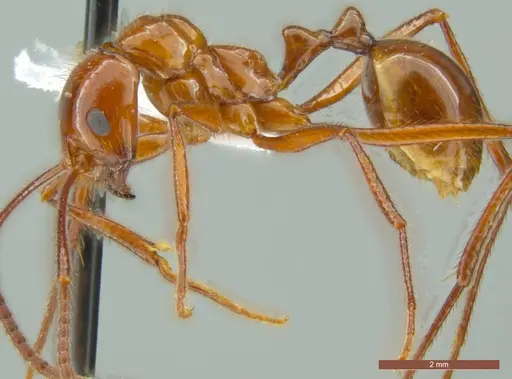
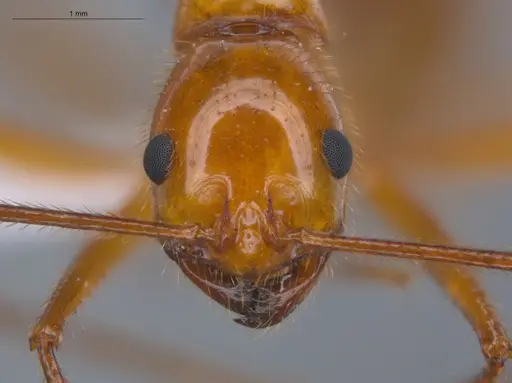
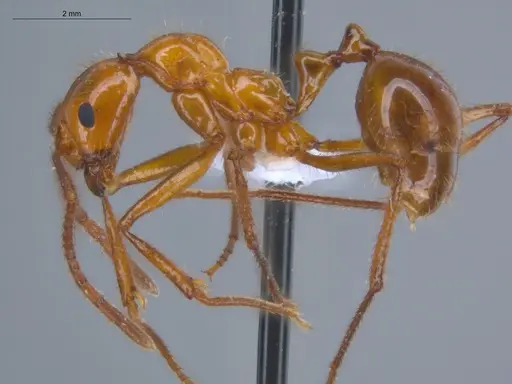
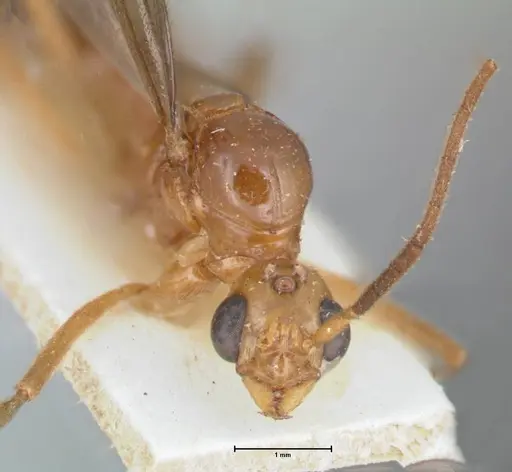
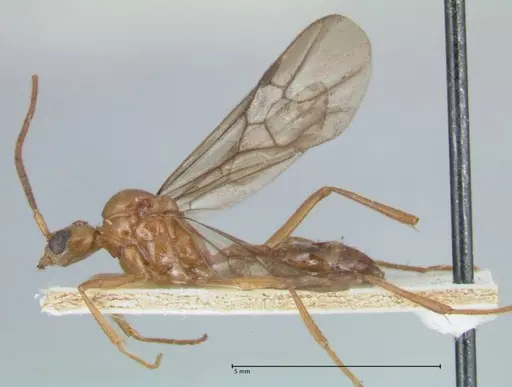
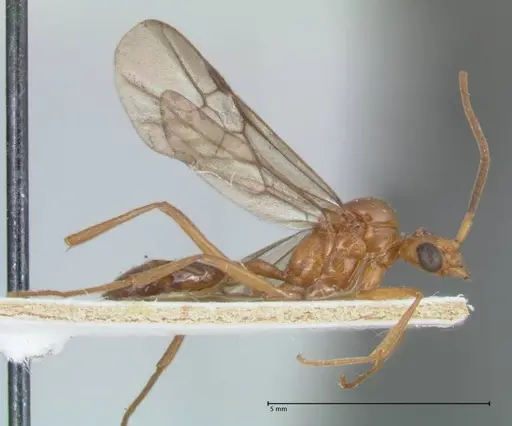
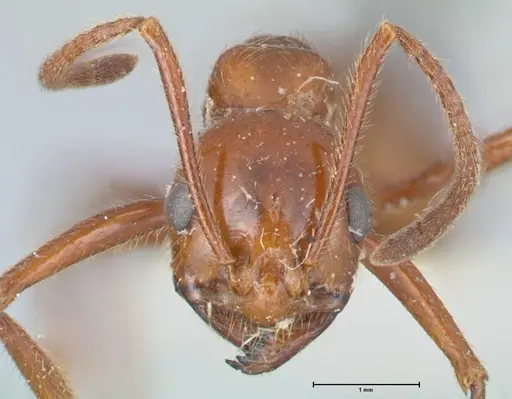
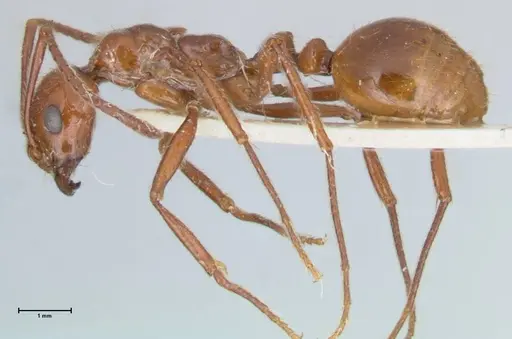
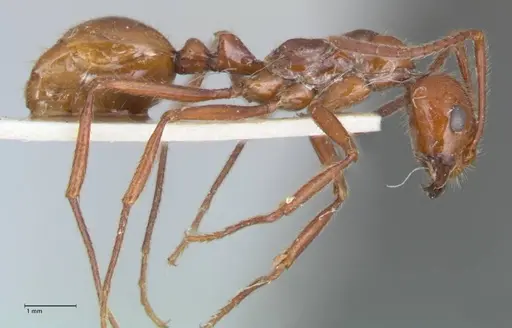
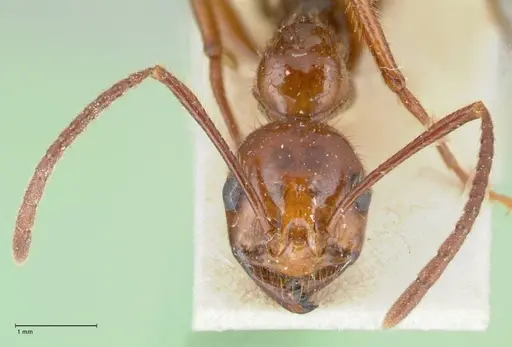
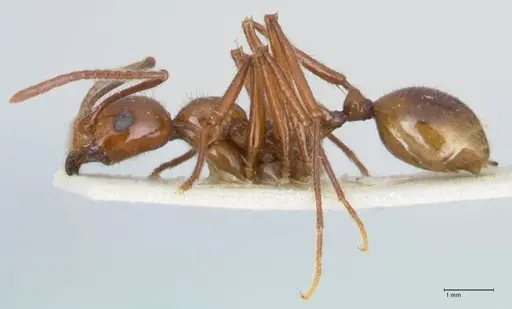
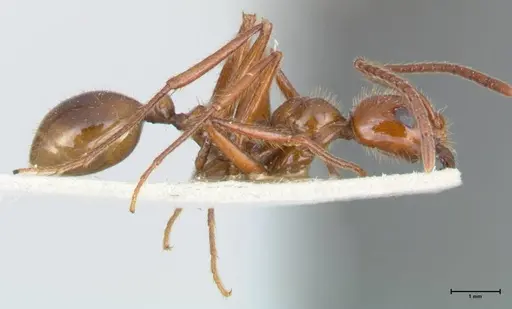
Megalomyrmex balzani is a small Neotropical ant species native to the Amazon basin and surrounding regions of South America. Workers have a distinctive shiny orange-brown to deep brown coloration and are easily recognized by paired sharpened projections (acrotergites) on the mesosternum and metasternum. These ants inhabit leaf litter and forest floor environments in tropical rainforests, typically nesting at tree bases, in rotting stumps, or among root systems. A notable behavior is their association with membracid treehoppers, which they tend for honeydew on low vegetation. A colony collected in Manaus had over 400 workers, though these ants proved difficult to maintain in captivity .
Quick Summary
- Difficulty: Medium
- Origin & Habitat: Amazonian rainforests of Bolivia, Brazil, Colombia, Ecuador, French Guiana, and Peru. Found in leaf litter and among root systems of large trees, with nests in rotting wood and soil at tree bases [1][2][3].
- Colony Type: Colony structure is unconfirmed. One documented colony had over 400 workers. Some specimens show characteristics suggesting gamergate (worker reproduction) potential, with swollen gasters and anterior ocelli [1][2][3].
- Size & Growth:
- Queen: Size data unavailable, inferred from Megalomyrmex genus to be approximately 6-7mm
- Worker: Approximately 3-4mm, inferred from Megalomyrmex genus [3]
- Colony: At least 400 workers documented in one colony [1][2]
- Growth: Moderate
- Development: Estimated 6-10 weeks at optimal tropical temperatures (Development time is inferred from related species in the Solenopsidini tribe. No direct measurements available for this species.)
- Antkeeping:
- Temperature: Keep around 24-28°C, mimicking warm tropical rainforest conditions. A gentle gradient allowing warmer and cooler areas is recommended.
- Humidity: High humidity (70-85%) is essential. Keep the nest substrate consistently moist but not waterlogged. These ants naturally inhabit damp forest floor environments.
- Diapause: No, as a tropical species, they do not require hibernation. Maintain consistent temperatures year-round.
- Nesting: Prefers naturalistic setups with moist substrate, or Y-tong/plaster/soil nests with high humidity chambers. They will nest in soil, rotting wood, and under bark in captivity.
- Behavior: Workers are slow-moving. They belong to the Solenopsidini tribe which uses venom delivered via sting for defense, though the potency in this species is not well documented. They are known for tending membracid treehoppers and show moderate foraging activity. Escape risk is moderate, standard barrier methods are sufficient.
- Common Issues: colonies have historically failed to survive in artificial conditions, one documented colony died within weeks of collection [1][2], sensitive to humidity and temperature fluctuations, tropical species requires stable conditions, slow growth means colonies may appear stagnant for extended periods, wild-caught colonies may not adapt to captive environments
Natural History and Distribution
Megalomyrmex balzani is found across the Amazon basin, from Bolivia and Peru through Brazil, Colombia, Ecuador to French Guiana. They inhabit tropical rainforest environments, primarily in leaf litter and the upper soil layers. Nests are typically located at the base of trees, in very rotten stumps, or hidden among root systems, litter, and moss. One documented colony had a trail leading to a space under bark about 1 meter up a live tree trunk. These ants are slow-moving and often found tending membracid treehoppers on low vegetation no higher than 1 meter from the ground. They serve as a model for the mimetic spider Myrmecium bifasciatum, which copies their appearance [1][2][3].
Housing and Nest Preferences
In the wild, M. balzani nests in humid microhabitats among forest floor debris. For captivity, provide a naturalistic setup with moist substrate (like a mixture of soil and coco fiber) or use a Y-tong or plaster formicarium with high humidity chambers. They prefer dark, enclosed spaces and will readily nest under loose substrate, in rotting wood sections, or in dedicated nest chambers. Because they naturally nest at tree bases and under bark, they appreciate having some vertical space and texture in their enclosure. Keep the nest area humid but ensure ventilation prevents mold buildup. [1][2]
Feeding and Diet
Like other Megalomyrmex species, M. balzani likely has an omnivorous diet. In the wild, they primarily tend membracid treehoppers (Membracidae) for honeydew, which is a sugar-rich secretion. They also likely consume small insects and may attend aphids. In captivity, offer sugar water or honey as a constant energy source, along with small protein sources like fruit flies, small crickets, or mealworm pieces. Their slow-moving nature means they may be outcompeted by more aggressive ant species if housed in community setups. Feed protein 2-3 times per week and provide sugar water continuously. [4][3]
Temperature and Care
As a tropical Amazonian species, M. balzani requires warm, stable temperatures in the range of 24-28°C. Avoid temperature drops below 22°C, as this species is adapted to consistently warm conditions. No diapause or hibernation is needed, maintain tropical conditions year-round. Humidity is critical: aim for 70-85% relative humidity. The substrate should remain consistently moist but never waterlogged. Use a shallow water reservoir in the outworld and consider misting occasionally. A heating cable on one side of the nest can help maintain optimal temperatures while creating a gradient.
Behavior and Temperament
Megalomyrmex balzani workers are described as slow-moving. They belong to the Solenopsidini tribe which uses venom alkaloids for defense, one study identified trans-2-butyl-5-pentylpyrrolidine in their venom [4]. Their primary defense is fleeing rather than fighting. These ants are known for their mutualistic relationship with membracid treehoppers, which they tend for honeydew, this behavior has been observed both in the wild and in association with species like Aconophora and Tragopa. Workers may show gamergate characteristics (reproductive workers with swollen gasters) in some colonies. They are not escape artists and standard barrier methods work well.
Challenges in Captivity
A critical consideration for this species is that documented attempts to keep wild colonies in captivity have been unsuccessful. A large colony collected in Manaus in 1987,containing over 400 workers and several immatures, did not survive more than a few weeks in artificial conditions [1][2]. This suggests M. balzani may be sensitive to captive environments and challenging to maintain long-term. Potential issues include difficulty adapting to artificial nests, sensitivity to humidity/temperature changes, and stress from collection and transport. Start with established colonies rather than trying to found new ones from queens.
Colony Structure and Reproduction
The exact colony structure of M. balzani remains unconfirmed. Some workers from certain localities (notably Cavinas, Bolivia) show characteristics suggesting gamergate reproduction, these individuals have an anterior ocellus and swollen gaster, plus modifications to the venom apparatus. However, ergatoid (wingless) queens do not automatically indicate polygyny (multiple queen colonies). The presence of gamergates may serve as a replacement reproductive system if the primary queen dies. One documented colony contained over 400 workers, suggesting mature colonies can reach moderate sizes. [1][2][3]
Frequently Asked Questions
How difficult is Megalomyrmex balzani to keep?
This species is considered medium difficulty, but with a significant caveat: documented attempts to maintain wild colonies in captivity have failed, with colonies dying within weeks. This suggests they may be sensitive to captive conditions. Start with established colonies if possible, and be prepared for potential challenges with humidity and temperature stability.
What do Megalomyrmex balzani ants eat?
In the wild, they primarily tend membracid treehoppers for honeydew and likely hunt small insects. In captivity, offer sugar water or honey as a constant energy source, along with small protein like fruit flies, small crickets, or mealworm pieces. Feed protein 2-3 times weekly.
What temperature do Megalomyrmex balzani ants need?
Keep them warm at 24-28°C. As a tropical Amazonian species, they need consistently warm conditions year-round with no hibernation. Avoid temperatures below 22°C.
How big do Megalomyrmex balzani colonies get?
At least 400 workers have been documented in a single colony. Based on related species, colonies likely reach several hundred workers in captivity over time.
Can I keep multiple Megalomyrmex balzani queens together?
The colony structure is not well-documented. Some specimens show ergatoid (worker) reproductive characteristics, but this does not confirm polygyny. Combining unrelated queens is not recommended due to lack of documented success.
How long does it take for Megalomyrmex balzani to develop from egg to worker?
Exact development time is unconfirmed for this species. Based on related Myrmicinae in the Solenopsidini tribe, estimate 6-10 weeks at optimal tropical temperatures (around 26°C).
What humidity do Megalomyrmex balzani ants need?
High humidity of 70-85% is essential. Keep the substrate consistently moist but not waterlogged. These ants naturally inhabit damp forest floor environments.
Are Megalomyrmex balzani good for beginners?
No, they are not recommended for beginners. Beyond being rare in the antkeeping hobby, documented colonies have failed to survive in captivity. They require stable, warm, humid conditions that can be challenging to maintain.
What type of nest should I use for Megalomyrmex balzani?
Naturalistic setups with moist substrate or Y-tong/plaster nests with high humidity chambers work well. They prefer dark, enclosed spaces and will nest in soil, rotting wood, or dedicated chambers. Ensure the nest maintains humidity without flooding.
Do Megalomyrmex balzani need hibernation?
No, they do not require hibernation. As a tropical species from the Amazon basin, they need consistent warm temperatures year-round.
Why are my Megalomyrmex balzani dying?
This species has historically proven difficult to maintain in captivity. Ensure temperatures are stable (24-28°C), humidity is high (70-85%), and the colony has access to sugar and protein. Consider that wild-caught colonies may simply fail to adapt to captive conditions, as documented in scientific collections.
Report an Issue
The current care sheet is based fully on literature. See inconsistencies, or something that's incorrect? Please , it will be resolved after review from an admin. Contributing to the blogs tab also helps providing information, to make us be able to further improve the caresheets. Thank you for your support!
References

This caresheet is licensed under CC BY-SA 4.0 .
Community Blogs
CASENT0904609
View on AntWeb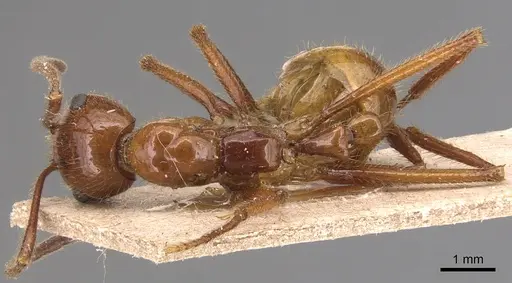
CASENT0908784
View on AntWeb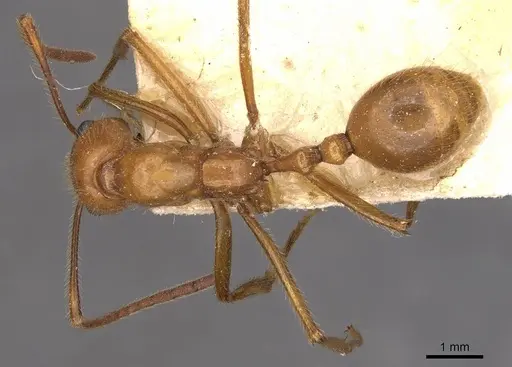
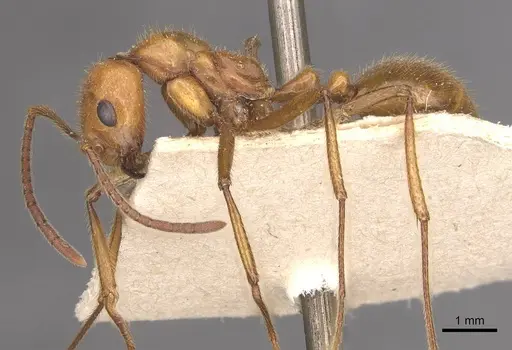
CASENT0914059
View on AntWeb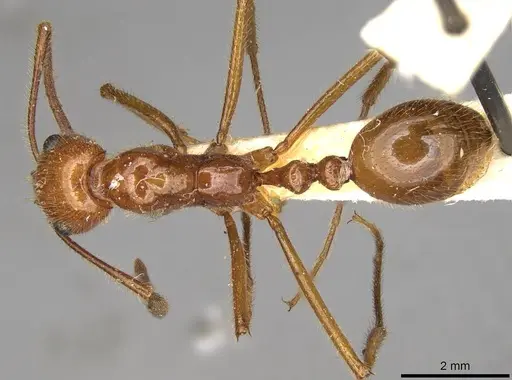
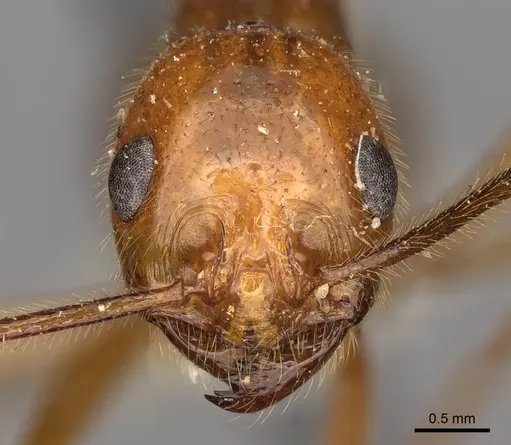
ECOFOG-IT14-0306-53
View on AntWeb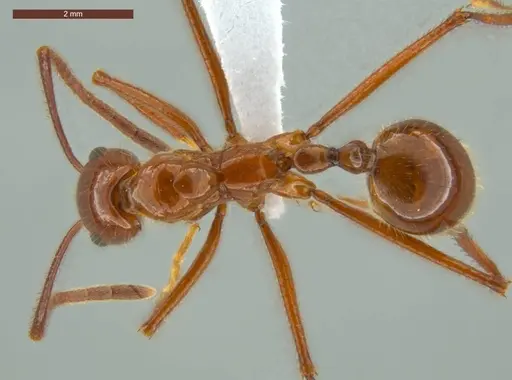
ECOFOG-IT14-0982-13
View on AntWeb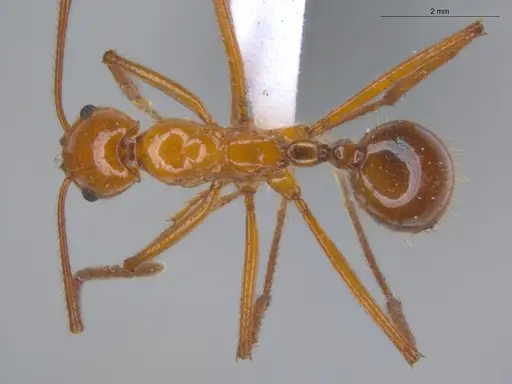
FOCOL1754
View on AntWeb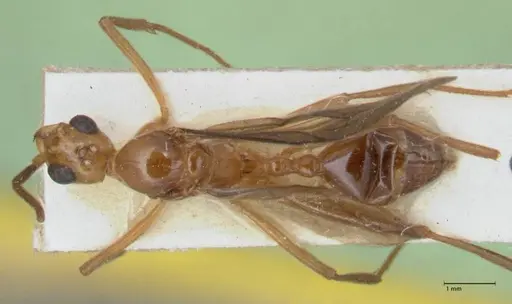
FOCOL1755
View on AntWeb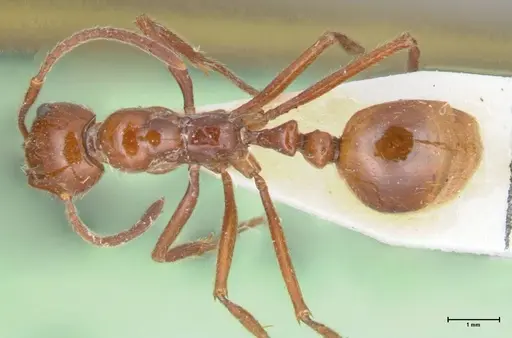
FOCOL1756
View on AntWeb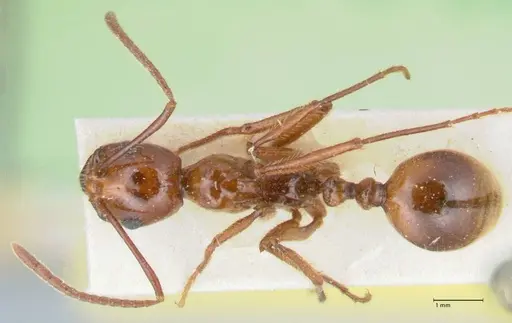
Literature
Loading distribution map...Loading products...