
Mayaponera pergandei
- Sci. Name
- Mayaponera pergandei
- Tribe
- Ponerini
- Subfamily
- Ponerinae
- Author
- Forel, 1909
- Distribution
- Found in 7 countries
Introduction
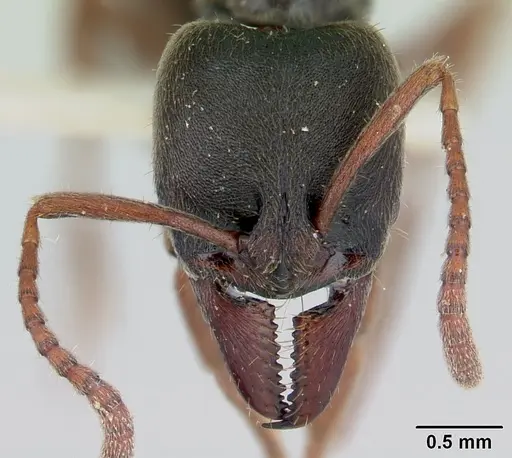
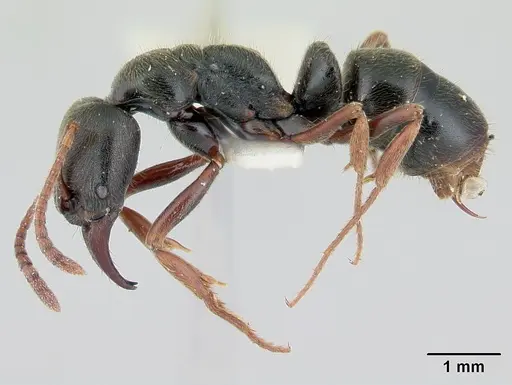
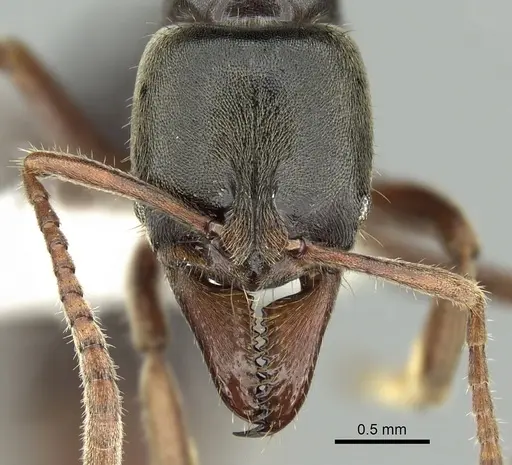
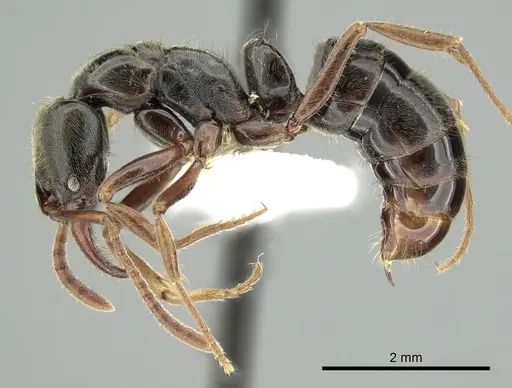
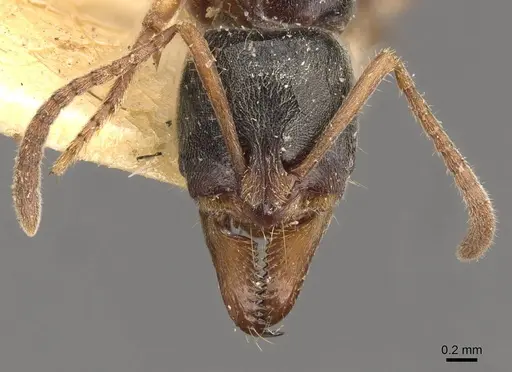
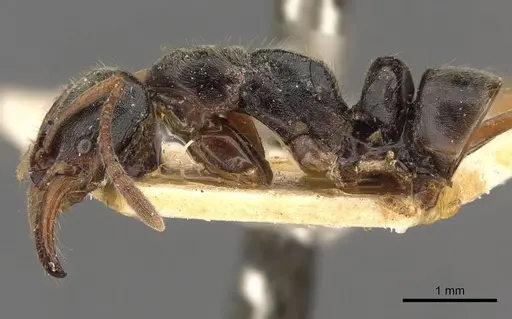
Mayaponera pergandei is a medium-sized predatory ant from the Ponerinae subfamily, native to Central and South America. Workers measure 5-6mm in total length and are predominantly black with contrasting reddish-brown mandibles, clypeus, antennae, and legs . This species belongs to the arhuaca complex and is found exclusively in shaded rainforest habitats from Guatemala down through Costa Rica, Colombia, Ecuador, and Peru . It nests in soil and workers can be collected from sifted leaf litter. The species is closely related to Mayaponera conicula and Mayaponera cernua, with which it shares similar morphology. Queens have not been described for this species, making captive breeding more challenging as there is limited information on their founding behavior.
Quick Summary
- Difficulty: Medium
- Origin & Habitat: Native to the Neotropical region from Guatemala to Peru, found in riparian tropical rainforest at elevations of 29-513 meters. Workers have been collected in sifted leaf litter and a colony was found nesting in soil in Ecuador. Also recorded in cacao plantations [3][1].
- Colony Type: Colony structure is unconfirmed. Queens have not been described, so it is unclear whether colonies are single-queen or multi-queen.
- Size & Growth:
- Antkeeping:
- Temperature: Keep warm at 24-28°C. This species comes from tropical rainforest habitats so it needs consistently warm conditions.
- Humidity: High humidity is essential, keep the nest substrate consistently moist but not waterlogged. Provide a water tube for drinking access.
- Diapause: No, this is a tropical species from low elevations (29-513m) in rainforest habitats. It does not require hibernation or winter rest [2].
- Nesting: Soil-nesting species. In captivity, a naturalistic setup with moist substrate (like a dirt-filled formicarium or Y-tong with soil chamber) works well. Provide deep enough substrate for them to dig and maintain humidity.
- Behavior: Mayaponera pergandei is a predatory ant, typical of the Ponerinae subfamily. Workers are active foragers that hunt for small invertebrates. They have a functional stinger, Ponerinae ants can deliver painful stings though this specific species' sting potency is unconfirmed. They are not aggressive toward humans but will sting if threatened. Workers are moderately active and will search the outworld for prey. Escape risk is moderate, they are not tiny but can climb smooth surfaces.
- Common Issues: queen unavailability, queens have never been described, making wild-caught colonies the primary source, humidity control, being rainforest species, they decline quickly in dry conditions, no development data, keepers must experiment with temperature and feeding to find what works, predatory diet, they need live prey and may not accept commercial ant foods, small colony failure, wild-caught colonies may be small and fragile
Housing and Nest Setup
Mayaponera pergandei is a soil-nesting species from tropical rainforest environments. In captivity, provide a naturalistic setup with moist substrate, a formicarium filled with damp soil or a Y-tong nest with a soil chamber works well. The substrate should hold moisture without becoming waterlogged. A depth of at least 5-10cm allows for natural tunneling behavior. Since queens have never been described, you will likely be starting with wild-caught colonies or workers collected from litter. For founding colonies, use a test tube setup with moist cotton, but transfer to a more spacious setup once workers are active. [3][1]
Feeding and Diet
As a Ponerinae ant, Mayaponera pergandei is predatory and needs live food. Offer small invertebrates like fruit flies, small crickets, mealworms, and other appropriately-sized prey. They are likely specialized predators on small arthropods found in leaf litter. Feed every 2-3 days, removing uneaten prey after 24 hours. Freshly killed insects are often accepted if the ants cannot hunt live prey. Sugar sources are not typically important for Ponerinae ants, they get nutrition from protein-rich prey. Always provide a water source.
Temperature and Humidity Requirements
This species requires warm, humid conditions matching its tropical rainforest origin. Keep temperatures in the 24-28°C range consistently. A slight gradient allows the ants to regulate their temperature. Use a low-wattage heating cable under or alongside the nest if room temperature is below 24°C. Humidity should be high, the nest substrate should feel consistently damp but not have standing water. A water tube attached to the nest provides drinking water. Poor humidity quickly leads to colony decline. [2]
Behavior and Foraging
Mayaponera pergandei workers are active foragers that hunt individually through the leaf litter layer. Like other Ponerinae, they likely use chemical trails to communicate about food sources but do not form large raiding parties. Workers are moderately sized and can climb smooth surfaces, though they are not particularly good escapers. They have a stinger and will use it if provoked, though the pain level for this specific species is not documented. Colonies are likely relatively small compared to formicine or myrmicine ants.
Colony Establishment
Since queens have never been described for this species, establishing a colony requires finding wild-caught specimens. Workers can be collected from sifted leaf litter in their natural range. A colony may contain a queen that has not been scientifically described, or you may be collecting a fragment of a larger colony. These ants are not commonly kept in captivity, so expect a period of experimentation to learn what works. [3][1]
Frequently Asked Questions
How do I get a Mayaponera pergandei colony?
Queens have never been described for this species, so you cannot buy a queen. Your only option is to collect workers from the wild in their native range (Guatemala to Peru), or find someone who has collected them. Expect to collect from leaf litter in rainforest areas.
What do Mayaponera pergandei ants eat?
They are predatory ants that need live invertebrate prey. Offer small insects like fruit flies, pinhead crickets, small mealworms, and other tiny arthropods.
What temperature do Mayaponera pergandei ants need?
Keep them warm at 24-28°C. This is a tropical rainforest species from low elevations (29-513m), so they need consistently warm conditions year-round.
Do Mayaponera pergandei ants need hibernation?
No. As a tropical species from low-elevation rainforest, they do not require diapause or winter rest. Keep them warm year-round.
How big do Mayaponera pergandei colonies get?
Unknown. No colony size data exists for this species.
Are Mayaponera pergandei good for beginners?
No. This is an advanced species due to several challenges: queens have never been described (no captive breeding), they require specific warm humid conditions, they need live prey, and there is almost no husbandry information available.
How long does it take for Mayaponera pergandei to develop from egg to worker?
Unknown. No development data exists for this species.
What humidity level do Mayaponera pergandei ants need?
High humidity, keep the nest substrate consistently moist like damp rainforest soil. They decline quickly in dry conditions. Provide a water tube for drinking access.
Can I keep multiple Mayaponera pergandei queens together?
Unknown. The colony structure is unconfirmed and queens have never been described. Do not attempt combining unrelated queens without evidence they can coexist.
What nest type is best for Mayaponera pergandei?
A naturalistic setup with moist soil substrate works best. A Y-tong or acrylic formicarium with a soil chamber allows them to dig and maintain humidity. Test tubes can work for small fragments but they will need more space as the colony grows.
Report an Issue
The current care sheet is based fully on literature. See inconsistencies, or something that's incorrect? Please , it will be resolved after review from an admin. Contributing to the blogs tab also helps providing information, to make us be able to further improve the caresheets. Thank you for your support!
References

This caresheet is licensed under CC BY-SA 4.0 .
Community Blogs
CASENT0178686
View on AntWeb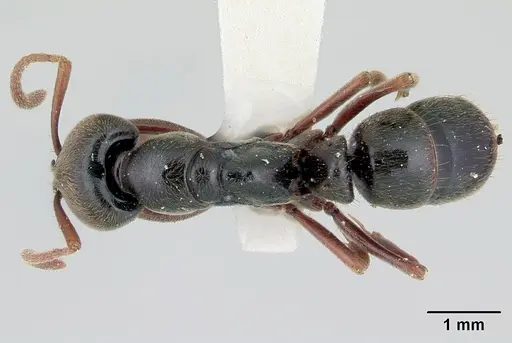
CASENT0249156
View on AntWeb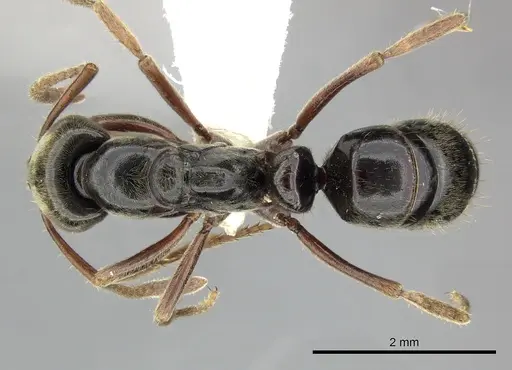
CASENT0317474
View on AntWeb
CASENT0845437
View on AntWeb
CASENT0907280
View on AntWeb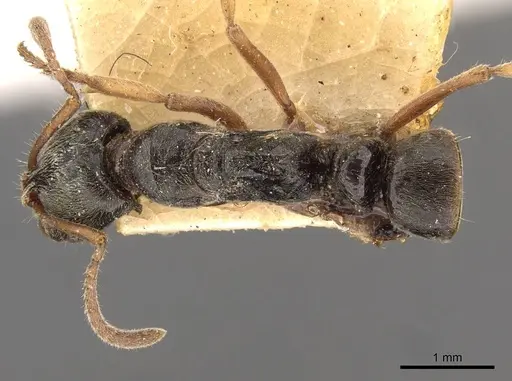
Literature
Loading distribution map...Loading products...