
Mayaponera becculata
- Sci. Name
- Mayaponera becculata
- Tribe
- Ponerini
- Subfamily
- Ponerinae
- Author
- MacKay & MacKay, 2010
- Distribution
- Found in 4 countries
Introduction
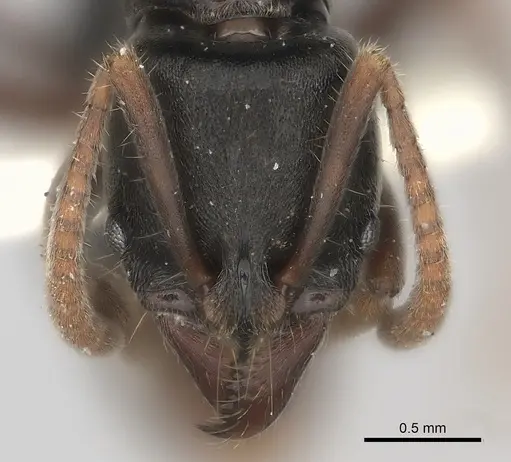
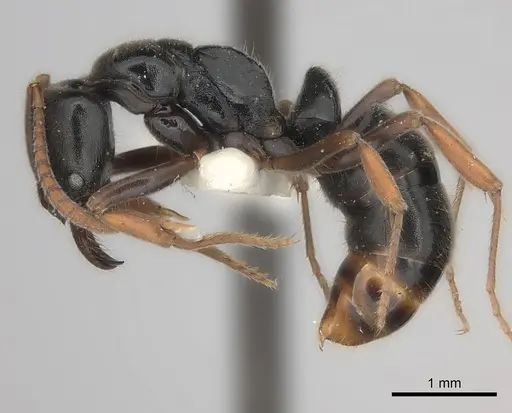
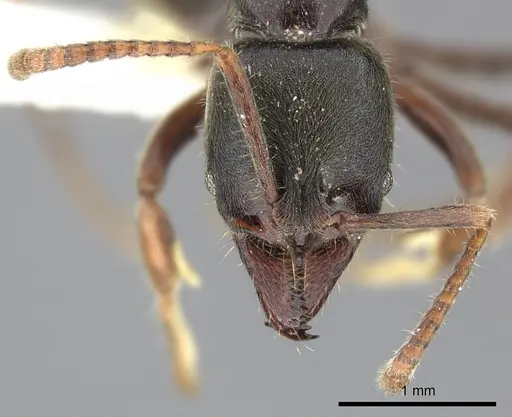
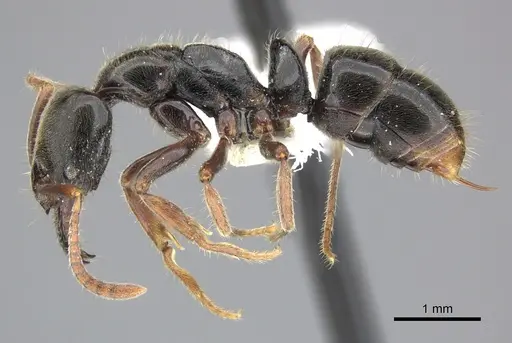
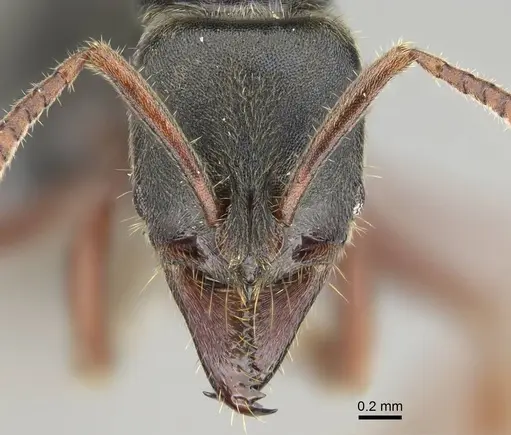
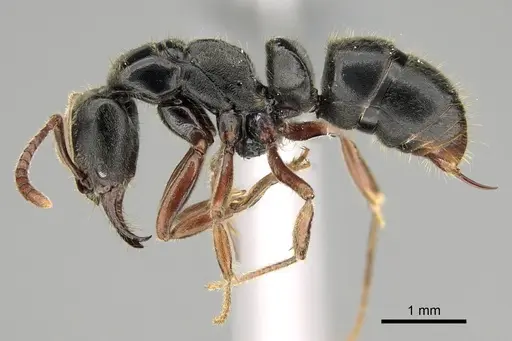
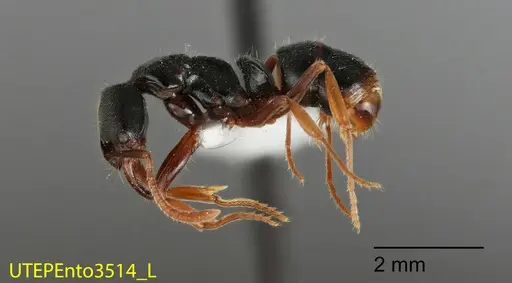
Mayaponera becculata is a small Ponerine ant native to the Neotropical region, ranging from Panama through Colombia, Ecuador, Peru, and Venezuela. Workers measure 5.5-7mm in total length and are nearly black with medium brown legs and reddish-brown mandibles. The most distinctive feature is a sharp tooth or process on the front edge of the clypeus (the shield above their mouthparts), which helps separate them from similar species. These ants live in cloud forests and montane rainforests at elevations between 1000-2000 meters, where they nest in rotting logs and forage through leaf litter . This species was previously classified as Pachycondyla becculata and Rasopone becculata before being moved to the genus Mayaponera in 2020. They are part of the arhuaca species complex and are exclusively found in shaded rainforest habitats, making them a true forest-floor species that prefers dark, humid conditions .
Quick Summary
- Difficulty: Medium
- Origin & Habitat: Cloud forests and montane rainforests of Central and South America (Panama, Colombia, Ecuador, Peru, Venezuela) at elevations of 1000-2000 meters [3][4]. They live in rotting logs and leaf litter in shaded forest habitats [1].
- Colony Type: Colony structure is unconfirmed. Dealate (wingless) females have been collected in June and July [1].
- Size & Growth:
- Queen: Size data unavailable, queen measurements not explicitly documented in available literature
- Worker: 5.5-7mm total length [1]
- Colony: Unknown, no data available on maximum colony size
- Growth: Unknown, no specific studies exist for this species
- Development: Unknown, development time has not been studied for this species (Related Ponerinae species typically develop in 6-12 weeks at warm tropical temperatures, but this is not confirmed for M. becculata.)
- Antkeeping:
- Temperature: Keep at 22-26°C. Based on their cloud forest habitat at high elevations (1000-2000m), they prefer cooler, stable temperatures compared to lowland tropical ants. Avoid overheating.
- Humidity: High humidity required, these are forest-floor ants from humid cloud forests. Keep the nest substrate consistently moist but not waterlogged. Provide a water reservoir and mist regularly.
- Diapause: Unlikely, being a tropical species from stable cloud forest environments, they probably do not require a diapause period. Keep temperatures consistent year-round.
- Nesting: In nature they nest in rotting logs. In captivity, a naturalistic setup with moist substrate (like a dirt-filled formicarium or Y-tong with soil) works well. They prefer dark, enclosed spaces and will likely avoid bright light.
- Behavior: Mayaponera becculata is a predatory Ponerine ant that hunts through leaf litter. They possess a sting as typical for Ponerinae (subfamily Ponerini), injecting potent peptide-rich venom. Workers are moderately sized and can deliver a sting if provoked. They are not aggressive toward humans but will defend their nest if threatened. Escape prevention is important, use standard barriers. They are primarily nocturnal or crepuscular foragers, remaining hidden during the brightest parts of the day.
- Common Issues: high humidity requirements can lead to mold if ventilation is poor, balance is key, tropical species may struggle if temperatures drop below 20°C, limited availability in the antkeeping hobby means established husbandry protocols are scarce, predatory diet means they need live prey, not suitable for keepers who want to avoid feeding insects
Natural History and Distribution
Mayaponera becculata inhabits the cloud forests and montane rainforests of the northern Andes and Central America. Their range extends from Panama south through Colombia, Ecuador, Peru, and Venezuela, with populations found at elevations between 1000 and 2000 meters [3][4]. This high-elevation habitat means they are adapted to cooler, more stable temperatures than many tropical ant species.
In their natural habitat, workers forage through leaf litter and decomposing wood on the forest floor. They nest in rotting logs, which provides the dark, humid conditions they require. The distinctive clypeal tooth (the sharp projection on their face) may help them in prey handling or nest construction. Their cloud forest habitat is characterized by high humidity, limited temperature variation, and dense shade [1].
Housing and Nest Preferences
In captivity, these ants do best in a naturalistic setup that mimics their natural rotting log habitat. A formicarium filled with moist soil or a Y-tong nest with soil substrate works well. The key requirement is darkness, Ponerine ants like Mayaponera prefer enclosed nests and will avoid nests with large glass viewing areas exposed to bright light.
Keep the nest substrate consistently moist but not waterlogged. A water reservoir connected to the nest chamber helps maintain humidity. Since they come from humid cloud forests, aim for substrate that feels damp to the touch. Provide a small outworld for foraging where you can offer prey items. Because they are small (5.5-7mm), ensure escape prevention is adequate, though they are not particularly good climbers compared to some other ants. [1]
Feeding and Diet
As a Ponerine ant, Mayaponera becculata is predatory and hunts small invertebrates in leaf litter. In captivity, their primary food should be small live prey such as fruit flies, small crickets, mealworms, and other appropriately-sized insects. They are likely obligate predators that rely on protein-rich prey to feed their larvae.
Feed them small prey items 2-3 times per week. Remove any uneaten prey after 24-48 hours to prevent mold. While some Ponerines occasionally accept sugar sources, this species' diet in the wild focuses on predation, so sugar water acceptance is uncertain. Offer it occasionally but do not rely on it as a primary food source. Fresh water should always be available.
Temperature and Seasonal Care
Keep your colony at 22-26°C. This is cooler than many tropical ants prefer, reflecting their cloud forest origin at high elevations. Avoid temperatures above 30°C and sudden temperature drops below 20°C. Room temperature in most homes (around 22-24°C) is ideal.
Unlike temperate species, these ants likely do not require a winter diapause. Their natural habitat has minimal seasonal temperature variation. Keep temperatures consistent year-round. If your room temperature drops significantly in winter, consider using a gentle heat source on one side of the nest to maintain stability. A small heating cable or mat placed on top of the nest (never under it, which can dry out the substrate) can help maintain warmth.
Behavior and Handling
Mayaponera becculata is a typical Ponerine ant in behavior, they are solitary hunters that search for prey individually rather than forming large foraging columns. Workers are moderately sized and possess a sting. As members of the subfamily Ponerinae (tribe Ponerini), they have a functional stinger that delivers potent peptide-rich venom. The sting is primarily a defense mechanism and will be used if the colony is threatened.
These ants are not aggressive toward humans and will only sting if directly threatened (handled roughly or their nest is crushed). They are likely nocturnal or crepuscular, becoming more active during dim light conditions. In captivity, they may be shy and hide when the nest is exposed to light. Place the nest in a dim location and observe during low-light conditions to see more natural activity.
Frequently Asked Questions
How long does it take for Mayaponera becculata to raise their first workers?
The exact timeline is unknown for this species. There are no specific studies on their development. Related Ponerinae species typically take 6-12 weeks at warm temperatures (24-26°C), but this may not apply directly to M. becculata. Patience is required during the founding stage.
What do I feed Mayaponera becculata ants?
Feed them small live prey items like fruit flies, small crickets, mealworms, or other tiny insects. They are predatory ants that hunt in leaf litter, so live prey is ideal. Offer protein 2-3 times per week and remove uneaten prey after a day or two.
What temperature do Mayaponera becculata need?
Keep them at 22-26°C. This is cooler than many tropical ants because they come from high-elevation cloud forests. Room temperature is usually ideal. Avoid overheating and temperatures above 30°C.
Are Mayaponera becculata good for beginners?
This species is rated as medium difficulty. They have specific humidity and temperature needs that differ from common beginner species. Their predatory diet requires live prey, and they may be harder to find in the hobby. They are better suited for keepers with some experience who can provide consistent conditions.
How big do Mayaponera becculata colonies get?
The maximum colony size is unknown. There are no published studies on colony size for this species. They are not known for forming supercolonies.
Do Mayaponera becculata need hibernation?
No, they do not require hibernation. Being a tropical cloud forest species, they prefer consistent temperatures year-round. Keep their environment stable without seasonal cooling.
What type of nest is best for Mayaponera becculata?
A naturalistic setup with moist soil substrate works best. They nest in rotting logs in the wild, so a dirt-filled formicarium or Y-tong with soil mimics their natural habitat. They prefer dark, enclosed spaces and will avoid brightly lit nests.
Can I keep multiple Mayaponera becculata queens together?
This has not been studied for this species. Colony type (monogyne vs polygyne) is unconfirmed. Combining unrelated queens is not recommended since it has not been documented. Most Ponerinae are single-queen species.
Why is my Mayaponera becculata colony dying?
Common causes include: temperatures too cold (below 20°C), humidity too low or too high (causing mold or drying), improper diet (they need live prey), or stress from excessive disturbance. Review your temperature, humidity, and feeding regimen.
Report an Issue
The current care sheet is based fully on literature. See inconsistencies, or something that's incorrect? Please , it will be resolved after review from an admin. Contributing to the blogs tab also helps providing information, to make us be able to further improve the caresheets. Thank you for your support!
References

This caresheet is licensed under CC BY-SA 4.0 .
Community Blogs
CASENT0217551
View on AntWeb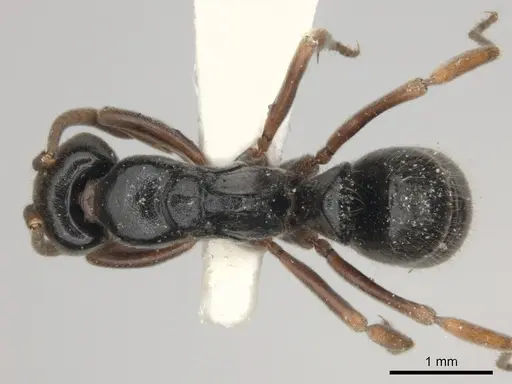
CASENT0249130
View on AntWeb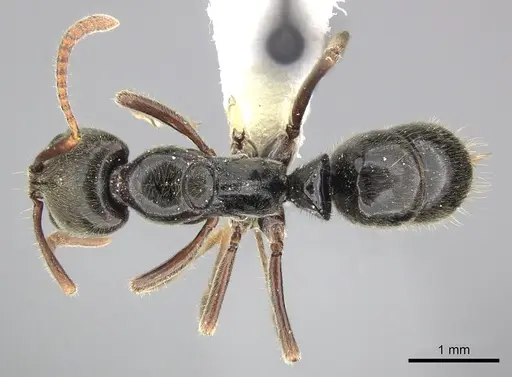
CASENT0374638
View on AntWeb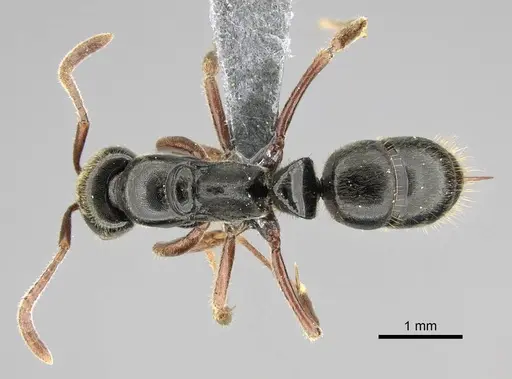
CASENT0428720
View on AntWeb
UTEPENTO3514
View on AntWeb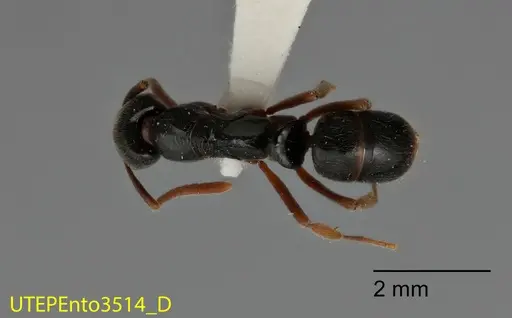
Literature
Loading distribution map...Loading products...