
Mayaponera arhuaca
- Sci. Name
- Mayaponera arhuaca
- Tribe
- Ponerini
- Subfamily
- Ponerinae
- Author
- Forel, 1901
- Distribution
- Found in 11 countries
Introduction
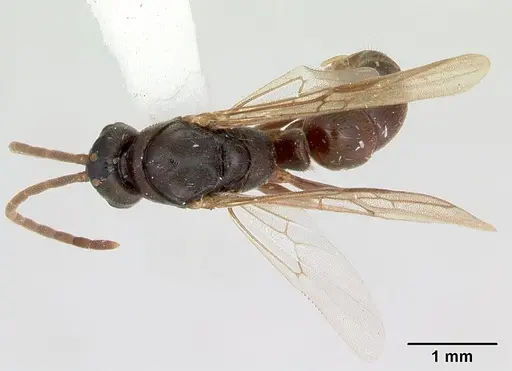
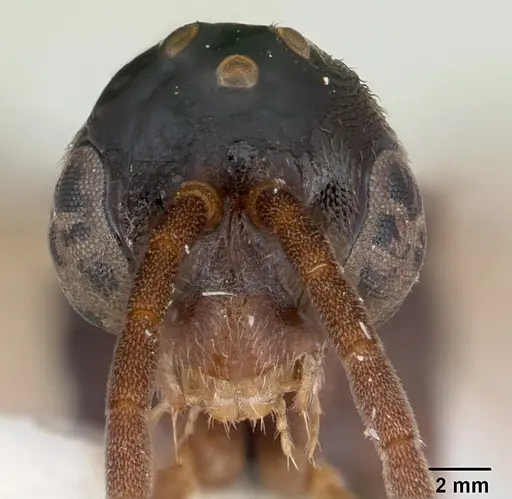
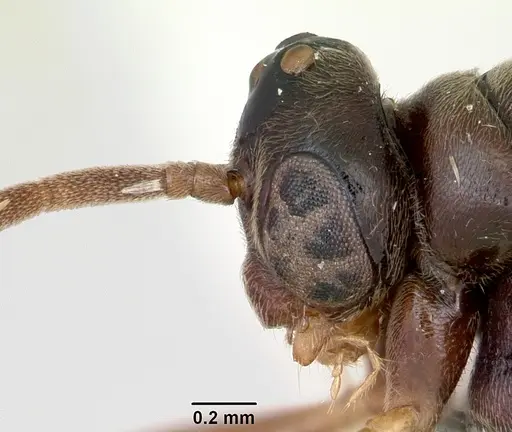
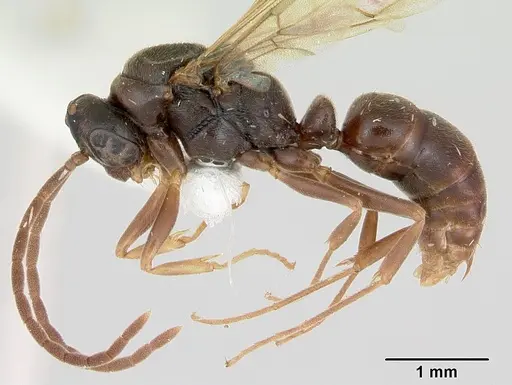
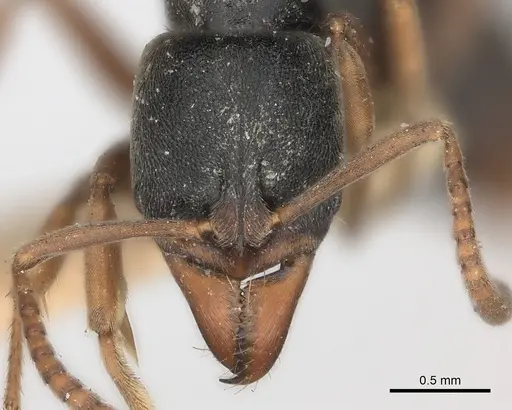
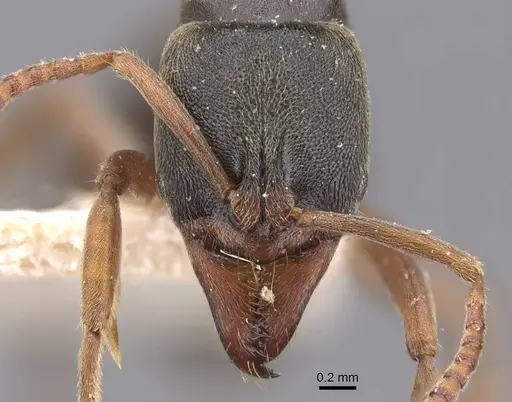
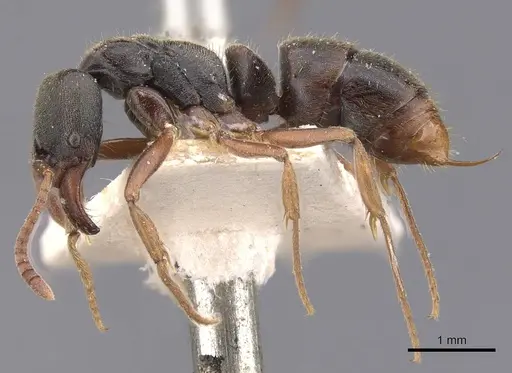
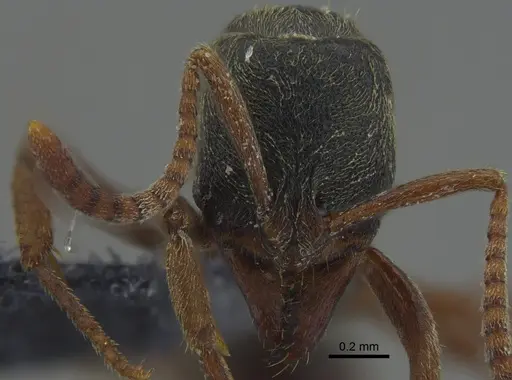
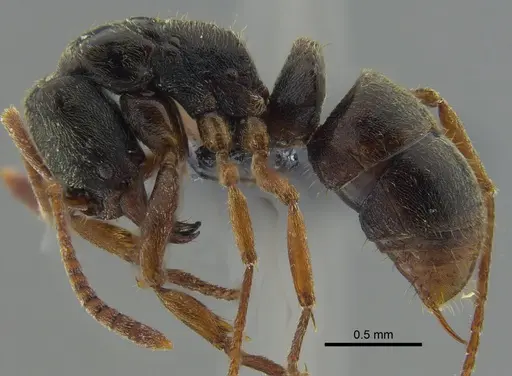
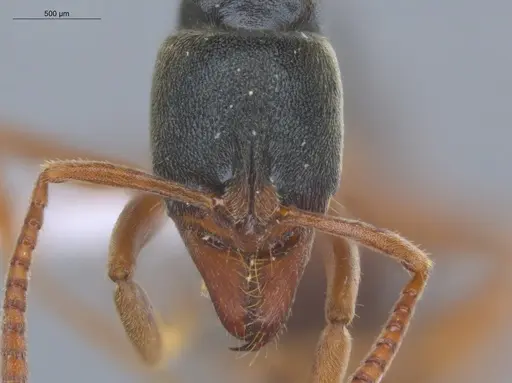
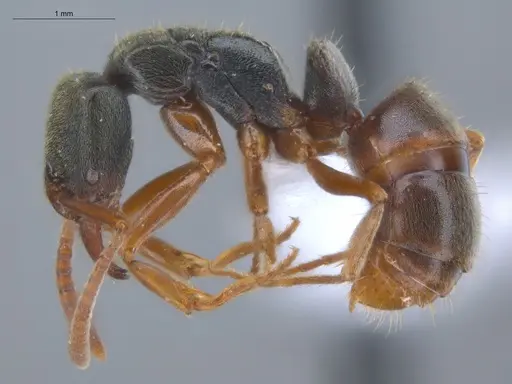
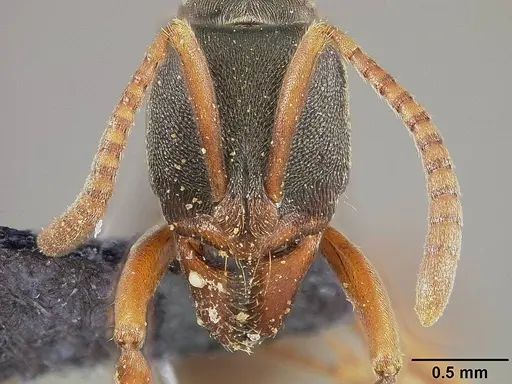
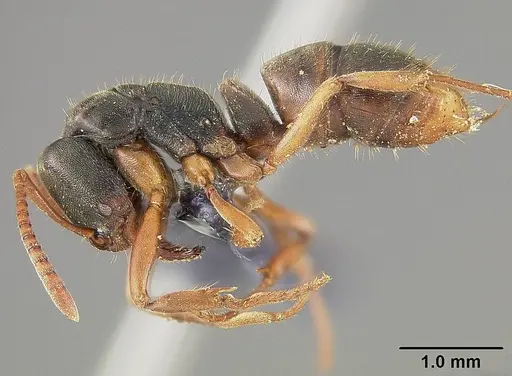
Mayaponera arhuaca is a small ponerine ant native to Central and South America, ranging from Costa Rica through Brazil and Trinidad. Workers are dark brown with pale brown legs, measuring under 5mm in total length. They have small eyes and a distinctive circular propodeal spiracle. This species is part of the arhuaca complex and is distinguished by its swollen pronotal shoulder. Queens are slightly larger at around 6mm. These ants nest in rotten wood and soil, and workers forage in leaf litter. They are rarely collected and found only in shaded rainforest habitats, suggesting they prefer humid, protected microclimates. The species has a chromosome count of 2n=36 .
Quick Summary
- Difficulty: Medium
- Origin & Habitat: Wet lowland tropical forests, secondary lowland rain forest, and urban habitats from 10-1000m elevation. Found in rotten wood and soil under wood, also collected from leaf litter [2].
- Colony Type: Colony structure is unconfirmed. Based on related Ponerine species, likely single-queen colonies. No documented ergatoid replacement reproductives.
- Size & Growth:
- Queen: ~6mm total length [2]
- Colony: Unknown, rarely collected species with limited data [2]
- Growth: Unknown, estimated as moderate based on tropical Ponerine patterns
- Development: 6-10 weeks, estimated from related tropical Ponerines (Development timeline is not directly studied. Based on genus patterns for similar sized ponerines.)
- Antkeeping:
- Temperature: Keep at 24-28°C, these are lowland tropical ants requiring warm, stable conditions
- Humidity: High humidity required, think damp rainforest floor. Keep nest substrate consistently moist but not waterlogged
- Diapause: No, being a tropical species, they do not require hibernation. Activity may slow slightly during cooler periods but no true diapause
- Nesting: In nature they nest in rotten wood and soil under wood. In captivity, a naturalistic setup with rotting wood pieces or a well-humidified Y-tong/plaster nest works well. They prefer tight, humid chambers
- Behavior: These are secretive, ground-dwelling ants that forage in leaf litter. Workers are not particularly aggressive but will defend the nest using their stinger if threatened. They are not known to be escape artists, but their small size means standard escape prevention is still recommended. They are rarely seen outside their nest sites, making them an observation-intensive species. Likely nocturnal or crepuscular foragers based on their small eyes and shaded habitat preference.
- Common Issues: colonies are rarely available and difficult to establish from wild-caught queens due to their secretive nesting habits, tropical humidity requirements can lead to mold problems if ventilation is inadequate, their small size and secretive nature make them difficult to observe and enjoy, they may refuse to forage in open spaces, requiring naturalistic setups to encourage activity, lack of captive breeding data means established protocols do not exist
Natural History and Distribution
Mayaponera arhuaca is found across the Neotropical region, from Costa Rica through Panama, Colombia, Ecuador, Peru, Bolivia, Brazil, Guyana, French Guiana, Suriname, Venezuela, and Trinidad [3]. They inhabit wet lowland tropical forests, secondary lowland rainforests, and even urban lawns at elevations between 10-1000 meters [2]. The type locality is Sierra Nevada de Santa Marta in Magdalena, Colombia. These ants are considered rare collectors, typically found in leaf litter extractions and nesting in rotten wood or soil beneath wood [2]. They are part of the arhuaca complex and are found only in shaded rainforest habitats, avoiding more open areas [4]. They have been recorded in Colombia at multiple departments including Amazonas, Bolívar, Cauca, Caquetá, Cundinamarca, Guaviare, Magdalena, Nariño, Putumayo, and Valle del Cauca [3].
Nesting Preferences
In the wild, Mayaponera arhuaca nests in rotten wood and the soil directly under that wood [2]. Workers are also collected through leaf litter extractions, indicating they forage in the forest floor layer. They have been found in abandoned Nasutitermes termite nests that had fallen to the soil surface [5]. For captive care, provide a naturalistic setup with damp substrate and rotting wood pieces, or use a well-humidified Y-tong or plaster nest. They prefer tight chambers and passages scaled to their small size. The nest should maintain consistently high humidity without becoming waterlogged.
Temperature and Humidity Requirements
As a lowland tropical species from wet forests, these ants require warm and humid conditions. Keep the nest at 24-28°C, avoiding temperature drops below 22°C. A heating cable on one side of the nest can create a gentle gradient. Humidity should be high, the substrate should feel damp to the touch. These ants are sensitive to drying out and will likely retreat deeper into the nest if conditions become too dry. Ensure adequate ventilation to prevent mold while maintaining humidity.
Feeding and Diet
While specific feeding data is not available for this species, related Ponerine ants are typically predators and foragers. They likely accept small live prey such as fruit flies, pinhead crickets, and other tiny arthropods. Based on their leaf-litter foraging behavior, they probably also scavenge and may accept protein-based foods. Offer small prey items twice weekly and monitor acceptance. Sugar sources may be accepted but are not a primary food source for this predatory group.
Reproduction and Nuptial Flights
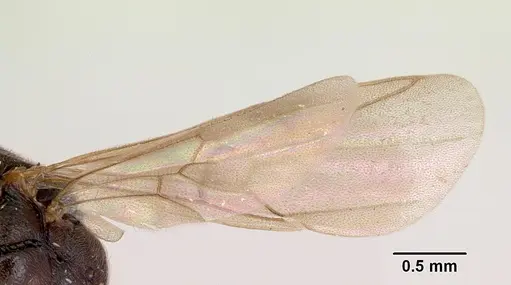
Nuptial flight data shows winged reproductives are most commonly collected in mid-summer. Winged males have been collected in January (Brazil), May (Perú), July (Panamá), and October (Perú). Winged females were collected in May (Panamá). A dealate female was collected in May in Panama, and brood was present in a nest in January [2]. This suggests flights occur primarily during the warmer summer months, though the exact timing varies across their range.
Frequently Asked Questions
How long does it take for Mayaponera arhuaca to raise first workers?
The exact development timeline is not documented, but based on related tropical Ponerine species, expect 6-10 weeks from egg to first worker at optimal temperature (around 26°C).
What do Mayaponera arhuaca ants eat?
They are likely predatory like other Ponerines. Based on related species, they probably accept small live prey such as fruit flies, tiny crickets, and other small arthropods. Offer protein twice weekly.
Are Mayaponera arhuaca ants aggressive?
They are not particularly aggressive toward keepers but will defend their nest using their stinger if threatened. As a small ground-dwelling species, they are more secretive than aggressive.
Do Mayaponera arhuaca ants need hibernation?
No, being a tropical species from lowland rainforests, they do not require hibernation. Keep them warm year-round at 24-28°C.
What is the best nest type for Mayaponera arhuaca?
A naturalistic setup with damp substrate and rotting wood pieces works best, or a well-humidified Y-tong/plaster nest. They prefer tight, humid chambers scaled to their small size.
How big do Mayaponera arhuaca colonies get?
Colony size is not well documented as they are rarely collected. Based on their small size and rare occurrence, colonies are likely moderate, probably under a few hundred workers.
Can I keep multiple Mayaponera arhuaca queens together?
Colony structure is not documented for this species. Based on related Ponerines, they are likely single-queen colonies. Combining unrelated queens is not recommended.
Why are my Mayaponera arhuaca ants not foraging?
They are secretive, ground-dwelling ants that prefer to stay in leaf litter and dark spaces. Use a naturalistic setup with hiding spots and low lighting to encourage foraging activity.
Are Mayaponera arhuaca good for beginners?
This species is rated as medium difficulty. They require specific tropical humidity and are rarely available, making them better suited for experienced antkeepers interested in unusual species.
Report an Issue
The current care sheet is based fully on literature. See inconsistencies, or something that's incorrect? Please , it will be resolved after review from an admin. Contributing to the blogs tab also helps providing information, to make us be able to further improve the caresheets. Thank you for your support!
References

This caresheet is licensed under CC BY-SA 4.0 .
Community Blogs
CASENT0173036
View on AntWeb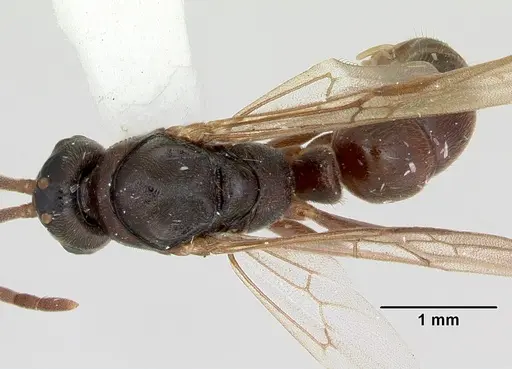
CASENT0217550
View on AntWeb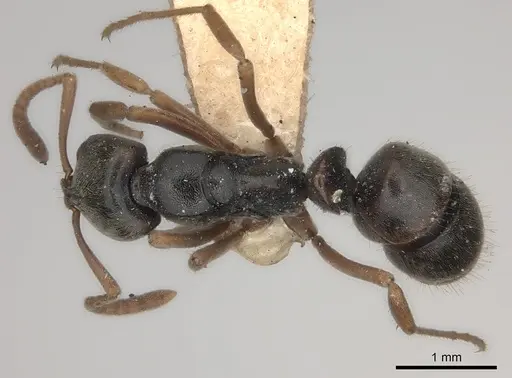
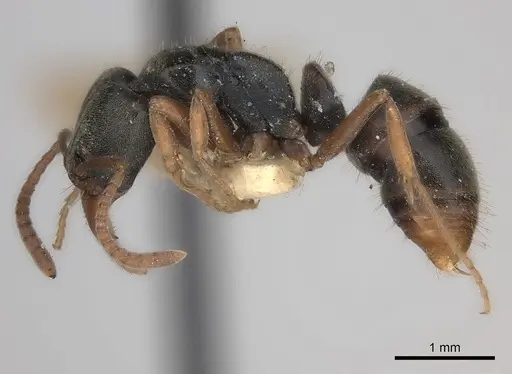
CASENT0249129
View on AntWeb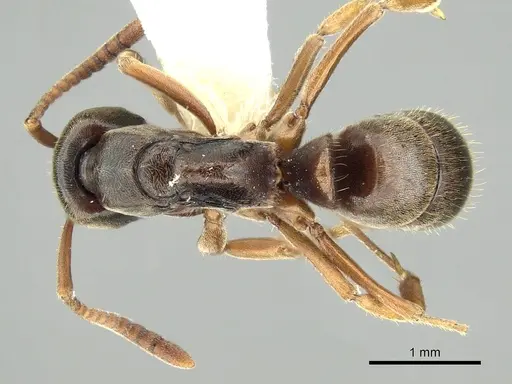
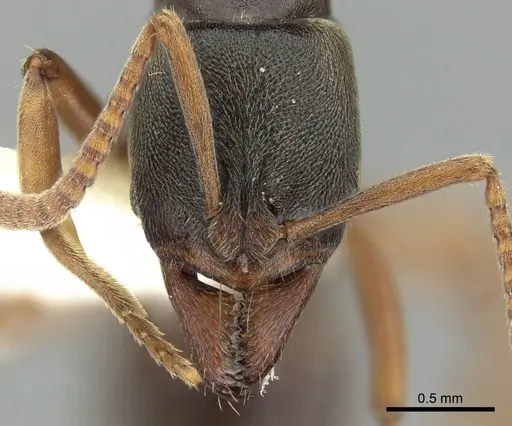
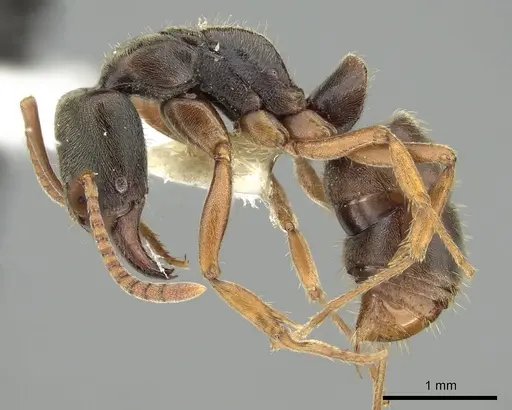
CASENT0907276
View on AntWeb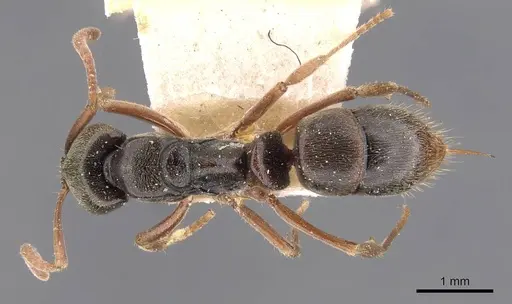
CBUMAGENT41669
View on AntWeb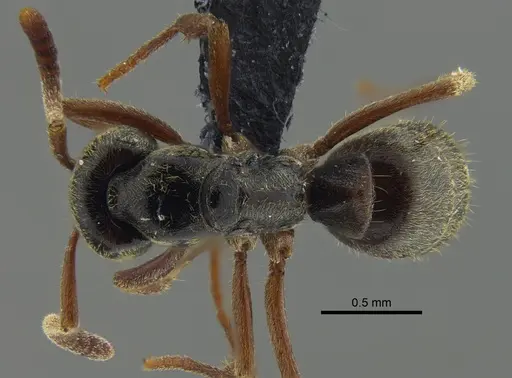
ECOFOG-IT14-0275-09
View on AntWeb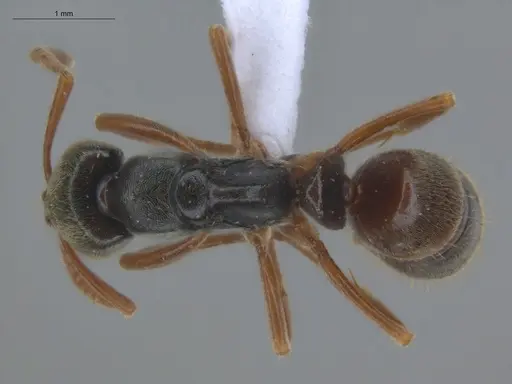
USNMENT00445647
View on AntWeb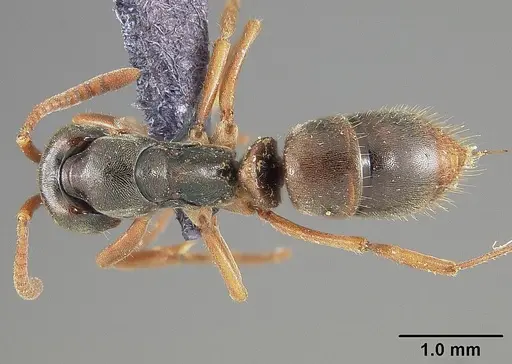
Literature
Loading distribution map...Loading products...