
Manica hunteri
- Sci. Name
- Manica hunteri
- Tribe
- Myrmicini
- Subfamily
- Myrmicinae
- Author
- Wheeler, 1914
- Distribution
- Found in 2 countries
Introduction
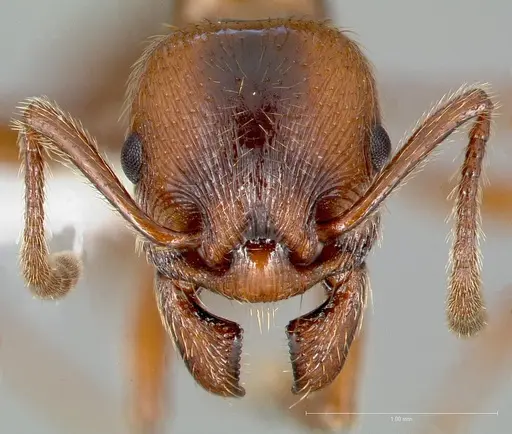
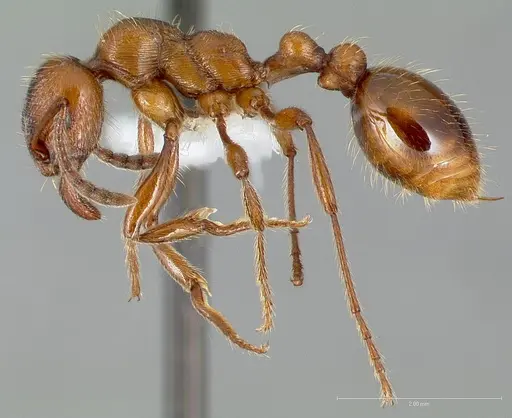
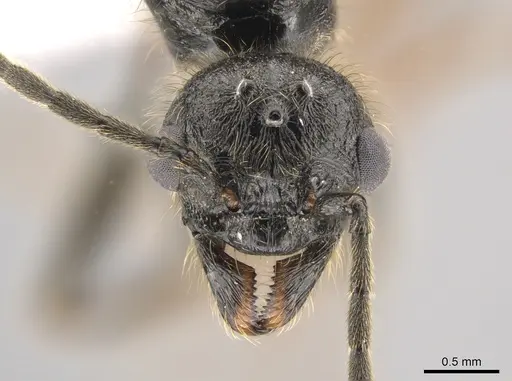
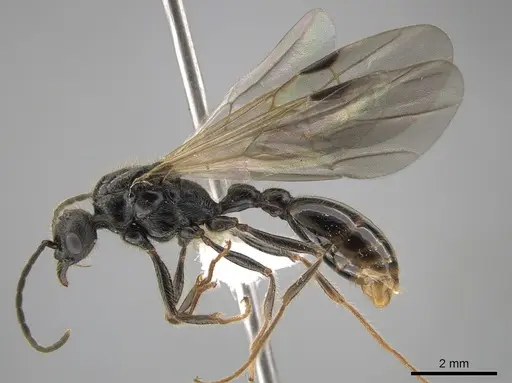
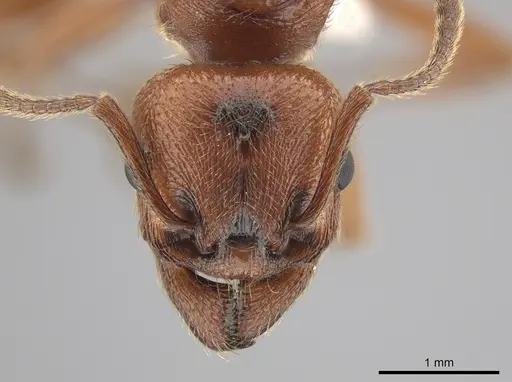
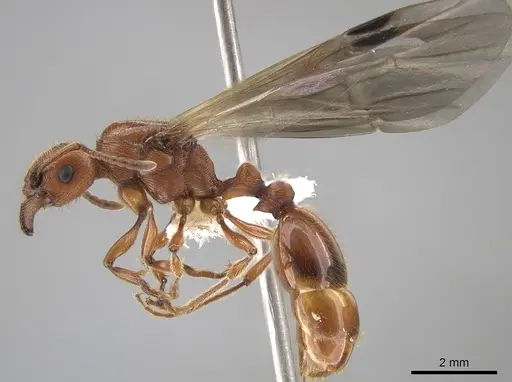
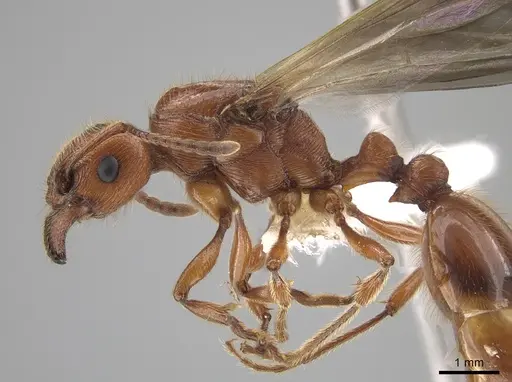
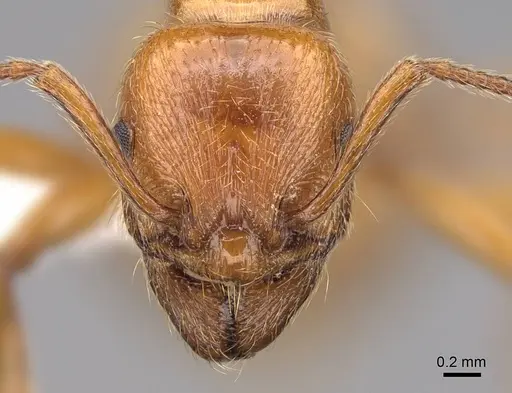
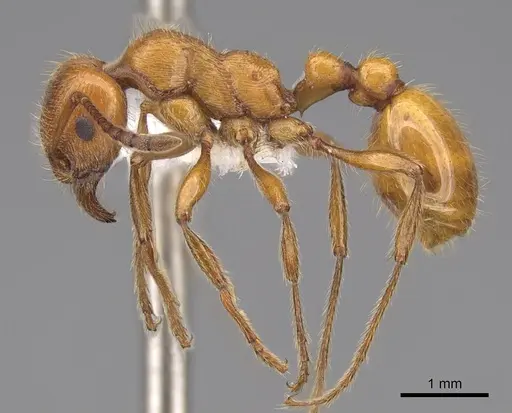
Manica hunteri is a medium-sized myrmicine ant native to western North America, with workers measuring 5-7 mm and a uniformly brownish yellow to reddish brown body . It ranges from northern Utah and Nevada to central California, extending north into southern Canada, and inhabits openings in coniferous forests at elevations from 2,200 to 9,000 feet . Colonies nest under stones or in underground chambers with crater-like entrances . This species is known for its deliberate foraging behavior and mild sting, which is less severe than harvester ants .
Quick Summary
- Difficulty: Medium
- Origin & Habitat: Western North America, from northern Utah and Nevada to central California, north into southern Canada. Found in openings in coniferous forests at elevations 2,200-9,000 feet [1][2].
- Colony Type: Monogyne (single-queen colonies). Queens are semi-claustral, meaning they must leave the nest to forage during founding [3].
- Size & Growth:
- Antkeeping:
- Temperature: Keep at room temperature with a gradient, roughly 20-24°C, based on their natural montane habitat [1].
- Humidity: Keep nest substrate lightly moist, as they prefer conditions similar to forest floor habitats [3].
- Diapause: Yes, require winter dormancy for 3-4 months at cool temperatures (5-10°C) [1][3].
- Nesting: Use Y-tong, plaster, or soil nests for established colonies. For founding, test tubes with rubber stoppers work well, as workers gnaw through corks [1].
- Behavior: Workers forage individually with a deliberate, steady gait [1]. They are moderately defensive and will sting if threatened, but the sting is mild [1]. Escape prevention is important due to their medium size, use standard barriers [1].
- Common Issues: queens require semi-claustral founding, they must forage during founding, unlike claustral species, winter dormancy is essential, colonies need 3-4 months of cool temperatures to thrive, test tube setups need rubber stoppers, workers will gnaw through cork, colonies can be slow to establish, patience is needed during founding, overheating is a risk, prefer cooler temperatures than tropical ants
Nest Preferences and Setup
Manica hunteri naturally nests under stones in mountainous coniferous forests [1]. In captivity, use test tubes for founding colonies, then move to Y-tong, plaster, or soil nests as the colony grows. Always use rubber stoppers instead of corks, as workers will gnaw through cork barriers [1]. Provide a water tube for humidity and keep the nest area moderately humid. They prefer enclosed nest chambers, so mimic natural under-stone setups with soil and stones.
Feeding and Diet
Workers are generalist foragers that hunt individually [1]. Offer protein sources like small insects (e.g., fruit flies, pinhead crickets) 2-3 times per week, and provide constant access to sugar water or honey [1]. Larvae can be fed honey-sugar-yolk mixtures or dead insects [1]. Remove uneaten prey after 24-48 hours to maintain hygiene.
Temperature and Seasonal Care
This northern montane species prefers cooler temperatures. Keep colonies at room temperature with a gradient, roughly 20-24°C, and observe activity patterns [1]. They are most active during warm parts of the day and retreat at night. Provide a winter dormancy period of 3-4 months at 5-10°C to simulate natural cycles, which is essential for colony health [1][3].
Behavior and Defense
Workers have a deliberate, steady gait and forage individually [1]. They will sting when threatened, but the sting is mildly painful and less severe than harvester ants [1]. Workers respond to certain vocalizations with a bouncing behavior, but not to finger-snapping [1]. For escape prevention, use standard barriers due to their medium size.
Colony Founding
Colony founding is semi-claustral, queens must forage during this stage [3]. Dealate queens often overwinter before laying eggs, adapting to cold habitats [3]. Nuptial flights occur from mid-August to mid-September in British Columbia [3]. For captive breeding, provide access to small prey items for the founding queen.
Frequently Asked Questions
Can I keep Manica hunteri in a test tube?
Yes, test tubes work well for founding colonies. Use a rubber stopper instead of a cork since these ants will gnaw through corks [1]. Ensure the queen has access to small prey items because they are semi-claustral and need to forage.
How long does it take for Manica hunteri to produce first workers?
The exact timeline is unknown, as no direct studies exist. Based on genus patterns and semi-claustral founding, it may take several weeks, but this is inferred and not confirmed.
Do Manica hunteri ants sting?
Yes, they have a functional stinger and will sting if threatened. The sting is described as mildly painful or annoying, notably less severe than harvester ant stings [1].
Do Manica hunteri need hibernation?
Yes, this is essential. As a northern montane species, they require a winter dormancy period of 3-4 months at cool temperatures (5-10°C) [1][3].
Are Manica hunteri good for beginners?
They are intermediate in difficulty. The main challenges are providing proper winter dormancy and understanding semi-claustral founding. They are not as beginner-friendly as common claustral species but manageable with experience.
How big do Manica hunteri colonies get?
Mature colonies can reach up to 1,300 workers, based on a census of 1,279 workers under a single stone [1].
Can I keep multiple Manica hunteri queens together?
No, this is a monogyne species with single-queen colonies. Multiple unrelated queens would likely fight, so only one queen should be kept per colony.
What do Manica hunteri eat?
They are generalist foragers. Offer small insects as protein 2-3 times per week and constant sugar water or honey [1]. Their interest in food sources can change rapidly [3].
When do Manica hunteri have nuptial flights?
In British Columbia, nuptial flights occur from mid-August to mid-September [3]. This timing allows queens to overwinter before laying eggs.
Why is my Manica hunteri queen dying during founding?
This is likely due to improper semi-claustral conditions. Queens must have access to the outworld to forage for protein. Without prey, they will exhaust their energy reserves and die. Provide small live or freshly killed insects.
Report an Issue
The current care sheet is based fully on literature. See inconsistencies, or something that's incorrect? Please , it will be resolved after review from an admin. Contributing to the blogs tab also helps providing information, to make us be able to further improve the caresheets. Thank you for your support!
References

This caresheet is licensed under CC BY-SA 4.0 .
Community Blogs
CASENT0005698
View on AntWeb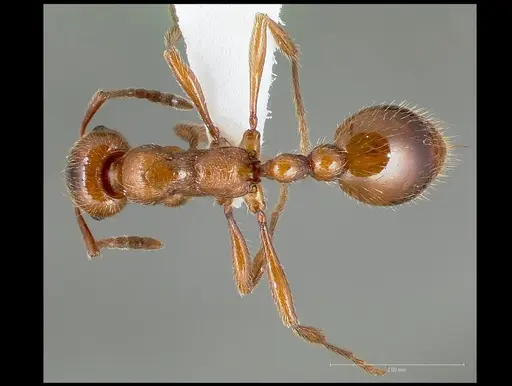
CASENT0654144
View on AntWeb
CASENT0654145
View on AntWeb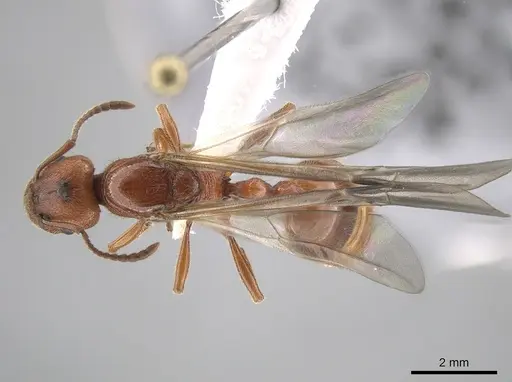
CASENT0922741
View on AntWeb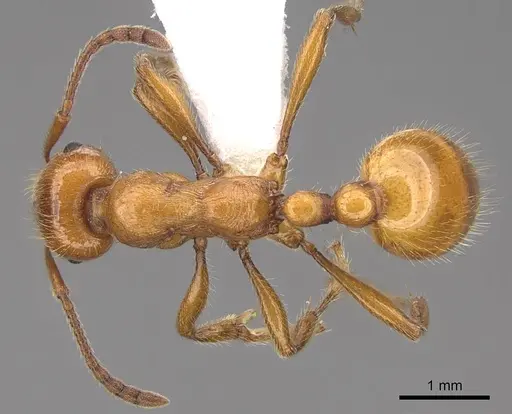
Literature
Loading distribution map...Loading products...