
Malagidris jugum
- Sci. Name
- Malagidris jugum
- Tribe
- Crematogastrini
- Subfamily
- Myrmicinae
- Author
- Bolton & Fisher, 2014
- Distribution
- Found in 1 countries
Introduction
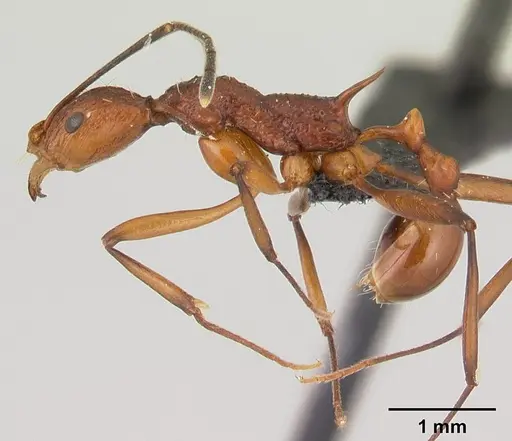
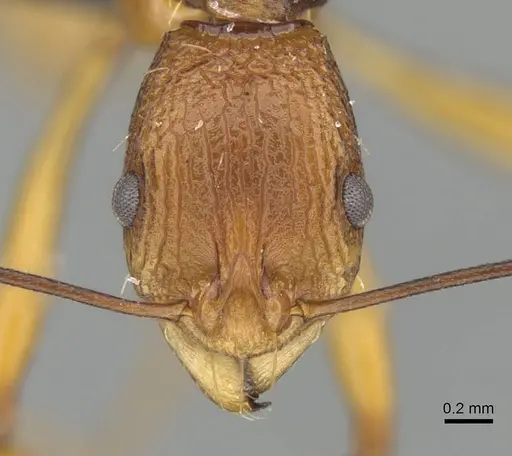
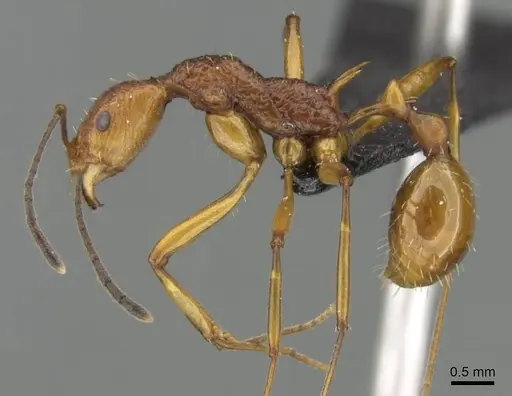
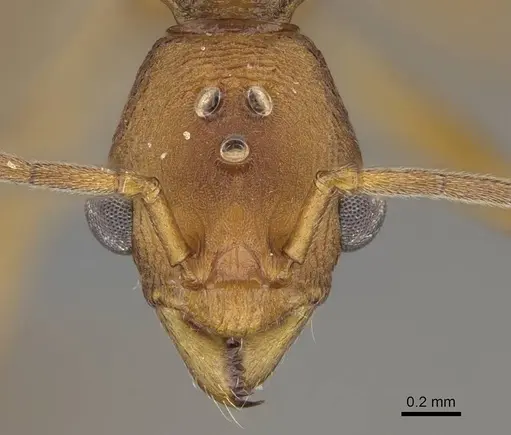
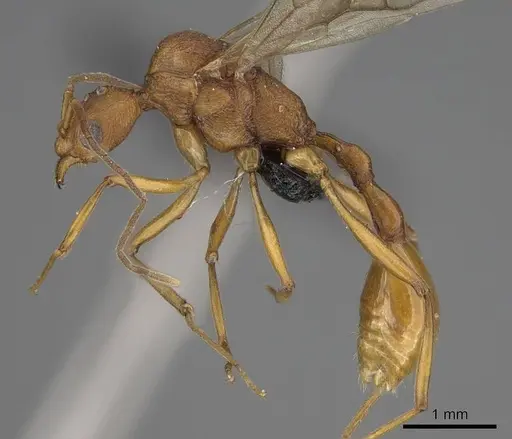
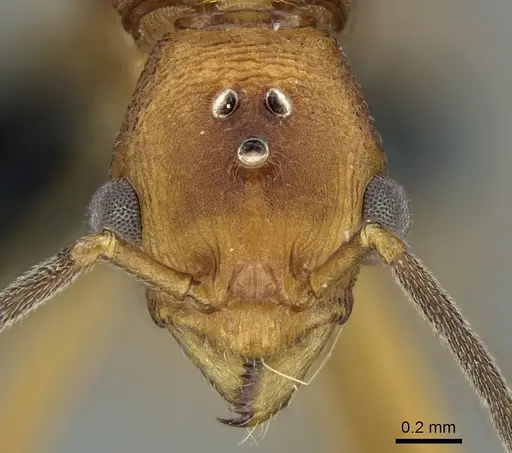
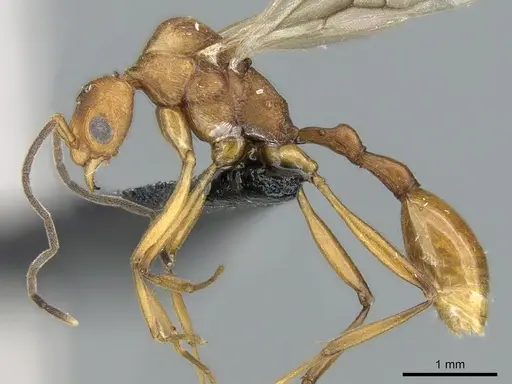
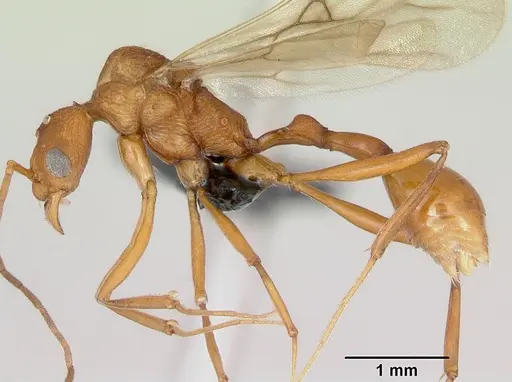
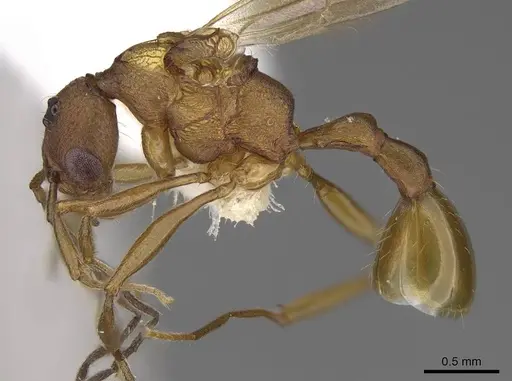
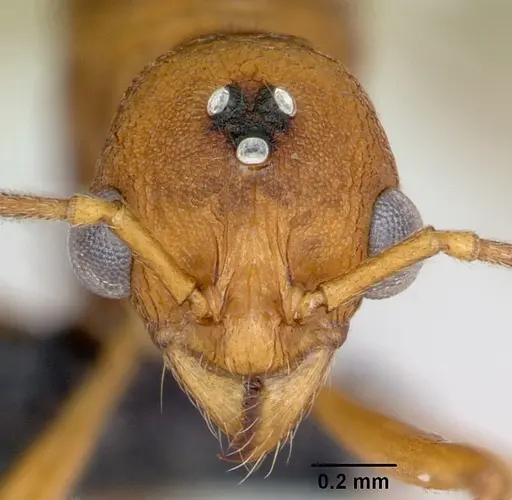
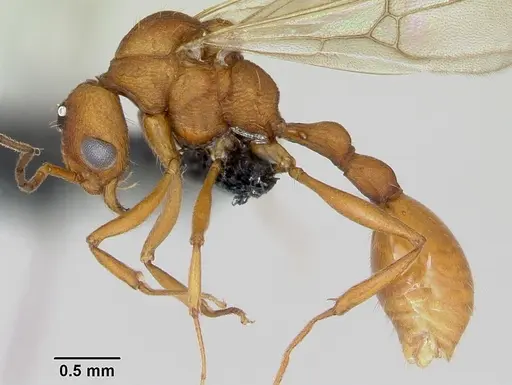
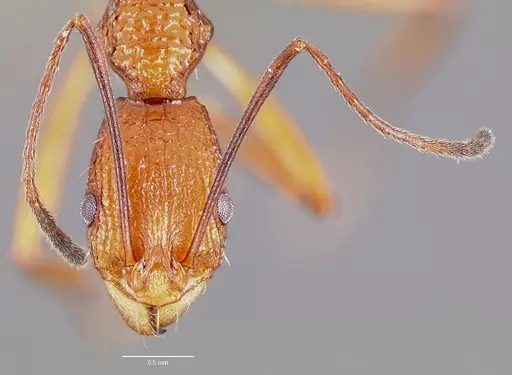
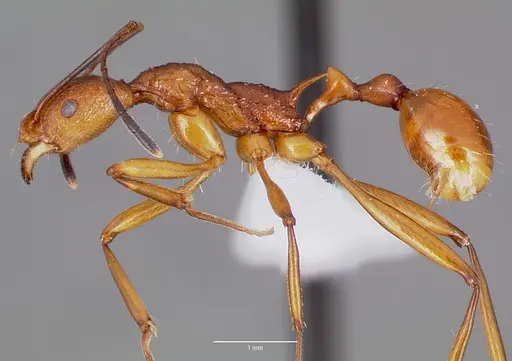
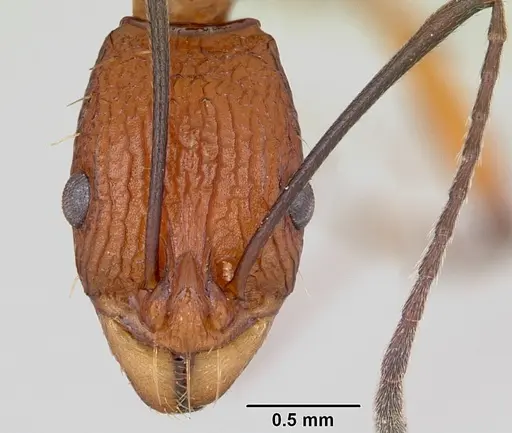
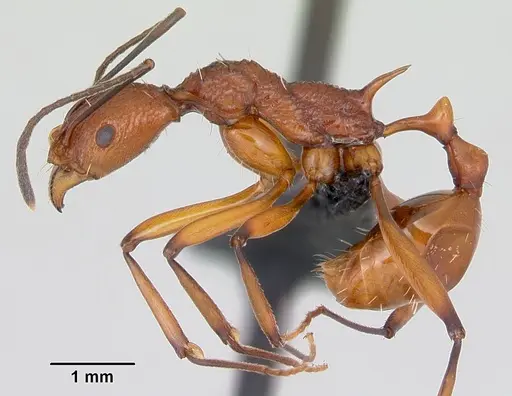
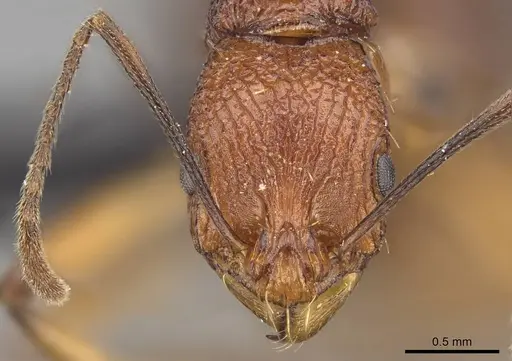
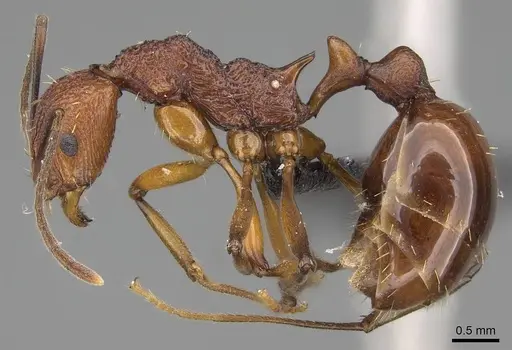
Malagidris jugum is a large, slender Myrmicine ant endemic to Madagascar. Workers measure 5.5-7.7mm in total length with a distinctive heavily sculptured body featuring long propodeal spines and a notably long, slender metafemur. Coloration ranges from yellowish brown to brown, and they have extremely long antennae scapes that extend well past the back of the head. This species nests in the ground and forages in leaf litter, rotten wood, and on the ground surface, occasionally ascending low vegetation. Most collection records come from tropical dry forest, though they also inhabit rainforest and littoral forest. The most unusual trait is the ergatoid queen - a wingless reproductive form that develops without typical alate queen morphology and lacks ocelli entirely .
Quick Summary
- Difficulty: Unknown, insufficient captive care data
- Origin & Habitat: Madagascar, primarily tropical dry forest but also found in rainforest and littoral forest [1][2]
- Colony Type: Colony structure is unconfirmed. The species has ergatoid (wingless) queens documented, which may serve as replacement reproductives within established colonies, but the typical colony queen number and social structure are unknown.
- Size & Growth:
- Antkeeping:
- Temperature: Based on Madagascar tropical forest habitat, aim for 22-28°C with a gentle gradient. No specific studies exist for this species.
- Humidity: Based on forest floor habitat, maintain moderate to high humidity. Keep the nest substrate consistently moist but not waterlogged.
- Diapause: Unknown, no documented hibernation or diapause behavior. Madagascar has mild winters, so minimal temperature drops may be sufficient if needed.
- Nesting: Natural nesting is in soil. In captivity, provide a naturalistic setup with moist substrate or a Y-tong/plaster nest with a humid chamber. Include leaf litter and rotting wood pieces in the outworld for foragers.
- Behavior: Workers are active foragers in leaf litter and on the ground surface. They are relatively large Myrmicines with long legs, suggesting active foraging behavior. Escape risk is moderate due to their size, standard barriers should suffice. Temperament is unknown but likely similar to other forest-floor Myrmicines, not particularly aggressive but will defend the colony if threatened.
- Common Issues: no captive care data exists, this is an advanced species for experienced keepers willing to experiment, humidity balance is critical, too dry causes colony decline, too wet promotes mold, ground-nesting behavior requires proper substrate depth and moisture management, ergatoid queen system may affect colony dynamics in captivity, not well understood, wild-caught colonies may have parasites or fail to adapt to captive conditions
Appearance and Identification
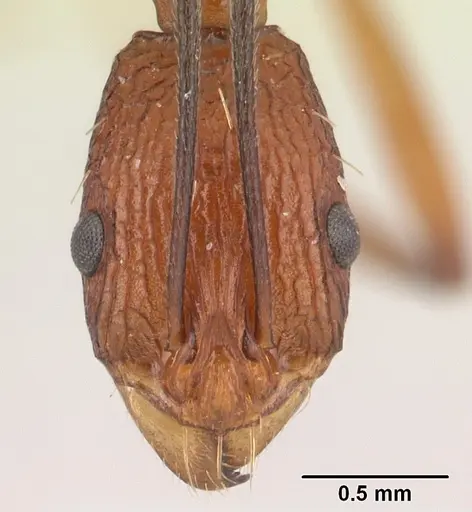
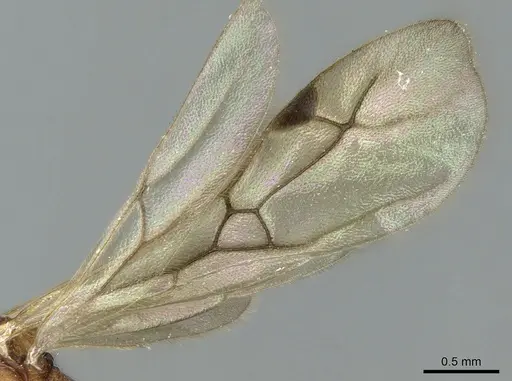
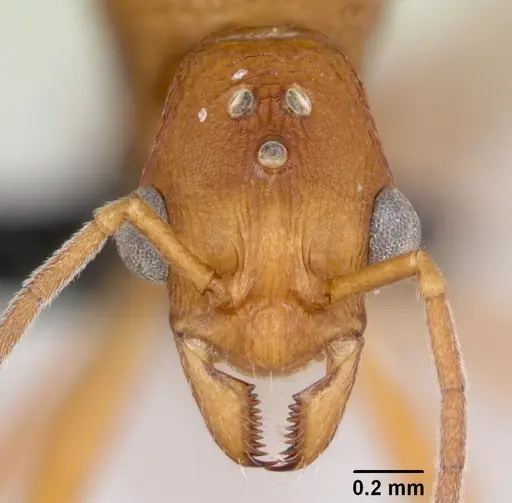
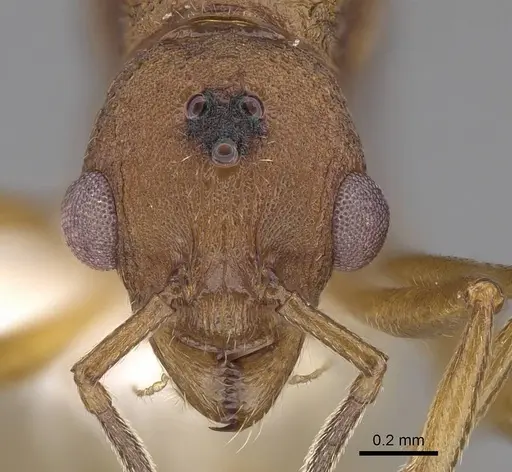
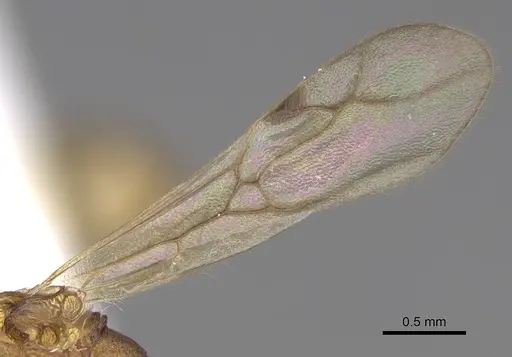
Malagidris jugum workers are large for a Myrmicine ant, measuring 5.5-7.7mm in total length. They have a distinctive appearance with very long antennae scapes that extend well past the rear of the head, and long propodeal spines. The mesosoma is heavily sculptured with sharp transverse rugae. The metafemur is notably long and slender. Coloration is yellowish brown to brown. The species closely resembles Malagidris alperti but can be distinguished by clypeal shape and pilosity patterns. The ergatoid queen is wingless, measures 6.7mm in total length, and lacks ocelli entirely, a rare trait among ants [1].
Natural Habitat and Distribution
This species is endemic to Madagascar, where it occupies multiple forest types. Most collection records come from tropical dry forest at low elevations around 60m, but specimens have also been found in rainforest and littoral forest environments. Workers forage in leaf litter, on the ground surface, and in rotting wood. They occasionally ascend low vegetation, and workers have been found investigating Malaise traps, suggesting some arboreal foraging activity. The species was described in 2014 by Bolton and Fisher from specimens collected in the Antsiranana region of northern Madagascar [1][2].
Housing and Nesting
In nature, M. jugum nests in the ground and forages in leaf litter and rotting wood. For captive care, provide a naturalistic setup with moist substrate at least 2-3cm deep to allow for ground nesting. Alternatively, a Y-tong or plaster nest with a humid chamber works well. Since they forage on the surface, include an outworld with leaf litter, small pieces of rotting wood, and other debris that mimics the forest floor. This gives foragers something to explore and hunt through. Maintain humidity by keeping the substrate moist but not waterlogged, the nest area should have condensation present but not pooling [1].
Feeding and Diet
No specific feeding studies exist for this species. Based on its forest-floor foraging behavior and typical Myrmicine diet, they likely consume small invertebrates found in leaf litter and may tend aphids for honeydew. In captivity, offer small live prey like fruit flies, pinhead crickets, and mealworms. Sugar water or honey can be offered occasionally. Since they forage actively, provide a varied diet with protein sources 2-3 times weekly and constant access to sugar sources. Remove uneaten prey within 24-48 hours to prevent mold [2].
Temperature and Humidity
No specific thermal studies exist for M. jugum. Based on its Madagascar tropical forest habitat, maintain temperatures between 22-28°C. A gentle thermal gradient allows workers to self-regulate. For humidity, aim for moderate to high humidity in the nest area. The substrate should feel consistently moist but never waterlogged. Mist occasionally and provide a water source. Since they come from multiple forest types, they likely tolerate a range of conditions. Monitor colony behavior, workers clustering near heat indicates need for warmer conditions [1].
Unique Queen Biology
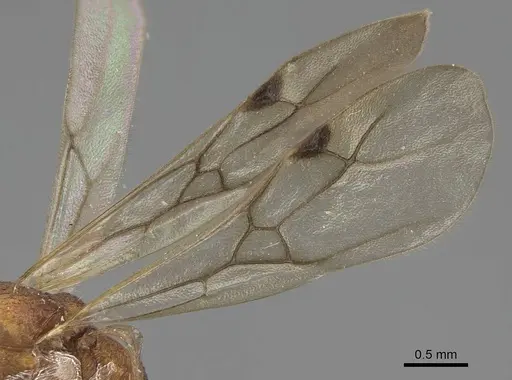
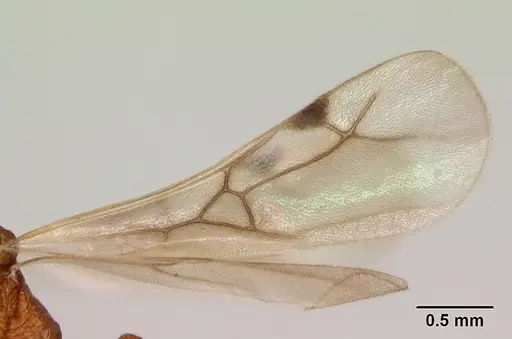
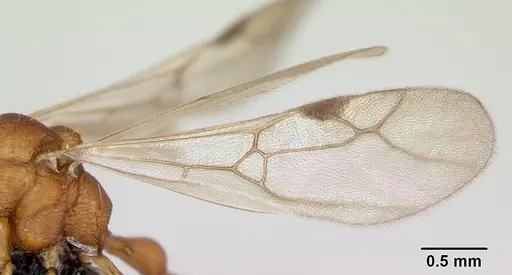
The most remarkable trait of Malagidris jugum is its ergatoid queen, a wingless reproductive female that develops without the typical alate queen morphology. The single documented ergatoid queen measured 6.7mm in total length and lacked ocelli entirely. Ergatoid queens typically serve as replacement reproductives within established colonies rather than dispersing to found new colonies. This suggests the species may have unusual colony dynamics where new queens arise from the worker brood rather than being produced in large numbers during nuptial flights. This affects captive care, if the queen is lost, ergatoid replacement may be possible, but colony reproduction may be challenging to achieve [1].
Defense Mechanism
As a member of the subfamily Myrmicinae and tribe Crematogastrini, this species likely uses a smear defense mechanism. Myrmicines in this tribe have a modified, flattened spatulate stinger used to wipe or smear venom onto enemies rather than piercing flesh. This is a less aggressive defense compared to the painful stings of some other ant species.
Frequently Asked Questions
How long does it take for Malagidris jugum to develop from egg to worker?
This is unknown, no captive breeding data exists for this species.
What do Malagidris jugum ants eat?
No species-specific feeding studies exist. Based on typical Myrmicine behavior and their leaf-litter foraging habitat, they likely eat small invertebrates and may accept sugar sources. Offer live prey like fruit flies and small crickets, plus occasional honey or sugar water.
Are Malagidris jugum ants good for beginners?
No, this species is not recommended for beginners. There is virtually no captive care data available, and the ergatoid queen system means colony establishment and reproduction may be difficult. Only experienced antkeepers should attempt this species.
Do Malagidris jugum ants sting?
Most Myrmicine ants have stingers. Given this species belongs to the Crematogastrini tribe, it likely uses a smear defense rather than a painful sting. They are not considered dangerous to humans.
What temperature do Malagidris jugum ants need?
Based on their Madagascar tropical forest habitat, keep them at 22-28°C. A heating cable on one side of the nest creates a gradient for self-regulation. Avoid temperatures below 18°C or above 32°C.
How big do Malagidris jugum colonies get?
Unknown, no colony size data has been documented for this species.
Can I keep multiple Malagidris jugum queens together?
This is unknown. The species has ergatoid queens but colony structure has not been documented. Combining unrelated queens is not recommended due to lack of data.
Do Malagidris jugum ants need hibernation?
Unknown, no diapause behavior has been documented. Madagascar has mild winters, so if any rest period is needed, a slight temperature reduction for 2-3 months may be sufficient rather than true hibernation.
What type of nest is best for Malagidris jugum?
A naturalistic setup with moist substrate works best since they nest in the ground. A Y-tong or plaster nest with a humid chamber is also suitable. Provide leaf litter and rotting wood pieces in the outworld for foraging enrichment.
Why is my Malagidris jugum colony declining?
Without captive data, this is speculative. Common issues include: incorrect humidity, temperature stress, inadequate prey, or parasites from wild collection. Review humidity and temperature first, then examine for signs of disease or parasite infestation.
Report an Issue
The current care sheet is based fully on literature. See inconsistencies, or something that's incorrect? Please , it will be resolved after review from an admin. Contributing to the blogs tab also helps providing information, to make us be able to further improve the caresheets. Thank you for your support!
References

This caresheet is licensed under CC BY-SA 4.0 .
Community Blogs
CASENT0043830
View on AntWeb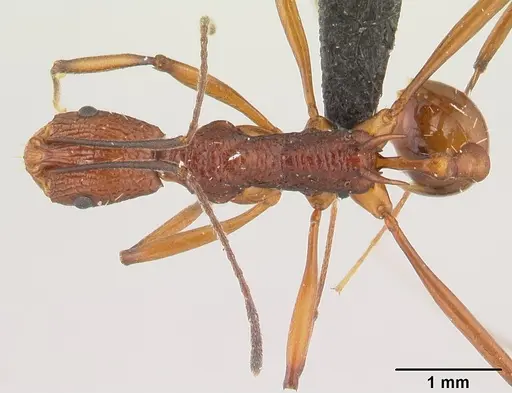
CASENT0054119
View on AntWeb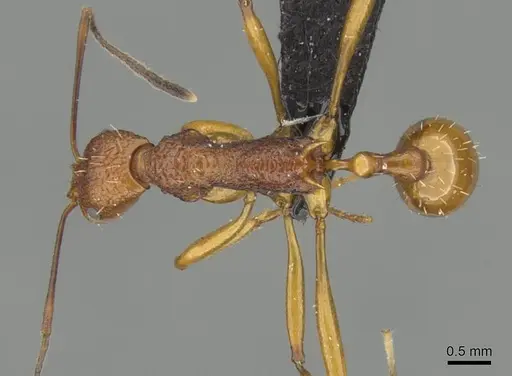
CASENT0081750
View on AntWeb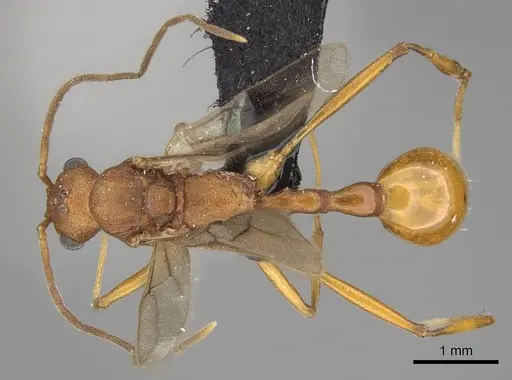
CASENT0081751
View on AntWeb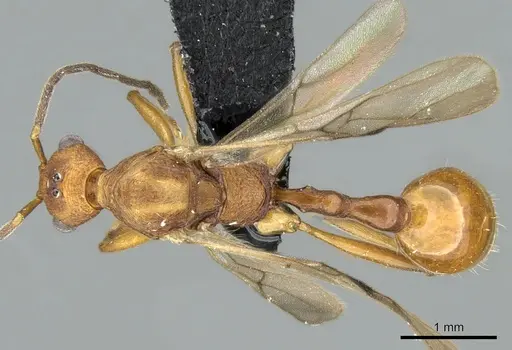
CASENT0082288
View on AntWeb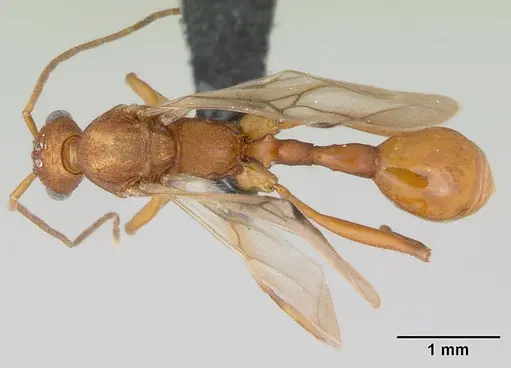
CASENT0085227-D01
View on AntWeb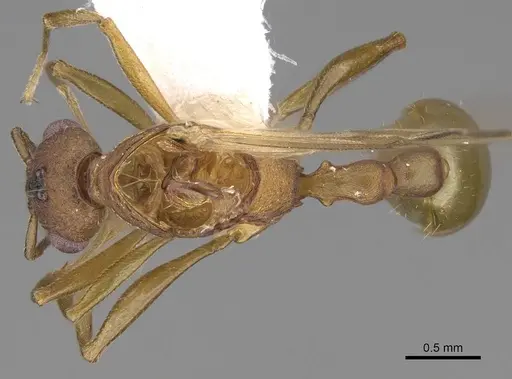
CASENT0085227
View on AntWeb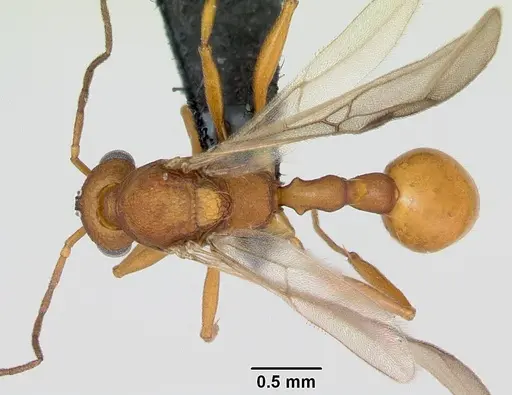
CASENT0427688
View on AntWeb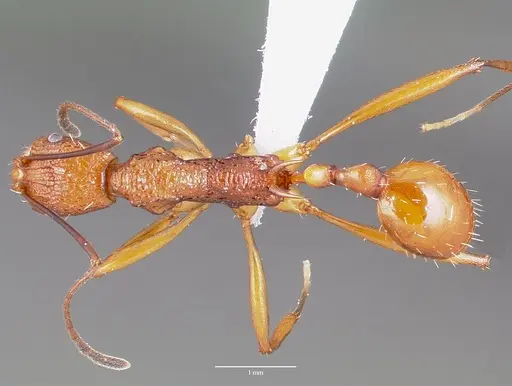
CASENT0494278
View on AntWeb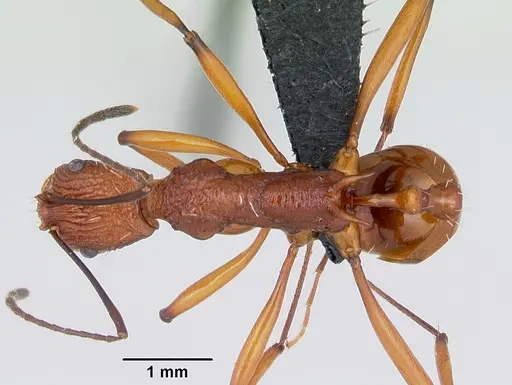
CASENT0494286
View on AntWeb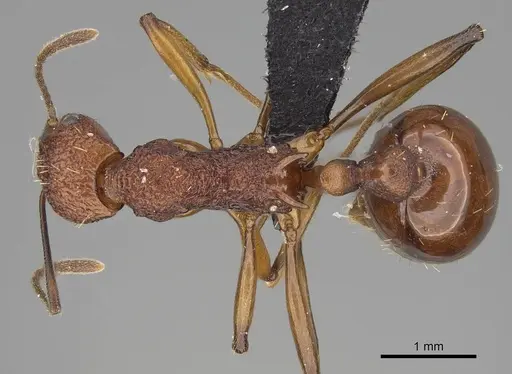
Literature
Loading distribution map...Loading products...