
Lordomyrma polita
- Sci. Name
- Lordomyrma polita
- Tribe
- Crematogastrini
- Subfamily
- Myrmicinae
- Author
- Mann, 1921
- Distribution
- Found in 2 countries
Introduction
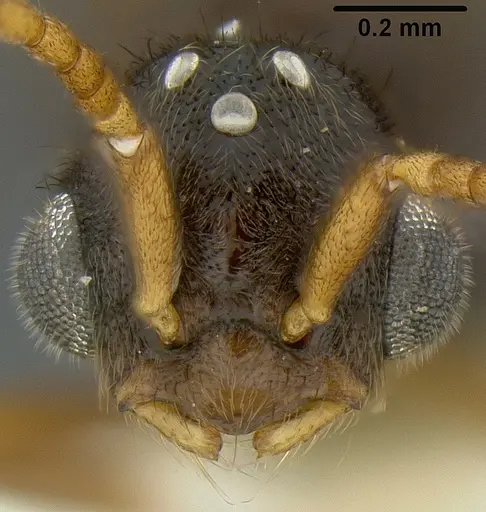
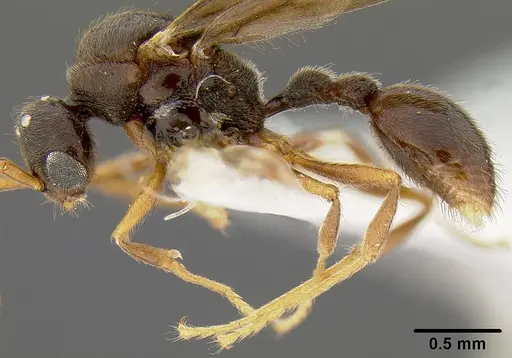
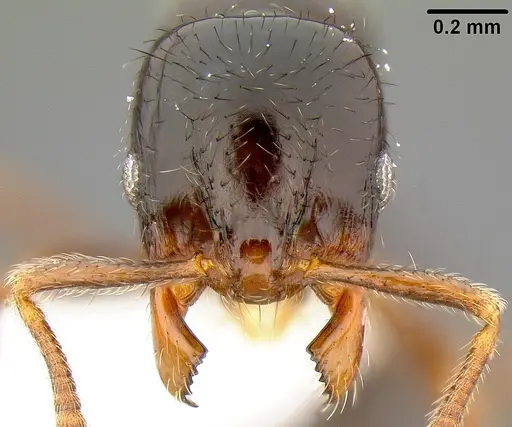
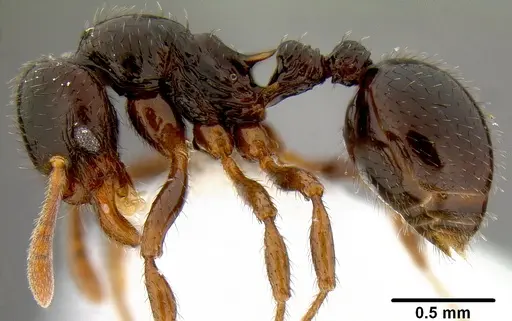
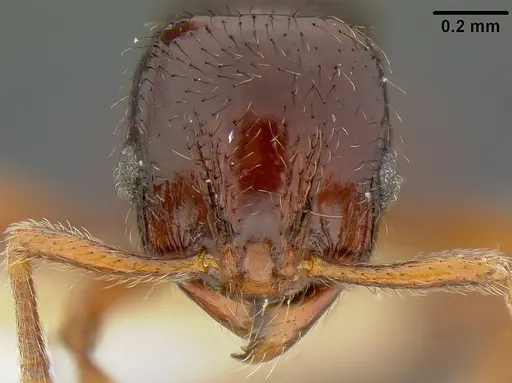
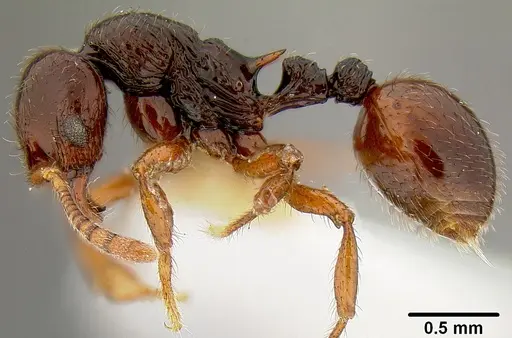
Lordomyrma polita is a medium-sized ant species native to the Fiji Islands. Workers measure 3.32-3.86mm in total length and have a reddish-brown coloration with a lighter gaster and appendages. This species is recognized by its long straight propodeal spines, short hairs, shallowly impressed antennal scrobes, reduced facial sculpture, and robust petiole structure. The short hairs distinguish it from the similar long-spined species Lordomyrma levifrons found in the same region . This species is endemic to Fiji, where it inhabits the islands of Viti Levu, Vanua Levu, and Koro. It has been documented in highland areas around Mt. Tomaniivi, drier western forests near Vaturu Dam, and the interior regions of Vanua Levu and Koro. The species shows considerable variation in promesonotum sculpture among specimens from different islands, with those from higher elevations tending toward more sculpted features .
Quick Summary
- Difficulty: Unknown, limited captive data available
- Origin & Habitat: Fiji Islands (Viti Levu, Vanua Levu, Koro). Found in highland areas around Mt. Tomaniivi, drier western forests near Vaturu Dam, and interior regions. Nests in rotting logs and between epiphyte roots and tree trunks [1][2][3].
- Colony Type: Colony structure has not been documented in scientific literature
- Size & Growth:
- Queen: Unknown, queen measurements not documented
- Worker: 3.32-3.86mm [1][3]
- Colony: Unknown, colony size data not available
- Growth: Unknown, development timeline unstudied
- Development: Development time unknown for this species (No captive development data exists. Related Pacific Myrmicinae species typically develop from egg to worker in 6-10 weeks at warm temperatures, but actual timing for L. polita may differ significantly.)
- Antkeeping:
- Temperature: As a tropical Fijian species, likely prefers warm conditions. Based on their highland habitat, they probably experience temperatures ranging from roughly 18-28°C year-round. Aim for temperatures in the low-to-mid 20s Celsius (22-26°C) for optimal colony activity.
- Humidity: Moderate to high, natural habitat includes forest areas with epiphyte roots suggesting damp conditions. Keep nest substrate consistently moist but not waterlogged.
- Diapause: Unknown, tropical species may not require formal diapause
- Nesting: Natural nesting occurs in rotting logs and between epiphyte roots and tree trunks. In captivity, Y-tong nests, plaster nests, or naturalistic setups with rotting wood work well. Provide damp nest materials that retain some moisture [1].
- Behavior: Behavior is poorly documented. Based on genus placement in Myrmicinae, likely has standard foraging patterns with workers searching for small invertebrates and honeydew. Escape risk is moderate due to medium worker size, standard escape prevention measures should suffice. Temperament is not documented but related Lordomyrma species are generally non-aggressive.
- Common Issues: limited availability, this species is rarely available in the antkeeping hobby due to its restricted range, no established captive protocols, care requirements are largely inferred from related species, slow growth expected, without documented development times, colonies may take longer than expected to establish, humidity management critical, nesting in rotting wood indicates need for consistently damp nest conditions, escape prevention important despite medium size, small colony size may lead to escapes if not monitored
Natural History and Distribution
Lordomyrma polita is endemic to the Fiji Islands. The species has been documented on three main islands: Viti Levu (the largest island), Vanua Levu (second largest), and the smaller island of Koro. Within Viti Levu, populations are known from the highlands surrounding Mt. Tomaniivi and the drier western forest near Vaturu Dam [1][2].
The species shows morphological variation across its range. Specimens from higher elevations around Nadarivatu and Navai tend to have more sculpted promesonotum and facial features with a flatter petiole node, while specimens from Koro and Vanua Levu show smoother features and more rounded petiole nodes [1][3].
In their natural habitat, these ants nest in rotting logs in the Navai area and Vanua Levu, and have been observed nesting between epiphyte roots and tree trunks on Koro. This epiphyte-root nesting behavior indicates they prefer humid, shaded microhabitats with access to decaying organic material [1][2].
Housing and Nesting Preferences
Based on natural nesting behavior, Lordomyrma polita should do well in setups that mimic their natural rotting wood habitat. Y-tong nests work well for this species, as do plaster nests or naturalistic setups with damp rotting wood. The key requirement is maintaining consistent humidity without waterlogging the nest.
Foraging areas should be appropriately scaled to their medium size (3.32-3.86mm workers). Standard formicarium chambers work well. Given their epiphyte-root nesting in the wild, including some live moss or damp organic material in the outworld can help create comfortable conditions.
Escape prevention should be moderate, while not among the smallest ants, they are still capable of escaping through standard gaps. Apply fluon or use test tube setups with cotton plugs for founding colonies, transitioning to formicaria as the colony grows.
Feeding and Nutrition
Direct feeding data for Lordomyrma polita does not exist in scientific literature. Based on genus placement in the Myrmicinae, they likely have typical omnivorous diets similar to most small to medium forest ants. Workers probably forage for small invertebrates, honeydew from aphids or scale insects, and may collect seeds.
For captive care, offer a varied diet including protein sources (small crickets, mealworms, fruit flies) and sugar sources (honey water, sugar water). Given their small size, prey items should be appropriately small. Live prey is likely preferred initially, but established colonies may accept pre-killed items. Monitor feeding response and adjust offerings based on colony acceptance.
Feed protein roughly twice weekly and provide constant access to sugar water. Remove uneaten prey after 24-48 hours to prevent mold issues. Fresh water should always be available.
Temperature and Seasonal Care
As a tropical species from Fiji, Lordomyrma polita likely prefers warmer conditions with stable temperatures. Based on their highland habitat in Fiji, they probably experience temperatures ranging from roughly 18-28°C year-round, with high humidity. Aim for temperatures in the low-to-mid 20s Celsius (22-26°C) for optimal colony activity.
A heating cable on one side of the nest can help create a temperature gradient, allowing ants to self-regulate by moving between warmer and cooler areas. Place the heating element on top of the nest to avoid evaporating moisture too quickly. Monitor colony behavior, if workers consistently cluster in cooler areas, reduce heat, if they avoid heated areas entirely, the temperature may be too high.
Tropical species may not require formal hibernation, but cooler room temperatures during winter months may cause reduced activity. If your room temperature drops significantly below their preferred range, consider providing gentle supplemental heat.
Colony Development and Growth
Colony development for Lordomyrma polita has not been scientifically documented. Based on typical Myrmicinae development patterns, expect roughly 6-10 weeks from egg to first worker at optimal temperatures (around 24-26°C). This is a rough estimate, actual development could be faster or slower depending on conditions.
Founding queens should be housed in test tube setups with access to water via the cotton plug method. Since founding behavior is unconfirmed, monitor the queen closely. If she seals herself in (typical claustral behavior), do not disturb the chamber. If she remains active and forages (semi-claustral), provide small prey items.
Initial colony growth will likely be slow, with the first generation (nanitics) being smaller than mature workers. Be patient, small colonies can take months or even years to establish firmly. Avoid the temptation to overfeed, as excess food can mold and harm the colony.
Frequently Asked Questions
How long does it take for Lordomyrma polita to produce first workers?
The exact timeline is unknown. Based on typical Myrmicinae development, expect roughly 6-10 weeks from egg to first worker at optimal temperatures (around 24-26°C). This is an estimate, actual timing may vary significantly as this species has not been studied in captivity.
What do Lordomyrma polita ants eat?
While not directly documented, they likely accept typical ant foods: small protein sources (fruit flies, small crickets, mealworms) and sugar sources (honey water, sugar water). Start with small live prey and sugar water, adjusting based on what your colony accepts.
Are Lordomyrma polita ants aggressive or dangerous?
Danger level is very low. This is a medium-sized ant with no documented aggressive behavior. They possess a typical Myrmicinae sting but are unlikely to use it defensively against humans. Related Lordomyrma species are generally peaceful.
What temperature and humidity do Lordomyrma polita need?
Aim for temperatures in the low-to-mid 20s Celsius (22-26°C) and moderate to high humidity. Their natural habitat in Fijian forests is humid, so keep nest substrate consistently moist but not waterlogged. A damp Y-tong or plaster nest works well.
Can I keep multiple Lordomyrma polita queens together?
Not recommended without further information. Colony structure (monogyne vs polygyne) has not been documented for this species. Combining unrelated foundresses carries significant risk of aggression and colony failure. If you obtain multiple queens, house them separately.
What type of nest is best for Lordomyrma polita?
Y-tong nests, plaster nests, or naturalistic setups with rotting wood all work well. The key is maintaining humidity, these ants naturally nest in rotting logs and epiphyte roots, so damp conditions are important. Avoid completely dry setups.
Do Lordomyrma polita ants need hibernation?
Probably not. As a tropical Fijian species, they likely do not require formal hibernation. However, they may show reduced activity during cooler periods. If room temperature drops significantly in winter, a slight temperature reduction is acceptable but not required.
How big do Lordomyrma polita colonies get?
Colony size is unknown, no scientific data exists on maximum colony size for this species. Based on related Lordomyrma species and worker size, colonies likely reach several hundred workers at most. Expect moderate colony growth over time.
Is Lordomyrma polita a good species for beginners?
This species is not ideal for beginners due to limited available care information and likely rarity in the antkeeping hobby. If you're experienced with Myrmicinae species and comfortable with experimental care, it can be a rewarding species to keep. Beginners may prefer more documented species.
Where is Lordomyrma polita native to?
Lordomyrma polita is native only to the Fiji Islands, specifically the islands of Viti Levu, Vanua Levu, and Koro. It is endemic to this region and found nowhere else in the world [1][2].
Report an Issue
The current care sheet is based fully on literature. See inconsistencies, or something that's incorrect? Please , it will be resolved after review from an admin. Contributing to the blogs tab also helps providing information, to make us be able to further improve the caresheets. Thank you for your support!
References

This caresheet is licensed under CC BY-SA 4.0 .
Community Blogs
CASENT0171005
View on AntWeb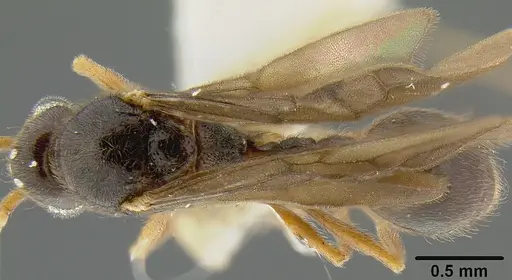
CASENT0171007
View on AntWeb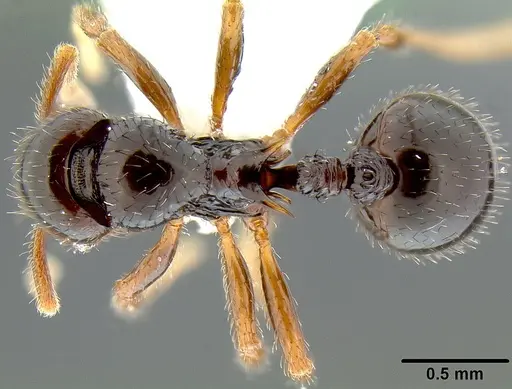
CASENT0171012
View on AntWeb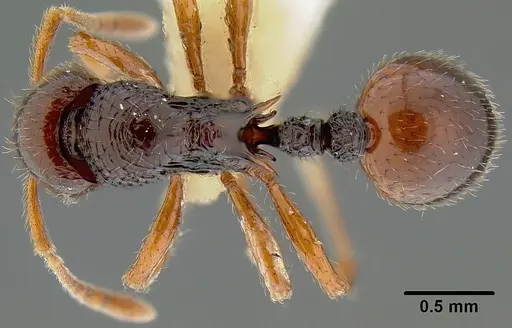
CASENT0171117
View on AntWeb
Literature
Loading distribution map...Loading products...