
Lordomyrma nigra
- Sci. Name
- Lordomyrma nigra
- Tribe
- Crematogastrini
- Subfamily
- Myrmicinae
- Author
- Donisthorpe, 1941
- Distribution
- Found in 1 countries
Introduction
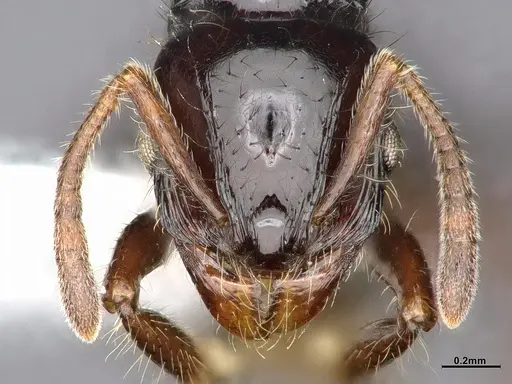
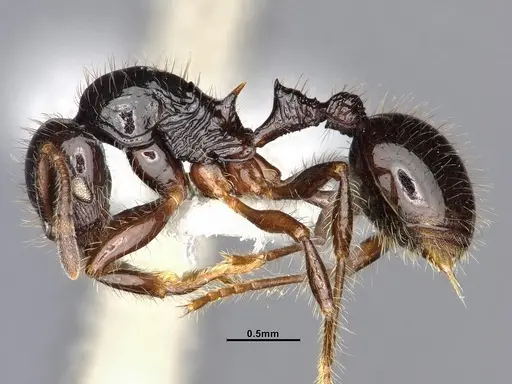
Lordomyrma nigra is a small to medium-sized ant species belonging to the subfamily Myrmicinae and tribe Crematogastrini. The species was originally described by Horace Donisthorpe in 1941 from worker specimens collected on Waigeo Island in West Papua, New Guinea . The species name 'nigra' refers to their dark or black coloration. These ants are endemic to the Australasian region, specifically found throughout New Guinea and surrounding islands. The type locality was recorded at approximately 2,500 feet elevation on Waigeo Island, suggesting they inhabit mid-elevation tropical forest environments . As a member of the Crematogastrini tribe, they are related to Crematogaster but remain poorly studied in both their natural behavior and captive care requirements.
Quick Summary
- Difficulty: Medium
- Origin & Habitat: New Guinea and surrounding islands in the Australasian region. Type locality is Camp Nok, Waigeo Island, West Papua at 2,500 feet elevation [1]. They inhabit tropical forest environments at mid-elevations.
- Colony Type: Colony structure is unconfirmed. No published data exists on whether this species is monogyne (single queen) or polygyne (multiple queens).
- Size & Growth:
- Queen: Size data unavailable, no direct measurements exist for this species. Based on genus-level patterns for Lordomyrma, queens are likely approximately 7-9mm.
- Worker: Size data unavailable, no direct measurements exist for this species. Based on typical Myrmicinae worker sizes, workers are likely approximately 3-5mm.
- Colony: Unknown, no colony size data has been documented.
- Growth: Unknown, no development data available.
- Development: Estimated 6-10 weeks based on typical Myrmicinae development at tropical temperatures. (This is a rough estimate based on genus-level patterns. Actual development time is unconfirmed for this species.)
- Antkeeping:
- Temperature: Aim for 22-27°C, this matches their tropical mid-elevation origin in New Guinea. Room temperature (22-25°C) is likely suitable. Avoid temperatures below 20°C or above 30°C. [2]
- Humidity: Keep substrate moderately to consistently moist. Their natural habitat in tropical New Guinea experiences high humidity. Provide a water tube as a moisture source and mist the outworld occasionally. [2]
- Diapause: Unknown, no published data on overwintering requirements. Given their tropical origin, they likely do not require a true diapause but may slow down during cooler periods.
- Nesting: No specific data on natural nesting preferences. Based on genus patterns, they likely nest in soil, rotting wood, or under stones in forest floor habitats. A test tube setup works well for founding colonies, they can later be moved to a Y-tong or plaster nest when the colony grows. [2]
- Behavior: Behavior is poorly documented. Based on genus-level observations of related species, they are likely moderate foragers with typical Myrmicinae aggression when defending the nest. They probably maintain moderate-sized colonies. Escape prevention should be standard, while not extremely small, use proper barriers as with any ant species. As Myrmicinae, they have a modified stinger used to smear venom onto enemies rather than pierce flesh, though this is unlikely to cause significant pain to humans. They may bite defensively if the nest is disturbed. [2]
- Common Issues: lack of published care information makes successful captive husbandry challenging., humidity management is critical, too dry and colonies fail, too wet and mold becomes an issue., wild-caught colonies may have parasites or diseases not documented in scientific literature., slow colony growth can lead to keeper impatience and overfeeding problems., temperature fluctuations beyond their tolerance range can stress or kill colonies.
Housing and Setup
For founding colonies, a standard test tube setup works well. Fill the tube with water and plug the open end with a cotton ball, this provides humidity while giving the queen a moisture source. Keep the tube in a dark, quiet location away from vibrations. Once the colony reaches 20-30 workers, you can consider moving them to a more permanent setup like a Y-tong or plaster formicarium. These nests allow you to better control humidity levels, which is important for this species. Always use an outworld for foraging and feeding, this makes cleanup easier and allows you to observe their behavior. [2]
Feeding and Diet
No specific dietary data exists for Lordomyrma nigra. Based on typical Myrmicinae behavior, they likely accept both sugar sources and protein. Offer a mix of sugar water or honey as an energy source, and protein sources like fruit flies, small mealworms, or other small insects. Feed small amounts initially and remove uneaten food within 24-48 hours to prevent mold. Since their natural habitat is tropical forest, they probably have access to honeydew from aphids or scale insects in the wild, so sugar sources should be accepted. Protein is essential for brood development, offer it every few days when the colony has brood.
Temperature and Seasonal Care
Maintain temperatures between 22-27°C. Their origin in tropical New Guinea at 2,500 feet elevation suggests they prefer warm but not extreme heat. Room temperature in most homes (22-25°C) should be suitable. Avoid placing the nest near windows with direct sunlight or heating vents that could cause temperature spikes. No specific data exists on diapause requirements, given their tropical origin, they likely do not require a true hibernation period. However, they may naturally slow activity during cooler winter months if your room temperature drops. Monitor colony behavior, if workers become less active and cluster together, they may be responding to cooler temperatures. [2]
Colony Development and Patience
Lordomyrma nigra is likely a slow-growing species typical of many tropical Myrmicinae. Expect the first workers (nanitics) to emerge 6-10 weeks after the queen lays her first eggs, though this is an estimate based on related species. The initial colony will grow slowly, do not be tempted to overfeed or expand the setup too quickly. A small colony is fragile and can be easily stressed by excessive handling, temperature swings, or overfeeding. Focus on consistent, moderate care rather than trying to speed up growth. Once established with 50+ workers, growth typically accelerates.
Frequently Asked Questions
How long does it take for Lordomyrma nigra to produce first workers?
The exact timeline is unconfirmed, but based on typical Myrmicinae development, expect 6-10 weeks from egg to worker at optimal temperatures (22-27°C). This is an estimate, actual development time may vary.
What do Lordomyrma nigra ants eat?
No specific dietary data exists, but they likely accept both sugar sources (honey, sugar water) and protein (small insects like fruit flies, mealworms). Offer a varied diet and remove uneaten food promptly.
Do Lordomyrma nigra ants sting?
As Myrmicinae ants, they have a modified stinger used to smear venom onto enemies rather than pierce flesh. The stinger is likely too small to cause significant pain to humans. They may bite defensively if the nest is disturbed.
Can I keep multiple Lordomyrma nigra queens together?
No data exists on colony structure for this species. Combining unrelated queens is not recommended since we do not know if they are monogyne or polygyne.
What temperature is best for Lordomyrma nigra?
Keep them between 22-27°C. This matches their tropical mid-elevation origin in New Guinea. Room temperature is typically suitable.
Do Lordomyrma nigra need hibernation or diapause?
Unknown, no published data exists. Given their tropical origin, they likely do not require a true diapause period. They may slow activity during cooler periods naturally.
How big do Lordomyrma nigra colonies get?
Colony size is unconfirmed, no published data exists on maximum colony size. Based on related Myrmicinae, they likely reach several hundred workers at maturity.
Is Lordomyrma nigra good for beginners?
This species is not ideal for beginners due to the lack of published care information. The difficulty level is considered Medium, experienced antkeepers who can adapt to unknown requirements will have better success.
What humidity level do Lordomyrma nigra need?
Keep substrate moderately moist. Their tropical origin suggests they need higher humidity than temperate species. Provide a water tube and mist the outworld occasionally. Avoid both drying out and waterlogging.
When should I move Lordomyrma nigra from a test tube to a formicarium?
Wait until the colony has at least 20-30 workers and the test tube shows signs of degradation (mold, debris buildup). A Y-tong or plaster nest works well for this species once they outgrow the founding setup.
Report an Issue
The current care sheet is based fully on literature. See inconsistencies, or something that's incorrect? Please , it will be resolved after review from an admin. Contributing to the blogs tab also helps providing information, to make us be able to further improve the caresheets. Thank you for your support!
References

This caresheet is licensed under CC BY-SA 4.0 .
Community Blogs
CASENT0900967
View on AntWeb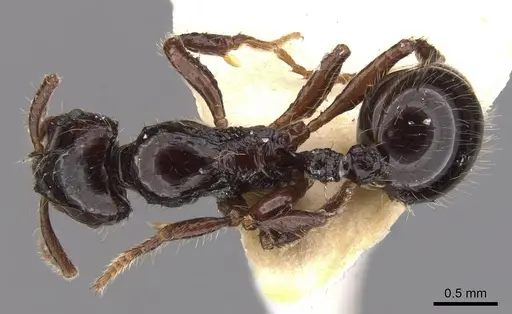
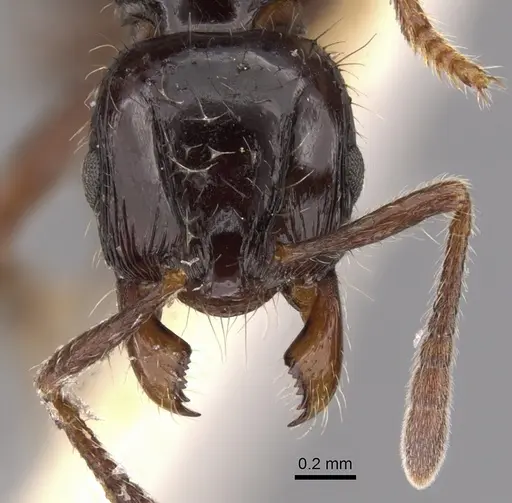
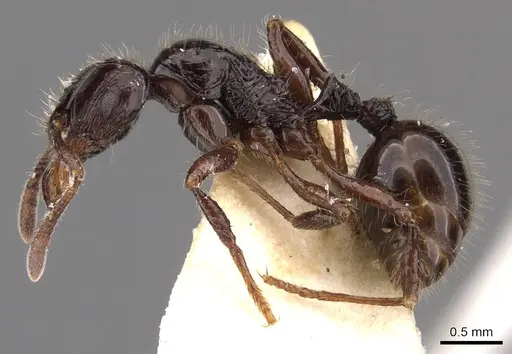
CASENT4032450
View on AntWeb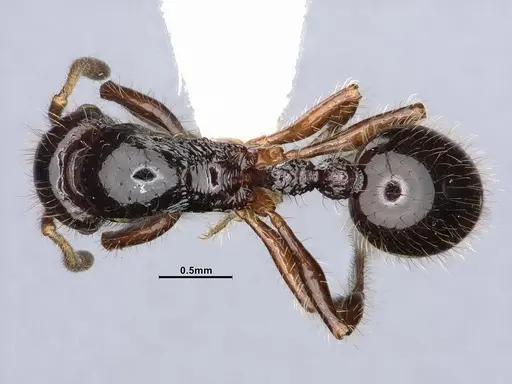
Literature
Loading distribution map...Loading products...