
Lordomyrma furcifera
- Sci. Name
- Lordomyrma furcifera
- Tribe
- Crematogastrini
- Subfamily
- Myrmicinae
- Author
- Emery, 1897
- Distribution
- Found in 2 countries
Introduction
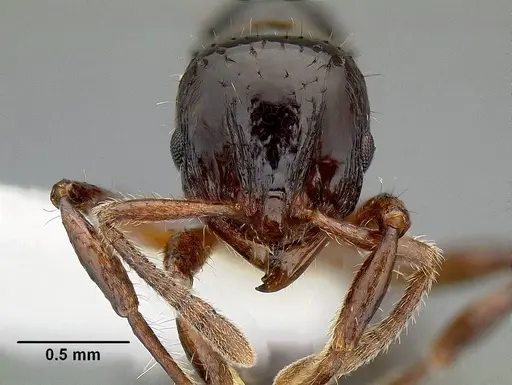
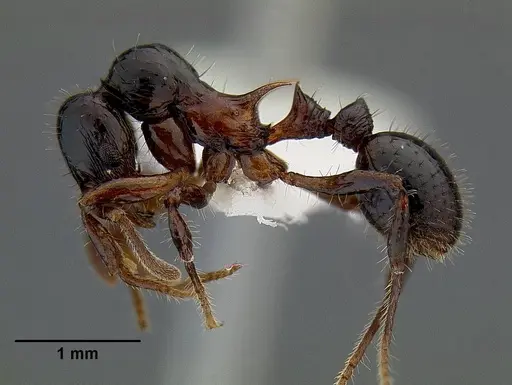
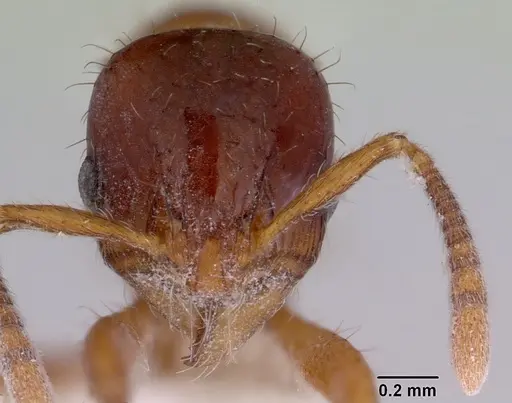
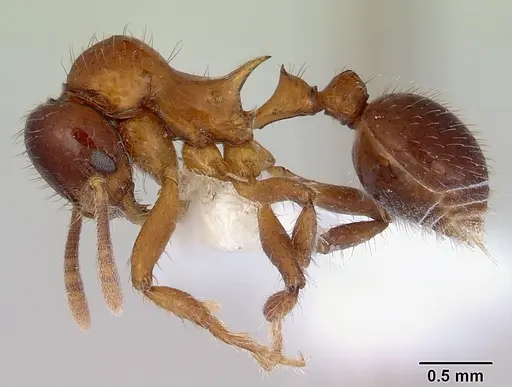
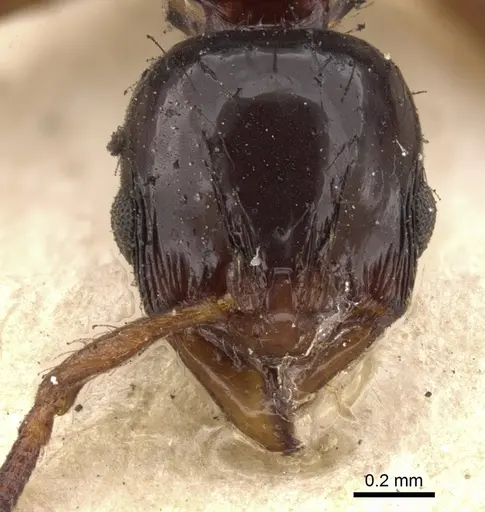
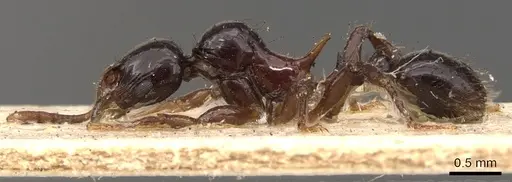
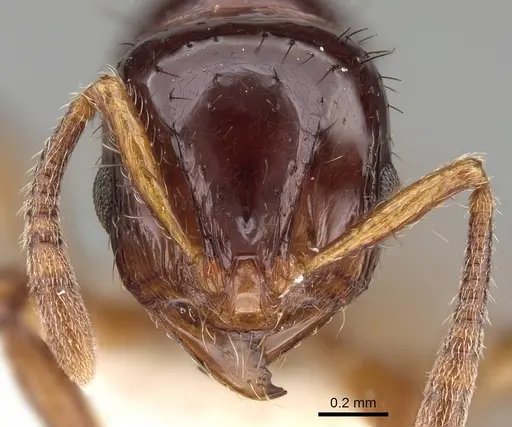
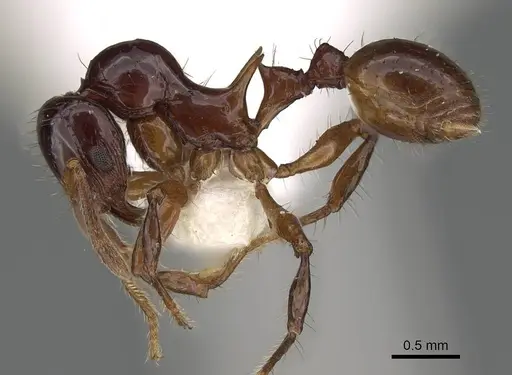
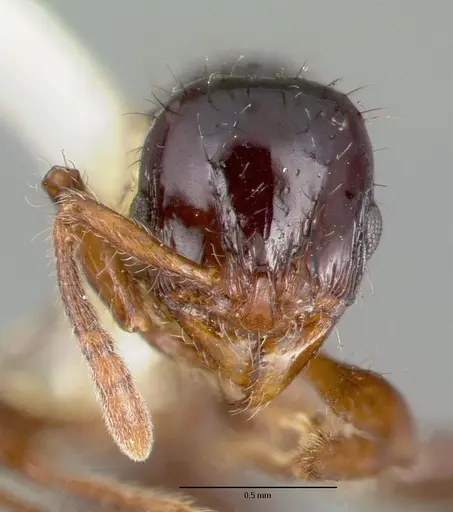
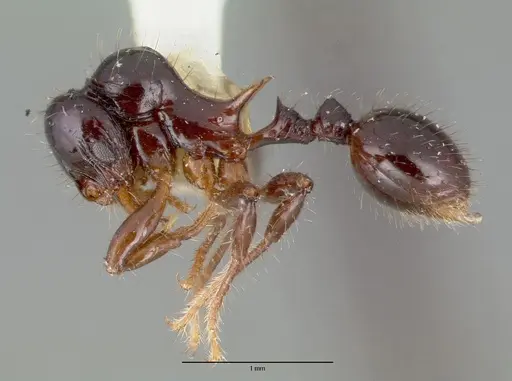
Lordomyrma furcifera is a tiny myrmicine ant native to the Australasian region, including New Guinea, New Caledonia, and Nepal . Workers are among the smallest ants you'll encounter, measuring just over 1mm in total length with strongly defined antennal scrobes and relatively heavy sculpturing on their body . This species was originally described by Emery in 1897,with L. bensoni later recognized as the same species (a junior synonym) . These ants are part of the Crematogastrini tribe and represent a poorly studied genus that inhabits tropical and subtropical forest environments. Because so little research exists on their specific biology, much of what we know comes from inferring behavior from related species in the same genus. They are peaceful forest-floor ants that likely nest in small cavities in rotting wood or under leaf litter.
Quick Summary
- Difficulty: Hard
- Origin & Habitat: Papua New Guinea, New Caledonia, and Nepal, tropical and subtropical forest environments [1]
- Colony Type: Likely single queen based on typical genus patterns, but colony structure is unconfirmed
- Size & Growth:
- Queen: size data unavailable, not directly measured
- Worker: approximately 1mm total length, inferred from genus [2]
- Colony: likely small colonies based on typical Lordomyrma patterns
- Growth: likely moderate, no direct data available
- Development: estimated 6-8 weeks at tropical temperatures based on typical Myrmicinae patterns (No direct development data exists for this species, estimates based on genus-level patterns)
- Antkeeping:
- Temperature: Keep at 24-28°C. Use a heating cable on one side of the nest to create a gentle gradient. Avoid temperatures below 20°C.
- Humidity: High humidity is essential, keep the nest substrate consistently moist but not waterlogged. Mist occasionally and use a water reservoir in test tube setups.
- Diapause: No, these are tropical ants that do not experience cold winters. They remain active year-round.
- Nesting: Small chambers and narrow passages are essential due to their tiny size. Test tubes with cotton-plugged water reservoirs work well, or small nests with appropriately scaled chambers. They prefer dark, enclosed spaces.
- Behavior: Very peaceful ants that are unlikely to sting. They are slow-moving and docile, foraging quietly through leaf litter and rotting wood. Their tiny size means they pose virtually no escape risk to humans, but they can escape through extremely small gaps, use fine mesh barriers. They are not aggressive and will likely retreat rather than defend.
- Common Issues: tiny size makes them vulnerable to drowning in water barriers, use cotton properly in test tubes, escape prevention is critical despite their small size, they can squeeze through standard mesh, slow growth and small colony sizes mean patience is required, high humidity needs can lead to mold problems if ventilation is poor, virtually no defensive capability, cannot sting and may be killed by larger ant species if housed together
Housing and Nest Setup
Because Lordomyrma furcifera workers are barely over 1mm in length, standard antkeeping setups need significant modification. Test tubes work well but require careful attention to chamber size, the ants should be able to move comfortably through the entire length without feeling exposed. For a founding queen, use a small test tube with a cotton-plugged water reservoir on one end. The chamber should feel enclosed and secure to the queen.
For established colonies, small nests with chambers sized appropriately for tiny ants work best. Avoid tall, open spaces that would make these small ants feel exposed. The nest should be kept dark, cover the sides of nests with dark paper or place them in a shaded area. Provide a small outworld for foraging that is easy for them to navigate. Because of their minute size, even standard fluon barriers may not be sufficient, consider using tightly fitting lids and fine mesh on any ventilation holes. [2]
Feeding and Diet
In the wild, Lordomyrma species are generalist foragers that likely collect honeydew from aphids and scale insects, plus small insects and other protein sources. For captive care, offer sugar water at all times via a soaked cotton ball or small vial. For protein, offer tiny prey items like fruit flies, small mealworms, or other small insects. Because of their tiny size, prey items should be no larger than they can handle.
Feed protein roughly twice per week, removing any uneaten prey after 24-48 hours to prevent mold. Sugar water should be available constantly but replaced every few days to prevent fermentation. Observe your colony to determine feeding frequency, if they ignore food for extended periods, they may not need as much.
Temperature and Humidity Requirements
As tropical forest ants from New Guinea and surrounding regions, Lordomyrma furcifera requires warm, humid conditions. Target temperatures in the range of 24-28°C. A heating cable placed on one side of the nest can create a gentle thermal gradient, allowing the ants to choose their preferred temperature. Avoid temperatures below 20°C for extended periods.
Humidity should be kept high. This can be achieved by keeping the nest substrate moist and using a water reservoir in test tube setups. For acrylic nests, occasional misting helps maintain humidity. However, balance humidity with adequate ventilation to prevent mold growth, stagnant, overly moist conditions will kill the colony. The substrate should feel damp to the touch but water should not pool freely. [1]
Colony Establishment and Growth
Since founding behavior has not been directly documented for this species, we must rely on genus-level patterns. Most Myrmicinae ants are claustral, meaning the queen seals herself in a small chamber and lives off her stored fat reserves until the first workers emerge. For L. furcifera, you should expect a claustral founding where the queen lays eggs and raises the first brood alone in a sealed chamber.
The first workers will be nanitics, smaller than mature workers, and the colony will grow slowly from there. Based on typical Myrmicinae development, expect 6-8 weeks from egg to first worker at optimal temperatures. After that, growth is gradual. Given their likely small colony size, do not expect rapid expansion. Patience is essential, this is not a species for keepers who want to see large colonies quickly.
Handling and Temperament
Lordomyrma furcifera is an extremely docile species with no meaningful defensive capabilities. Workers are too small to penetrate human skin, and they show no aggressive behaviors. When disturbed, they are more likely to retreat than to offer any resistance. This makes them safe to handle, though their tiny size makes them easy to accidentally injure or lose.
They are not escape artists in the traditional sense, they cannot bite or sting to defend themselves. However, their minute size means they can slip through incredibly small gaps. Standard ant keeping barriers may not contain them. Use fine mesh on any ventilation, ensure all lids fit tightly, and be cautious when opening the nest.
Frequently Asked Questions
How long does it take for Lordomyrma furcifera to produce first workers?
Based on typical Myrmicinae development patterns, expect 6-8 weeks from egg to first worker at optimal temperatures. No specific development data exists for this species, so this is an estimate. The first workers will be nanitics and the colony will grow gradually from there.
What do Lordomyrma furcifera ants eat?
They are generalist foragers. Offer sugar water constantly, and protein sources like tiny fruit flies, small mealworms, or appropriately sized insects twice weekly. Remove uneaten protein after 24-48 hours to prevent mold. Their tiny size means prey should be small enough for them to handle.
Are Lordomyrma furcifera ants dangerous or do they sting?
No, they are completely harmless. Workers are too small to penetrate human skin and show no aggressive behavior. They will simply retreat when disturbed. This makes them one of the safest ant species to keep, though their tiny size makes them easy to accidentally injure.
What temperature and humidity do Lordomyrma furcifera need?
Keep them warm at 24-28°C with high humidity. As tropical forest ants from New Guinea, they need consistently warm and humid conditions. A heating cable on one side of the nest can create a gradient, and misting or water reservoirs help maintain humidity.
How big do Lordomyrma furcifera colonies get?
Colony size is not documented, but based on typical Lordomyrma patterns, colonies likely remain small. This is not a species that produces large, impressive colonies. Expect a modest, peaceful colony that grows slowly over several years.
Can I keep multiple Lordomyrma furcifera queens together?
This has not been documented. Based on typical genus patterns, they are likely single queen colonies. Do not attempt to combine unrelated foundress queens, there is no data on whether they can found colonies together.
What nest type is best for Lordomyrma furcifera?
Small test tubes work well for founding colonies. For established colonies, small nests with appropriately sized chambers are ideal. The nest should be dark and enclosed. Avoid large, open spaces that would make these small ants feel exposed.
Do Lordomyrma furcifera ants need hibernation?
No. These are tropical ants from New Guinea and surrounding regions where temperatures remain warm year-round. They do not require or benefit from hibernation. Keep them at tropical temperatures throughout the year.
Why are my Lordomyrma furcifera ants dying?
Common causes include: temperatures below 20°C, low humidity, mold from poor ventilation, drowning in water barriers, or being killed by other ant species if housed together. Their tiny size also makes them vulnerable to desiccation. Review your temperature, humidity, and housing setup.
Are Lordomyrma furcifera good for beginners?
No. While they are docile and harmless, their tiny size, specific humidity needs, and slow growth make them challenging. They require careful attention to escape prevention and are not forgiving of husbandry mistakes. This species is best suited for experienced antkeepers who can provide stable, humid, tropical conditions.
Report an Issue
The current care sheet is based fully on literature. See inconsistencies, or something that's incorrect? Please , it will be resolved after review from an admin. Contributing to the blogs tab also helps providing information, to make us be able to further improve the caresheets. Thank you for your support!
References

This caresheet is licensed under CC BY-SA 4.0 .
Community Blogs
CASENT0106337
View on AntWeb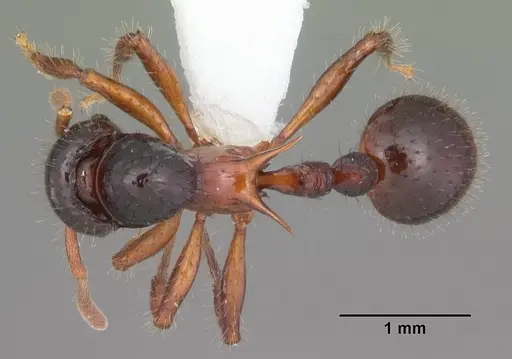
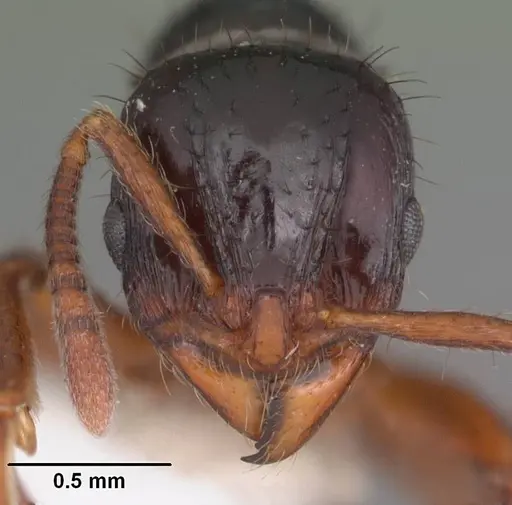
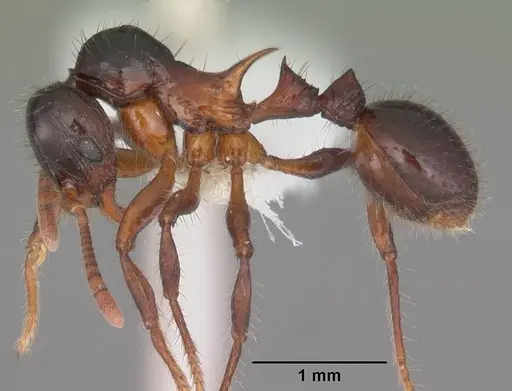
CASENT0106340
View on AntWeb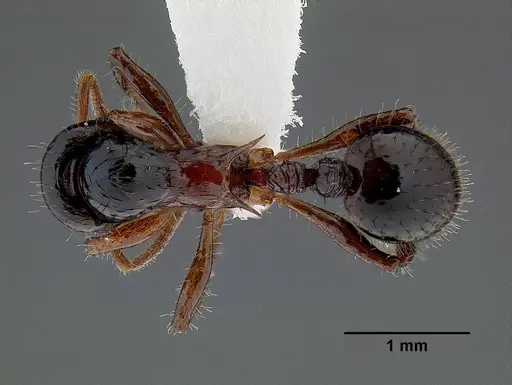
CASENT0172482
View on AntWeb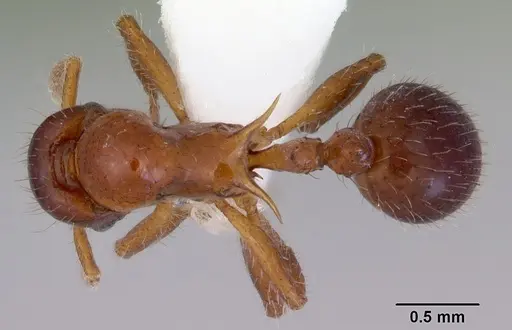
CASENT0900968
View on AntWeb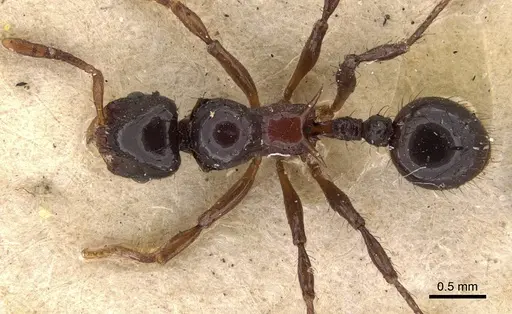
CASENT0922236
View on AntWeb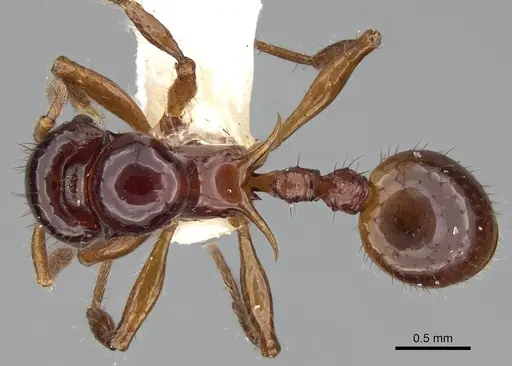
CASTYPE06937
View on AntWeb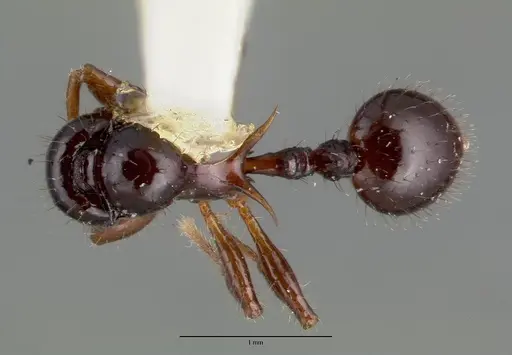
Literature
Loading distribution map...Loading products...