
Lordomyrma bhutanensis
- Sci. Name
- Lordomyrma bhutanensis
- Tribe
- Crematogastrini
- Subfamily
- Myrmicinae
- Author
- Baroni Urbani, 1977
- Distribution
- Found in 1 countries
Introduction
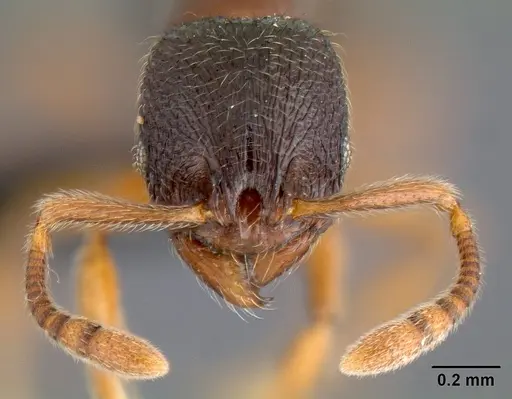
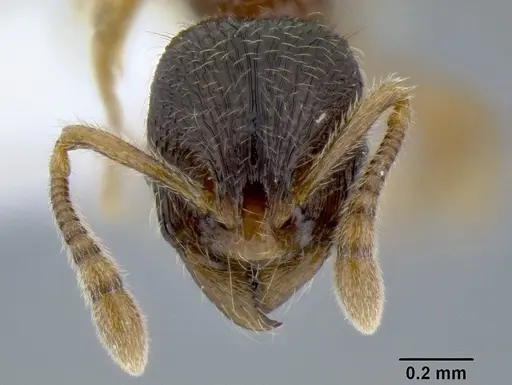
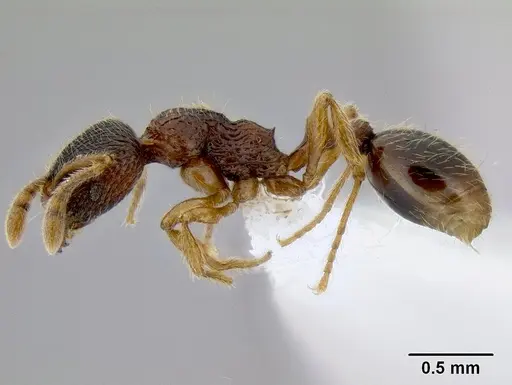
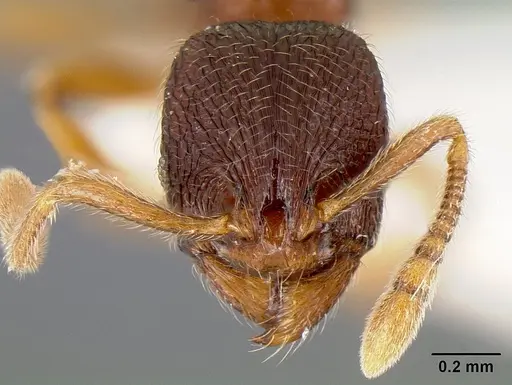
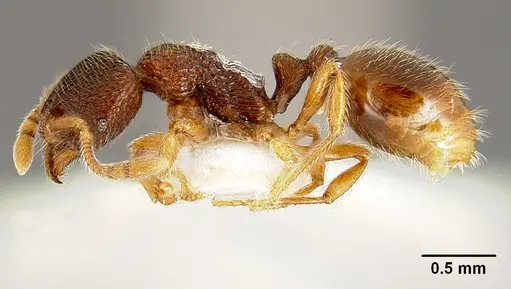
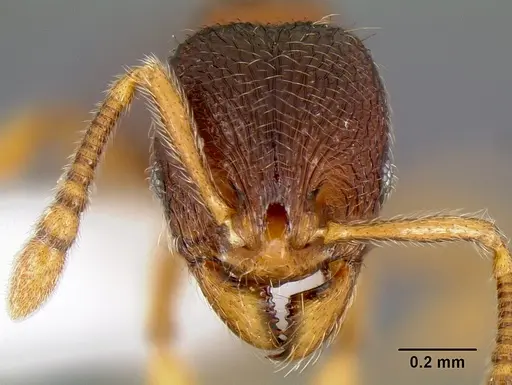
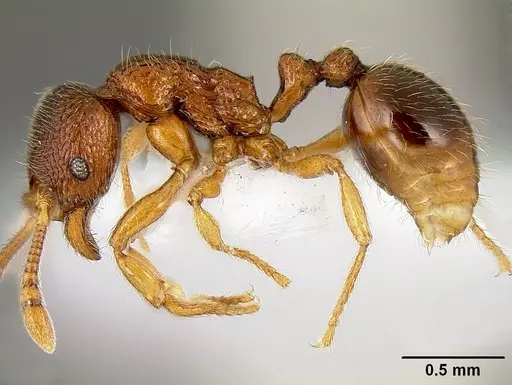
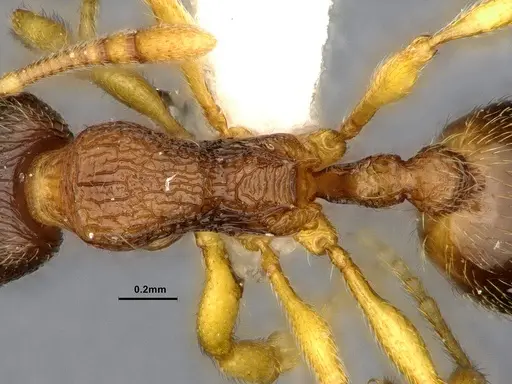
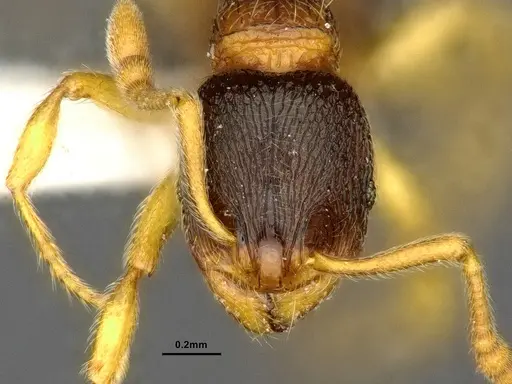
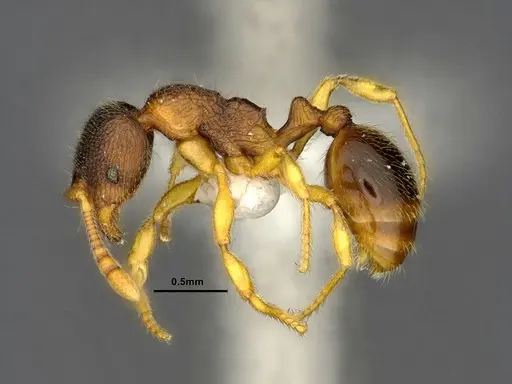
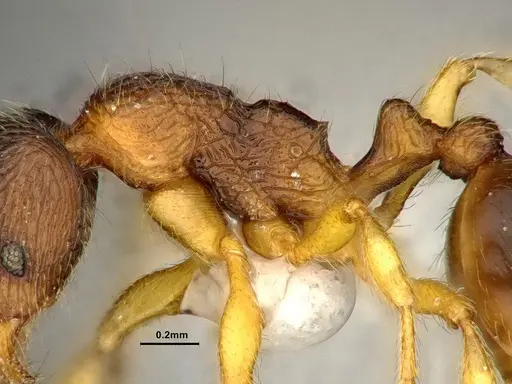
Lordomyrma bhutanensis is a small ant native to the Himalayan region, from Bhutan east through Tibet, Yunnan, Sichuan, and Shaanxi in China, with records also in Nepal . Workers are 2.9-3.6 mm long and queens 4.0-4.6 mm, with a reddish-brown to yellowish-brown body (legs brownish-yellow) . They have 12-segmented antennae with a 3-segmented club, and an exposed stinger that is often visible in specimens . This species lives at high elevations (1500-3760 m) in cool mountain forests, semi-evergreen broadleaf, subalpine moist broadleaf, conifer-broadleaf mixed, alpine conifer, and shrublands . They nest in soil, decayed wood, leaf litter or under stones, forage on the ground and in leaf litter, and are notoriously shy, retreating when disturbed .
Quick Summary
- Difficulty: Medium
- Origin & Habitat: Himalayan region (Bhutan, Nepal, Tibet, Yunnan, Sichuan, Shaanxi in China). Lives at 1500-3760 m elevation in cool, moist mountain forests: semi-evergreen broadleaf, subalpine moist broadleaf, conifer-broadleaf mixed, alpine conifer, and shrublands [1].
- Colony Type: Unconfirmed – colony structure has not been studied. No data on queen number or ergatoid reproduction.
- Size & Growth:
- Queen: 4.0–4.6 mm [1]
- Worker: 2.9–3.6 mm [1]
- Colony: Unknown – no colony counts available. Based on small body size and litter-dwelling lifestyle, maybe a few hundred workers at most.
- Growth: Unknown – no development timing data. Likely moderate based on cool-adapted Myrmicinae.
- Development: Unknown – no direct measurements. From typical Myrmicinae development in cool conditions, estimate 8–12 weeks at optimal temperature. (Development is probably slower than for tropical species due to their cool mountain habitat.)
- Antkeeping:
- Temperature: Keep cool – aim for 16–22°C (room temperature or slightly cool). These high-altitude ants cannot take heat, above 24°C may stress them. Provide a slight temperature gradient so workers can choose.
- Humidity: Moderate to high – nest substrate should be consistently moist but not waterlogged. Mimic the damp forest floor. Provide a moisture gradient.
- Diapause: Likely yes – based on cold Himalayan winters. Give a winter rest period at 10–15°C for several months. This may be a reduced-activity phase, not deep hibernation.
- Nesting: Nests naturally in soil, decayed wood, leaf litter, or under stones [1][4]. In captivity, a naturalistic soil setup or Y-tong/plaster nest with good moisture retention works well. They prefer tight, enclosed spaces.
- Behavior: Shy and non-aggressive – they retreat rather than attack [1]. Workers forage on the ground and in leaf litter [4]. Despite having an exposed stinger [3], they almost never use it defensively. Escape risk is moderate for their size (2.9-3.6 mm) – they are not strong climbers but can slip through small gaps. Guard openings with standard barriers.
- Common Issues: high-altitude temperature requirements – they cannot tolerate warm conditions, overheating can kill the colony, humidity management is critical – too dry or too wet both cause stress, aim for consistently moist substrate, slow colony growth may test patience – it can take months for the first workers to appear, wild-caught colonies may carry parasites or diseases from their natural habitat, shy behavior means they dislike frequent disturbance, handle gently and minimize nest inspections
Natural History and Distribution
Lordomyrma bhutanensis is a common alpine ant across the Himalayas and surrounding mountain ranges. Its distribution stretches from Bhutan eastward through Tibet, Yunnan, Sichuan, and Shaanxi in China, and it has also been recorded in Nepal [1][2]. The beetles thrive at altitudes between 1500 m and 3760 m, inhabiting a variety of forest types: semi-evergreen broadleaf forest, subalpine moist broadleaf forest, conifer-broadleaf mixed forest, alpine conifer forest, and shrublands [1]. In Wanglang Nature Reserve, they were found specifically in conifer-broadleaf forest and semi-evergreen broadleaf forest, foraging on the ground and in soil, and nesting under stones [4]. This species belongs to the tribe Crematogastrini (Myrmicinae), which uses a “smear” defense: a modified flattened stinger that wipes venom onto enemies rather than piercing. Combined with their natural shyness, this makes them a very low-risk ant for keepers.
Nest Preferences and Housing
In the wild, Lordomyrma bhutanensis nests in soil, decayed wood, leaf litter or under stones [1][4]. They are strictly ground-dwelling – they forage in leaf litter and on the soil surface, rarely climbing plants. For captive housing, a naturalistic setup with a soil-based substrate works best, as it holds moisture and lets the ants dig tunnels. A Y-tong or plaster nest with appropriately sized chambers is also good. Because workers are tiny (2.9-3.6 mm), chambers and passages should be small. The nest must hold moisture well – aim for a consistently damp substrate, not wet. Provide a moisture gradient so workers can pick their preferred spot. Escape prevention is important: use fluon or PTFE barriers on the outworld walls, and cover any ventilation gaps with fine mesh.
Temperature and Seasonal Care
Temperature is the most critical factor for this species. As high-altitude mountain ants, they need cool conditions – aim for 16–22°C. Room temperature is usually fine, but avoid anything above 24°C, which can be fatal. Provide a slight temperature gradient so workers can self-regulate. In winter, give them a cool period at 10–15°C for several months to mimic the Himalayan winter. This rest is probably necessary for colony health and future reproduction. Watch for signs of stress: if workers become sluggish or start dying, adjust the temperature or humidity. [1]
Feeding and Diet
In nature, these ants forage on the ground and in leaf litter, likely preying on small invertebrates and collecting honeydew [1][4]. In captivity, offer small protein sources: fruit flies, pinhead crickets, small mealworms, or finely chopped roach pieces. Provide sugar water or honey water as a carbohydrate source. Because workers are small, cut prey into pieces they can carry. Feed protein twice a week and keep a sugar source available. Remove uneaten food after 24–48 hours to prevent mold. Their shy nature means they may not rush to food – place it close to the nest entrance.
Behavior and Temperament
Lordomyrma bhutanensis is known for being shy: when disturbed, workers quickly retreat rather than fight [1]. They have an exposed stinger [3] and, as a member of Crematogastrini, they can smear venom, but they rarely use it – it’s more a last resort. Workers stay close to the nest, foraging in leaf litter and on the ground. They are not territorial or aggressive. This behavior means they do best in quiet setups with minimal disturbance, especially during the founding stage. They are not strong climbers but can escape through small gaps – use barrier fluids and fine meshes.
Frequently Asked Questions
How long does it take for Lordomyrma bhutanensis to produce first workers?
The exact egg-to-worker time is unknown because it hasn’t been studied. Based on typical Myrmicinae development in cool conditions, expect roughly 8–12 weeks at optimal temperature.
What temperature do Lordomyrma bhutanensis ants need?
Keep them cool – aim for 16–22°C. Room temperature or slightly below is ideal. Above 24°C is stressful and can kill the colony.
Do Lordomyrma bhutanensis ants need hibernation?
Likely yes, because their natural habitat has cold winters. Give them a winter rest at 10–15°C for several months to mimic the Himalayan winter.
What do Lordomyrma bhutanensis ants eat?
Feed small protein sources like fruit flies, pinhead crickets, or small mealworms, plus sugar water or honey. Choose prey sizes that workers (2.9–3.6 mm) can handle.
Are Lordomyrma bhutanensis good for beginners?
They are medium difficulty. Their specific cool-temperature needs and shy nature require careful husbandry. Not the easiest choice for a first ant, but manageable with attention.
How big do Lordomyrma bhutanensis colonies get?
Colony size hasn’t been documented. Based on their small workers and litter-dwelling habits, colonies probably reach a few hundred workers at most.
Do Lordomyrma bhutanensis ants sting?
They have an exposed stinger [3], but they are shy and rarely use it. They belong to the Crematogastrini tribe, which uses a “smear” defense – wiping venom onto attackers rather than piercing.
Can I keep Lordomyrma bhutanensis in a test tube?
Yes, test tubes work well during founding. Keep the reservoir appropriately sized and the cotton firmly packed. Place the tube in a cool, dark spot and avoid disturbance.
What kind of nest should I use for Lordomyrma bhutanensis?
A naturalistic setup with soil substrate mimics their forest-floor habitat. A Y-tong or plaster nest with good moisture retention is also suitable. They prefer small, tight chambers with consistent moisture.
Where is Lordomyrma bhutanensis found?
Native to the Himalayas: Bhutan, Nepal, and the Chinese provinces Tibet, Yunnan, Sichuan, and Shaanxi. They live at high elevations (1500–3760 m) in cool mountain forests.
Report an Issue
The current care sheet is based fully on literature. See inconsistencies, or something that's incorrect? Please , it will be resolved after review from an admin. Contributing to the blogs tab also helps providing information, to make us be able to further improve the caresheets. Thank you for your support!
References

This caresheet is licensed under CC BY-SA 4.0 .
Community Blogs
CASENT0065792
View on AntWeb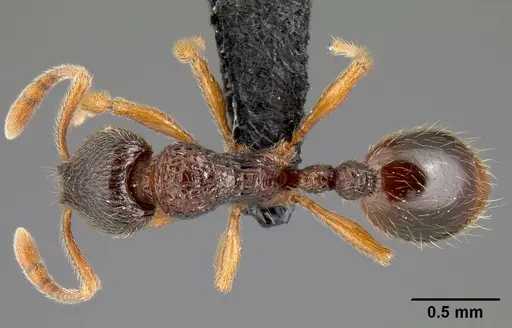
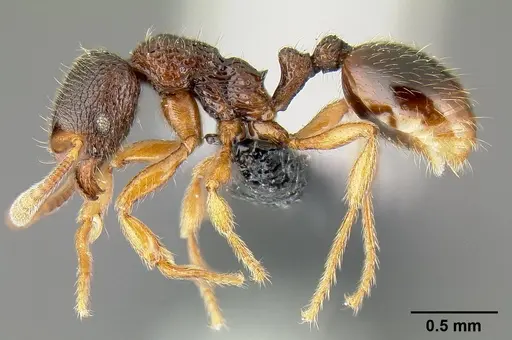
CASENT0065793
View on AntWeb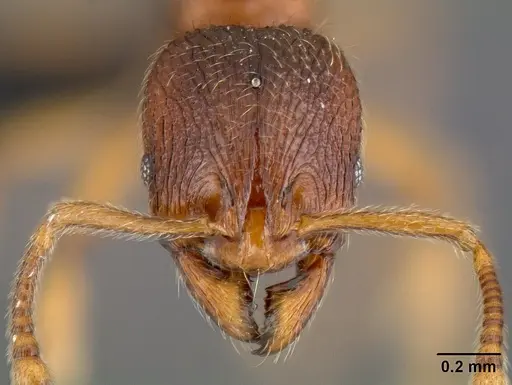
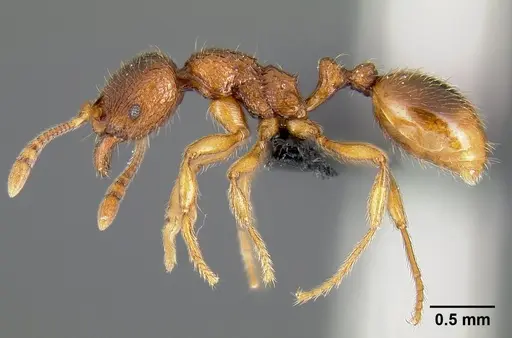
CASENT0097951
View on AntWeb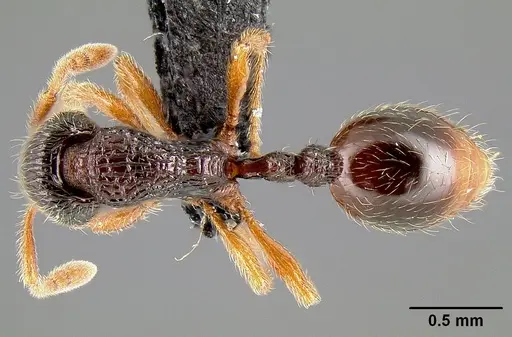
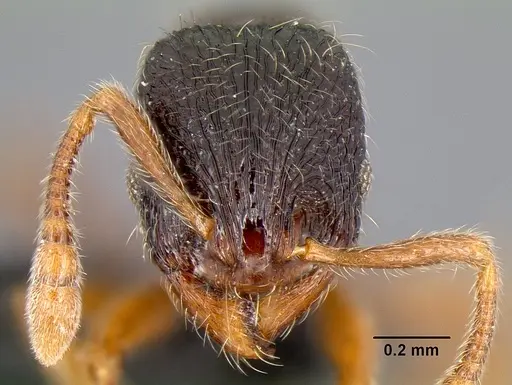
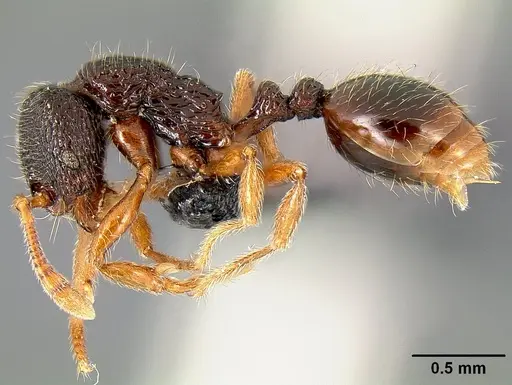
CASENT0106234
View on AntWeb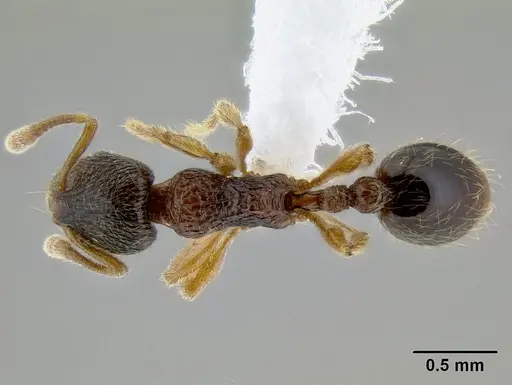
CASENT0126076
View on AntWeb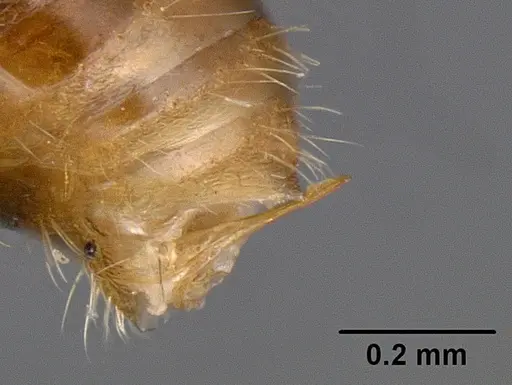
CASENT0171178
View on AntWeb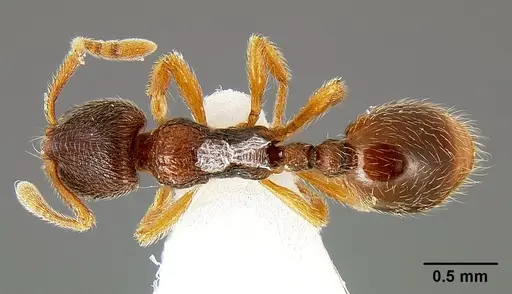
CASENT0171179
View on AntWeb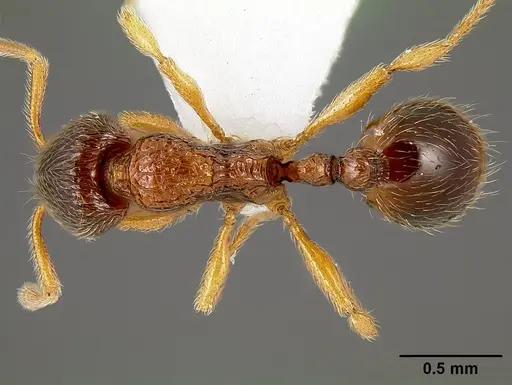
CASENT0171183
View on AntWeb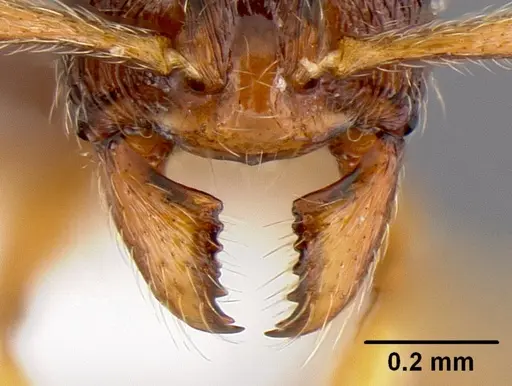
ZRC
View on AntWeb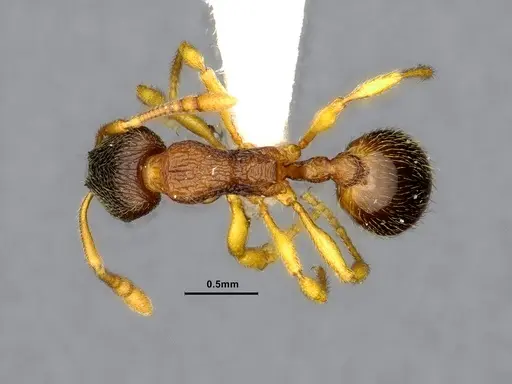
Literature
Loading distribution map...Loading products...