
Loboponera vigilans
- Sci. Name
- Loboponera vigilans
- Tribe
- Ponerini
- Subfamily
- Ponerinae
- Author
- Bolton & Brown, 2002
- Distribution
- Found in 4 countries
Introduction
Loboponera vigilans is a medium-sized ant belonging to the subfamily Ponerinae, native to the rainforests of Central and West Africa. Workers measure 6.0-6.6mm in total length and possess the largest eyes in the genus, along with a distinctive sculptural pattern of coarse foveolate punctures separated by longitudinal costae. The species occurs across Cameroon, Central African Republic, Democratic Republic of Congo, Gabon, Ivory Coast, and Nigeria, typically found in forest litter and downed wood at elevations between 10-640m. This is a rarely encountered ant in the hobby due to its limited distribution and the specialized nature of its rainforest habitat.
Quick Summary
- Difficulty: Expert
- Origin & Habitat: Rainforests of Central and West Africa (Cameroon, CAR, DRC, Gabon, Ivory Coast, Nigeria), found in forest litter and downed wood at 10-640m elevation [1][2][3]
- Colony Type: Colony structure is unconfirmed. No documented data on queen number or colony size exists for this species.
- Size & Growth:
- Queen: Approximately 6mm+ based on worker size and genus patterns [3]
- Worker: 6.0-6.6mm [3]
- Colony: Unknown, no colony size data available
- Growth: Unknown
- Development: Unknown, no development data exists for this species. (Development timeline is unconfirmed. Ponerinae ants typically have longer development than more derived subfamilies.)
- Antkeeping:
- Temperature: Keep around 24-28°C. This is a tropical rainforest species requiring warm, stable conditions. Use a heating cable on one side of the nest to create a gentle gradient.
- Humidity: High humidity required, rainforest species. Keep nest substrate consistently moist but not waterlogged. Provide a water reservoir and ensure good ventilation to prevent mold while maintaining humidity.
- Diapause: Unknown, tropical species likely does not require hibernation, but no specific data exists on seasonal behavior.
- Nesting: In captivity, provide a humid nest with small chambers scaled to their medium size. Y-tong or plaster nests work well. They naturally nest in rotting wood and forest floor debris, so include some decaying organic material if possible.
- Behavior: Behavior is poorly documented. As a Ponerine ant, they have functional stingers and are defensive when disturbed. Their large eyes suggest they may be more visually oriented than many ants. Escape risk is moderate, medium-sized ants but good climbers. Use standard escape prevention. Foraging style is unknown but likely involves hunting small invertebrates in the leaf litter layer.
- Common Issues: lack of available care information makes proper husbandry challenging, humidity control is critical, they may quickly decline in dry conditions, no established feeding protocols for this species in captivity, wild-caught colonies may have high stress mortality due to collection and transport
Natural History and Distribution
Loboponera vigilans is endemic to the rainforests of Central and West Africa. Specimens have been collected from Cameroon, the Central African Republic, the Democratic Republic of Congo, Gabon, Ivory Coast, and Nigeria [1][2][4]. The species prefers lowland rainforest habitats, with collection records ranging from 10m elevation in littoral rainforest to 640m in montane rainforest [2]. They are found primarily in forest litter and downed wood, making them a true leaf-litter ant species [3]. The type series was collected from the Banco National Forest in Abidjan, Ivory Coast, in primary rainforest [3]. This species is considered rare in ant surveys, likely due to its cryptic lifestyle and preference for deep forest habitats.
Identification and Morphology
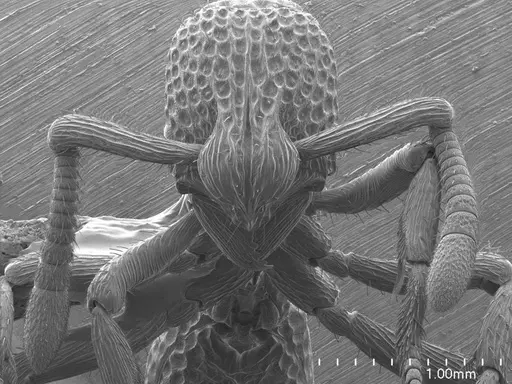
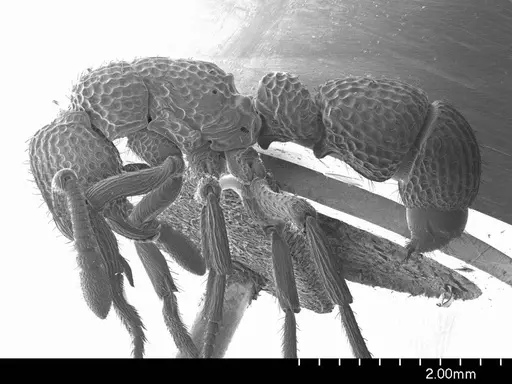
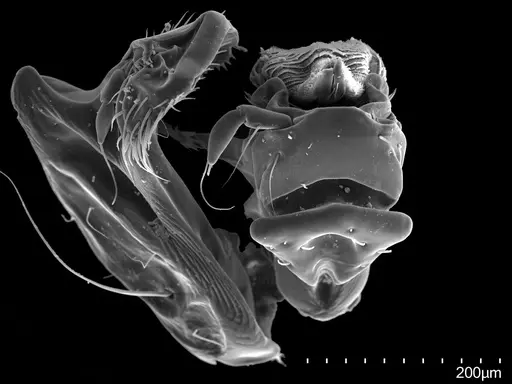
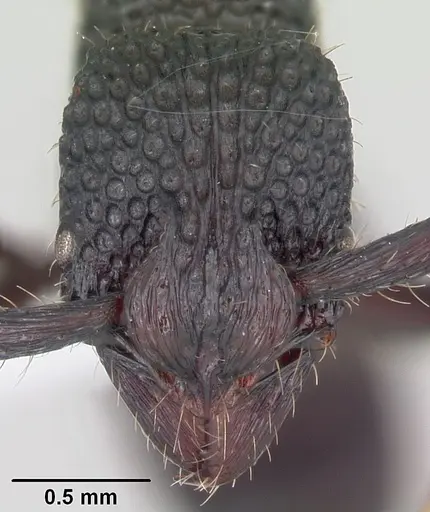
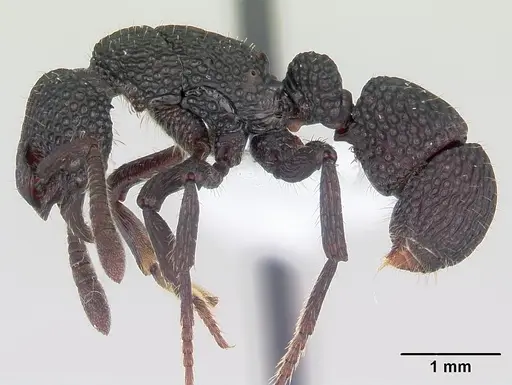
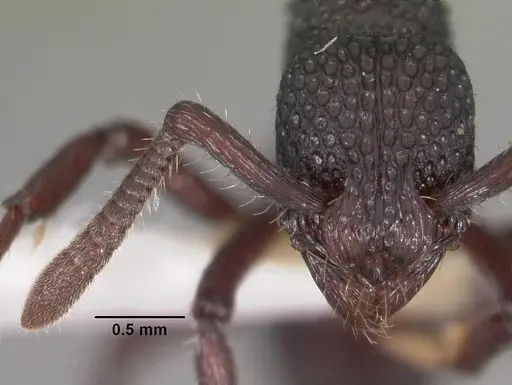
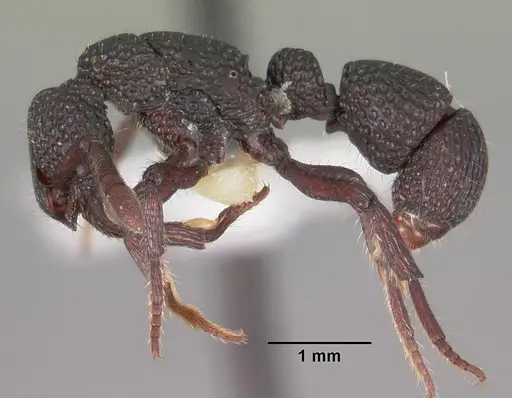
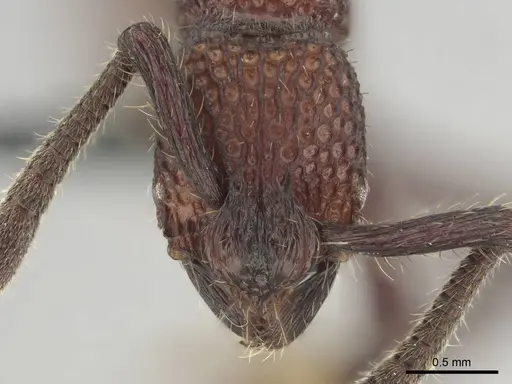
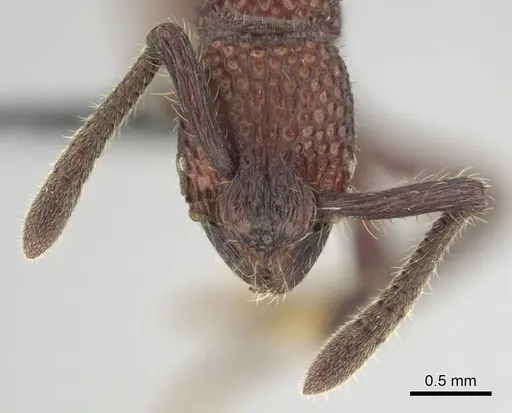
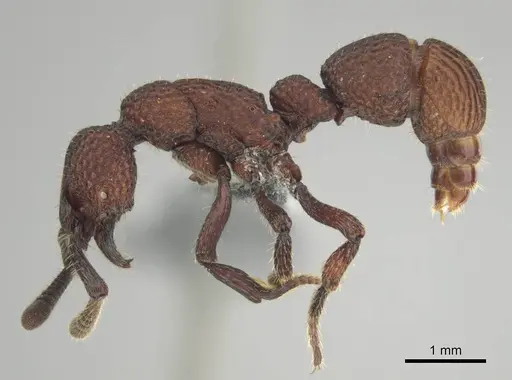
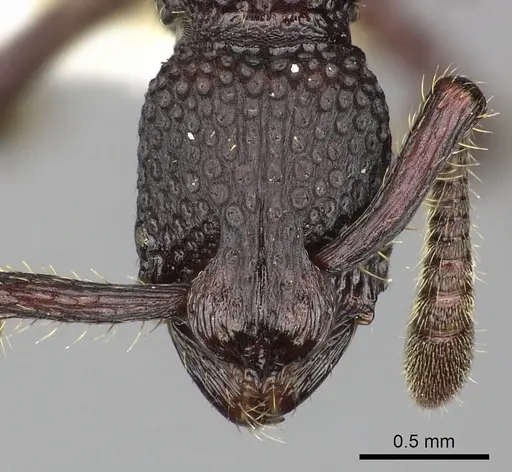
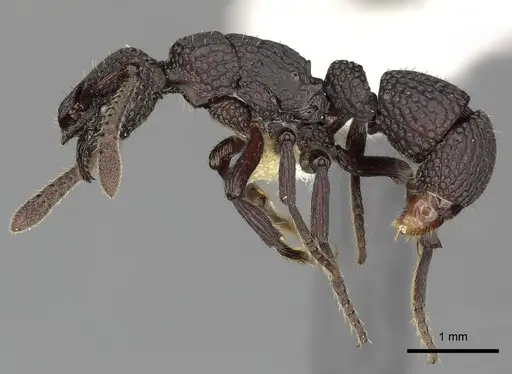
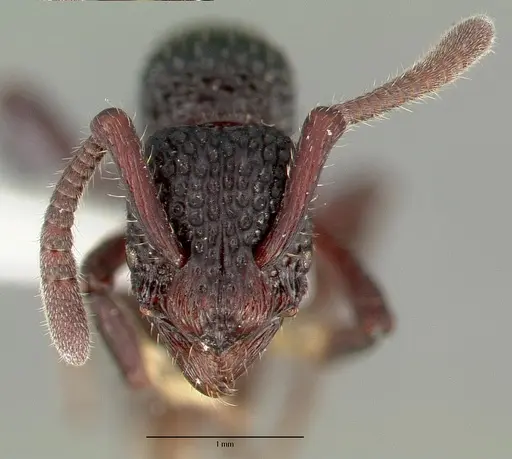
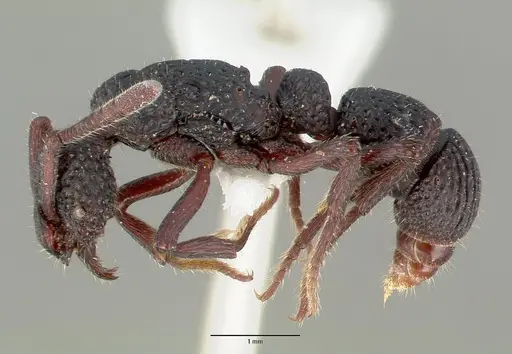
This species is a member of the Loboponera vigilans group and can be quickly identified by having the largest eyes known in the genus [3]. Workers measure 6.0-6.6mm in total length [3]. The most distinctive feature is the unique sculptural pattern: all dorsal surfaces of the head and body have coarse broad foveolate (pit-like) punctures, separated by longitudinal costae or elevated narrow flat surfaces [3]. The entire surface is covered with extremely fine dense microsculpture, giving the ant a dull and opaque appearance [3]. The propodeal declivity has a blunt tooth near the base and another smaller tooth near the apex. The first gastral sternite has a median longitudinal carina on the posterior half [3].
Defense Mechanism
As a member of the subfamily Ponerinae, Loboponera vigilans possesses a functional stinger. Ponerine ants are primitive hunters with a highly functional, visible stinger capable of injecting potent, peptide-rich venom. This defense mechanism is used both for prey capture and colony defense.
Housing and Nesting
In captivity, provide a humid nest environment that mimics their natural forest floor habitat. Y-tong or plaster nests work well for this species. The nest should have chambers scaled to their medium size. Keep the substrate consistently moist but not waterlogged, these are rainforest ants that quickly decline in dry conditions. Include a water reservoir in the outworld and consider adding some decaying leaf litter or small pieces of rotting wood to the foraging area to provide enrichment and humidity retention. Good ventilation is essential to prevent mold while maintaining humidity.
Feeding and Diet
Dietary requirements are not documented for this species in captivity. As a Ponerine ant, they are likely predatory, feeding on small invertebrates found in the leaf litter. Based on related Ponerine genera, they probably accept small live prey such as fruit flies, pinhead crickets, and other small insects. Sugar sources may or may not be accepted, offer honey or sugar water occasionally but do not rely on carbohydrates as a primary food source. Start with small live prey items and observe acceptance. Feed protein regularly and remove uneaten prey within 24 hours.
Temperature and Seasonal Care
Keep the nest at tropical temperatures, ideally 24-28°C. This is a lowland rainforest species from Central and West Africa, requiring warm and stable conditions. A heating cable placed on one side of the nest can create a temperature gradient, allowing the ants to regulate their own exposure to heat. Since this is a tropical species, no hibernation or winter dormancy is expected. However, seasonal behavior in the wild is unconfirmed, they may have subtle activity cycles even without true diapause. Maintain consistent temperatures year-round and avoid any temperature drops below 20°C.
Frequently Asked Questions
How long does it take for Loboponera vigilans to develop from egg to worker?
The egg-to-worker development timeline is unconfirmed, no specific data exists for this species.
What do Loboponera vigilans ants eat?
Diet is not documented for this species in captivity. As Ponerine ants, they are likely predatory on small invertebrates. Based on related genera, they probably accept small live prey like fruit flies, small crickets, and other tiny insects. Sugar acceptance is uncertain, offer honey or sugar water occasionally but do not rely on carbohydrates as a primary food source.
Are Loboponera vigilans ants aggressive or do they sting?
Ponerine ants have functional stingers and can be defensive when threatened. While specific behavior is unconfirmed for this species, expect some defensive behavior if the nest is disturbed. They likely use their stinger for prey capture and defense. Handle with care and use proper escape prevention.
What temperature do Loboponera vigilans ants need?
Keep them at tropical temperatures of 24-28°C. This is a lowland rainforest species from Central Africa requiring warm, stable conditions. A heating cable on one side of the nest creates a gradient for the ants to regulate their temperature.
How big do Loboponera vigilans colonies get?
Colony size is unknown, no colony size data exists for this species.
Is Loboponera vigilans a good species for beginners?
No. This is an expert-level species due to the complete lack of established care protocols. There is no documented information on feeding, colony founding, or optimal husbandry conditions. This species is also extremely rare in the antkeeping hobby. Experienced keepers interested in Ponerine ants should consider more well-documented species like Diacamma, Harpegnathos, or other Ponerinae with established care guides.
Do Loboponera vigilans ants need hibernation?
Probably not, this is a tropical rainforest species from Central and West Africa. However, specific seasonal behavior is unconfirmed. Maintain consistent tropical temperatures year-round and avoid allowing temperatures to drop below 20°C.
What humidity level do Loboponera vigilans ants need?
High humidity is required, they are a rainforest species. Keep the nest substrate consistently moist but not waterlogged. The substrate should feel damp to the touch. Ensure good ventilation to prevent mold while maintaining humidity levels.
Can I keep multiple Loboponera vigilans queens together?
Colony structure is unconfirmed, no data exists on whether this species is monogyne (single queen), polygyne (multiple queens), or something else. Combining unrelated queens is not recommended without documented evidence that they can found colonies pleometrotically (multiple queens starting a nest together).
What type of nest should I use for Loboponera vigilans?
Use a humid nest setup such as a Y-tong or plaster nest with chambers scaled to their medium size. Include a water reservoir and keep the nest substrate moist. These ants naturally nest in rotting wood and forest floor debris, so some organic material in the foraging area can provide enrichment.
Report an Issue
The current care sheet is based fully on literature. See inconsistencies, or something that's incorrect? Please , it will be resolved after review from an admin. Contributing to the blogs tab also helps providing information, to make us be able to further improve the caresheets. Thank you for your support!
References

This caresheet is licensed under CC BY-SA 4.0 .
Community Blogs
ANTWEB1008546
View on AntWeb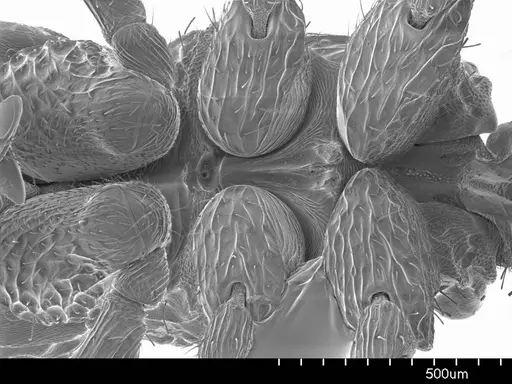
CASENT0003102
View on AntWeb
CASENT0003107
View on AntWeb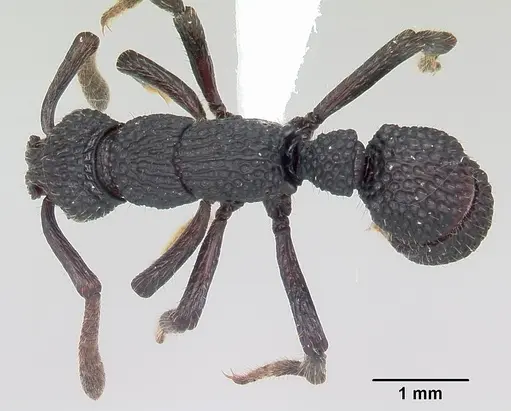
CASENT0102329
View on AntWeb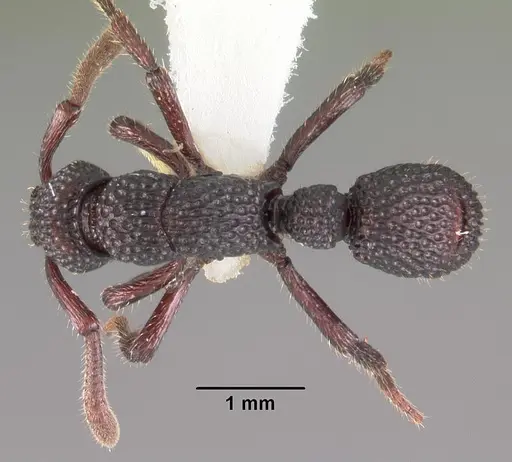
CASENT0250061
View on AntWeb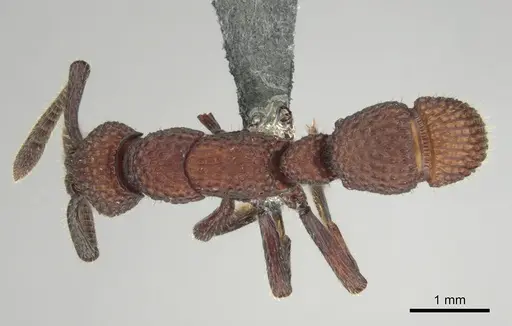
CASENT0270586
View on AntWeb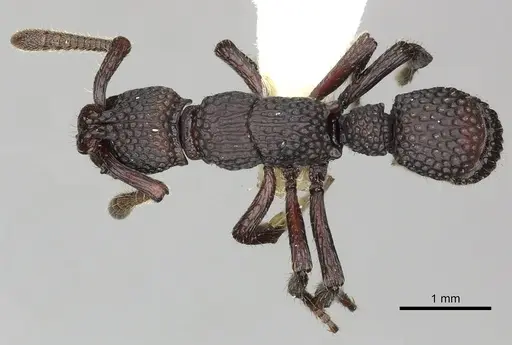
CASTYPE16756
View on AntWeb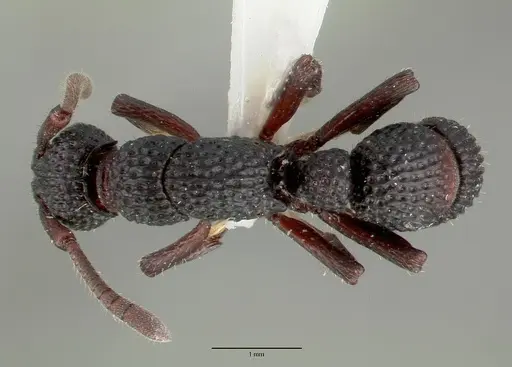
Literature
Loading distribution map...Loading products...