
Loboponera politula
- Sci. Name
- Loboponera politula
- Tribe
- Ponerini
- Subfamily
- Ponerinae
- Author
- Bolton & Brown, 2002
- Distribution
- Found in 2 countries
Introduction
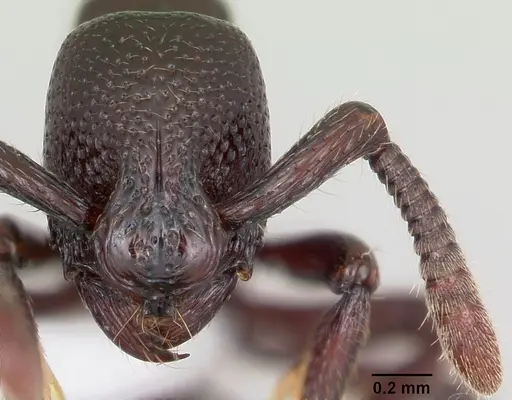
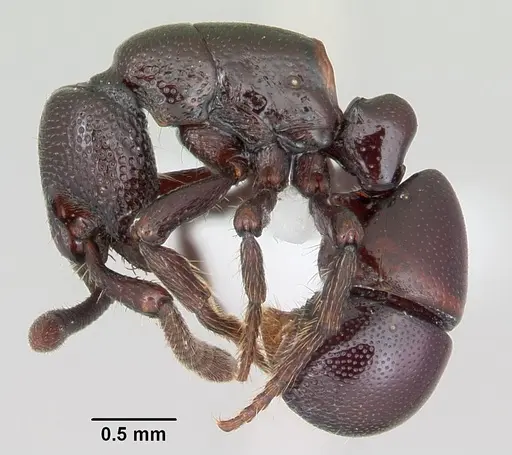
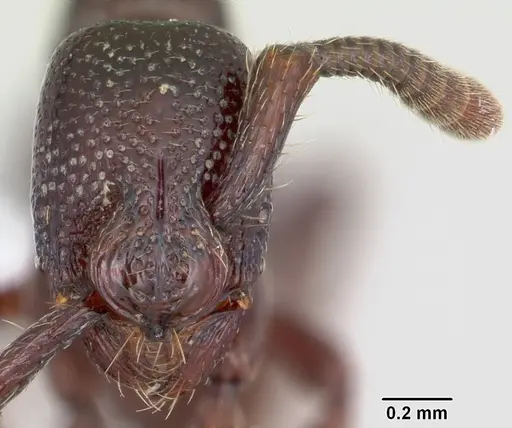
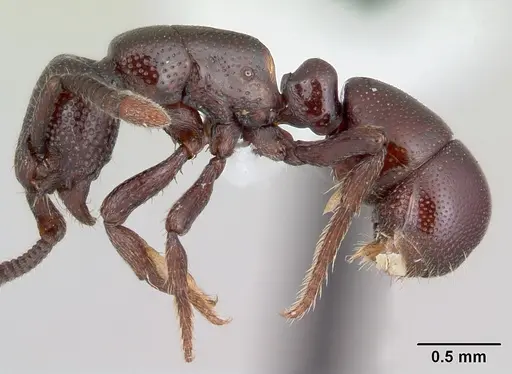
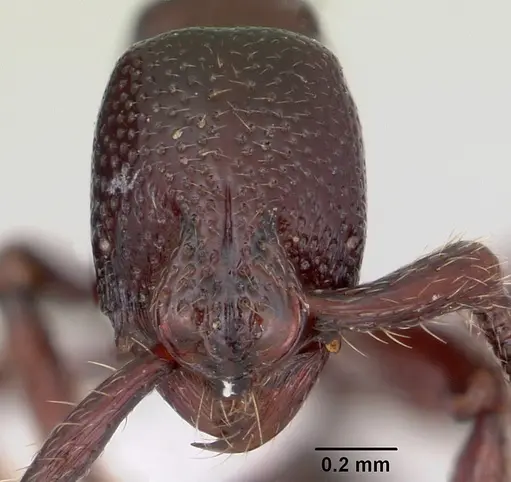
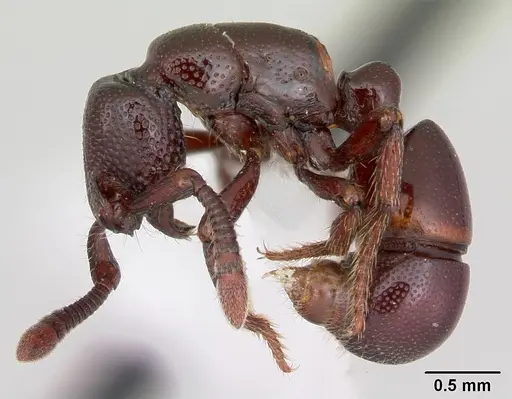
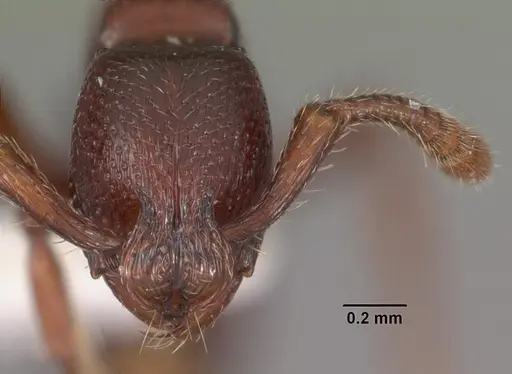
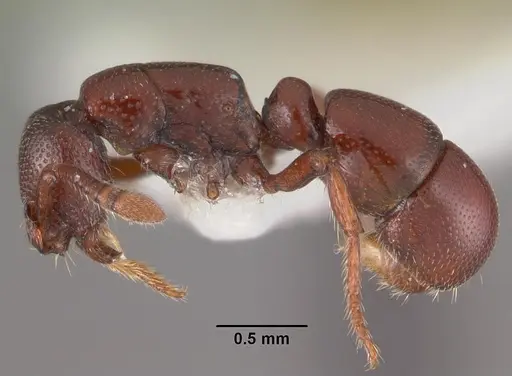
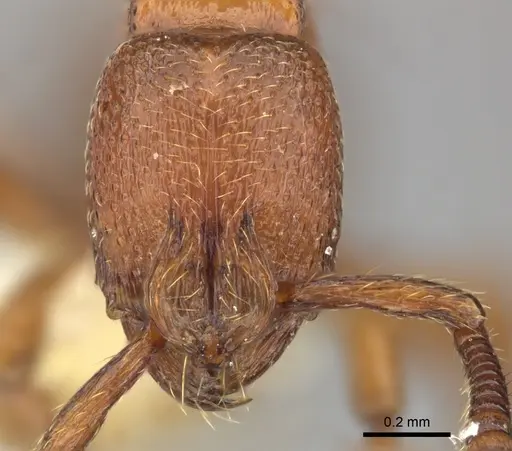
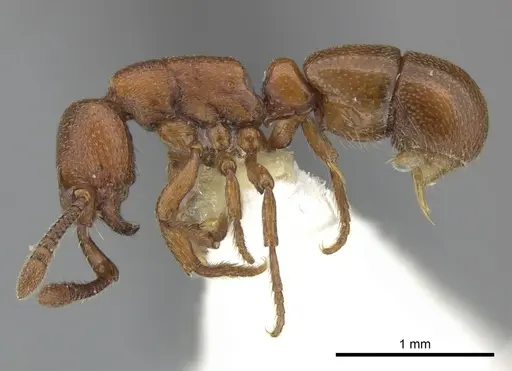
Loboponera politula is a tiny predatory ant from the Ponerinae subfamily, measuring just 3.4-3.7mm in total length . Workers are dark brown with a compact body, very small eyes, and relatively short antennae compared to related species. This species belongs to the obeliscata group and is smaller than its close relative Loboponera obeliscata, with notably shorter scapes . Found exclusively in West African rainforests of Ghana, Ivory Coast, and Nigeria, these ants live in leaf litter and soil, typically in primary forest and cocoa plantations . As a Ponerine ant, they are predatory and use their sting to subdue prey.
Quick Summary
- Difficulty: Hard
- Origin & Habitat: West African rainforests in Ghana, Ivory Coast, and Nigeria. Found in leaf litter and soil in primary rainforest and cocoa plantation habitats [1].
- Colony Type: Colony structure is unconfirmed. Based on typical Ponerinae patterns, likely single-queen colonies.
- Size & Growth:
- Queen: Unknown, not described in original species description [1].
- Worker: 3.4-3.7mm total length [1].
- Colony: Unknown, no colony size data available.
- Growth: Unknown, no development data available.
- Development: Unknown, no direct measurements exist. Based on typical Ponerinae development patterns, estimated 6-10 weeks at optimal temperature. (No species-specific development data exists. Estimates based on genus-level patterns for small tropical Ponerinae.)
- Antkeeping:
- Temperature: Keep around 24-28°C. As a rainforest species from West Africa, they need warm, stable conditions. A heating cable on one side of the nest creates a suitable gradient.
- Humidity: High humidity is essential, think damp rainforest floor. Keep the nest substrate consistently moist but not waterlogged. Provide a water tube as a humidity source and mist occasionally. Avoid both drying and stagnation.
- Diapause: Unknown, no research on seasonal behavior. As a tropical species, they may not require formal hibernation but may reduce activity during cooler periods.
- Nesting: Natural nesting is in leaf litter and soil. In captivity, a naturalistic setup with moist substrate or a Y-tong/plaster nest works well. The key is maintaining high humidity while allowing for some ventilation.
- Behavior: Likely predatory like other Ponerinae, hunting small invertebrates in the leaf litter. Workers are probably active foragers, searching for prey. Their tiny size (under 4mm) means escape prevention is critical, use fine mesh and tight-fitting barriers. Temperament is unknown but Ponerine ants can be defensive when threatened. They likely have a functional sting though it may be too small to affect humans significantly.
- Common Issues: escape prevention is critical due to their very small size, they can squeeze through tiny gaps., high humidity requirements can lead to mold problems if ventilation is poor., lack of species-specific care data means keepers are working from estimates., predatory diet requirements may be challenging to meet with appropriate live prey., slow or unknown colony growth makes it difficult to assess if conditions are correct.
Nest Preferences and Housing
Loboponera politula naturally nests in leaf litter and soil within West African rainforests [1]. In captivity, they need a setup that maintains high humidity while preventing escapes. A Y-tong nest with moist plaster or a naturalistic setup with damp soil works well. The key is keeping the substrate consistently moist, think the damp floor of a rainforest. Foraging areas should be simple and easy to maintain. Because they are tiny (under 4mm), any gaps in the outworld must be sealed with fine mesh or cotton. Test tube setups can work for founding colonies if kept humid, but monitor for drying.
Feeding and Diet
As a Ponerinae ant, Loboponera politula is likely predatory, hunting small invertebrates in the leaf litter. In captivity, offer small live prey such as springtails, fruit flies, small mealworms, and other micro-arthropods. The exact prey size preference is unknown, but given their tiny worker size (3.4-3.7mm), prey should be very small. Sugar sources may be accepted occasionally but should not be a primary food source, these are primarily protein hunters. Feed every 2-3 days and remove uneaten prey to prevent mold. The predatory nature means they need consistent access to live or recently killed insects.
Temperature and Humidity Requirements
As a rainforest species from West Africa (Ghana, Ivory Coast, Nigeria), these ants need warm and humid conditions. Target temperatures around 24-28°C with minimal variation. A heating cable on one side of the nest creates a gradient allowing workers to self-regulate. Humidity is critical, the nest substrate should feel consistently damp but never waterlogged. A water tube attached to the nest provides a humidity reservoir. Mist the outworld occasionally and monitor for condensation. Both drying and stagnant air can be harmful, balance humidity with adequate ventilation.
Behavior and Temperament
Loboponera workers are tiny (3.4-3.7mm) and likely active foragers in the leaf litter layer [1]. Like other Ponerinae, they probably hunt singly or in small groups, using their sting to subdue prey. Workers are likely somewhat defensive when the nest is disturbed, though their small size limits their ability to harm keepers. The most critical behavioral consideration is escape prevention, their tiny size allows them to squeeze through small gaps. Use fluon on outworld rims, fine mesh on any ventilation holes, and check all connections regularly. They are not aggressive toward humans but will defend their nest.
Colony Establishment and Growth
No published data exists on colony founding or development for this species. The queen has not been described, so colony structure (monogyne vs polygyne) is unknown. For founding, assume claustral behavior similar to other Ponerinae, the queen seals herself in and lives off stored fat until workers emerge. However, this is an estimate based on genus patterns, not confirmed. Colony growth rate is unknown. Given their small size and likely predatory diet, growth may be moderate. Keepers should be patient and maintain stable conditions. Do not disturb founding colonies unnecessarily.
Frequently Asked Questions
How long does it take for Loboponera politula to produce first workers?
The egg-to-worker timeline is unknown, no species-specific development data exists. Based on typical Ponerinae patterns, expect 6-10 weeks at optimal temperature (around 26°C). This is an estimate, not a confirmed timeframe.
What do Loboponera politula ants eat?
They are predatory ants. Feed small live prey like springtails, fruit flies, and tiny mealworms. Prey should be appropriately sized for their tiny 3.4-3.7mm workers. Occasional sugar water may be accepted but should not be the primary food.
Are Loboponera politula good for beginners?
No. This species is not recommended for beginners. There is virtually no species-specific care data available, requiring keepers to work from estimates based on related species. Their high humidity needs, small size (escape risk), and predatory diet make them challenging.
What temperature should I keep Loboponera politula at?
Keep them warm at 24-28°C. As rainforest ants from West Africa, they need stable warmth. A heating cable on part of the nest creates a gradient. Avoid temperature drops below room temperature.
How do I prevent Loboponera politula from escaping?
Escape prevention is critical due to their tiny size (under 4mm). Use fine mesh on all ventilation, apply fluon to outworld rims, and check all connections regularly. Even tiny gaps can allow escape.
Do Loboponera politula need hibernation?
Unknown, no research on seasonal behavior exists. As a tropical rainforest species from West Africa, they likely do not require formal hibernation. They may reduce activity during cooler periods but should not be given a cold diapause.
Can I keep multiple Loboponera politula queens together?
Unknown, colony structure has not been documented. Do not attempt combining unrelated queens without documented evidence that this species tolerates polygyny.
What humidity level do Loboponera politula need?
High humidity is essential. Keep the nest substrate consistently damp but not waterlogged. Think damp rainforest floor conditions. A water tube and occasional misting help maintain humidity.
How big do Loboponera politula colonies get?
Colony size is unknown, no published colony data exists. Based on their tiny worker size and rainforest leaf-litter habitat, colonies are likely modest, probably under 100-200 workers at maturity.
Report an Issue
The current care sheet is based fully on literature. See inconsistencies, or something that's incorrect? Please , it will be resolved after review from an admin. Contributing to the blogs tab also helps providing information, to make us be able to further improve the caresheets. Thank you for your support!
References

This caresheet is licensed under CC BY-SA 4.0 .
Community Blogs
CASENT0003093
View on AntWeb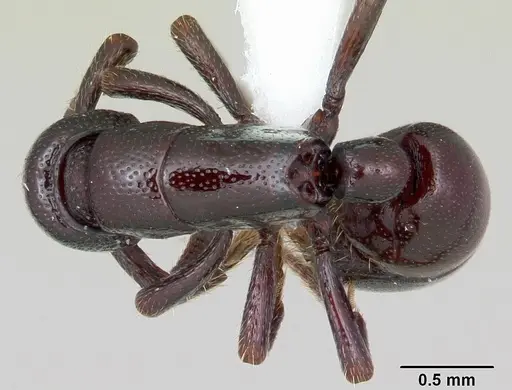
CASENT0003094
View on AntWeb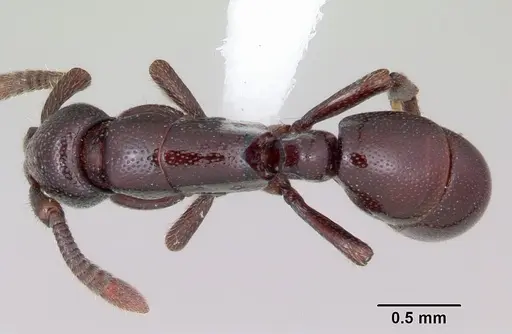
CASENT0003095
View on AntWeb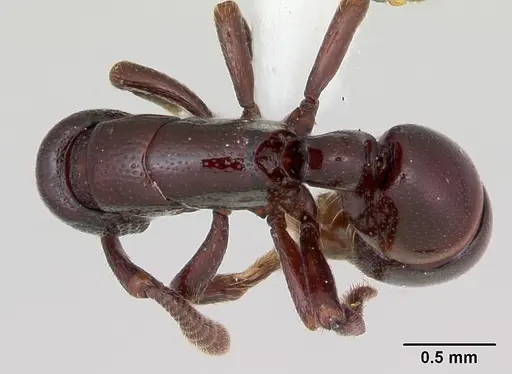
CASENT0102323
View on AntWeb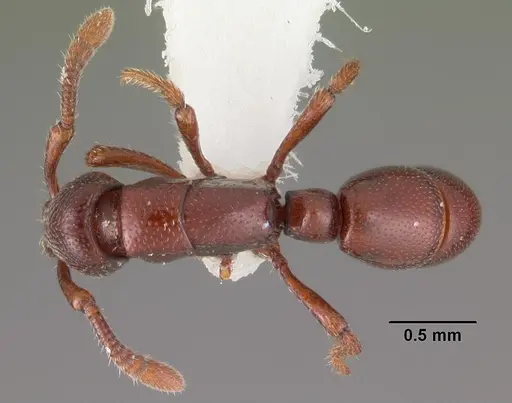
CASENT0270587
View on AntWeb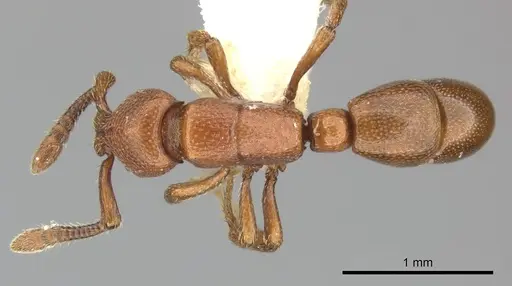
Literature
Loading distribution map...Loading products...