
Lioponera sjostedti
- Sci. Name
- Lioponera sjostedti
- Subfamily
- Dorylinae
- Author
- Forel, 1915
- Distribution
- Found in 1 countries
Introduction
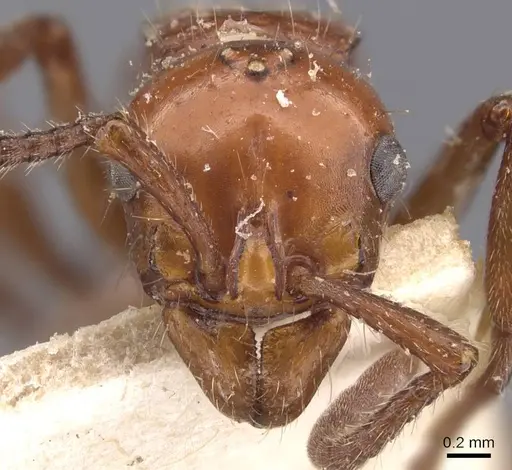
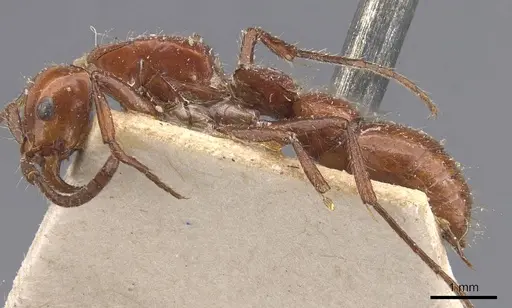
Lioponera sjostedti is a medium-sized to large reddish ant species native to Western Australia, Australia. These ants are conspicuous in their native habitat, running actively over the ground while rapidly antennating the soil surface in search of prey . Originally described as Cerapachys sjostedti by Forel in 1915,the species has been reclassified through several genera and now resides in Lioponera within the Dorylinae subfamily. Their reddish coloration and active surface foraging make them relatively easy to spot compared to many other cryptic ant species in the region.
Quick Summary
- Difficulty: Medium
- Origin & Habitat: Western Australia, Australia, found throughout the state from southwestern regions to as far north as the Pilbara. They inhabit arid to semi-arid landscapes where they actively forage on the ground surface [1].
- Colony Type: Colony structure is unconfirmed for this species.
- Size & Growth:
- Antkeeping:
- Temperature: Keep at room temperature around 20-24°C. No specific thermal studies exist for this species. Observe colony activity and adjust accordingly.
- Humidity: Low to moderate humidity is appropriate given their arid Western Australian habitat. Allow the nest to dry partially between waterings. Avoid overly damp conditions.
- Diapause: Unknown, no documented hibernation or diapause requirements. Western Australia has mild winters, so they may have reduced activity periods rather than true diapause.
- Nesting: No specific nesting data exists. A naturalistic setup with a soil chamber or Y-tong/plaster nest with moderate humidity would be reasonable. Lean toward drier conditions given their arid habitat.
- Behavior: These ants are active surface foragers that hunt prey on the soil surface. Their behavior of rapidly antennating the ground suggests they use chemical cues to locate prey items. They are predatory on other arthropods and smaller ants. Escape prevention should be moderate, they are active foragers but not among the smallest ants. Their predatory nature means they should be kept away from other ant colonies.
- Common Issues: lack of documented care information makes proper husbandry challenging, predatory diet requirements may be difficult to meet with appropriate live prey, colony size and growth rate are unknown, humidity requirements are unconfirmed, no information on founding behavior
Natural History and Identification
Lioponera sjostedti is a distinctive reddish ant species found exclusively in Western Australia. The workers are described as medium-sized to large, making them relatively conspicuous compared to many other ant species in the region [1]. Originally described by Forel in 1915 from specimens collected in northwestern Australia, the species has undergone several reclassifications, moving from Cerapachys to Phyracaces and finally to Lioponera. These ants are active surface foragers, running across the ground while repeatedly touching the soil with their antennae, a behavior that helps them detect prey through chemical traces.
Distribution and Habitat
This species is known from Western Australia, where it has been recorded from the southwestern regions extending north to the Pilbara region. While not confirmed outside WA, the species may have a wider distribution within the state [1]. The habitat consists of arid to semi-arid landscapes typical of much of Western Australia. These ants are ground-dwelling predators that forage on the soil surface rather than in trees or above-ground locations.
Feeding and Diet
As a member of the Dorylinae subfamily, Lioponera sjostedti is predatory. The observed behavior of antennating the soil surface indicates active hunting of small arthropods and other ants. In captivity, offer a diet based on live small invertebrates such as fruit flies, pinhead crickets, small mealworms, and other appropriately-sized live prey. Sugar sources may be accepted occasionally, but protein-rich prey should form the primary diet. Feed prey items two to three times per week, adjusting based on colony consumption.
Housing and Nesting
No specific nesting data exists for this species. A naturalistic setup with a soil chamber or a Y-tong/plaster nest with moderate humidity would be a reasonable starting point. Given their Western Australian arid habitat, lean toward drier conditions rather than wet nests. Provide a water tube but monitor substrate moisture carefully. The outworld should have space for active foraging, these ants run considerable distances when hunting.
Temperature and Seasonal Care
Western Australia experiences a range of temperatures, from mild winters to hot summers. No specific temperature requirements have been documented for this species. Start with room temperature around 20-24°C and observe your colony's behavior. If workers become sluggish, consider slight warming, if they avoid heated areas, reduce temperature. There is no confirmed diapause requirement, but reduced activity during cooler months may occur.
Frequently Asked Questions
How long does it take for Lioponera sjostedti to develop from egg to worker?
The egg-to-worker development time is unconfirmed, no scientific studies have documented this for Lioponera sjostedti.
What do Lioponera sjostedti ants eat?
They are predatory ants that hunt prey on the soil surface. Feed them live small invertebrates like fruit flies, pinhead crickets, small mealworms, and other appropriately-sized live prey.
Are Lioponera sjostedti good for beginners?
This species is not recommended for beginners. There is very limited documented care information available, making proper husbandry challenging.
Do Lioponera sjostedti ants sting?
Dorylinae ants have stingers, though the exact sting potency for this species is unconfirmed. Handle with care.
How big do Lioponera sjostedti colonies get?
Colony size is unknown, no documented colony size data exists for this species.
What temperature should I keep Lioponera sjostedti at?
No specific temperature requirements are documented. Start with room temperature around 20-24°C and observe your colony's activity levels.
Do Lioponera sjostedti need hibernation or diapause?
Diapause requirements are unconfirmed. Western Australia has mild winters, so they may have only reduced activity periods rather than true hibernation.
Can I keep multiple Lioponera sjostedti queens together?
Colony structure is unconfirmed. No information exists on whether this species is monogyne or polygyne. Combining unrelated queens is not recommended.
What humidity level do Lioponera sjostedti need?
Humidity requirements are unconfirmed. Based on their arid Western Australian habitat, they likely prefer drier conditions. Keep substrate moderately moist but allow it to dry partially between waterings.
Is Lioponera sjostedti aggressive?
As predatory Dorylinae ants, they are likely aggressive toward prey and may defend their nest against threats. Keep them away from other ant colonies.
Report an Issue
The current care sheet is based fully on literature. See inconsistencies, or something that's incorrect? Please , it will be resolved after review from an admin. Contributing to the blogs tab also helps providing information, to make us be able to further improve the caresheets. Thank you for your support!
References

This caresheet is licensed under CC BY-SA 4.0 .
Community Blogs
CASENT0907066
View on AntWeb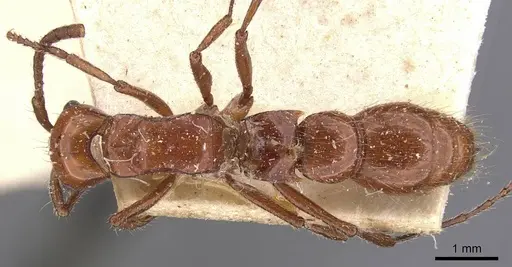
Literature
Loading distribution map...Loading products...