
Lioponera punctatissima
- Sci. Name
- Lioponera punctatissima
- Subfamily
- Dorylinae
- Author
- Clark, 1924
- Distribution
- Found in 1 countries
Introduction
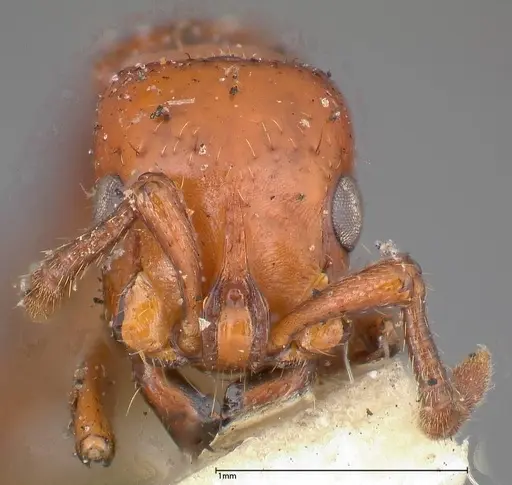
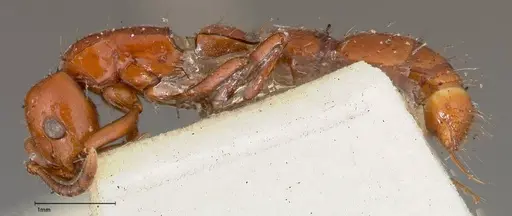
Lioponera punctatissima is a rare predatory ant species native to Western Australia. Size data unavailable for this species. It was originally described from specimens collected near Mundaring, in the Perth region . The species has undergone several taxonomic reclassifications . It inhabits dry to semi-arid woodland areas . The species is extremely rare in the wild, with most recent specimens collected from remote areas rather than the Perth metropolitan region where urbanization has negatively impacted populations .
Quick Summary
- Difficulty: Expert
- Origin & Habitat: Western Australia, Australia. Dry to semi-arid woodland habitats [1].
- Colony Type: Colony structure is unconfirmed for this species [1].
- Size & Growth:
- Antkeeping:
- Temperature: Keep at 24-28°C, inferred from related doryline ants [1].
- Humidity: Low to moderate. Keep nest substrate dry with a small water chamber for humidity control [1].
- Diapause: Likely yes, based on Western Australia climate [1].
- Nesting: Dry Y-tong or plaster nest with a small water reservoir [1].
- Behavior: These are predatory ants that hunt other ant species and their brood. Workers are likely aggressive toward prey but generally non-aggressive toward humans. Escape risk is moderate, use standard barrier techniques [1].
- Common Issues: very rare in the wild, captive colonies are extremely uncommon and may have been wild-caught, increasing parasite risk., predatory diet makes feeding challenging, requires constant supply of live ant brood or small prey., small colony sizes mean colonies are fragile and slow to recover from losses., specific humidity requirements are unknown, trial and error may be needed.
Species Overview and Identification
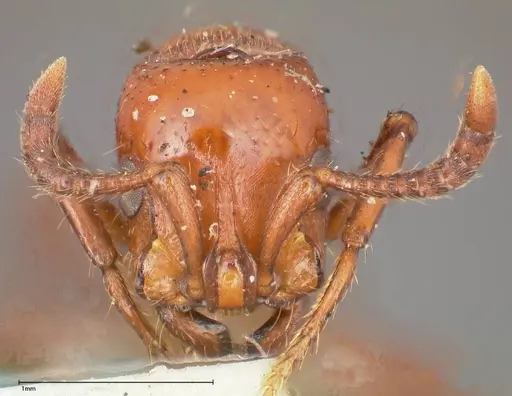
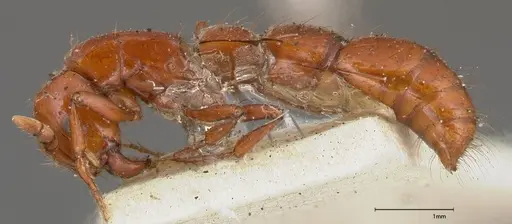
Lioponera punctatissima is a cryptic predatory ant that was originally described from the Perth region of Western Australia in 1924 [1]. The species has undergone several reclassifications [1]. These ants are small-bodied predators with doryline morphology, but size data is unavailable [1]. The species is considered extremely rare in the wild [1].
Natural History and Distribution
This species is endemic to Western Australia, with the type locality near Mundaring [1]. More recent records come from the Pilbara District [1]. They prefer dry to semi-arid woodland habitats [1]. Like other doryline ants, they are predators that likely raid other ant nests [1].
Housing and Nesting
In captivity, house Lioponera punctatissima in a dry setup. Use a Y-tong or plaster nest with a small water chamber to avoid excessive humidity [1]. The outworld should be simple. Escape prevention is important with standard barrier techniques [1].
Feeding and Diet
As predatory ants, Lioponera punctatissima requires live protein prey, such as ant brood or small insects [1]. Feed prey items 2-3 times per week, removing uneaten prey to prevent mold [1].
Temperature and Seasonal Care
Maintain colony temperatures around 24-28°C during the active season [1]. During winter, reduce temperatures to simulate natural cooling [1].
Behavior and Colony Dynamics
Lioponera punctatissima exhibits predatory behavior, likely in raiding parties [1]. Colony size is up to 35 workers [1]. Queens are alate, indicating nuptial flights [1].
Frequently Asked Questions
How long does it take for Lioponera punctatissima to develop from egg to worker?
The exact development timeline is unknown for this species [1].
What do Lioponera punctatissima ants eat?
These are predatory ants that require live protein prey, such as ant brood or small insects [1].
Are Lioponera punctatissima good for beginners?
No. This is an expert-only species due to rarity, specific dietary needs, and fragile colonies [1].
Do Lioponera punctatissima ants sting?
They have a functional stinger, but due to small size, the sting is negligible to humans [1].
What temperature should I keep Lioponera punctatissima at?
Maintain temperatures around 24-28°C during the active season, with a gradient for thermoregulation [1].
How big do Lioponera punctatissima colonies get?
Colonies are small, with up to 35 workers [1].
Do Lioponera punctatissima need hibernation?
Likely yes, based on Western Australia climate, with a winter rest period [1].
Can I keep multiple Lioponera punctatissima queens together?
Colony structure is unconfirmed, but based on related patterns, they likely form single-queen colonies [1].
Where is Lioponera punctatissima found in the wild?
This species is endemic to Western Australia, originally from the Perth region and more recently from the Pilbara District [1].
Why are Lioponera punctatissima so rare in the antkeeping hobby?
This species has always been rare in the wild, with urbanization reducing populations, and specific care needs make captive breeding difficult [1].
Report an Issue
The current care sheet is based fully on literature. See inconsistencies, or something that's incorrect? Please , it will be resolved after review from an admin. Contributing to the blogs tab also helps providing information, to make us be able to further improve the caresheets. Thank you for your support!
References

This caresheet is licensed under CC BY-SA 4.0 .
Community Blogs
ANTWEB1008248
View on AntWeb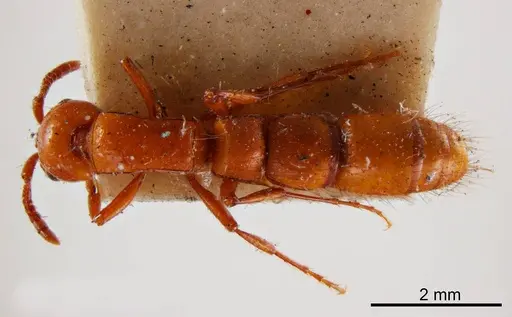
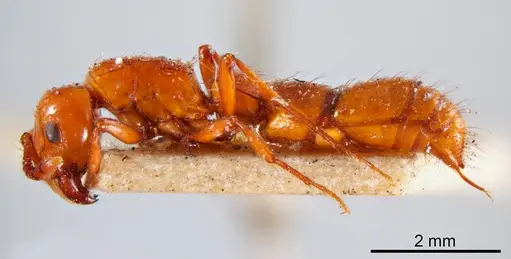
CASENT0902757
View on AntWeb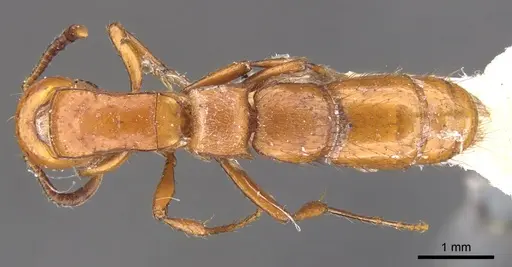
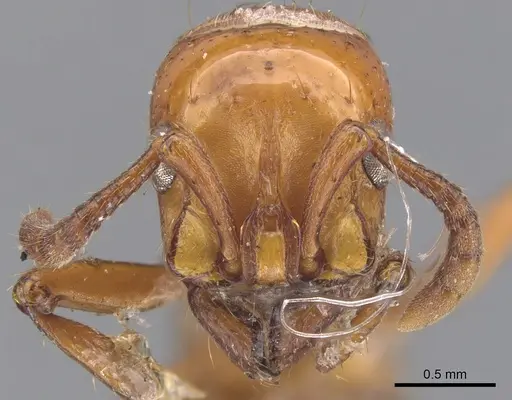
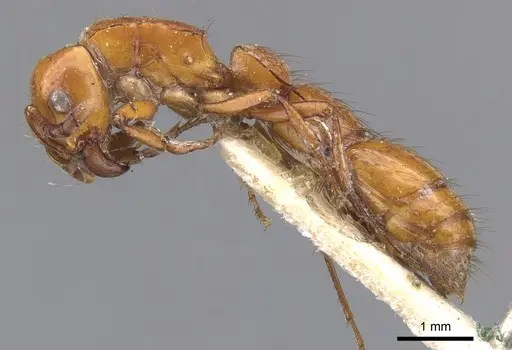
FOCOL0337-1
View on AntWeb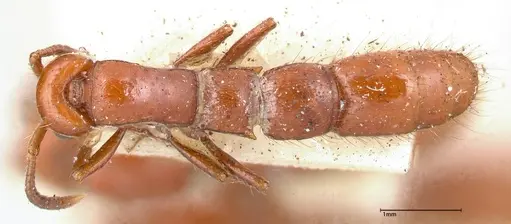
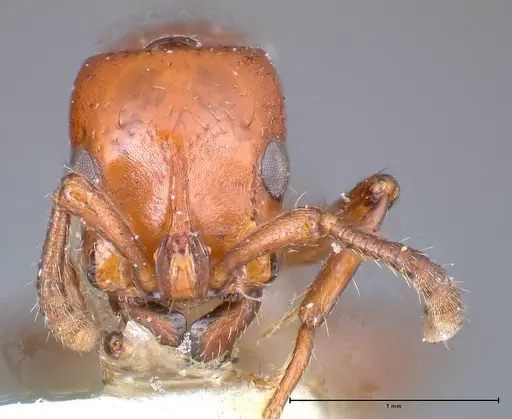
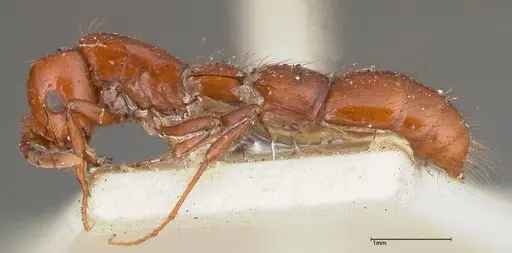
FOCOL0337-2
View on AntWeb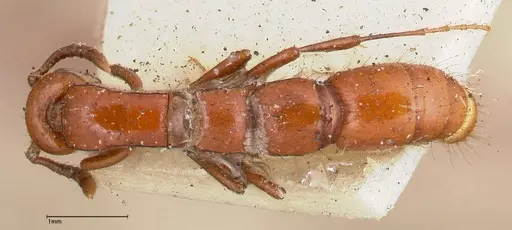
FOCOL0337-3
View on AntWeb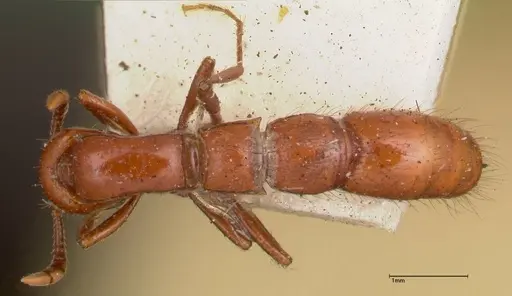
Literature
Loading distribution map...Loading products...