
Lioponera nigriventris
- Sci. Name
- Lioponera nigriventris
- Subfamily
- Dorylinae
- Author
- Clark, 1924
- Distribution
- Found in 1 countries
Introduction
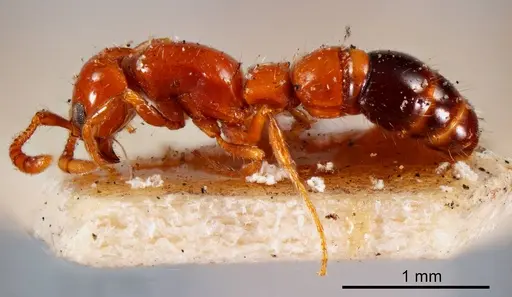
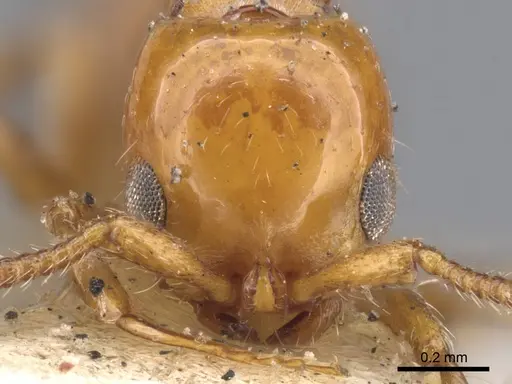
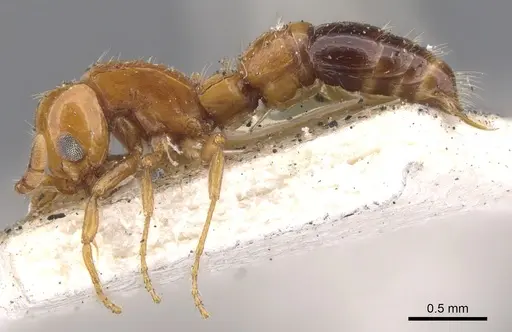
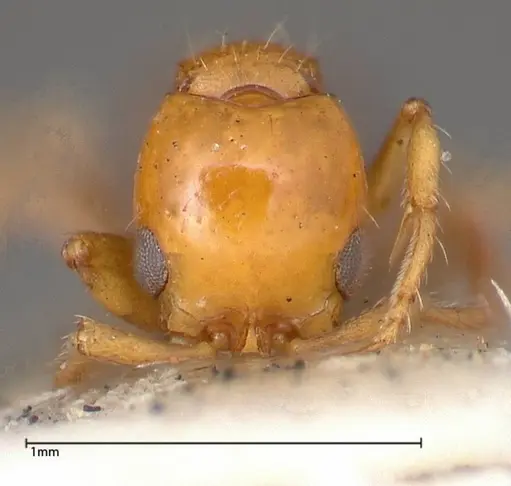
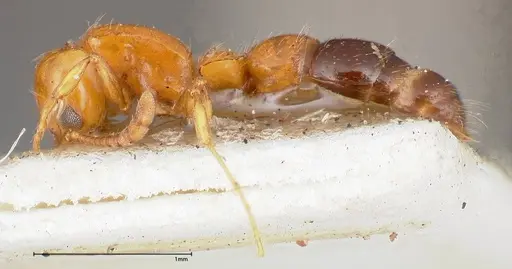
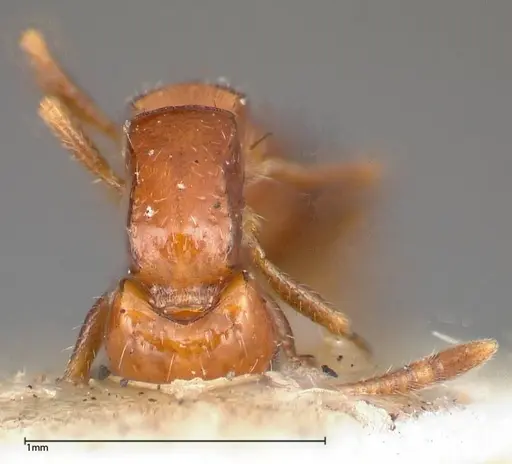
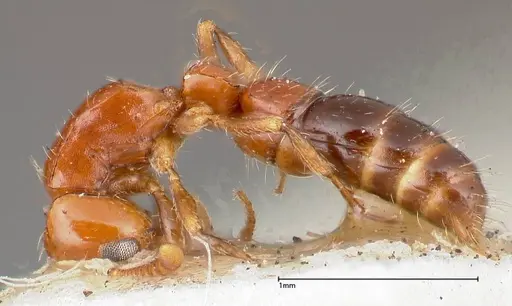
Lioponera nigriventris is a small, inconspicuous ant species native to Western Australia. Workers are small and plain in appearance, typical of the Dorylinae subfamily, but size data is unavailable for this species. It is found in the south-west and goldfields regions of Western Australia . The species is notable for having ergatoid queens - wingless queens that can serve as replacement reproductives, as documented in the type material .
Quick Summary
- Difficulty: Hard
- Origin & Habitat: Western Australia, specifically the south-west and goldfields regions, in arid to semi-arid environments [1].
- Colony Type: Single-queen colonies with ergatoid replacement reproductives possible, but social structure is unconfirmed.
- Size & Growth:
- Queen: Size data unavailable
- Worker: Size data unavailable
- Colony: Unknown for this species
- Growth: Unknown
- Development: Unknown, no direct data available (Development patterns are unconfirmed for this species)
- Antkeeping:
- Temperature: Keep at room temperature (20-25°C). Based on arid origin, they likely tolerate a range from 18-28°C. No specific data available.
- Humidity: Low to moderate, based on arid origin, keep nest substrate slightly moist but allow drying periods between waterings.
- Diapause: Unknown, no data on hibernation for this species.
- Nesting: Natural nesting under stones or in shallow chambers. In captivity, use test tube setups or small nests made of Y-tong, plaster, or soil. Ensure escape prevention for small size.
- Behavior: Little documented, but Dorylinae ants are typically predatory and may show moderate aggression. Escape risk is high due to small size.
- Common Issues: limited biological data makes specific care recommendations uncertain, small size requires fine mesh barriers to prevent escapes, predatory diet means they need constant access to live prey, winter rest period requirements are unconfirmed, wild-caught colonies may have parasites
Species Background and Taxonomy
Lioponera nigriventris was originally described by J. Clark in 1924 as Lioponera nigriventris from specimens collected in Western Australia. The species has undergone taxonomic changes, moving through Cerapachys before being placed in Lioponera. The type material includes workers and a single ergatoid queen, a wingless reproductive female that can serve as a replacement queen [1].
Natural Habitat and Distribution
This species is found exclusively in Western Australia, specifically in the south-west and goldfields regions. These areas have arid to semi-arid climates, suggesting adaptation to dry conditions with seasonal rainfall. They are inconspicuous and likely nest in concealed locations under stones or in shallow soil chambers [1].
Housing and Nesting
In captivity, Lioponera nigriventris can be kept in standard test tube setups for founding colonies. For established colonies, use small nests made of Y-tong, plaster, or soil with narrow chambers appropriate for their small size. Ensure proper humidity control with slightly moist substrate that can dry out between waterings. Use fine mesh barriers to prevent escapes due to their small size. A small outworld area allows for foraging.
Feeding and Diet
As a Dorylinae ant, Lioponera nigriventris is likely predatory, feeding on small invertebrates and other ants. In captivity, offer small live prey such as fruit flies, pinhead crickets, and small mealworms. They may accept protein-rich foods, but sugar sources are unconfirmed for this species. Feed every 2-3 days, removing uneaten prey after 24 hours.
Temperature and Seasonal Care
Keep colonies at room temperature, ideally 20-25°C. Western Australian species may tolerate seasonal variation, but no specific data on hibernation is available for this species. During active season, a temperature gradient allows ants to self-regulate. Avoid temperatures above 30°C for extended periods.
Colony Structure and Reproduction
The presence of an ergatoid queen in the type material suggests this species may have single-queen colonies with replacement reproductives. Ergatoid queens are wingless and can serve as backups if the primary queen dies. Colony growth is likely slow, but no specific data on colony size is available [1].
Frequently Asked Questions
How long does it take for Lioponera nigriventris to produce first workers?
The exact timeline is unknown, as no direct development data is available for this species.
What do Lioponera nigriventris ants eat?
They are likely predatory like other Dorylinae ants. Feed small live prey such as fruit flies, pinhead crickets, and small insects. Sugar sources may be accepted but are not confirmed.
What temperature should I keep Lioponera nigriventris at?
Room temperature of 20-25°C is suitable. They can tolerate 18-28°C but avoid extremes. No specific data on seasonal care is available.
Are Lioponera nigriventris good for beginners?
Due to limited biological data, this species is not ideal for beginners. Only experienced antkeepers should attempt this species.
How big do Lioponera nigriventris colonies get?
Colony size is unknown for this species, as no specific data is available.
Do Lioponera nigriventris need hibernation?
Hibernation requirements are unknown for this species, as no data is available.
Can I keep multiple Lioponera nigriventris queens together?
This species' social structure is unconfirmed. Combining unrelated queens is not recommended as it has not been studied.
What is an ergatoid queen?
An ergatoid queen is a wingless queen that develops from a regular larva but lacks wings. She can serve as a replacement reproductive if the primary queen dies, which helps ensure colony survival.
Where is Lioponera nigriventris found in the wild?
They are found only in Western Australia, specifically in the south-west and goldfields regions [1].
Report an Issue
The current care sheet is based fully on literature. See inconsistencies, or something that's incorrect? Please , it will be resolved after review from an admin. Contributing to the blogs tab also helps providing information, to make us be able to further improve the caresheets. Thank you for your support!
References

This caresheet is licensed under CC BY-SA 4.0 .
Community Blogs
ANTWEB1008242
View on AntWeb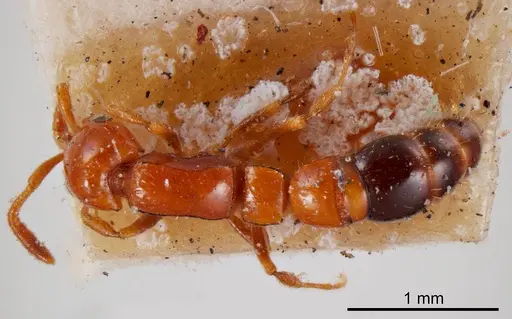
CASENT0902749
View on AntWeb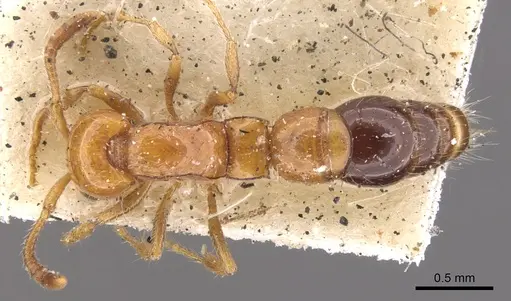
FOCOL0338-1
View on AntWeb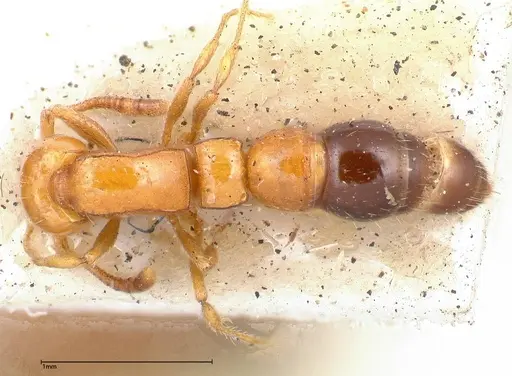
FOCOL0338-2
View on AntWeb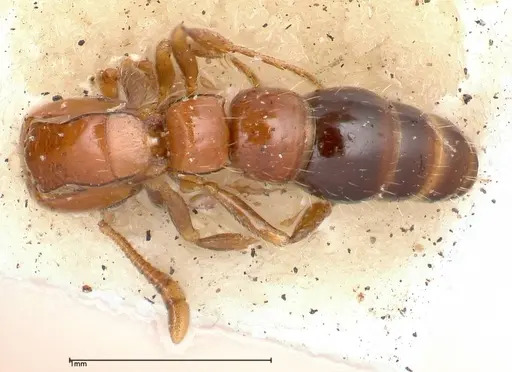
Literature
Loading distribution map...Loading products...