
Lioponera longitarsus
- Sci. Name
- Lioponera longitarsus
- Subfamily
- Dorylinae
- Author
- Mayr, 1879
- Distribution
- Found in 3 countries
Introduction
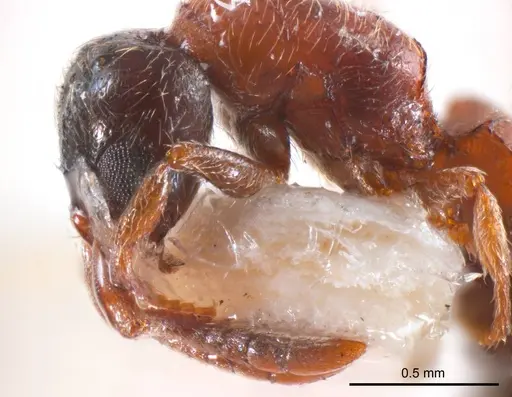
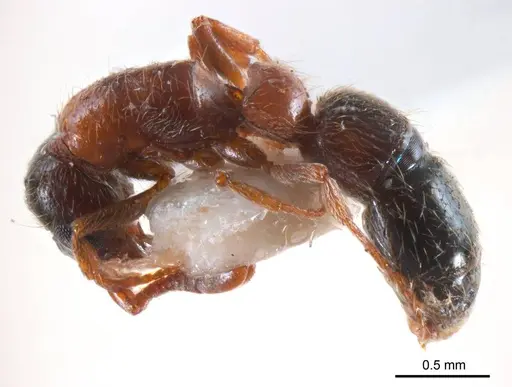
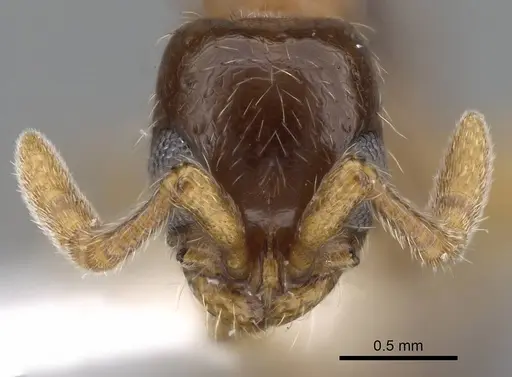
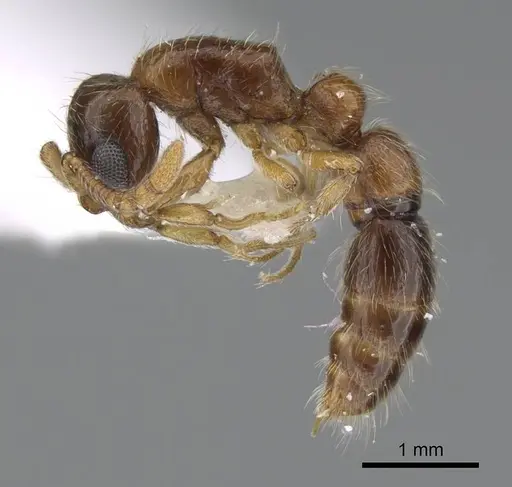
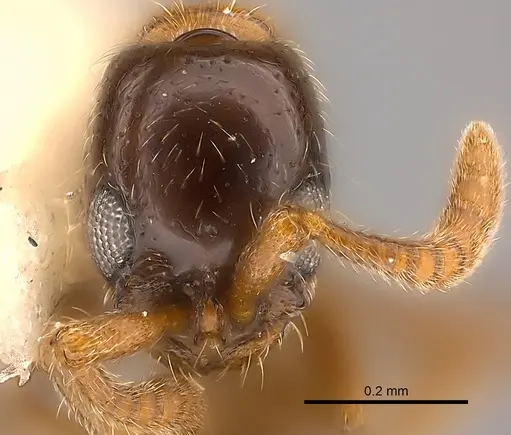
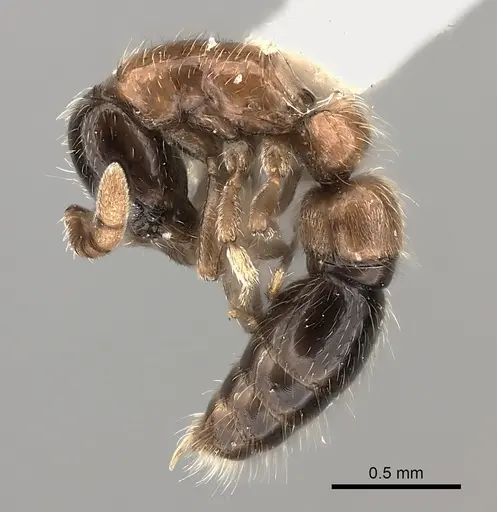
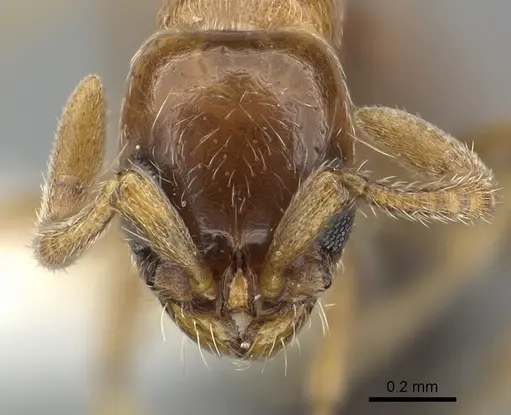
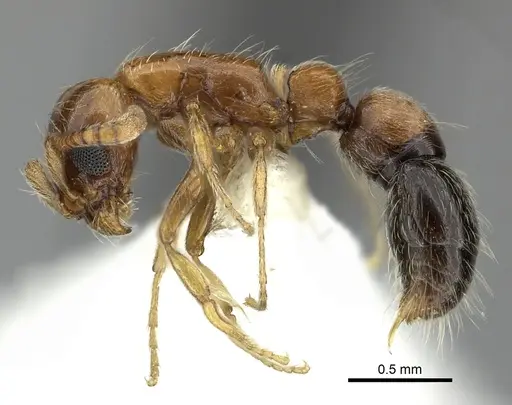
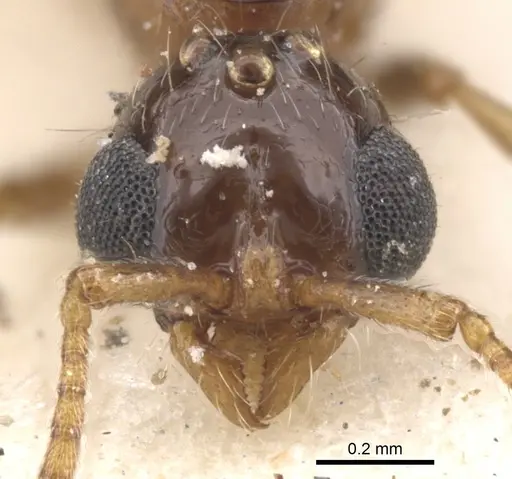
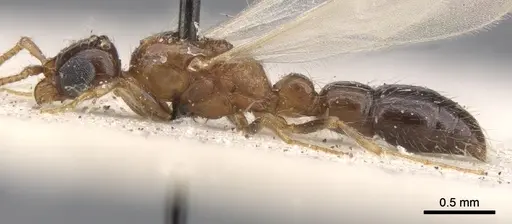
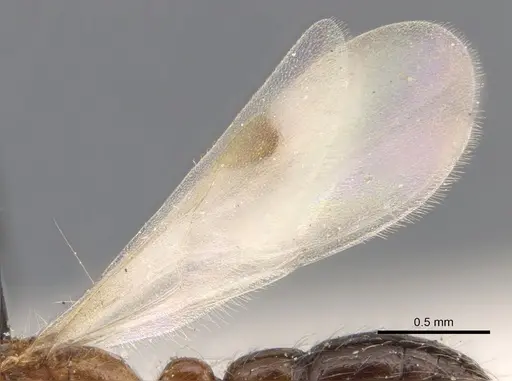
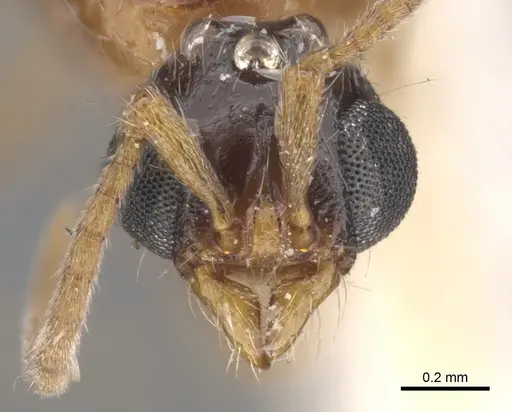
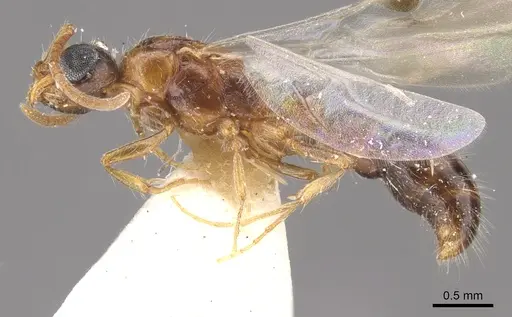
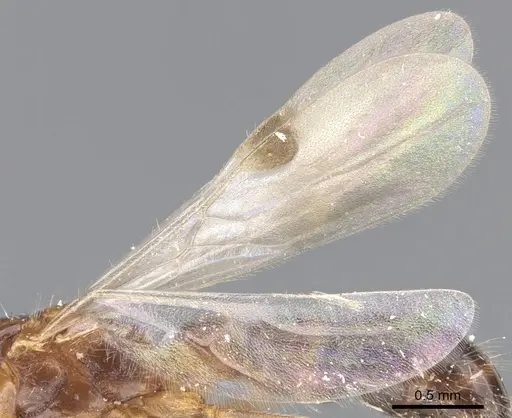
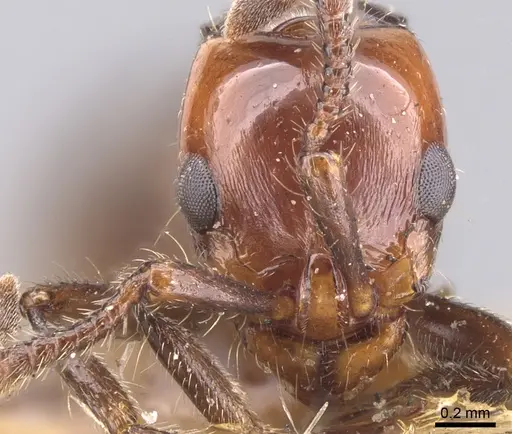
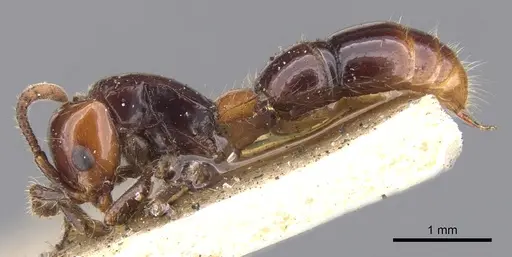
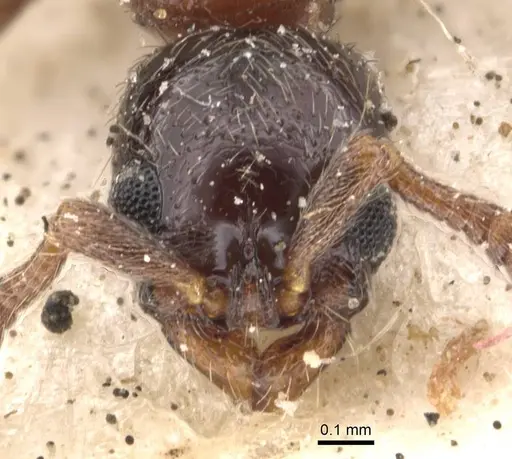
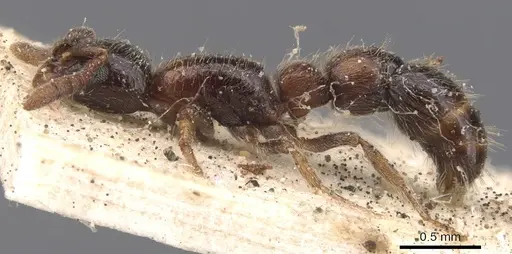
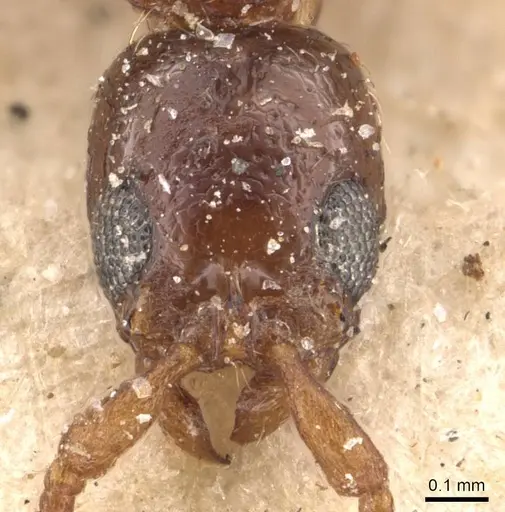
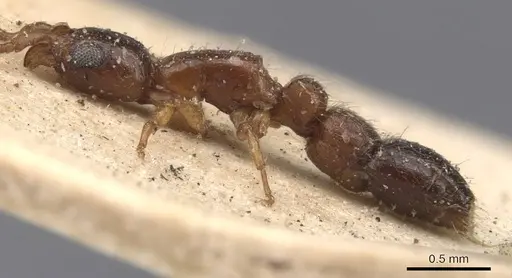
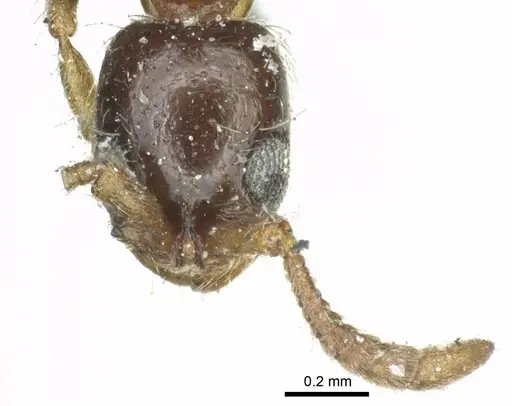
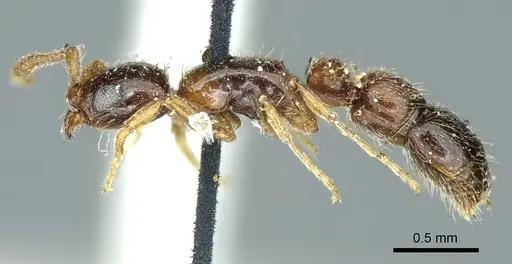
Lioponera longitarsus is a small, bicolored ant in the Dorylinae subfamily. Workers have a black or dark brown head and abdomen, with reddish-brown thorax, pedicel, and legs, and measure about 3.3 mm in total length . Queens are approximately 4 mm long . This species has a wide distribution across North Africa, the Middle East, South Asia, Southeast Asia, and Australasia, making it one of the most widespread ants in its group . It is considered a tramp species, likely spread through human commerce in hollow twigs . What makes L. longitarsus unusual is its dual reproductive system: it produces both winged queens and ergatoid (wingless) queens that can replace the primary queen if needed . This species is also a specialist predator, hunting other ants rather than eating typical ant foods.
Quick Summary
- Difficulty: Expert
- Origin & Habitat: Originally described from India, this species now spans North Africa, the Middle East, South Asia, Southeast Asia, and Australasia [3][5]. It inhabits tropical to semi-arid regions and is a tramp species spread through human activity [4].
- Colony Type: Colony structure is unconfirmed, research does not specify if colonies are monogyne or polygyne, but ergatoid replacement queens have been documented [1].
- Size & Growth:
- Antkeeping:
- Temperature: Keep at 22-26°C, inferred from their tropical range [2][4].
- Humidity: Keep nest substrate moderately moist with some drier areas, as they inhabit semi-arid to tropical regions [4][1].
- Diapause: No diapause required, as they are active in summer and rainy seasons [6].
- Nesting: Twig-nesting species, provide hollow twigs or narrow chambers to mimic natural habitat [4][1].
- Behavior: Specialist predator that hunts other ants [1]. Not aggressive toward humans. Escape risk is moderate due to small size, ensure escape prevention measures are in place.
- Common Issues: specialized diet requires live ant prey, which is difficult to provide consistently., colony founding is challenging due to rarity of ergatoid queens., twig-nesting requirement means standard test tube setups may not be ideal., rare in the antkeeping hobby, making acquisition difficult., tramp species status may carry parasites or diseases from wild colonies.
Housing and Nest Preferences
Lioponera longitarsus is a twig-nesting species, so provide a setup with hollow twigs or narrow chambers scaled to their small size [4][1]. Use Y-tong, plaster, soil, or 3D-printed nests, avoid acrylic nests. The nest should have a humidity gradient with mostly dry chambers and one small moist area to match their natural semi-arid habitats.
Feeding and Diet
This species is a specialist predator that requires live ant prey or other small insects [1][7]. Do not offer sugar water or typical ant foods, instead, provide regular feedings of small live insects like fruit flies or pinhead crickets.
Temperature and Seasonal Care
Keep temperatures between 22-26°C, as inferred from their tropical range [2][4]. They show seasonal activity in some regions, being active in summer and rainy seasons [6], so a slight slowdown in cooler months is possible but diapause is not required.
Colony Structure and Reproduction
Colonies likely have a single queen, but ergatoid (wingless) queens can serve as replacements if the primary queen dies [1]. This dual reproductive system is rare and helps colony resilience.
Acquisition and Ethical Considerations
This species is a tramp species and potentially invasive in some areas like Qatar [8]. Never release colonies in non-native regions. Wild colonies are rare, so acquisition is difficult, if obtained, be prepared for specialized care.
Frequently Asked Questions
Can I keep Lioponera longitarsus in a test tube?
Test tubes are not ideal, they prefer hollow twigs or narrow chambers [4][1]. Use a naturalistic setup with small twigs or a narrow formicarium.
What do Lioponera longitarsus eat?
They require live ant prey or small insects, not standard ant foods [1][7]. Provide regular feedings of live insects.
Are Lioponera longitarsus good for beginners?
No, this is an expert-level species due to its specialized diet, nesting needs, and rarity [1].
Can I keep multiple queens together?
This is not recommended and has not been studied, colonies appear to be single-queen in the wild [1].
Do Lioponera longitarsus need hibernation?
No, they are active in warm seasons and do not require diapause [6].
Why are my Lioponera longitarsus dying?
Common causes include incorrect diet (they need live prey), improper nesting, or stress from handling [1].
Where does Lioponera longitarsus live in the wild?
They nest inside hollow twigs and branches, which explains their spread through human commerce [4][1].
Report an Issue
The current care sheet is based fully on literature. See inconsistencies, or something that's incorrect? Please , it will be resolved after review from an admin. Contributing to the blogs tab also helps providing information, to make us be able to further improve the caresheets. Thank you for your support!
References

This caresheet is licensed under CC BY-SA 4.0 .
Community Blogs
ANTWEB1008249
View on AntWeb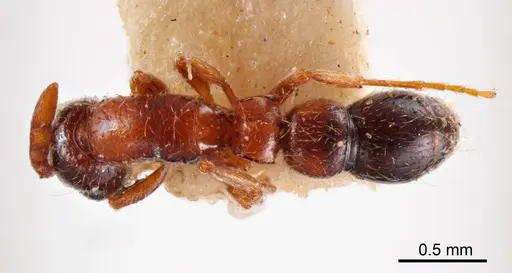
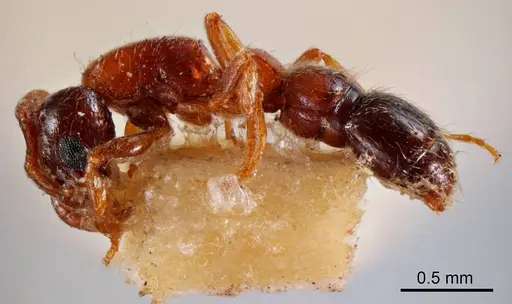
ANTWEB1008626
View on AntWeb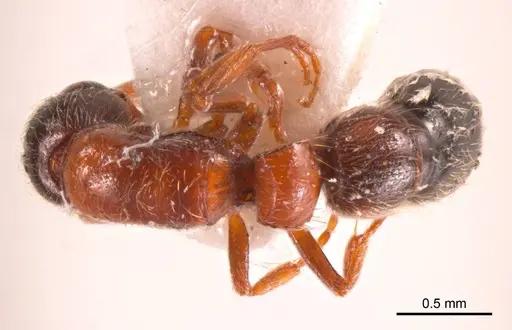
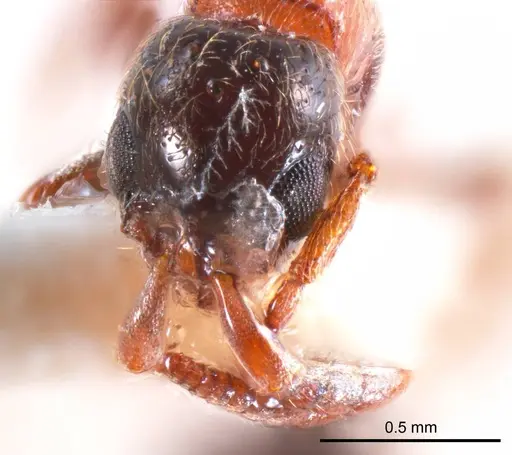
ANTWEB1025146
View on AntWeb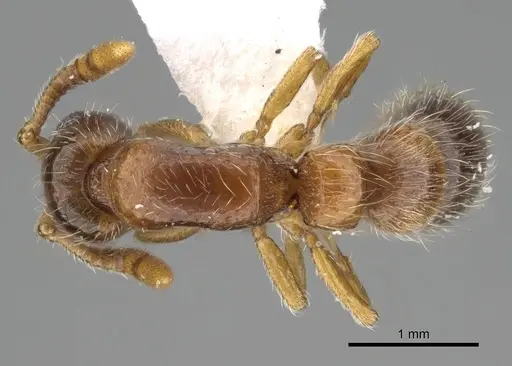
CASENT0217388
View on AntWeb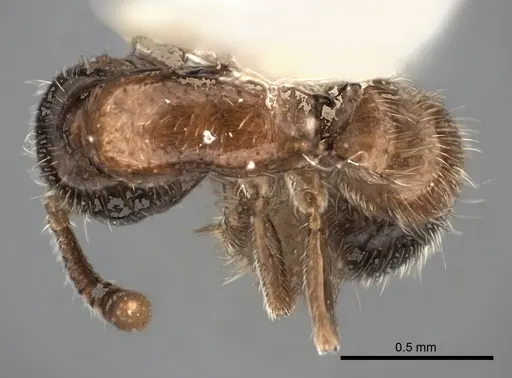
CASENT0249297
View on AntWeb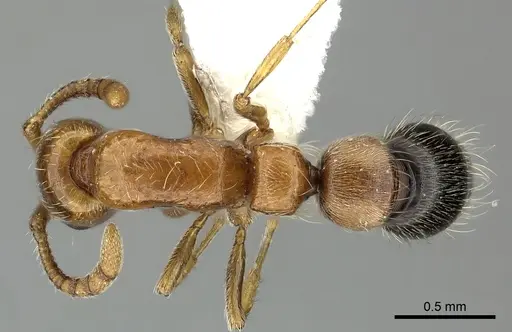
CASENT0902739
View on AntWeb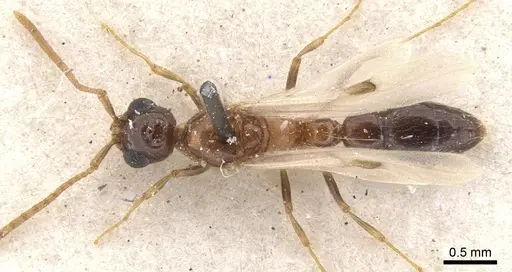
CASENT0902740
View on AntWeb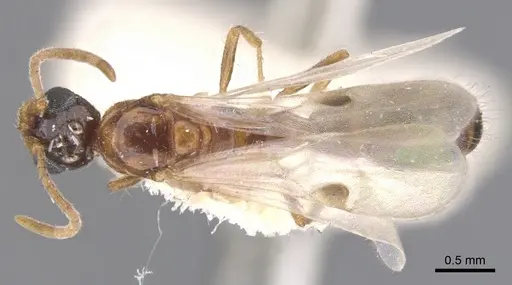
CASENT0902756
View on AntWeb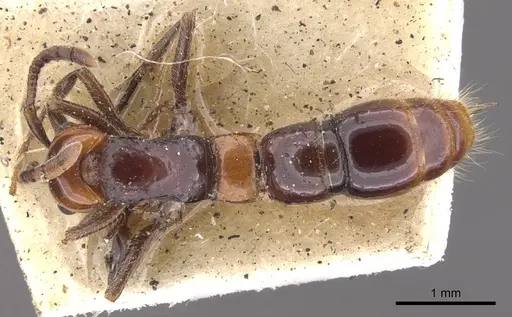
CASENT0907069
View on AntWeb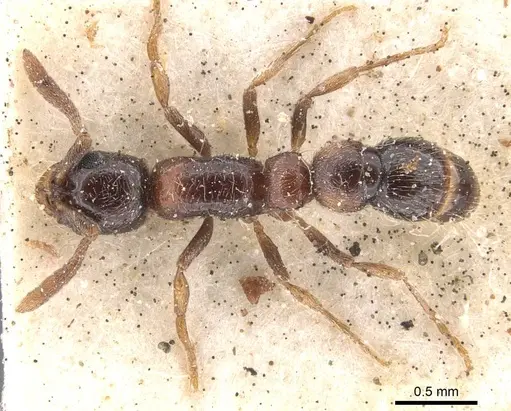
CASENT0907070
View on AntWeb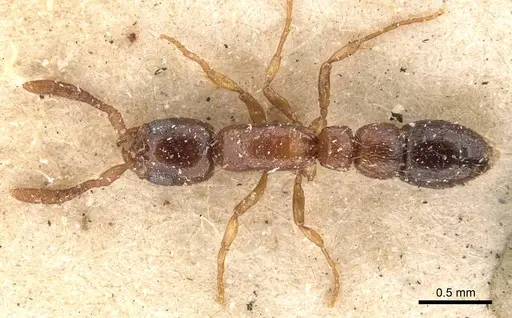
CASENT0915854
View on AntWeb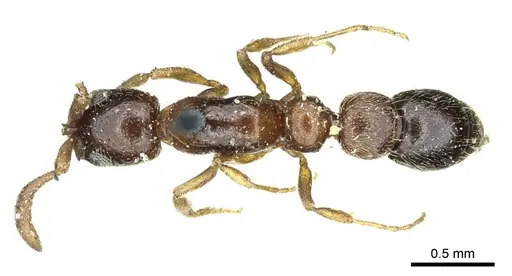
Literature
Loading distribution map...Loading products...