
Lioponera flammea
- Sci. Name
- Lioponera flammea
- Subfamily
- Dorylinae
- Author
- Clark, 1930
- Distribution
- Found in 1 countries
Introduction
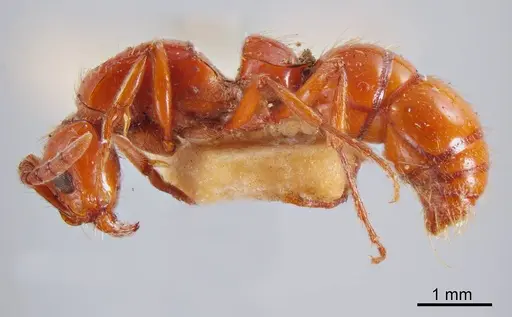
Lioponera flammea is a medium-sized to large reddish ant native to Western Australia. These ants are distinctive for their bright red coloration and active ground-foraging behavior - they can be spotted running rapidly over the soil surface, quickly moving their antennae to locate prey . The species was originally described as Phyracaces flammeus in 1930 before being reclassified through taxonomic revisions to Cerapachys and eventually Lioponera. In the wild, they occur throughout southwestern Australia, from the Perth region north to at least the Pilbara region. As members of the Dorylinae subfamily, these ants are specialized predators that hunt other invertebrates across the forest floor and arid landscapes of their Australian range.
Quick Summary
- Difficulty: Medium
- Origin & Habitat: Western Australia, found throughout the southwestern region from Perth area north to at least the Pilbara region. They inhabit various Australian habitats including forests and arid zones where they forage actively on the ground surface [1].
- Colony Type: Colony structure is unconfirmed for this species. Specific data on queen number and colony organization is not available in the literature.
- Size & Growth:
- Queen: Size data unavailable, no specific measurements exist for this species
- Worker: Size data unavailable, no specific measurements exist for this species [1]
- Colony: Unknown for this specific species
- Growth: Unknown, no development data is available for this species
- Development: Unknown, no specific development data available for this species (Development time cannot be estimated from available literature)
- Antkeeping:
- Temperature: Keep around 22-26°C. Australian species from temperate to subtropical regions can tolerate a range, but warmth supports activity and development. A gentle gradient is recommended.
- Humidity: Moderate humidity around 50-70%. These are ground-foraging ants that encounter varied moisture conditions in their Australian habitat. Provide a moist area in the nest but allow some drying.
- Diapause: Unknown, no specific data on hibernation requirements for this species. Australian temperate species may benefit from a winter cool period, but this is unconfirmed.
- Nesting: Y-tong or plaster nests work well. They prefer tight, dark chambers. In nature they likely nest underground or under stones. Provide a naturalistic setup with substrate they can burrow into.
- Behavior: Active ground-foraging predators. Workers search rapidly across the substrate surface, using their antennae to locate prey. They are not aggressive toward keepers but will defend the colony if threatened. Their small size means escape prevention matters, use fine mesh and tight-fitting barriers.
- Common Issues: lack of specific care data makes husbandry more challenging, monitor colony response closely, predatory diet requires consistent live prey which can be logistically demanding, Australian species may not tolerate standard room temperatures if too cold, hibernation requirements are not fully understood for this species, wild-caught colonies may carry parasites or be stressed from collection
Housing and Nest Setup
Lioponera flammea does well in Y-tong nests, plaster nests, or naturalistic setups with appropriate substrate. These ants prefer dark, tight chambers that mimic their natural underground or under-stone nesting sites. A formicarium with a moisture reservoir works well to maintain appropriate humidity levels. Since they are active foragers, provide an outworld space large enough for them to hunt and explore. Escape prevention is important, while not among the smallest ants, they can still squeeze through small gaps, so use tight-fitting lids and appropriate barriers.
Feeding and Diet
As Dorylinae predators, these ants require a protein-rich diet of live prey. Offer small invertebrates such as fruit flies, small crickets, mealworms, and other appropriately-sized arthropods. They are active hunters that will chase down moving prey. Unlike some ants, they are not typically scavengers and do not rely heavily on sugar sources. Feed prey items 2-3 times per week, adjusting based on colony size and consumption rate. Remove uneaten prey after 24-48 hours to prevent mold issues.
Temperature and Seasonal Care
Maintain temperatures between 22-26°C for optimal colony health and activity. These ants come from temperate to subtropical Australia, so they can tolerate some variation but prefer warmth. During winter months, consider providing a cooler period around 10-15°C for 2-3 months to simulate their natural seasonal cycle if they prove to require it. This hibernation or cool period may help regulate their biological rhythms. Avoid temperatures below 10°C or above 30°C for extended periods.
Behavior and Colony Dynamics
Lioponera flammea workers are active foragers that patrol the ground surface in search of prey. They use their antennae to detect chemical traces left by potential prey items. Colony structure is not documented in available literature. Workers will defend the colony if the nest is disturbed. The colony growth rate is unknown, expect several months from founding to significant worker numbers. These ants are active foragers in their natural habitat. [1]
Frequently Asked Questions
How long does it take for Lioponera flammea to produce first workers?
Unknown, no specific development data is available for this species. Development time will need to be observed in captivity.
What do Lioponera flammea ants eat?
They are predators that require live prey. Feed small invertebrates like fruit flies, small crickets, and mealworms. They are not sugar-dependent and do not typically accept honey or sugar water.
Can I keep multiple Lioponera flammea queens together?
This is not recommended. There is no data supporting multi-queen colonies for this species, and combining unrelated foundresses likely results in fighting.
What temperature do Lioponera flammea ants need?
Keep them at 22-26°C. They can tolerate a range but prefer warmer conditions. A heating cable on one side of the nest creates a useful temperature gradient.
Do Lioponera flammea need hibernation?
Unknown, no specific data on hibernation requirements exists for this species. Australian temperate species may benefit from a winter cool period, but this is unconfirmed.
Are Lioponera flammea good for beginners?
This species is rated as medium difficulty. The main challenges are providing appropriate live prey and the lack of species-specific care data. Not ideal as a first ant but manageable for intermediate keepers.
How big do Lioponera flammea colonies get?
Colony size is not well documented. Growth is moderate over several years.
When should I move Lioponera flammea to a formicarium?
Move them when the colony reaches 20-30 workers and the test tube setup becomes crowded. They do well in formicariums with moisture-retaining nests.
Why are my Lioponera flammea dying?
Common causes include improper humidity (too dry or too wet), temperatures outside their range, stress from wild collection, or lack of appropriate live prey. Review each parameter and ensure prey items are being consumed.
Report an Issue
The current care sheet is based fully on literature. See inconsistencies, or something that's incorrect? Please , it will be resolved after review from an admin. Contributing to the blogs tab also helps providing information, to make us be able to further improve the caresheets. Thank you for your support!
References

This caresheet is licensed under CC BY-SA 4.0 .
Community Blogs
ANTWEB1008233
View on AntWeb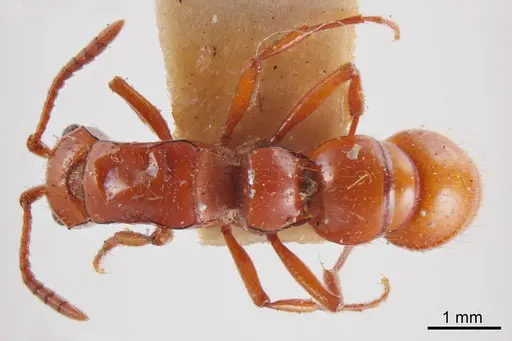
Literature
Loading distribution map...Loading products...