
Lioponera fervida
- Sci. Name
- Lioponera fervida
- Subfamily
- Dorylinae
- Author
- Wheeler, 1918
- Distribution
- Found in 1 countries
Introduction
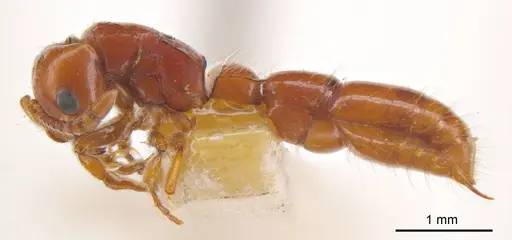
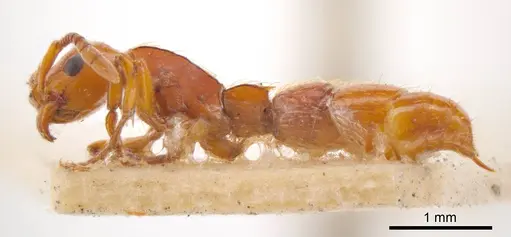
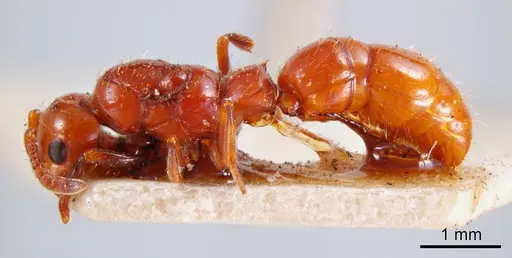
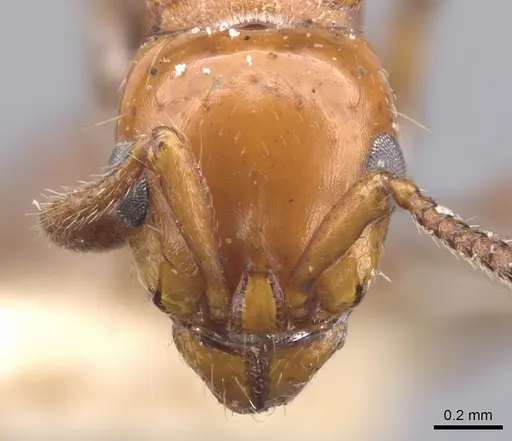
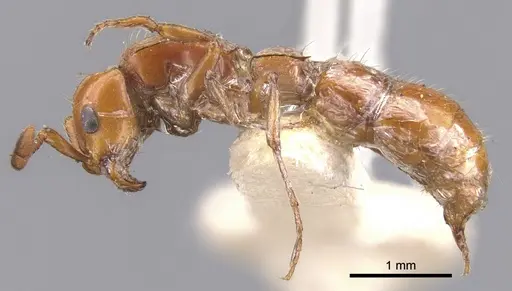
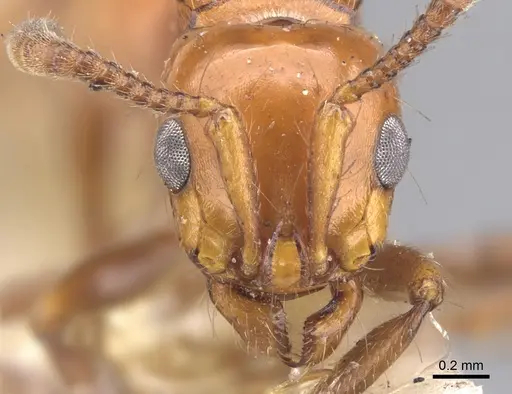
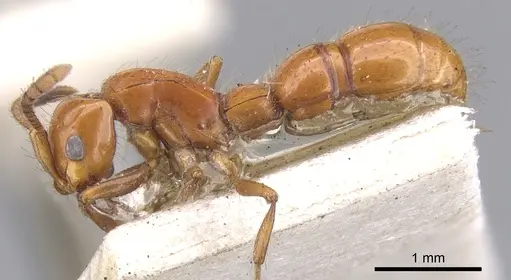
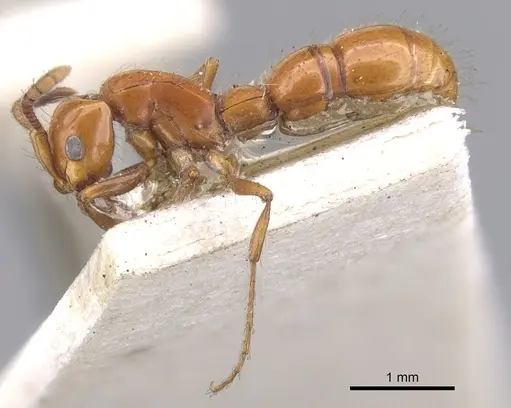
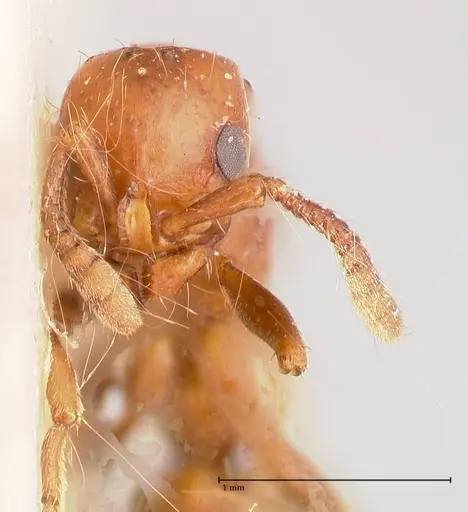
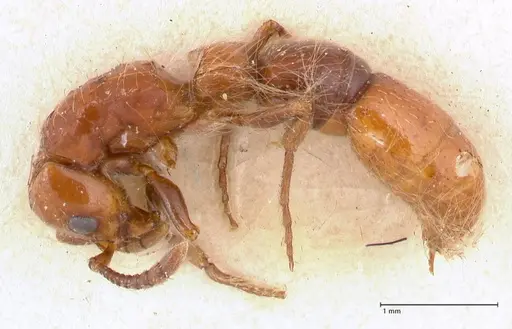
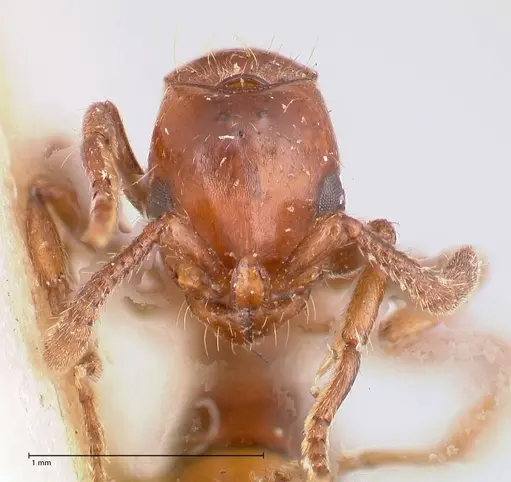
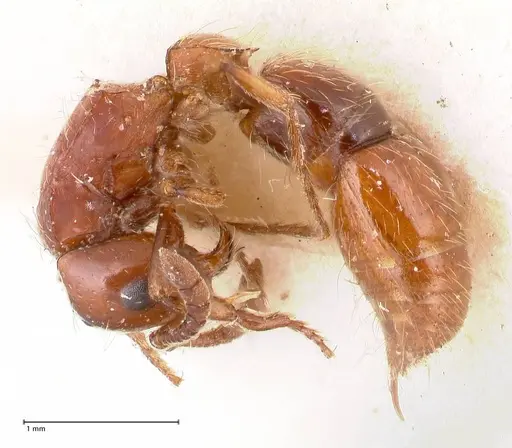
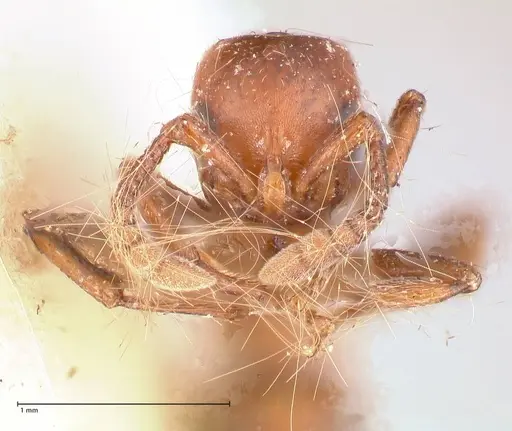
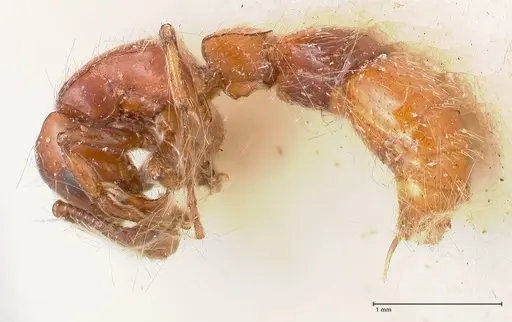
Lioponera fervida is a small, variable reddish ant native to Australia, formerly classified as Cerapachys fervidus and before that as Phyracaces fervidus. Workers have distinctive ridges (carinae) running along the dorsolateral margins of their middle body section . This species is widespread throughout Australia, particularly in drier regions of the southwestern biogeographic region . As a member of the Dorylinae subfamily, these ants are predatory and specialize in hunting other small invertebrates.
Quick Summary
- Difficulty: Unknown, likely Expert due to limited availability and specialized care requirements
- Origin & Habitat: Australia, widespread throughout the continent, particularly in drier areas of the southwestern biogeographic region [2][3]
- Colony Type: Colony structure is unconfirmed, Dorylinae species vary from single-queen to multi-queen colonies
- Size & Growth:
- Queen: size data unavailable, no specific measurements documented in research literature
- Worker: size data unavailable, no specific measurements documented
- Colony: Unknown, no colony size data available
- Growth: Unknown
- Development: Unknown, no development data available for this species (Development timeline unconfirmed. Based on typical Dorylinae patterns, expect several months from egg to first worker at optimal temperature.)
- Antkeeping:
- Temperature: Inferred from Australian distribution, keep at room temperature around 20-25°C. Monitor colony activity and adjust accordingly.
- Humidity: Based on drier habitat preference, maintain moderate humidity, allow some areas to dry out. Avoid overly damp conditions.
- Diapause: Unknown, Australian species may reduce activity during cooler months, but specific diapause requirements unstudied
- Nesting: Natural nesting behavior unconfirmed. Based on related Dorylinae, likely nests in soil or under stones. Provide a test tube setup initially, then transition to a naturalistic or Y-tong nest with moist substrate.
- Behavior: Behavior is poorly documented. As a Dorylinae species, they are likely predatory on other ants and small invertebrates. Escape risk assessment is difficult due to lack of specific size data, assume moderate escape prevention is needed. Their small size and cryptic nature suggest they may be shy and not aggressive toward keepers.
- Common Issues: limited availability, this Australian species is rarely available in the antkeeping hobby, lack of species-specific care information makes proper husbandry challenging, unknown exact temperature and humidity requirements may lead to trial-and-error care, predatory diet requirements may be difficult to meet with appropriate live prey, colony founding success rate is unknown due to lack of captive breeding data
Species Background and Identification
Lioponera fervida was originally described by W.M. Wheeler in 1918 as Lioponera fervida, then moved to Cerapachys before being reclassified to Lioponera in 2016. The species has a complex taxonomic history with six junior synonyms, indicating significant variation in appearance across its range. Workers are small and reddish-brown, with distinctive ridges (carinae) running along the dorsolateral margins of their mesosoma (middle body section) [1]. This species is widespread throughout Australia, from Queensland through to Western Australia, with specimens commonly found in drier regions [2][3].
Natural History and Ecology
In the wild, Lioponera fervida inhabits drier areas of Australia's southwestern biogeographic region [2]. As a member of the Dorylinae subfamily, these ants are predatory and likely specialize in hunting other small invertebrates, particularly other ants. The genus Lioponera contains predatory species that hunt and subdue prey using their sting. However, specific details about their hunting behavior, diet in the wild, and colony structure in natural conditions remain poorly documented in scientific literature.
Housing and Nesting
Since specific nesting requirements are unknown, base housing on what works for related Dorylinae and Ponerine ants. Start with a simple test tube setup for founding colonies, keeping the tube in moderate humidity. Once the colony establishes workers, consider transitioning to a naturalistic setup with a moist soil substrate or a Y-tong/plaster nest. Provide hiding spots and moderate darkness, as these ants likely prefer cryptic, sheltered nesting sites. Ensure escape prevention is adequate, though exact escape risk is unknown due to lack of size data [3].
Feeding and Diet
As a Dorylinae ant, Lioponera fervida is likely primarily predatory, feeding on other small invertebrates. In captivity, offer small live prey such as fruit flies, pinhead crickets, mealworms, and other appropriately-sized insects. The frequency of feeding should be based on colony size and consumption, offer prey every few days and remove uneaten items after 24 hours. Sugar sources may or may not be accepted, offer occasionally but do not rely on them as a primary food source. Ensure fresh water is always available [3].
Temperature and Seasonal Care
Based on Australia's temperate to subtropical climate, maintain temperatures around 20-25°C. Room temperature within this range is likely suitable. Avoid temperature extremes. Specific diapause requirements are unknown, if your colony shows reduced activity during cooler months, you may reduce temperatures slightly (to around 15-18°C) for a few months, mimicking natural seasonal cycles. However, do not force hibernation if the colony remains active. Monitor your specific colony's behavior and adjust accordingly [3].
Challenges and Considerations
Lioponera fervida presents significant challenges for antkeepers. This species is rarely available in the antkeeping hobby, and captive breeding success stories are uncommon. The lack of species-specific care information means keepers may need to experiment to find optimal conditions. Additionally, importing or exporting this species may have legal restrictions depending on your location. Prospective keepers should research local regulations regarding Australian ant species. Given the limited available information, this species is best suited for experienced antkeepers who can adapt care based on colony response [3].
Frequently Asked Questions
How do I care for Lioponera fervida ants?
Care for Lioponera fervida is not well-documented. Based on related Dorylinae ants, provide a test tube setup for founding colonies with moderate humidity, then transition to a naturalistic or Y-tong nest. Keep at room temperature (20-25°C) and feed small live prey like fruit flies and pinhead crickets. This is an expert-level species due to limited availability and care information [3].
What do Lioponera fervida ants eat?
As a Dorylinae species, they are likely predatory on small invertebrates. Offer live prey such as fruit flies, small crickets, mealworms, and other appropriately-sized insects. Sugar sources may be accepted but should not be the primary food. Remove uneaten prey after 24 hours [3].
How big do Lioponera fervida colonies get?
Colony size is unknown, no scientific data exists on maximum colony size for this species. Based on related Dorylinae, colonies are likely moderate in size compared to typical ants [3].
Is Lioponera fervida good for beginners?
No, this species is not recommended for beginners. Limited availability, lack of species-specific care information, and unknown colony requirements make it challenging even for experienced antkeepers [3].
What temperature do Lioponera fervida ants need?
Based on Australian distribution, aim for 20-25°C. Room temperature within this range is likely suitable. Avoid temperature extremes. Specific optimal temperatures are unconfirmed [3].
Do Lioponera fervida ants need hibernation?
Diapause requirements are unknown. Australian species may reduce activity during cooler months, but specific hibernation needs have not been documented. Monitor your colony, if activity decreases in winter, a slight temperature reduction may be appropriate [3].
How long does it take for Lioponera fervida to develop from egg to worker?
The egg-to-worker development timeline is unconfirmed. No scientific data exists for this species. Based on typical Dorylinae patterns, expect several months at optimal temperature [3].
Can I keep multiple Lioponera fervida queens together?
Colony structure is unconfirmed. The combination of unrelated queens has not been documented. Do not attempt to combine queens without evidence they will tolerate each other [3].
Where is Lioponera fervida found?
Lioponera fervida is native to Australia, widespread throughout the continent. They are particularly common in drier areas of the southwestern regions [2][3].
Report an Issue
The current care sheet is based fully on literature. See inconsistencies, or something that's incorrect? Please , it will be resolved after review from an admin. Contributing to the blogs tab also helps providing information, to make us be able to further improve the caresheets. Thank you for your support!
References

This caresheet is licensed under CC BY-SA 4.0 .
Community Blogs
ANTWEB1008232
View on AntWeb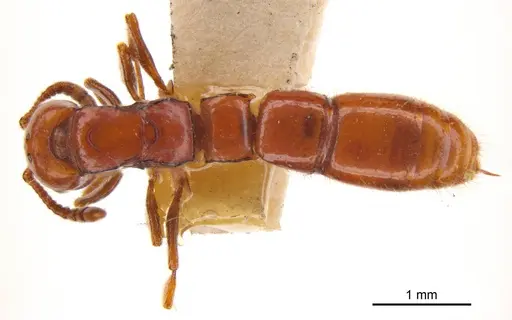
ANTWEB1008234
View on AntWeb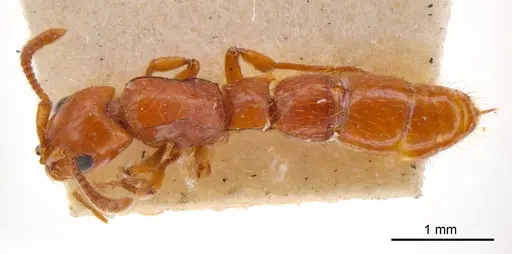
ANTWEB1008241
View on AntWeb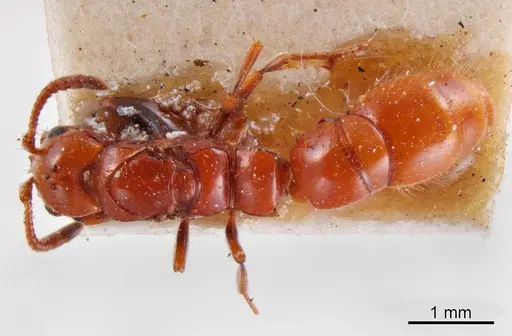
CASENT0902760
View on AntWeb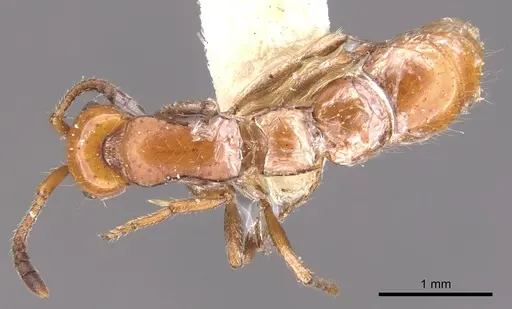
CASENT0902761
View on AntWeb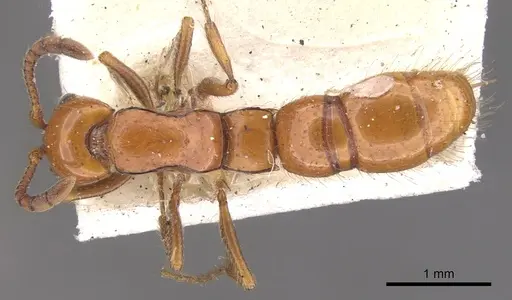
FOCOL0810
View on AntWeb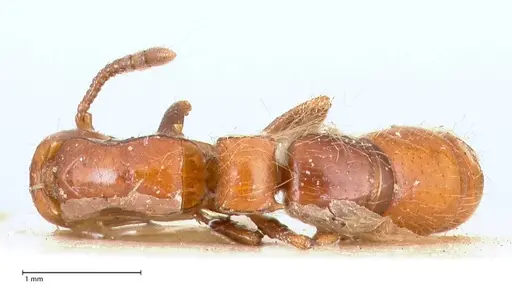
FOCOL0811
View on AntWeb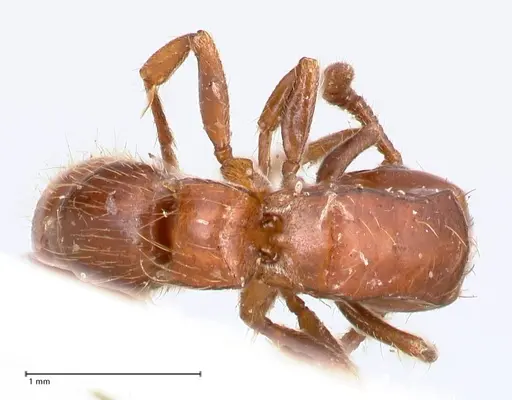
FOCOL0812
View on AntWeb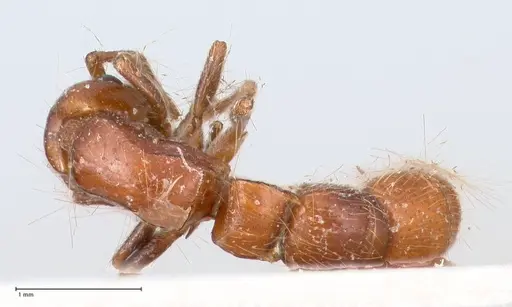
Literature
Loading distribution map...Loading products...