
Liometopum lindgreeni
- Sci. Name
- Liometopum lindgreeni
- Tribe
- Tapinomini
- Subfamily
- Dolichoderinae
- Author
- Forel, 1902
- Distribution
- Found in 2 countries
Introduction
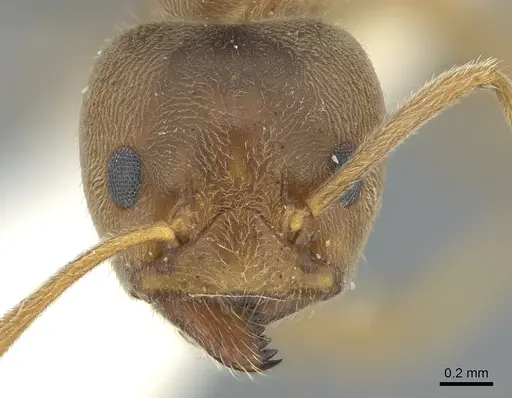
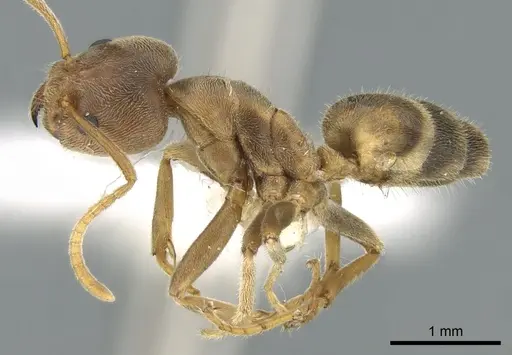
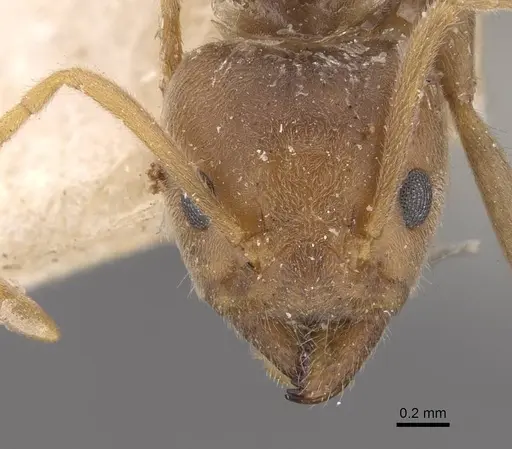
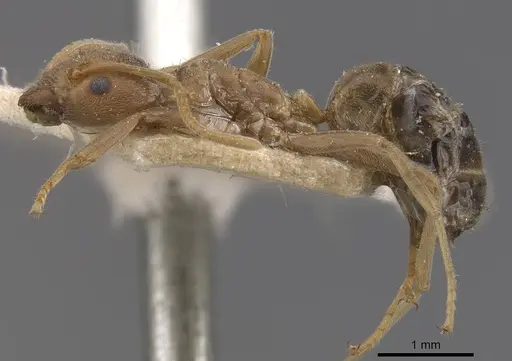
Liometopum lindgreeni is a medium-sized ant species belonging to the Dolichoderinae subfamily. Workers measure 4.5-5.35 mm in total length with a distinctive light brown to reddish-brown coloration - the head, thorax, legs, and base of abdomen are reddish brown while the abdomen is darker brown with pale segment margins . They are covered in short, dense pubescence that gives them a slightly opaque appearance. This species is known from northeastern India (Assam, Meghalaya) and Myanmar, making it one of the few Liometopum species found in South Asia . The genus Liometopum contains only four Eurasian species, with L. lindgreeni being one of the more rarely encountered members .
Quick Summary
- Difficulty: Unknown, this species has not been documented in the antkeeping hobby
- Origin & Habitat: Native to northeastern India (Assam, Meghalaya) and Myanmar. Found in tropical and subtropical forest habitats in the Indomalaya region [3][2].
- Colony Type: Unknown colony structure. The gyne (queen) and male castes have not been described in scientific literature [1].
- Size & Growth:
- Antkeeping:
- Temperature: Unknown for this specific species. Based on its tropical distribution in northeastern India, aim for warm conditions around 24-28°C.
- Humidity: Unknown. Based on natural habitat in tropical northeastern India, likely requires moderate to high humidity with moist substrate.
- Diapause: Unknown, no studies on overwintering requirements. Species from this region may not require true hibernation but may have reduced activity during cooler months.
- Nesting: No specific nesting data. Related Liometopum species typically nest in rotting wood, under stones, or in soil cavities. A naturalistic setup with moist substrate and moderate chambers would be a reasonable starting point.
- Behavior: Behavior is unstudied in this species. Based on genus typical behavior, they are likely moderately active foragers. Escape risk is moderate given their 5mm size, standard barrier methods should suffice. This species lacks a functional sting and uses anal gland secretions (cyclopentanoid monoterpenes) as a defense mechanism, typical of the Dolichoderinae subfamily.
- Common Issues: no documented captive care information exists for this species, queen and colony founding behavior is completely unknown, wild-caught colonies may have parasites or diseases not yet identified, temperature and humidity requirements are estimated from related species only, growth rate and development timeline are unknown, making colony management difficult
Species Identification and Distinction
Liometopum lindgreeni can be identified by several key morphological features. Workers are 4.5-5.35 mm long with a distinctive concolorous light brown coloration, though some specimens show reddish-brown tones on the head, thorax, and legs with a darker abdomen [1][2]. The antennal scapes are notably long, surpassing the posterior margin of the head by more than two times the maximum scape width. The petiole is scale-like with a flat or slightly emarginate apex when viewed from behind. The cuticle is covered in short, dense pubescence that gives the ant an opaque appearance, though pilosity (longer standing hairs) is relatively sparse compared to some related species [1]. This species can be separated from other Old World Liometopum species by its relatively narrow head and the specific shape of the petiole.
Distribution and Habitat
Liometopum lindgreeni is known from a relatively limited range in South Asia. The type locality is in Assam Province, India, and the species has been recorded across multiple Indian states including Assam, Bihar, Jharkhand, Maharashtra, Meghalaya, Orissa, Sikkim, Tamil Nadu, and West Bengal [3]. It is also found in Myanmar (formerly Burma) [5][2]. The species appears to inhabit tropical and subtropical forest environments in the Indomalaya region. This distribution pattern suggests the species prefers warm, humid conditions with access to forest floor microhabitats. The northeastern Indian region where this species is found experiences monsoon climates with high rainfall and temperatures, which provides clues about the species' environmental requirements.
Knowledge Gaps and Research Needs
Liometopum lindgreeni remains one of the least studied ant species in the hobby and scientific community. Almost every aspect of its biology relevant to antkeeping is unknown: colony structure (monogyne vs polygyne), founding behavior, queen size and description, development timeline, temperature and humidity preferences, and diet have not been documented in scientific literature [1]. The gyne (queen) and male castes have never been described. This species has not been documented in the antkeeping hobby, meaning there are no established husbandry protocols. Anyone attempting to keep this species would essentially be pioneering captive care through careful observation and experimentation. Related Liometopum species from Mexico (L. apiculatum) are known for their edible ant 'escamoles' production, but this provides limited insight into L. lindgreeni specific requirements [4][6].
Related Species for Reference
Liometopum is a small genus with only four Eurasian species, making L. lindgreeni part of a relatively rare group of ants [4]. The most well-studied relative is Liometopum apiculatum, found in Mexico and southwestern USA, which is famous for being harvested as food (escamoles are considered a delicacy in Mexican cuisine) [4]. This species nests in trees and wood cavities, forming moderate-sized colonies. Another North American species, Liometopum occidentale, is found in California. While these species provide general genus-level expectations (medium-sized ants, arboreal to ground-nesting, omnivorous diet), L. lindgreeni's specific requirements remain unknown. The genus is part of the Dolichoderinae subfamily, which includes other common ants like Tapinoma and Linepithema, these may offer some general behavioral parallels but should not be relied upon for specific care advice.
Frequently Asked Questions
How do I keep Liometopum lindgreeni ants?
This species has not been documented in the antkeeping hobby, so there are no established care protocols. You would need to experiment with temperature (start around 24-26°C), humidity (moderate to high), and feeding based on genus-typical behavior. This species is not recommended for beginners due to the complete lack of documented captive care information.
What do Liometopum lindgreeni ants eat?
Diet is unstudied for this specific species. Based on genus-typical Dolichoderinae behavior, they likely accept sugar sources (honey, sugar water) and protein (insects, small prey). Related Liometopum species are omnivorous. Start with standard ant foods and observe acceptance.
How big do Liometopum lindgreeni colonies get?
Colony size is unknown, no scientific data exists on maximum colony size for this species. Related Liometopum species form moderate colonies, but L. lindgreeni specifics are unstudied.
Does Liometopum lindgreeni need hibernation?
Diapause requirements are unknown. Based on its tropical distribution in northeastern India, the species likely does not require true hibernation but may have reduced activity during cooler seasons. Observe your colony for natural slowing of activity.
What is the queen of Liometopum lindgreeni like?
The queen (gyne) has not been described in scientific literature, it is currently unknown. Worker descriptions exist but reproductive caste morphology remains undocumented [1].
Can beginners keep Liometopum lindgreeni?
This species is not recommended for beginners. There is zero documented captive care information, meaning all husbandry parameters (temperature, humidity, feeding, nesting) would need to be discovered through experimentation. Consider starting with better-documented species like Lasius niger or Camponotus species.
Where is Liometopum lindgreeni found?
Liometopum lindgreeni is found in northeastern India (Assam, Meghalaya, and several other states) and Myanmar. The type locality is Assam Province, India [1][3][5].
How long does it take for Liometopum lindgreeni to develop from egg to worker?
Development timeline is completely unknown, no studies have documented egg-to-worker development for this species.
Report an Issue
The current care sheet is based fully on literature. See inconsistencies, or something that's incorrect? Please , it will be resolved after review from an admin. Contributing to the blogs tab also helps providing information, to make us be able to further improve the caresheets. Thank you for your support!
References

This caresheet is licensed under CC BY-SA 4.0 .
Community Blogs
CASENT0906229
View on AntWeb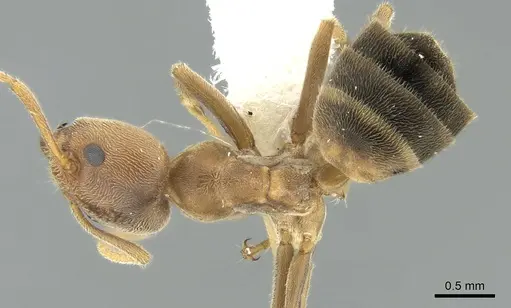
CASENT0909495
View on AntWeb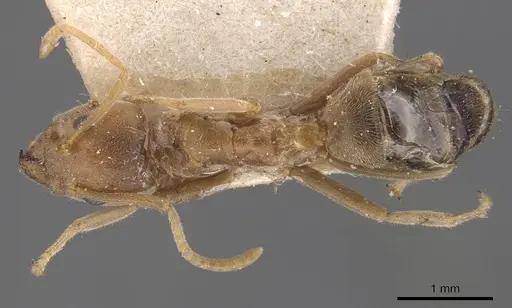
Literature
Loading distribution map...Loading products...