
Linepithema tsachila
- Sci. Name
- Linepithema tsachila
- Tribe
- Leptomyrmecini
- Subfamily
- Dolichoderinae
- Author
- Wild, 2007
- Distribution
- Found in 2 countries
Introduction
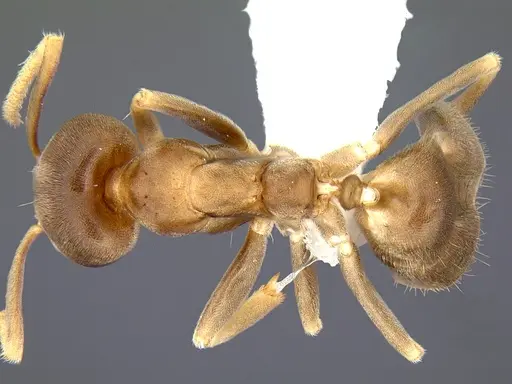
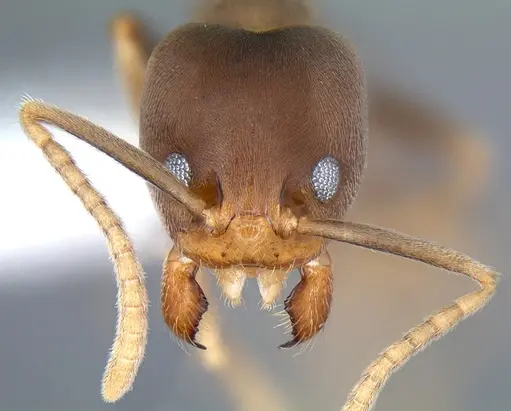
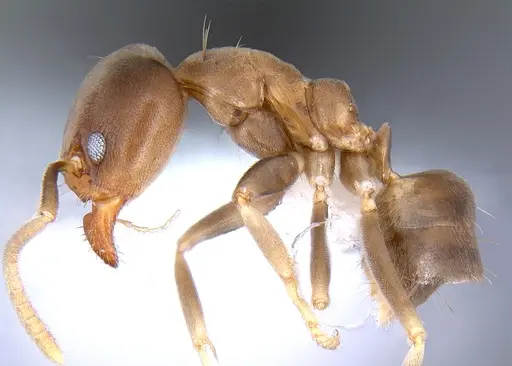
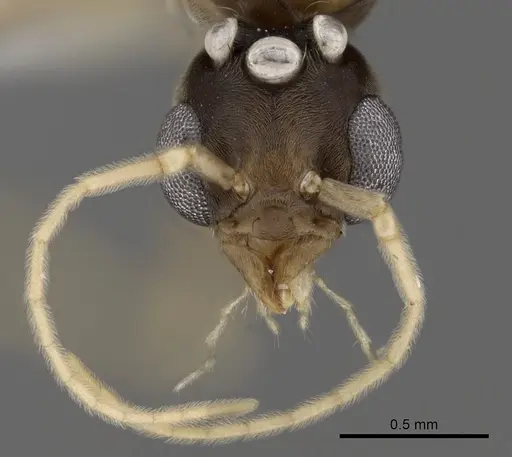
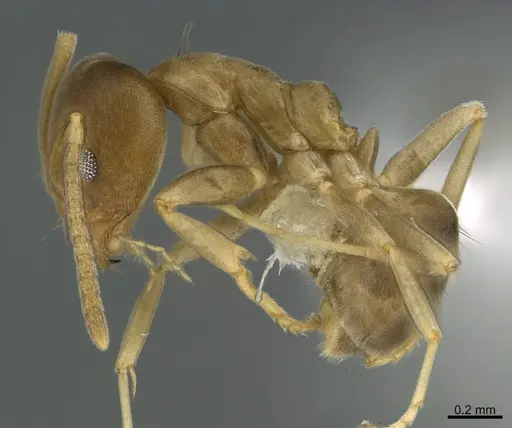
Linepithema tsachila is a small ant native to the western slopes of the Andes in Ecuador and Colombia. Workers have a distinctive broad head with a concave posterior margin and often display a faint opaque bluish sheen on their body . This species is closely related to Linepithema piliferum and is locally abundant across a wide altitude range from near sea level to 2,000 meters . What makes L. tsachila interesting is its flexible nesting habits - colonies create diffuse networks of tunnels spreading under multiple rocks, in soil and leaf litter, sometimes even using abandoned termite carton tubes . They are versatile foragers that both tend honeydew-producing insects and scavenge larger protein sources like dead insects, earthworms, and small vertebrate carcasses .
Quick Summary
- Difficulty: Easy
- Origin & Habitat: Western slopes of the Andes in Ecuador and Colombia, from near sea level to 2,000m elevation. Found in very humid tropical forest, very humid premontane forest, tree plantations, orchards, forest edges, pastures, and second growth forest [2][1].
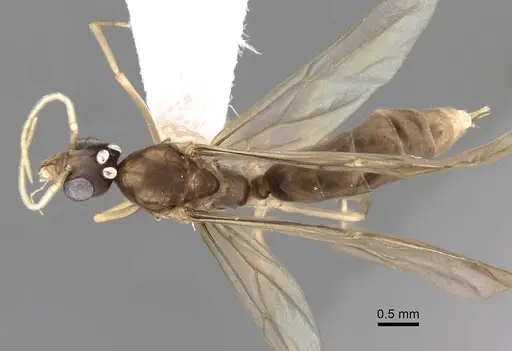
- Colony Type: Colony structure is not directly documented in research. Alates have been collected in nests in May and December, with males captured at light traps in August [1].
- Size & Growth:
- Queen: size data unavailable, inferred from Linepithema genus (~3-4mm total length)
- Worker: size data unavailable, inferred from Linepithema genus (~2-3mm total length)
- Colony: Colony size is not directly documented in scientific literature
- Growth: Moderate
- Development: Development time is not directly studied for this species (Based on typical Linepithema development patterns, expect several weeks from egg to first worker at optimal temperatures)
- Antkeeping:
- Temperature: Keep at 22-26°C. As a tropical to premontane species from the Andean foothills, they prefer warm conditions but can tolerate a range.
- Humidity: High humidity preferred, keep the nest substrate consistently moist but not waterlogged. Provide a water tube as a constant moisture source.
- Diapause: Unlikely required. As a tropical species from low to mid elevations, they do not need a true hibernation [2].
- Nesting: In captivity, they do well in test tube setups for founding colonies, then transition to formicariums with soil or plaster nests. They prefer nests that retain moisture well. Given their small worker size and tendency to create diffuse tunnel networks, provide chambers that allow them to spread out.
- Behavior: These ants are active foragers with a versatile diet. Workers readily recruit nestmates to food sources through pheromone trails. They are not particularly aggressive toward keepers but will defend their nest. Their small size makes them excellent escape artists, fine mesh barriers are essential. They show interest in both sugar sources and protein. As Dolichoderinae ants, they lack a functional sting and instead secrete defensive chemical compounds from the tip of the abdomen.
- Common Issues: escape prevention is critical, workers are small and will squeeze through standard formicarium gaps, high humidity needs can lead to mold if ventilation is poor, wild-caught colonies may harbor parasites that can devastate captive colonies, test tube setups can flood if water reservoirs are overfilled
Housing and Nest Setup
For founding colonies, a simple test tube setup works well. Fill a test tube about one-third with water, plug with a cotton ball, then add the queen. Once the colony reaches 20-30 workers, consider transitioning to a small formicarium.
These ants naturally nest under stones, in soil, and in rotting wood, creating diffuse tunnel networks [1]. In captivity, they do well in soil-based or plaster nests that retain moisture. Because they naturally spread across multiple chambers, avoid cramped single-chamber nests. Provide enough space for the colony to expand. A small outworld for foraging allows you to observe their recruitment behavior.
Feeding and Diet
Linepithema tsachila is an opportunistic feeder with a varied diet. In the wild, they tend honeydew-producing insects (coccids and pseudococcids) and scavenge protein sources including dead insects, earthworms, and even small vertebrate carcasses [1].
In captivity, offer sugar water or honey as a constant energy source. For protein, provide small insects like fruit flies, pinhead crickets, or mealworm pieces. Since workers are small, prey items should be appropriately sized. They readily recruit nestmates to food sources, so you can observe their efficient trail-forming behavior.
Temperature and Humidity
As a species from the humid tropical and premontane forests of the Andes, L. tsachila prefers warm and humid conditions. Maintain temperatures between 22-26°C, which aligns with their natural elevation range of 286-1800m in Colombia [2]. Room temperature within this range is typically suitable.
Humidity is important, keep the nest substrate consistently moist but avoid waterlogging. A water tube provides constant access to moisture. These ants naturally occur in very humid tropical forest environments [2], so dry conditions will stress them. However, ensure adequate ventilation to prevent mold buildup.
Colony Development and Growth
Queens are moderately large for the genus [1]. The founding phase likely lasts several months as the queen raises her first brood alone. Initial workers will be smaller than mature workers. Growth rate is moderate, colonies expand steadily once the first workers emerge. Alates have been found in nests during May and December, suggesting these may be peak reproductive seasons [1].
Behavior and Observation
One of the most interesting aspects of keeping L. tsachila is observing their recruitment behavior. In the wild, they recruit to large food sources like earthworms and rodent carcasses [1]. In your formicarium, you'll see workers rapidly recruiting nestmates to new food sources through pheromone trails.
Their nests are diffuse and spread out, with inconspicuous surface entrances [1]. In captivity, this translates to an active colony that uses multiple chambers. They are not particularly aggressive but will defend against threats. Their small size makes them fascinating to watch as they navigate their environment, just ensure your escape prevention is solid since they can slip through tiny gaps.
As Dolichoderinae ants, they lack a functional sting. Their primary defense is secreting defensive chemical compounds from a slit-like opening at the tip of the abdomen.
Frequently Asked Questions
How long does it take for Linepithema tsachila to produce first workers?
Based on typical Linepithema patterns, expect several weeks from egg to first worker at optimal temperatures (22-26°C). The exact timeline is not directly documented for this species.
What do Linepithema tsachila ants eat?
They are opportunistic feeders. Offer sugar water or honey constantly, and protein sources like small insects (fruit flies, pinhead crickets, mealworm pieces) regularly. In the wild, they tend honeydew-producing insects and scavenge dead insects and other small animals.
Are Linepithema tsachila good for beginners?
Yes, they are considered easy to keep. They are adaptable to various habitats, have straightforward feeding requirements, and are not particularly aggressive. The main challenges are escape prevention due to their small size and maintaining adequate humidity.
Do Linepithema tsachila ants need hibernation?
No. As a tropical to premontane species from the Andes, they do not require a true hibernation. Slight temperature reductions during winter months are acceptable if your room temperature naturally drops.
How big do Linepithema tsachila colonies get?
Colony size is not directly documented in scientific literature for this species.
What temperature is best for Linepithema tsachila?
Keep them at 22-26°C. This matches their natural habitat in the humid tropical and premontane forests of the Andes. Room temperature within this range is typically suitable.
When do Linepithema tsachila alates appear?
Alates have been collected in nests during May and December, with males captured at light traps in August [1]. This suggests late spring and early winter are likely reproductive periods.
Can I keep multiple Linepithema tsachila queens together?
The colony structure is not directly documented in scientific literature. Combining unrelated queens is not recommended since colony foundation behavior has not been studied for this species.
Why are my Linepithema tsachila escaping?
Their small worker size makes them excellent escape artists. Use fine mesh barriers, ensure all connections are sealed tightly, and apply fluon or similar barriers to prevent escapes. Check all formicarium seams regularly.
Report an Issue
The current care sheet is based fully on literature. See inconsistencies, or something that's incorrect? Please , it will be resolved after review from an admin. Contributing to the blogs tab also helps providing information, to make us be able to further improve the caresheets. Thank you for your support!
References

This caresheet is licensed under CC BY-SA 4.0 .
Community Blogs
Literature
Loading distribution map...Loading products...