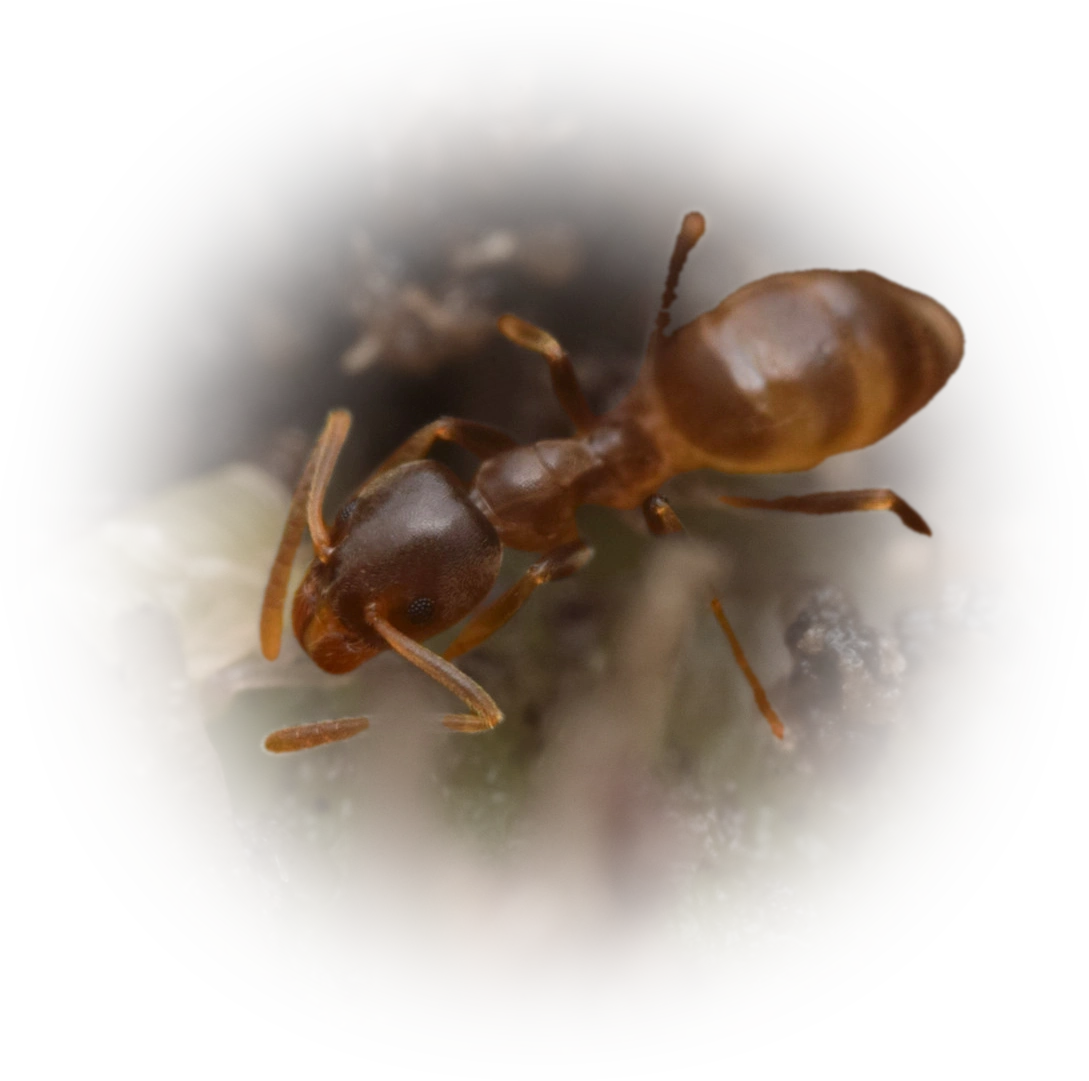
Linepithema piliferum
- Sci. Name
- Linepithema piliferum
- Tribe
- Leptomyrmecini
- Subfamily
- Dolichoderinae
- Author
- Mayr, 1870
- Distribution
- Found in 3 countries
Introduction
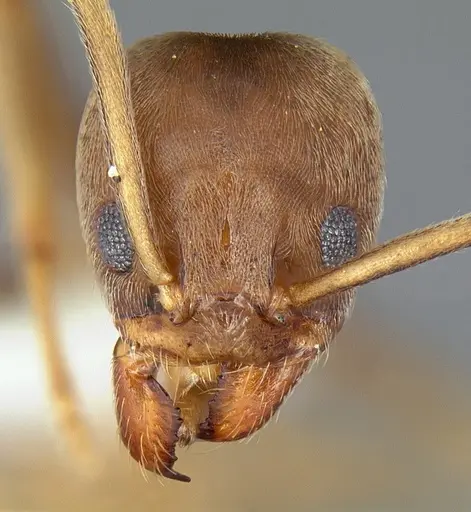
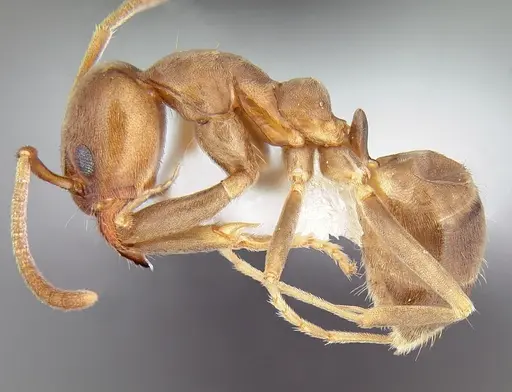
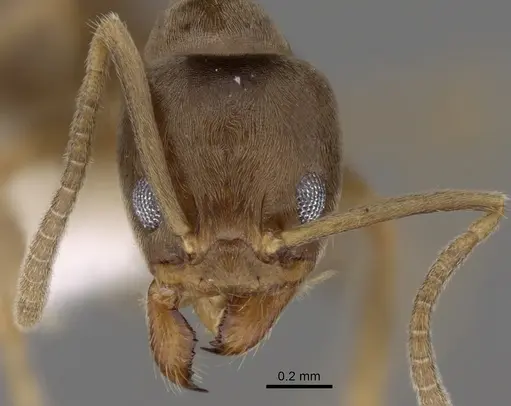
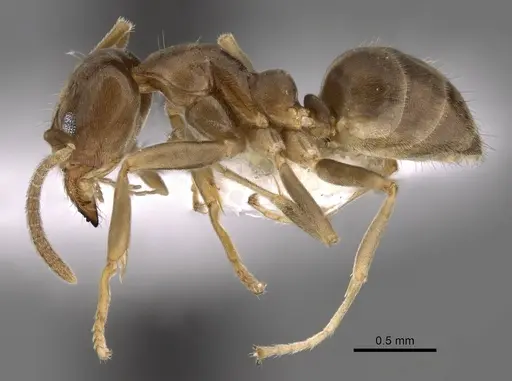
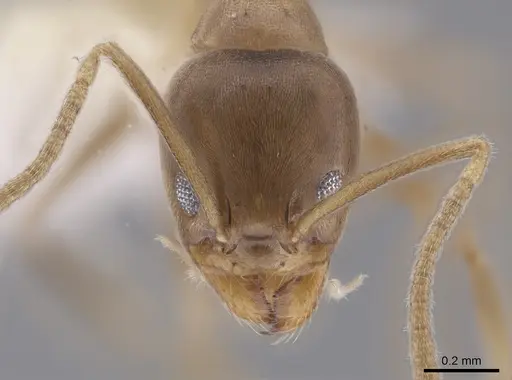
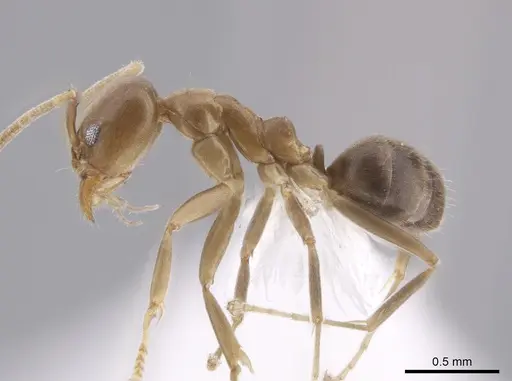
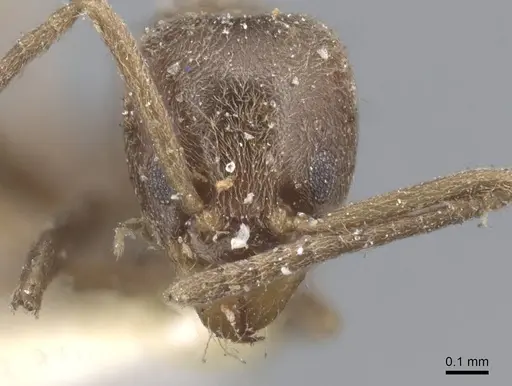
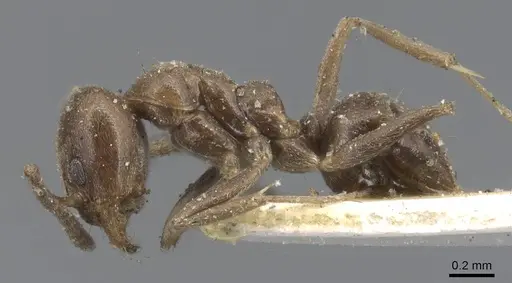
Linepithema piliferum is a medium-sized ant native to the montane forests of northwestern South America, ranging from Costa Rica through Colombia, Ecuador, Peru, and Venezuela. Workers measure approximately 3-4mm in total length and are characterized by their relatively long antennal scapes, standing hairs on the head and body, and shiny mesopleura lacking pubescence . Body color ranges from testaceous to dark reddish brown. This species is a member of the L. fuscum group and can be distinguished from similar species like Linepithema humile by its longer scapes and standing cephalic setae . Queens measure 4.2-4.5mm in total length . Unlike its famous relative L. humile (the invasive Argentine ant), L. piliferum is a docile, non-invasive montane species found at high elevations.
Quick Summary
- Difficulty: Medium
- Origin & Habitat: Montane forests of northwestern South America to Costa Rica, primarily at elevations above 1500m (range 780-2340m). Found in wet cloud forest, cloud forest edges, roadside areas, and second-growth forest. Nests under stones and in soil [1][2].
- Colony Type: Polygynous (multiple queens) and polydomous (multiple connected nest sites). Colonies can be populous with dozens of separate brood chambers connected by tunnels. Multiple dealate queens found in separate brood chambers within the same nest [1].
- Size & Growth:
- Queen: 4.2-4.5mm total length [3]
- Worker: ~3-4mm total length, inferred from Linepithema genus patterns
- Colony: Populous colonies with multiple brood chambers, exact maximum unknown but colonies can be large [1]
- Growth: Moderate, based on typical Linepithema patterns
- Development: Unconfirmed, specific development time has not been documented in scientific literature (Development likely slower than lowland tropical ants due to cooler montane habitat)
- Antkeeping:
- Temperature: Keep cool at 18-22°C. This is a montane species adapted to cooler temperatures, avoid warm conditions [1]. Room temperature is likely suitable for most keepers.
- Humidity: Moderate to high, they naturally occur in cloud forest environments. Keep nest substrate moist but not waterlogged. Provide a humidity gradient with a moist area and a slightly drier area for workers to choose.
- Diapause: Likely yes, as a montane species from high elevations, they probably experience seasonal temperature drops. Reduce temperature to around 15-18°C for 2-3 months during winter months, mimicking natural conditions [1][2].
- Nesting: Prefers naturalistic setups with multiple connected chambers. Y-tong or plaster nests work well. Provide soil or fine substrate for nest construction. Multiple stones on the surface can be used as cover. Keep nest humid.
- Behavior: Docile and non-aggressive. Workers are active foragers but not particularly defensive. They tend honeydew-producing insects (aphids, pseudococcids) in the wild and are generalist foragers [4][1]. Workers are small enough to require standard escape prevention, use fluon on edges and ensure any connections between outworld and nest are secure. They do not form the massive supercolonies that Linepithema humile is known for. As a Dolichoderinae ant, they lack a functional stinger and may spray formic acid as a defensive secretion if threatened.
- Common Issues: cool temperature is critical, they are adapted to montane conditions and may struggle in warm homes, polygynous colonies mean multiple queens may be present, this is normal and they generally coexist peacefully, colonies can be polydomous, they may use multiple connected spaces, so provide room for expansion, humidity needs are moderate to high, dry conditions can cause brood failure, small colony fragments may struggle, this species does best with established, populous colonies
Housing and Nest Setup
Linepithema piliferum does well in naturalistic or semi-naturalistic setups that mimic their montane forest habitat. A Y-tong nest with narrow chambers works well, as does a plaster or soil-based formicarium. Because colonies are polydomous (using multiple connected chambers), provide enough space for the colony to expand naturally. Place flat stones or other cover on the outworld surface to give workers security while foraging. Test tube setups can work for small colonies but may need to be connected to a larger foraging area as the colony grows. Keep the nest area humid, these ants come from cloud forest environments where moisture is consistently available. [1][2]
Feeding and Diet
In the wild, L. piliferum is a generalist forager with a strong tendency toward trophobiosis, they tend root aphids, aleyrodids, and pseudococcids, feeding on the honeydew these insects produce [4][1]. They also forage for small insects and other protein sources. In captivity, offer sugar water or honey regularly (mimicking the honeydew they would collect from aphids), along with small protein sources like fruit flies, small crickets, or mealworm pieces. They are not aggressive predators but will accept protein when available. A constant sugar source is recommended since they are accustomed to feeding on honeydew. Remove uneaten protein after 24-48 hours to prevent mold.
Temperature and Seasonal Care
This is the most critical aspect of keeping L. piliferum successfully. As a montane species found at elevations of 780-2340m, they prefer cooler temperatures than most tropical ants, aim for 18-22°C in the nest area [1]. Room temperature is often ideal for this species. Avoid placing the nest near heat sources or in warm rooms. During winter months, reduce temperatures further to around 15-18°C for 2-3 months to simulate natural seasonal cycles. This species is not adapted to tropical heat and may have reduced brood development or colony decline if kept too warm. If your home is naturally warm, consider placing the colony in a cooler room or using a small cooling method.
Colony Structure and Multi-Queen Care
L. piliferum is one of the few ant species that is naturally polygynous (multiple queens) and polydomous (multiple nest sites). In the wild, colonies have been found with several dealate queens, each in separate brood chambers, connected by tunnels [1]. This means you may receive a colony with multiple queens, this is normal and they coexist peacefully. Do not attempt to separate or remove queens unless you have specific experience. The colony may distribute itself across multiple connected spaces, so provide adequate room. Queens may be found in different chambers of the nest, and workers will tend all queens. This species does not form aggressive supercolonies like Linepithema humile.
Humidity and Moisture
As a species from wet cloud forests, L. piliferum requires moderate to high humidity. Keep the nest substrate consistently moist but not waterlogged, the substrate should feel damp to the touch. Provide a humidity gradient by keeping one area moister than another, allowing workers to choose their preferred conditions. Mist the outworld occasionally but avoid creating standing water. Good ventilation is important to prevent mold while maintaining humidity. If using a test tube setup, ensure the water reservoir is adequate but not excessive. Dry conditions can lead to brood failure and colony decline. [1][2]
Behavior and Observation
Workers are active and will readily forage in the outworld, making them engaging to watch. They are not particularly defensive and rarely show aggression toward keepers. Workers will establish foraging trails and may tend any aphids or scale insects present on plants in the outworld. Because they are generalists, they will explore and exploit various food sources. Their small size means they can squeeze through small gaps, ensure your setup has good escape prevention. They are most active during cooler parts of the day in the wild, so they may be more active in the evening or morning in captivity. [4][1]
Frequently Asked Questions
Is Linepithema piliferum the same as the Argentine ant?
No. Linepithema piliferum is a different species from Linepithema humile (the invasive Argentine ant). L. piliferum is a docile, non-invasive montane species native to South American cloud forests. The Argentine ant (L. humile) is a notorious invasive pest that forms massive supercolonies, L. piliferum does not exhibit this behavior [2].
What temperature do Linepithema piliferum ants need?
Keep them cool, around 18-22°C. This is a montane species adapted to cooler temperatures found at high elevations in the Andes. Room temperature is typically ideal. Avoid warm conditions that would suit lowland tropical ants.
How long does it take for Linepithema piliferum to develop from egg to worker?
Specific development time has not been documented in scientific literature. Based on related Linepithema species and their cooler montane habitat, expect moderate growth rates once the colony is established.
Can I keep multiple queens together?
Yes, this is normal for the species. L. piliferum is naturally polygynous, meaning colonies typically have multiple queens. In the wild, multiple dealate queens are found in separate brood chambers within the same nest. Queens coexist peacefully and should not be separated.
What do Linepithema piliferum ants eat?
They are generalist foragers but have a strong preference for sugar. In the wild, they tend root aphids and feed on honeydew. In captivity, offer sugar water or honey regularly, along with small protein sources like fruit flies or small insects. A constant sugar source is recommended.
Are Linepithema piliferum ants good for beginners?
They are moderate difficulty. The main challenge is providing the cool temperatures they require. If you can keep your ant setup at room temperature (18-22°C) and maintain moderate humidity, they are manageable. Their polygynous colony structure is actually forgiving for beginners since you don't need to worry about a single queen.
Do Linepithema piliferum need hibernation or diapause?
Likely yes. As a montane species from high elevations, they probably experience seasonal temperature changes in the wild. During winter, reduce temperatures to around 15-18°C for 2-3 months to mimic natural conditions. This helps maintain colony health and seasonal rhythms.
Why are my Linepithema piliferum dying?
The most likely cause is temperature, if kept too warm, colonies will decline. Also check humidity levels (they need moderate to high humidity) and ensure they have a constant sugar source. Small colony fragments may struggle since this species does best with established, populous colonies.
When should I move my colony to a formicarium?
Move from test tubes to a larger setup (Y-tong, plaster nest, or naturalistic setup) when the colony reaches around 50-100 workers or when they outgrow their test tube. Since they are polydomous, they will use multiple connected spaces, so provide adequate room for expansion.
Report an Issue
The current care sheet is based fully on literature. See inconsistencies, or something that's incorrect? Please , it will be resolved after review from an admin. Contributing to the blogs tab also helps providing information, to make us be able to further improve the caresheets. Thank you for your support!
References

This caresheet is licensed under CC BY-SA 4.0 .
Community Blogs
CASENT0106979
View on AntWeb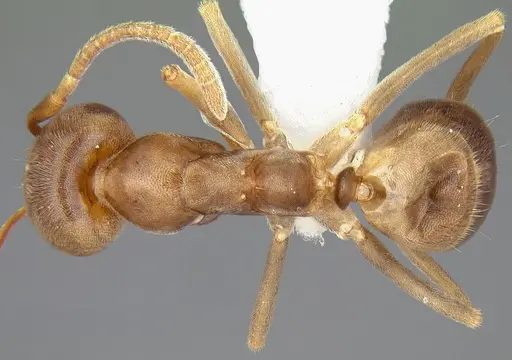
CASENT0249739
View on AntWeb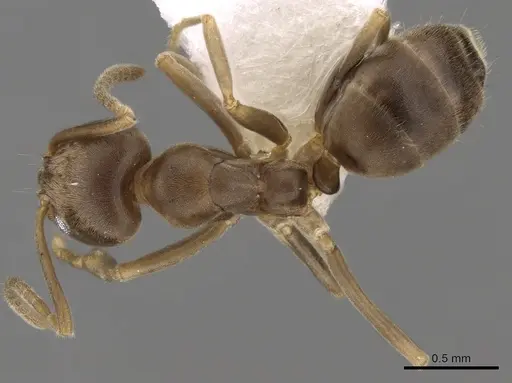
CASENT0648774
View on AntWeb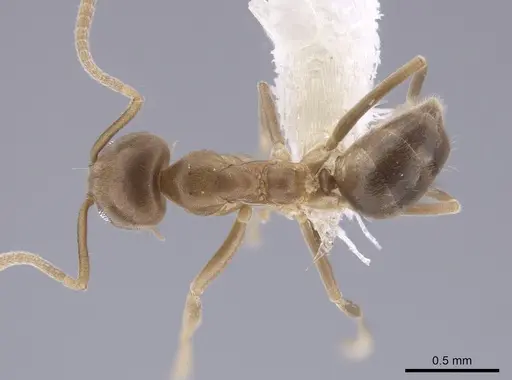
CASENT0915579
View on AntWeb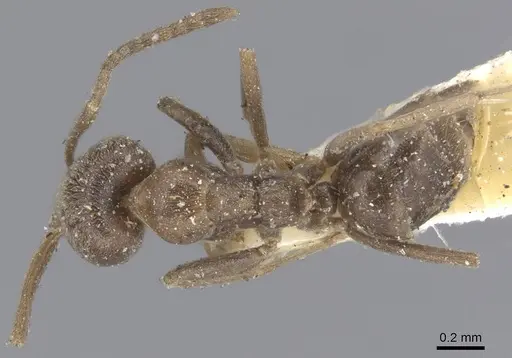
CASENT0923609
View on AntWeb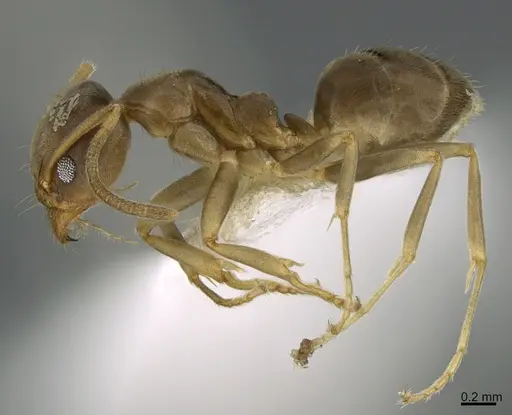
Literature
Loading distribution map...Loading products...