
Linepithema oblongum
- Sci. Name
- Linepithema oblongum
- Tribe
- Leptomyrmecini
- Subfamily
- Dolichoderinae
- Author
- Santschi, 1929
- Distribution
- Found in 2 countries
Introduction
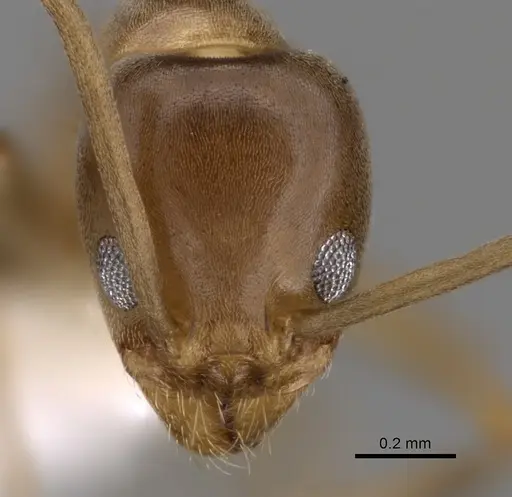
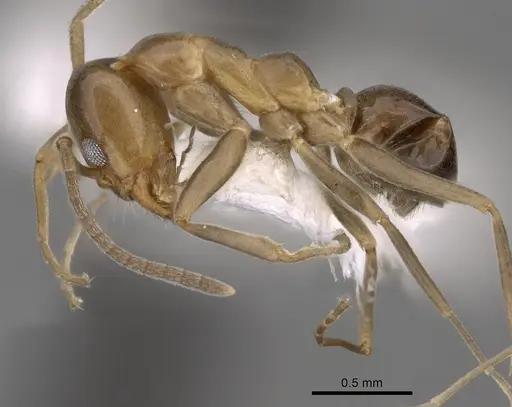
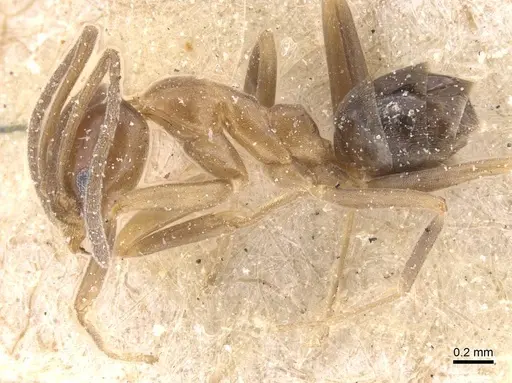
Linepithema oblongum is a small, slender ant native to the Andean regions of Bolivia and northern Argentina. Workers are very small - size data is unavailable for this species, but they're similar to their famous relative the Argentine ant (Linepithema humile), which has workers around 2-3mm. They have very long antennal scapes that easily extend past the back of their head, and their body is covered in dense fine hairs (pubescence). The abdomen is always darker than the head and mesosoma, giving them a bicolored appearance. This species is the sister taxon to the invasive Argentine ant - meaning they're each other's closest evolutionary relatives - which makes them particularly interesting for comparative studies . These ants live in high-altitude montane habitats between 1300 and 3800 meters elevation, preferring open areas like roadsides, pastures, and alpine grasslands. They nest under stones or in soil, with colonies typically having multiple small entrance holes surrounded by excavated earth. Foragers are active both day and night and often form loose trails to food sources . This species remains poorly studied compared to its invasive relative.
Quick Summary
- Difficulty: Medium
- Origin & Habitat: Andean regions of Bolivia and northern Argentina, found at 1300-3800m elevation in open habitats like roadsides, pastures, and alpine grasslands [2]. One record from an urban park/garden in La Paz, Bolivia [3].
- Colony Type: Colony structure is not well documented. Based on related Linepithema species, likely single queen but this is unconfirmed. Nests observed with alate males and females present [2].
- Size & Growth:
- Queen: Size data unavailable, inferred from related Linepithema species (~5-6mm total length).
- Worker: Size data unavailable, inferred from related Linepithema species (~2-3mm total length, similar to Argentine ant).
- Colony: Colony size is unconfirmed from scientific literature.
- Growth: Growth rate is unconfirmed. Based on related Linepithema species, likely moderate.
- Development: Estimated 6-10 weeks based on related Linepithema species. This is unconfirmed for this specific species. (Timeline inferred from sister species L. humile and genus-level data. Temperature-dependent, warmer conditions (22-26°C) will speed development, cooler temperatures slow it.)
- Antkeeping:
- Temperature: Keep nest area at 22-26°C. This species comes from montane Andean habitats with cooler temperatures than tropical lowlands, but they tolerate a range. Provide a gentle temperature gradient so ants can self-regulate. Room temperature (20-24°C) is likely suitable.
- Humidity: Moderate humidity needs. Their natural habitat includes alpine grasslands that experience moisture but aren't perpetually wet. Keep nest substrate lightly moist but allow some drying between waterings. Avoid waterlogging. The montane environment suggests they can handle drier conditions than rainforest species.
- Diapause: Likely requires a winter rest period (diapause). As a temperate/montane species from high-altitude South America, they probably experience seasonal temperature drops. Reduce temperature to 10-15°C for 2-3 months during winter. This is inferred from related temperate Linepithema species.
- Nesting: Natural nesting: under stones and in soil with small entrances. In captivity, standard test tubes work well for founding colonies. For established colonies, Y-tong (AAC) nests or plaster nests with moderate chambers suit their small size. Provide some soil or substrate depth for nest construction if using naturalistic setups.
- Behavior: Generally calm and non-aggressive compared to many ants. Like their Argentine ant relatives, they form foraging trails and are persistent explorers. Workers are small but active, and they readily explore new areas. They have no sting, like all Dolichoderine ants, they rely on chemical defenses rather than stinging. Escape risk is moderate due to their small size, use standard barriers (Fluon, talc) and ensure any connections are secure. They're not known for biting humans. Foragers are active day and night in the wild, suggesting flexible activity patterns [2].
- Common Issues: small colony size means slow development, don't expect rapid growth, limited scientific data on captive care means some trial and error needed, high-altitude origin means they may not tolerate prolonged heat, escape prevention needed due to small worker size, winter diapause is likely required but timing and duration not well studied for this species
Nest Preferences and Housing
In the wild, Linepithema oblongum nests under stones or directly in soil, with small entrance holes (typically two per nest) surrounded by excavated earth [2]. The colonies observed near Tafí del Valle, Argentina were found at 2600m elevation in grazed alpine grassland, a cool, open habitat with well-drained soils. For captive colonies, test tubes work well for founding queens. Once the colony reaches 20-30 workers, you can transition to a small formicarium. Y-tong (AAC) nests or plaster nests with appropriately sized chambers suit their tiny workers. Avoid large, open spaces, these ants prefer cozy, tight-fitting chambers. A naturalistic setup with a soil layer and flat stones or tiles for cover also works, mimicking their natural under-stone nesting preference. Keep the nest moderately humid but ensure good ventilation to prevent mold.
Feeding and Diet
Linepithema species are generalist omnivores, similar to the Argentine ant. They likely feed on honeydew from aphids and scale insects, nectar from plants, and small insects in the wild. In captivity, offer sugar water or honey water as a constant energy source. For protein, provide small insects like fruit flies, small crickets, or mealworm pieces. Based on related species behavior, they prefer liquid or semi-liquid foods and will readily tend aphids if given the opportunity. Feed protein 2-3 times per week, and keep sugar water available at all times. Remove uneaten prey after 24-48 hours to prevent mold. They forager both day and night and form dilute trails, so ensure food is accessible and check trail patterns to gauge colony activity [2].
Temperature and Seasonal Care
As a montane species from 1300-3800m elevation in the Andes, Linepithema oblongum is adapted to cooler temperatures than typical tropical ants. Keep the nest area at 22-26°C, which is warm enough for good brood development but not hot enough to stress them. Room temperature in most homes (20-24°C) should work well. Provide a gentle temperature gradient by placing the nest on one side of the enclosure with mild heating (like a heating cable on low) so workers can move to their preferred temperature. During winter (roughly November-February in the Southern Hemisphere based on their range), reduce temperatures to 10-15°C to allow a dormancy period. This mimics the cold Andean winters they experience at high altitude. Don't feed during deep dormancy, and keep the nest slightly moist but not wet. [2]
Behavior and Colony Dynamics
These ants show flexible foraging patterns, workers are active during both day and night in the wild, and they sometimes form loose trails to food sources [2]. This is similar to the Argentine ant's famous trail-forming behavior. Colonies are not particularly aggressive toward each other or humans, they lack a sting and rely on chemical defenses when threatened. Workers are small but persistent explorers, so watch for escape attempts, especially when the colony is large and active. The colony structure appears similar to related Linepithema species: a single queen (likely) with workers that live several months to a year. Brood development is likely continuous during warm months, slowing significantly during winter dormancy. One interesting note: hoverfly larvae (Microdontinae) have been found in nests of this species in Argentina, representing a documented association [4], this is a natural curiosity but doesn't affect captive care.
Growth and Development
Direct observations of Linepithema oblongum development are lacking in scientific literature, so we infer from related species. The queen is moderately small and likely claustral, she seals herself in a chamber and raises the first brood alone on stored fat reserves. From egg to first worker (nanitic), expect roughly 6-10 weeks at optimal temperature (22-26°C). Nanitics will be smaller than subsequent workers. Growth rate is moderate, faster than large carpenter ants but not as rapid as some tropical species. Colony growth accelerates once you have 20-50 workers, as more foragers means more food collection. Maximum colony size is unknown. Be patient, this is not a fast-growing species, and small colonies can take months to establish. [2]
Frequently Asked Questions
How long does it take for Linepithema oblongum to produce first workers?
Estimated 6-10 weeks from egg to first worker at optimal temperature (22-26°C). This is inferred from related Linepithema species, as specific development data for L. oblongum is not published. Be patient, small colonies grow slowly at first.
What do Linepithema oblongum ants eat?
They're generalist omnivores. Offer sugar water or honey constantly for energy, and protein (small insects like fruit flies, crickets, mealworms) 2-3 times per week. They likely also accept honeydew if you keep aphids, and may take small pieces of fruit.
What temperature do Linepithema oblongum ants need?
Keep nest areas at 22-26°C. They're from cool montane habitats in the Andes, so they don't need high heat. Room temperature (20-24°C) is often suitable. Provide a gentle gradient so they can self-regulate.
Do Linepithema oblongum ants need hibernation?
Likely yes. As a montane species from 1300-3800m elevation, they probably experience seasonal cold. Reduce temperatures to 10-15°C for 2-3 months during winter (roughly November-February, matching Southern Hemisphere seasons in their range).
Can I keep multiple Linepithema oblongum queens together?
Not recommended without documented evidence. While some Linepithema species can be polygynous, colony structure for L. oblongum is unconfirmed. Starting with a single queen is the safest approach for beginners.
How big do Linepithema oblongum colonies get?
Exact maximum is unknown. Based on related species, colonies can reach several hundred to a few thousand workers. They aren't among the largest ant species, but established colonies can be quite populous.
Are Linepithema oblongum ants good for beginners?
They're rated Medium difficulty. They're small but not overly fragile, and their care requirements are straightforward. The main challenges are their slow growth rate and the need for winter dormancy. Some experience with ant keeping is helpful but not required.
What size formicarium do Linepithema oblongum need?
Start with a test tube for the founding queen. Once the colony reaches 20-30 workers, transition to a small formicarium like a Y-tong (AAC) nest or plaster nest with appropriately sized chambers. They prefer tight spaces, avoid large, open areas.
Where is Linepithema oblongum native to?
The Andean regions of Bolivia and northern Argentina, at elevations between 1300 and 3800 meters. They've been found in open habitats like roadsides, pastures, and alpine grasslands [2].
Report an Issue
The current care sheet is based fully on literature. See inconsistencies, or something that's incorrect? Please , it will be resolved after review from an admin. Contributing to the blogs tab also helps providing information, to make us be able to further improve the caresheets. Thank you for your support!
References

This caresheet is licensed under CC BY-SA 4.0 .
Community Blogs
CASENT0106974
View on AntWeb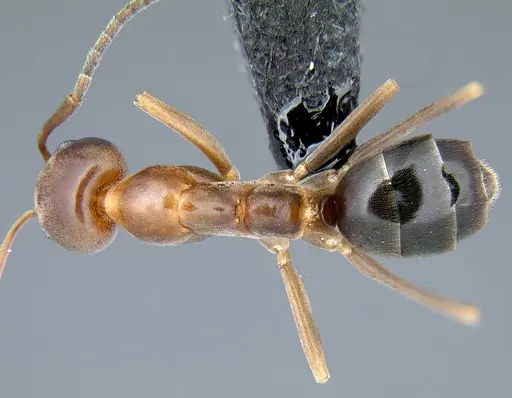
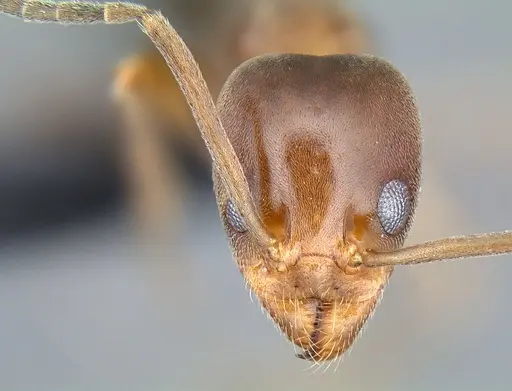
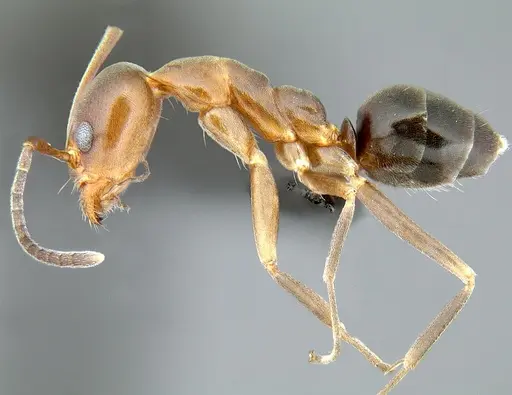
CASENT0249735
View on AntWeb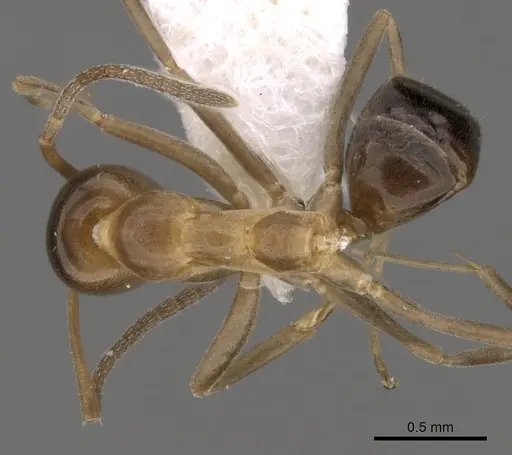
CASENT0911566
View on AntWeb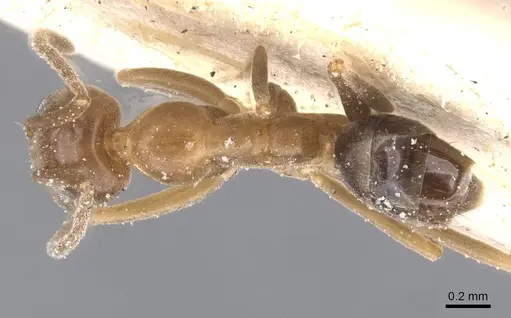
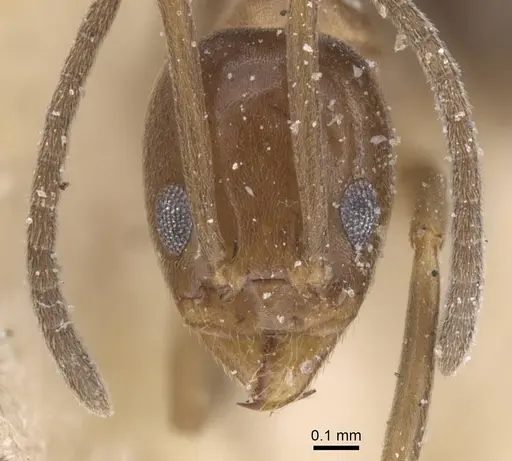
CASENT0923608
View on AntWeb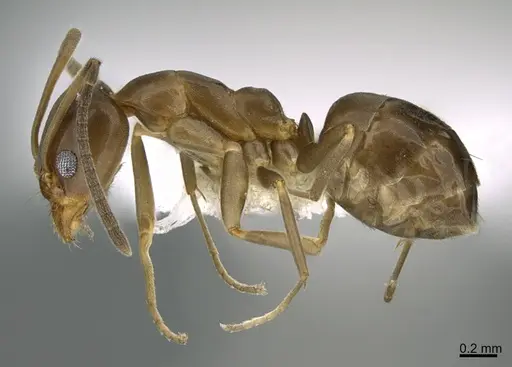
Literature
Loading distribution map...Loading products...