
Linepithema micans
- Sci. Name
- Linepithema micans
- Tribe
- Leptomyrmecini
- Subfamily
- Dolichoderinae
- Author
- Forel, 1908
- Distribution
- Found in 4 countries
Introduction
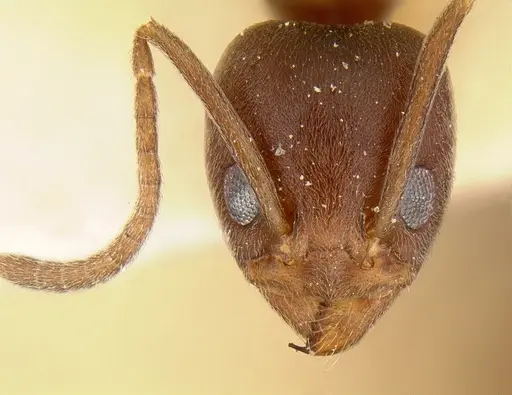
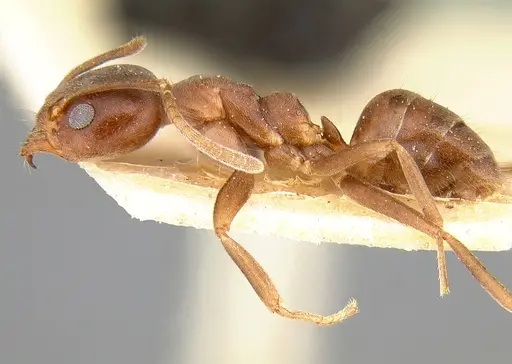
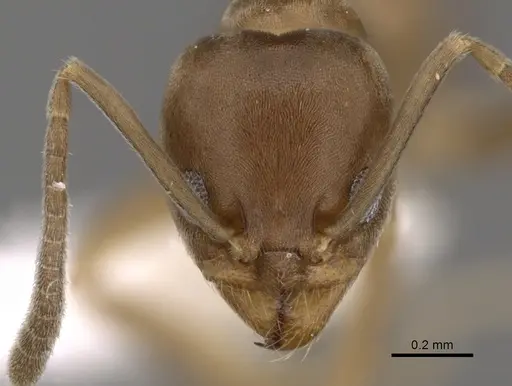
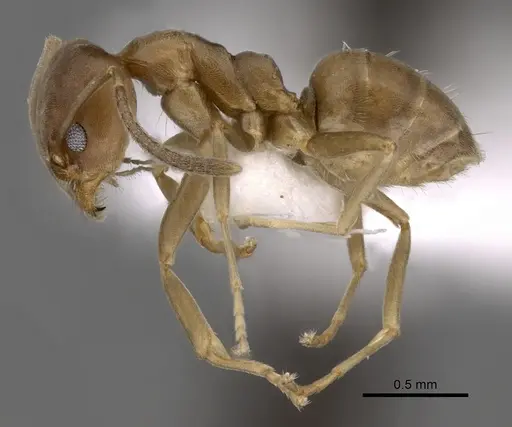
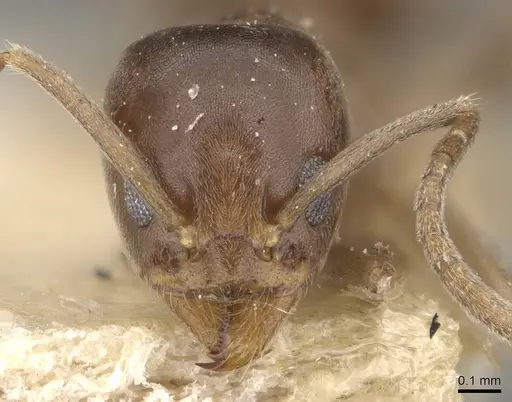
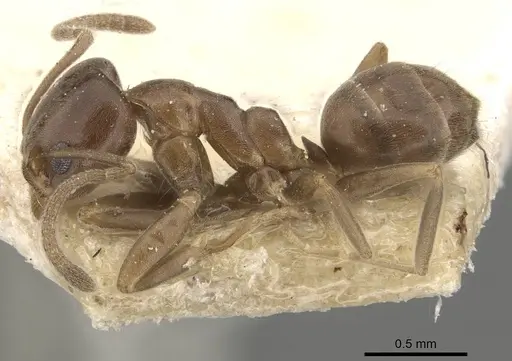
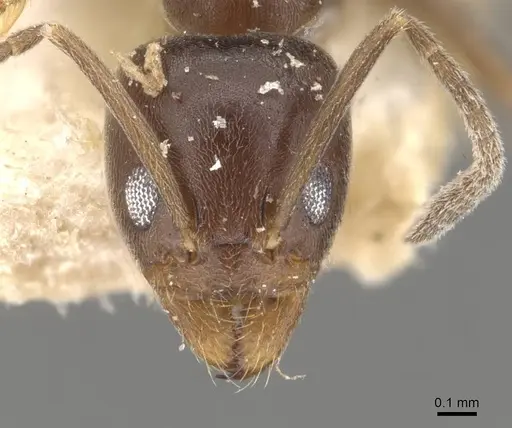
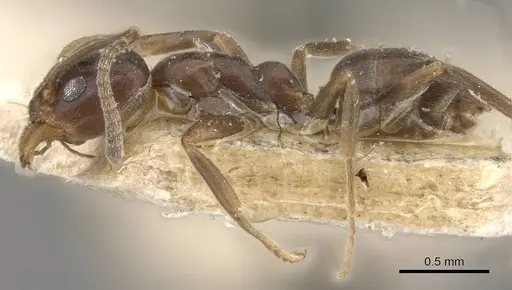
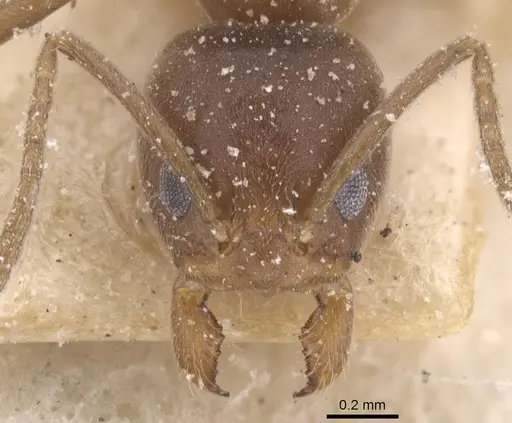
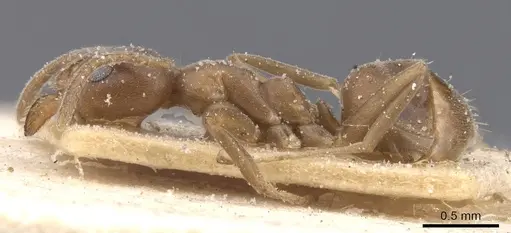
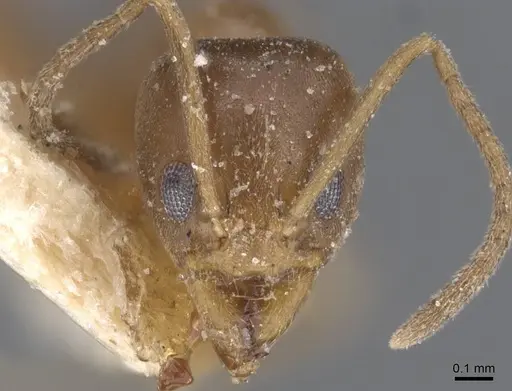
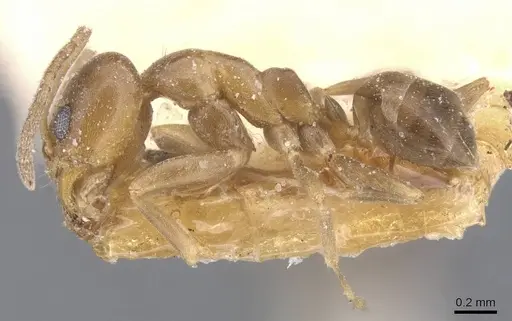
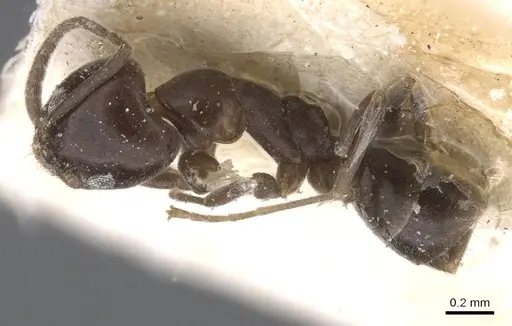
Linepithema micans is a small Dolichoderine ant native to South America, ranging from central Argentina to eastern Brazil . Workers are tiny, typically around 2–3 mm, and are morphologically similar to the invasive Argentine ant (Linepithema humile) . Their color varies from light brown to dark brown, and they have dense pubescence with standing hairs on the first two abdominal segments . These ants are important agricultural pests in vineyards of southern Brazil, where they form a mutualistic association with the soil scale insect *Eurhizococcus brasiliensis* – the ants protect and spread the scale in exchange for honeydew, causing significant damage to grapevines . Colonies are ground‑nesting, polygynous (multiple queens), and forage primarily during dusk and morning hours to avoid desiccation . They are closely related to the Argentine ant but are a distinct species that has often been misidentified in past studies .
Quick Summary
- Difficulty: Easy
- Origin & Habitat: South America – from central Argentina to eastern Brazil, found in pastures, grasslands, wet montane forests, second‑growth riparian areas, and vineyards, from sea level up to 2300 m elevation [1][2]
- Colony Type: Polygynous colonies – documented colonies contain about 10 queens and 1,500–3,000 workers [4][3]. Colonies are polydomous (multiple nest sites) [1].
- Size & Growth:
- Queen: Body size not reported, queen mesosomal length 1.55–2.38 mm (moderate‑sized) [1]
- Worker: ~2–3 mm, inferred from similar Linepithema species [3]
- Colony: Up to 3,000+ workers in established colonies [4]
- Growth: Moderate
- Development: Estimated 6–8 weeks (inferred from related Linepithema species, exact timeline unknown for this species) (Eggs are 0.22–0.40 mm, three larval instars, pupae develop without cocoons [7]. Development is temperature‑dependent, faster at 24–26 °C.)
- Antkeeping:
- Temperature: 20–26 °C. Foraging activity is positively correlated with temperature, peak activity in warmer months (November–February in Southern Hemisphere) and reduced activity during cooler months [5][3]. Avoid temperatures above 30 °C.
- Humidity: Moderate humidity – supply a moist substrate with a humidity gradient. Workers actively reduce foraging during hot, dry hours and prefer higher humidity [5][3]. Keep nest material consistently moist but not waterlogged.
- Diapause: Partial winter slowdown. Colonies remain active year‑round but reduce foraging from July through September (Southern Hemisphere winter). No true hibernation required, simply allow the colony to slow down naturally at room temperature [5][6].
- Nesting: Subterranean nesters. In the wild they nest under stones, in rotting wood, or in sandy soil [1][2]. In captivity use test tubes for founding, then move to formicaria with soil or plaster that can retain moisture. Provide a humidity gradient and fine mesh to prevent escapes due to small size.
- Behavior: Non‑aggressive to humans but highly competitive with other ants. Workers are tiny, fast, and forage from dusk to morning, avoiding the hottest afternoon hours [5][3]. They show seasonal shifts in food preference – more protein in winter/spring, more carbohydrates in autumn [3]. Colonies are polydomous and tolerant of multiple queens. Escape risk is moderate due to size, use fine mesh on all openings.
- Common Issues: small size makes escapes possible through gaps as small as 1 mm – use fine mesh and tight connections, colonies may decline if humidity drops too low – they are sensitive to desiccation, wild‑caught colonies from vineyard areas may carry parasites or be associated with harmful scale insects – quarantine new colonies, overfeeding large prey – workers are tiny and cannot process big insects, remove uneaten protein within 24–48 hours, foraging naturally stops during hot afternoons – this is normal behavior, not illness
Housing and Nest Setup
Since Linepithema micans is a ground‑nesting species, its captive nest should mimic its natural subterranean environment. Start founding colonies in standard test‑tube setups with a water reservoir and a cotton plug. As the colony grows (50+ workers), move them into a formicarium with soil, Y‑tong (AAC), or plaster that holds moisture well. Always provide a humidity gradient: keep one side moister than the other so ants can choose their preferred conditions. The outworld should be simple and easy to clean – these tiny ants can get lost in complex structures. All connections must be snug: a 1 mm gap is enough for them to escape. Use fine mesh (≤0.5 mm openings) on any ventilation to prevent escapes. Avoid acrylic nests as they do not hold humidity well for this species. [1][2][6]
Feeding and Diet
Linepithema micans are generalist feeders with distinct seasonal preferences. Offer a constant source of carbohydrates – sugar water, honey water, or inverted sugar syrup. For protein, provide small insects like fruit flies, pinhead crickets, or small pieces of mealworm 2–3 times per week. In the wild, they heavily rely on honeydew from sap‑sucking insects, so they readily accept sweet liquids [5][3]. Studies show that workers collect more protein from June to December (winter/spring) and shift to carbohydrate preference from February to May (autumn) [3]. Remove uneaten protein within 24–48 hours to prevent mold. Because workers are tiny, they cannot tackle large prey – ensure all food items are appropriately small. A shallow dish with sugar water works well, but use cotton wool to prevent drowning.
Temperature and Seasonal Care
Optimal temperature range is 20–26 °C. This species is native to subtropical and temperate South America and tolerates a moderate range. Foraging activity is strongly linked to temperature – it increases in warmer months (November–February in the Southern Hemisphere) and decreases in cooler months [5][3]. During the winter slowdown (July–September), expect reduced foraging and more time in the nest. True hibernation is not required, but do not heat the nest excessively during this period. Create a temperature gradient in the nest (e.g., with a small heating cable on one side) so ants can choose their preferred temperature. Avoid prolonged exposure above 30 °C, which can cause stress and mortality.
Foraging Patterns and Activity
Workers are primarily crepuscular – most active at dusk and dawn, with a peak in the morning [5]. Activity drops significantly during the hottest and driest hours of the afternoon. This behavior is an adaptation to avoid desiccation, as their small bodies lose water quickly. In captivity, you will see most foraging in the evening and early morning. During winter, activity shifts to more nighttime hours. Time your protein feedings to coincide with active periods (evening works best). Their daily foraging activity is negatively correlated with temperature (higher temperatures reduce daytime foraging) and positively correlated with relative humidity [3]. Understanding this rhythm helps prevent unnecessary concern when the colony seems less active during the day.
Colony Structure and Multi‑Queen Care
Linepithema micans is naturally polygynous – colonies typically contain multiple queens. Research has documented colonies with about 10 queens and 1,500–3,000 workers [4][3]. Multiple queens coexist peacefully and lay eggs simultaneously, leading to faster colony growth once established. When keeping this species, you may receive or collect a colony with several queens – this is normal. Monitor when introducing new queens to an established colony, initial aggression may occur but usually subsides. Because multiple queens produce many workers, plan for an expanding setup well in advance. The colony will eventually fill a large formicarium.
Common Problems and Solutions
The main challenges with Linepithema micans are escape prevention, humidity management, and proper feeding. Their tiny size requires fine mesh on all openings and tight junctions. A gap of 1 mm is enough for escape. Humidity is critical – too dry and workers become sluggish, too wet and mold grows. Aim for consistently moist substrate with a gradient. Overfeeding is common: offer only small prey items and remove leftovers promptly. If you collect wild colonies from vineyard regions, be aware they may carry parasites or be associated with the scale insect Eurhizococcus brasiliensis – quarantine new colonies separately for a few weeks. Finally, don't panic if ants stop foraging in the afternoon – that's normal for this species. [5]
Frequently Asked Questions
How long does it take for Linepithema micans to produce first workers?
The exact timeline is unknown because the founding stage has not been well studied. Based on related Linepithema species, first workers (nanitics) probably appear around 6–8 weeks after the queen starts laying. Development is faster at warmer temperatures (24–26 °C) and slower in cooler conditions.
Can I keep multiple Linepithema micans queens together?
Yes. This species is naturally polygynous. Wild colonies commonly contain around 10 queens, and multiple queens coexist peacefully [4][3]. Unlike single‑queen species, they do not need to be separated.
What do Linepithema micans eat?
They are generalist feeders. Provide carbohydrates (sugar water, honey) constantly, and offer protein 2–3 times per week – small insects like fruit flies, pinhead crickets, or mealworm pieces. They show seasonal preferences: more protein in winter/spring, more carbohydrates in autumn [3].
Are Linepithema micans good for beginners?
Yes, they are easy to keep. They adapt well to captivity, tolerate a range of temperatures, and accept a wide variety of foods. The main challenges are maintaining adequate humidity and preventing escapes due to their small size. With proper setup, they are very rewarding.
Do Linepithema micans need hibernation?
They do not require true hibernation. They naturally reduce activity during cooler months (June–August in the Southern Hemisphere). Keep them at room temperature and reduce feeding during this period – they will slow down on their own [5][6].
Why are my Linepithema micans not foraging during the day?
This is normal. They are crepuscular – most active at dusk and dawn, with a pause during the hot afternoon hours. This behavior helps them avoid drying out. You will see most activity in the evening and early morning [5][3].
How big do Linepithema micans colonies get?
Established colonies can reach at least 3,000 workers with multiple queens [4]. Because they are polygynous and polydomous, the total colony may be even larger in the wild. In captivity, expect moderate growth over 1–2 years to several hundred workers, then continued expansion.
When should I move my colony to a formicarium?
Move them when the colony reaches around 100–200 workers or when the test‑tube water runs out. They prefer a formicarium with soil or plaster that holds moisture. Always provide a humidity gradient. Use fine mesh to prevent escapes during the move.
Report an Issue
The current care sheet is based fully on literature. See inconsistencies, or something that's incorrect? Please , it will be resolved after review from an admin. Contributing to the blogs tab also helps providing information, to make us be able to further improve the caresheets. Thank you for your support!
References

This caresheet is licensed under CC BY-SA 4.0 .
Community Blogs
CASENT0106978
View on AntWeb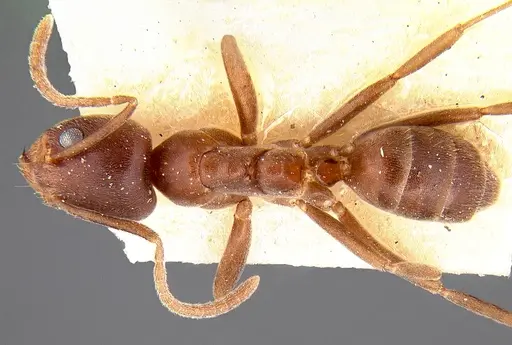
CASENT0249734
View on AntWeb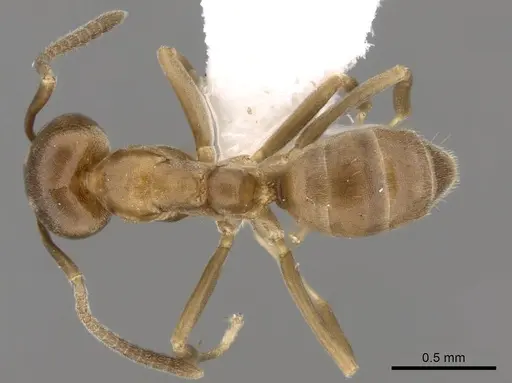
CASENT0909566
View on AntWeb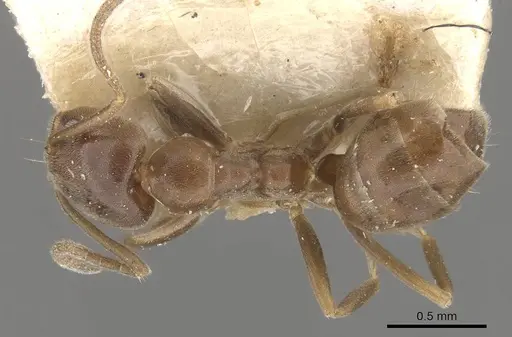
CASENT0909567
View on AntWeb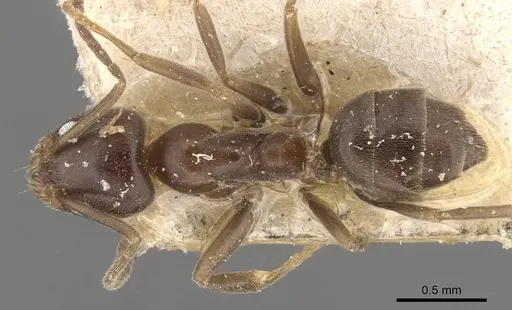
CASENT0911559
View on AntWeb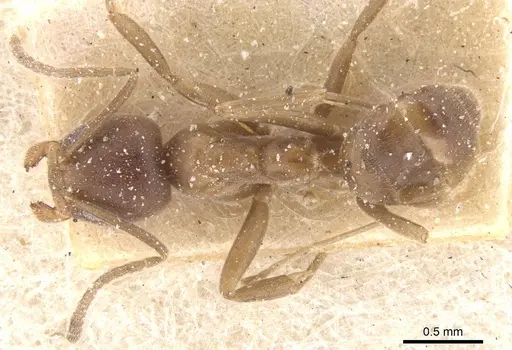
CASENT0911560
View on AntWeb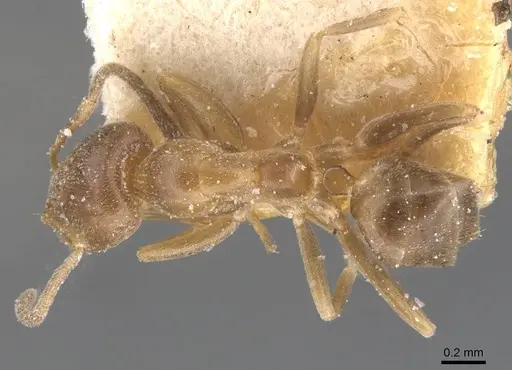
CASENT0911563
View on AntWeb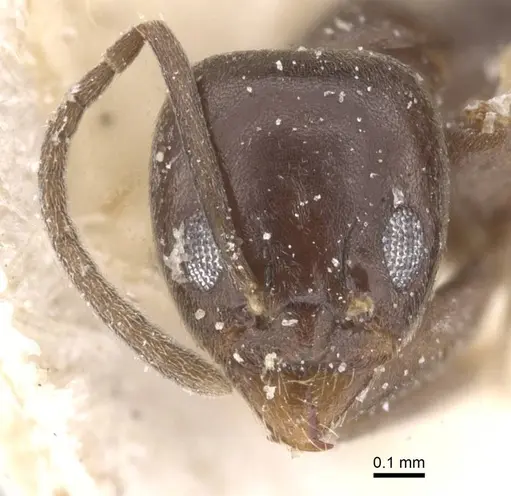
Literature
Loading distribution map...Loading products...