
Linepithema keiteli
- Sci. Name
- Linepithema keiteli
- Tribe
- Leptomyrmecini
- Subfamily
- Dolichoderinae
- Author
- Forel, 1907
- Distribution
- Found in 2 countries
Introduction
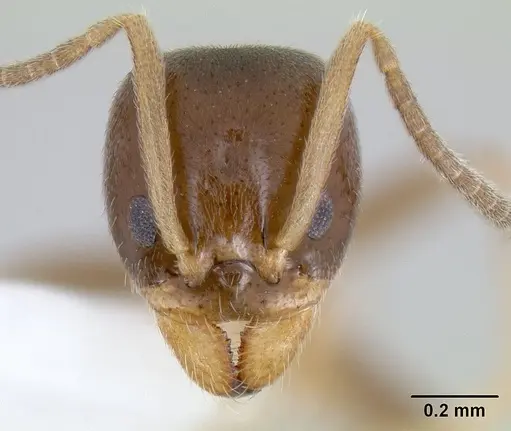
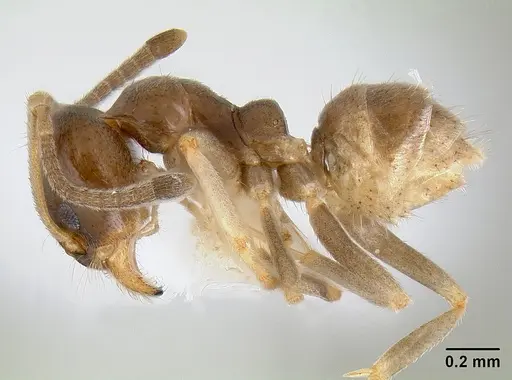
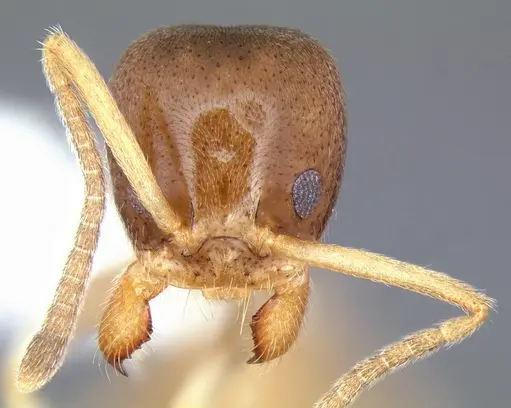
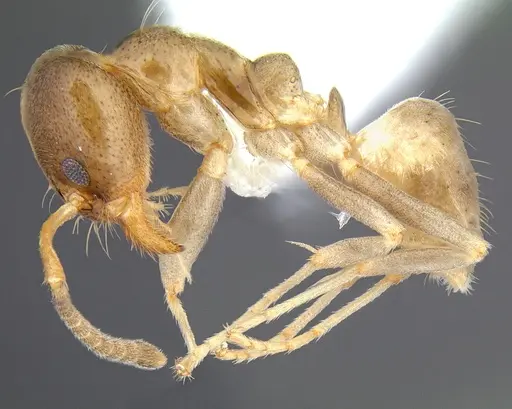
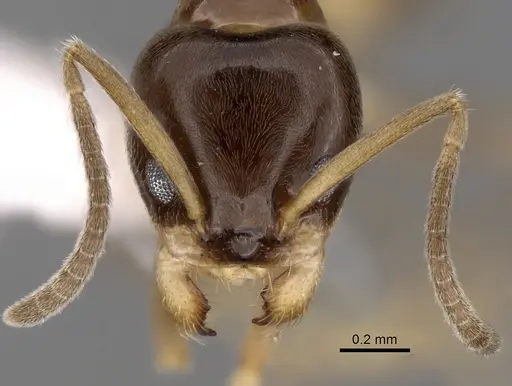
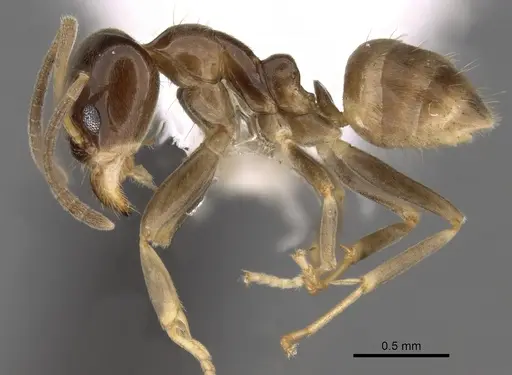
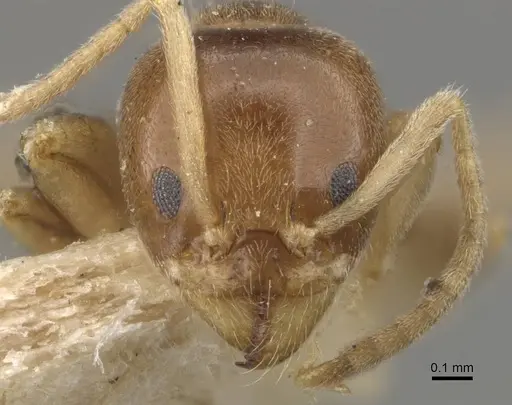
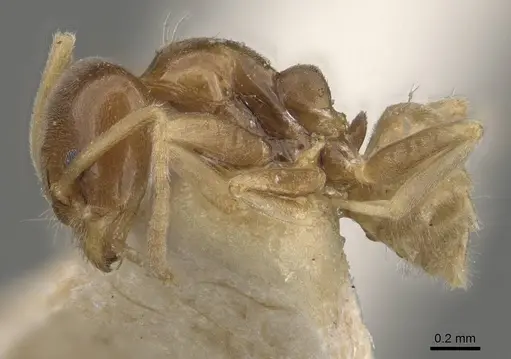
Linepithema keiteli is a robust ant endemic to the mountains of Hispaniola (Haiti and Dominican Republic) . Workers are estimated 2–3 mm in total length, with a relatively broad head and numerous erect setae on the abdomen . Queens are larger, with an estimated total length of about 5–6 mm (mesosomal length 1.88–2.15 mm) . This species is among the most abundant ants in its native highland habitats, found from montane pine forests down through moist tropical forests and even on deforested slopes . Colonies are populous, foraging actively both day and night, and nests often have multiple entrances extending under a series of stones . The species shows considerable color variation across its range, from dark brown to reddish-brown with lighter legs .
Quick Summary
- Difficulty: Medium
- Origin & Habitat: Endemic to the mountains of Hispaniola (Haiti and Dominican Republic), recorded at elevations from 770–1820 m (occasionally down to 5 m). Found in montane pine forest, mesic tropical moist forests, and disturbed areas such as forest edges and roadsides [2][3].
- Colony Type: Monogyne (single queen) and polydomous (multiple interconnected nest entrances) [2][3].
- Size & Growth:
- Queen: estimated ~5–6 mm (mesosomal length 1.88–2.15 mm) [2]
- Worker: estimated 2–3 mm (no total length data, based on head measurements of 0.59–0.77 mm) [2]
- Colony: unknown – described as populous, with extensive foraging trails [2][3]
- Growth: Moderate
- Development: estimated 6–10 weeks [2] (Direct data unavailable, estimate based on related Linepithema species and typical Dolichoderinae development at 20–24°C.)
- Antkeeping:
- Temperature: 20–24°C (room temperature), avoid exceeding 28°C. Provide a gentle gradient [2][3].
- Humidity: Moderate (50–70%). Keep nest substrate moist but not waterlogged. A moist nest chamber with drier foraging area works well [2].
- Diapause: No – tropical montane species, true hibernation not required. A slight winter cooling may be beneficial but is not necessary [3].
- Nesting: Y-tong (AAC) or plaster nests with multiple connected chambers to mimic polydomous nesting under stones. Keep substrate moderately moist [2][3].
- Behavior: Generally docile and non-aggressive. Workers form extensive foraging trails both day and night. They recruit to food sources and tend aphids for honeydew. Escape risk is moderate – standard fluon barriers are sufficient [2][3].
- Common Issues: dry conditions can cause colony decline – maintain moderate humidity., extreme heat above 28°C should be avoided as they are montane-adapted., wild-caught colonies may carry parasites that affect survival in captivity., founding phase may be slow, patience is required.
Housing and Nest Setup
Linepithema keiteli naturally nests under stones and in soil, often with multiple entrances extending under a series of stones [2][3]. For captivity, a Y-tong (AAC) or plaster nest works well. Provide multiple connected chambers to accommodate their polydomous nature – this mimics their natural tendency to have several nest entrances. Keep the nest substrate moderately moist but not waterlogged. A small water reservoir connected to the nest helps maintain humidity. Standard escape prevention with fluon on test tube rims or formicarium edges is sufficient – they are small but not extreme escape artists. A foraging area should be spacious enough for their active foraging trails.
Feeding and Diet
In the wild, workers recruit to dead insects and have been observed tending aphids on Psidium guayaba trees [2]. In captivity, offer a varied diet including protein sources (small insects like fruit flies, pinhead crickets, or mealworms) and sugar sources (sugar water, honey, or diluted honey). Protein should be offered 2–3 times per week, with sugar water constantly available. Their populous colonies can consume significant amounts of food, so monitor and adjust feeding based on colony size. Remove uneaten prey after 24–48 hours to prevent mold.
Temperature and Environmental Care
As a montane species from Hispaniola, Linepithema keiteli prefers moderate temperatures rather than extreme heat. Keep the nest area at 20–24°C – room temperature is often suitable. Avoid temperatures above 28°C. A heating cable on one side of the nest can create a temperature gradient, allowing workers to choose their preferred zone. Since they come from a tropical island that does not experience true winter, hibernation is likely not required. However, a slight reduction in temperature during winter months (down to around 18–20°C) may mimic their natural seasonal cycle and could benefit colony health [2][3].
Behavior and Observation
One of the most interesting aspects of Linepithema keiteli is their activity pattern – they form extensive foraging trails during both day and night, which is unusual among ants. Workers are active foragers that readily recruit to food sources. They are not particularly aggressive or defensive, making them suitable for observation. The species tends aphids in nature, so you may observe honeydew-seeking behavior if sugar sources are offered. Colonies are polydomous in the wild, meaning they maintain multiple nest entrances – this behavioral tendency may be expressed in captivity by spreading between connected chambers [2][3].
Frequently Asked Questions
How long does it take for Linepithema keiteli to produce first workers?
Based on related Linepithema species, expect 6–10 weeks at 20–24°C. Direct data is unavailable for this species [2].
Can I keep multiple Linepithema keiteli queens together?
No. Research shows this species is monogynous – colonies have a single queen. Unlike some ants, they do not form multi-queen colonies. Attempting to introduce additional queens will likely result in fighting [2][3].
What temperature do Linepithema keiteli need?
Keep them at moderate temperatures around 20–24°C. As a montane species from Hispaniola, they do not need extreme heat. Room temperature is typically suitable. Avoid temperatures above 28°C [2][3].
What do Linepithema keiteli eat?
They are omnivorous with a preference for protein and sugar. Offer small insects (fruit flies, pinhead crickets, mealworms) 2–3 times per week, and keep sugar water or honey available constantly. In nature they also tend aphids for honeydew [2].
Are Linepithema keiteli good for beginners?
They are rated as medium difficulty. They are abundant in the wild but require specific montane-like conditions (moderate temperatures, not extreme heat). Their active foraging and populous colonies make them interesting to observe, but the founding phase requires patience [2][3].
How big do Linepithema keiteli colonies get?
They are described as populous in the wild, forming extensive foraging trails. Based on related species, colonies likely reach several hundred to over a thousand workers. The exact maximum size is not documented [2][3].
Do Linepithema keiteli need hibernation?
Probably not. As a tropical montane species from Hispaniola, they do not experience true winter. A slight temperature reduction during winter months may be beneficial but is not required for survival [3].
What type of nest is best for Linepithema keiteli?
A Y-tong (AAC) or plaster nest with multiple connected chambers works best. Their natural polydomous nesting (multiple entrances under stones) suggests they benefit from having several connected spaces. Keep the substrate moderately moist [2].
Why are my Linepithema keiteli dying?
Common causes include: too dry conditions (they prefer moderate humidity), extreme heat (keep below 28°C), or stress from wild collection. Ensure proper humidity, moderate temperatures, and offer varied protein and sugar foods. Colonies from the wild may carry parasites [2].
Report an Issue
The current care sheet is based fully on literature. See inconsistencies, or something that's incorrect? Please , it will be resolved after review from an admin. Contributing to the blogs tab also helps providing information, to make us be able to further improve the caresheets. Thank you for your support!
References

This caresheet is licensed under CC BY-SA 4.0 .
Community Blogs
CASENT0106160
View on AntWeb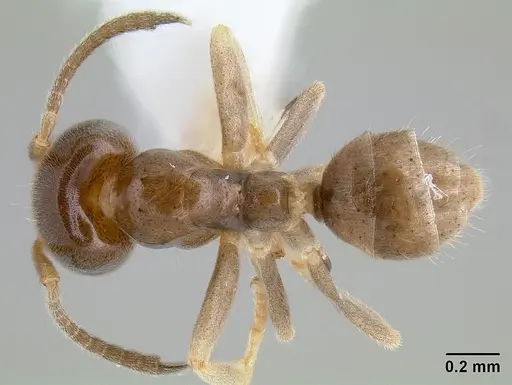
CASENT0106975
View on AntWeb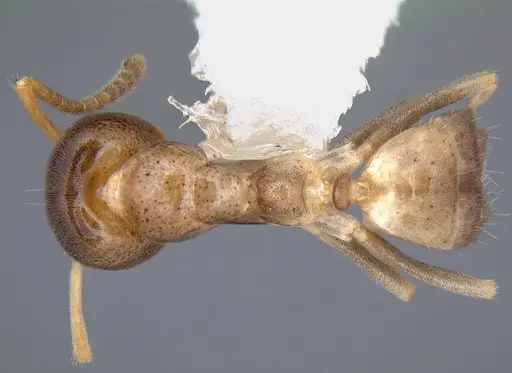
CASENT0249738
View on AntWeb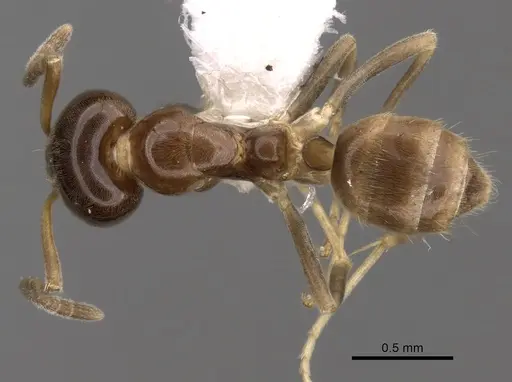
CASENT0909569
View on AntWeb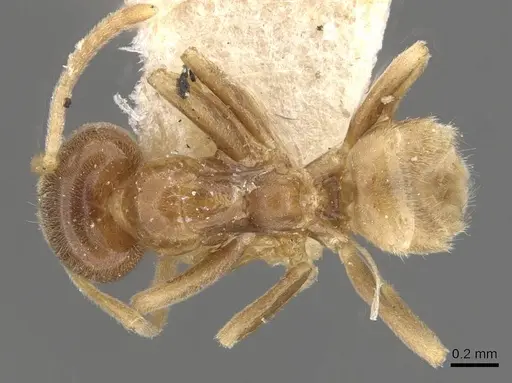
Literature
Loading distribution map...Loading products...