
Linepithema dispertitum
- Sci. Name
- Linepithema dispertitum
- Tribe
- Leptomyrmecini
- Subfamily
- Dolichoderinae
- Author
- Forel, 1885
- Distribution
- Found in 7 countries
Introduction
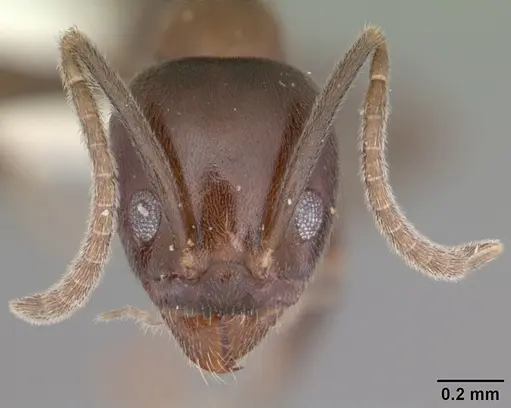
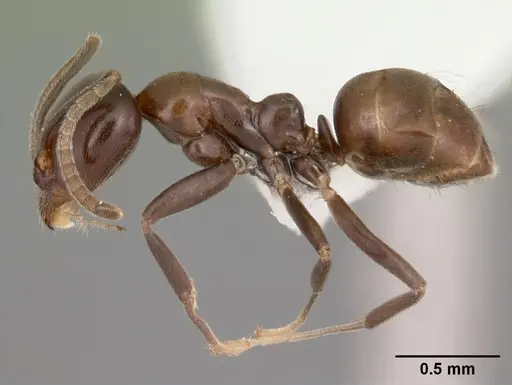
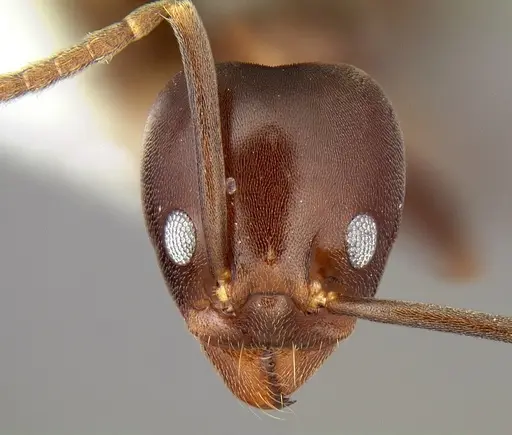
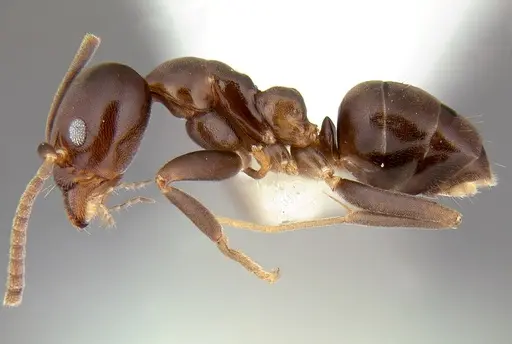
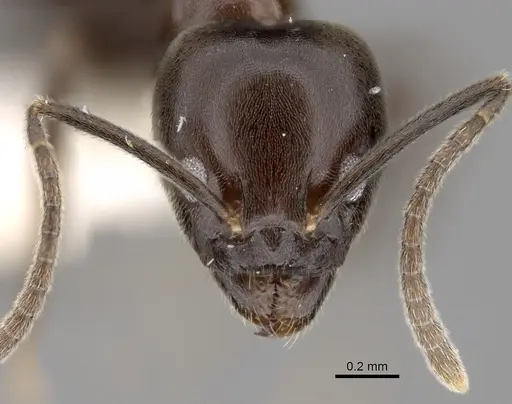
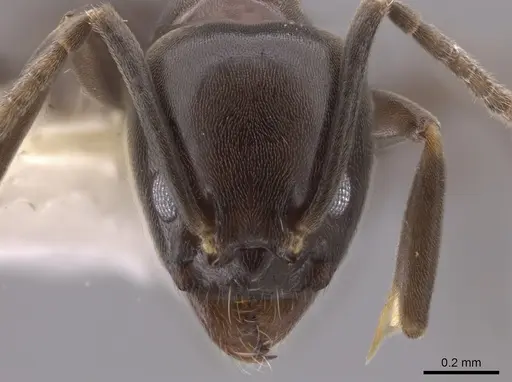
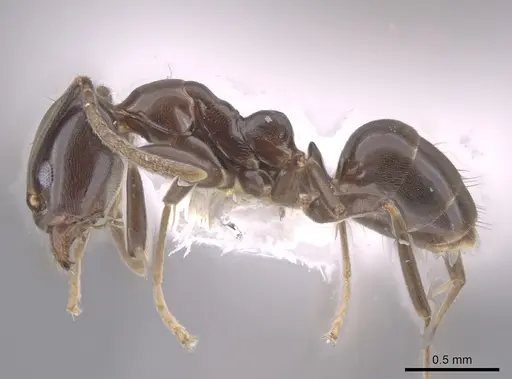
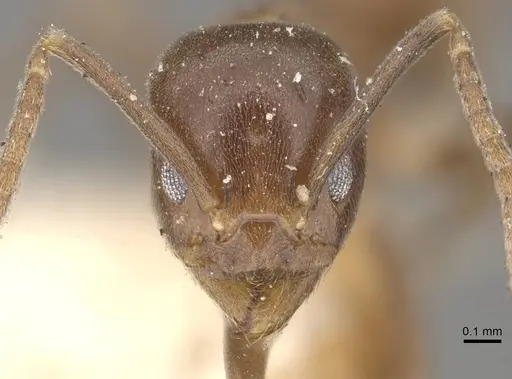
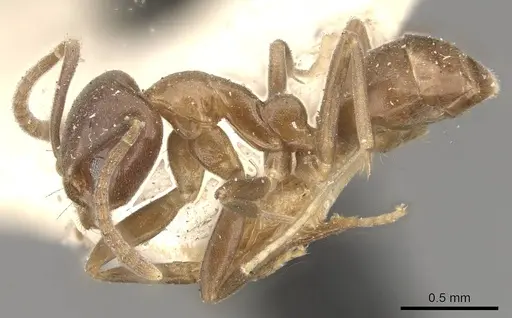
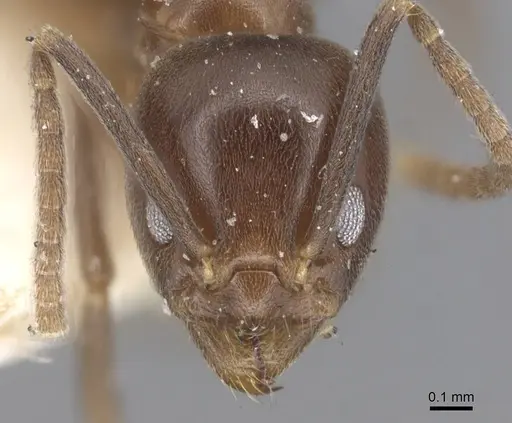
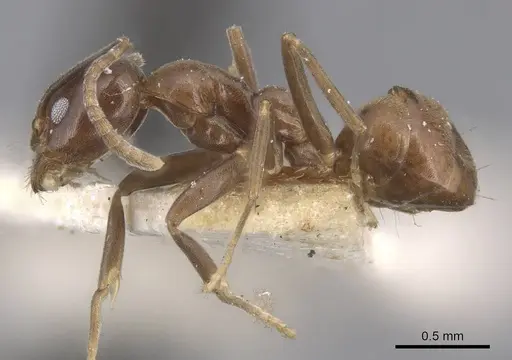
Linepithema dispertitum is a small ground-dwelling ant native to Central America and the Caribbean. Workers measure 2.2–2.5 mm and are medium to dark brown, often with a smooth, shiny body and sparse hairs . Unlike its close relative Linepithema iniquum, which lives in trees, this species nests in soil, under stones, or in rotting wood . It is primarily a montane forest ant, with over 90% of records coming from elevations above 1000 m . The species shows remarkable variation across its range, some populations have yellow-brown workers, others are dark and bicolored, and males can look completely different depending on where they come from . It has been intercepted at US ports of entry inside orchids from Mexico, showing it could spread outside its native range .
Quick Summary
- Difficulty: Medium
- Origin & Habitat: Central America from northern Mexico to Panama, plus an isolated population in the Dominican Republic (Cordillera Central above 2400 m) [2][4]. Found in montane pine forest, rain forest, oak woodland, and coffee plantations at 130–3000 m elevation, with 90% of records above 1000 m [2]. In paramo landscapes, annual precipitation is 1300–1400 mm and average temperature 10–12 °C [3].
- Colony Type: Probably monogyne (single queen) in some populations. Of ten nest excavations in Guatemala and the Dominican Republic, four contained one dealate queen, and the others had no queen found [2]. Molecular data are needed to confirm whether this holds across all populations, male morphology varies so much that mating systems may also differ [2].
- Size & Growth:
- Queen: ~2.3 mm total length [1]
- Worker: 2.2–2.5 mm total length [1]
- Colony: Unknown, not documented in the literature
- Growth: Moderate, inferred from related Linepithema species
- Development: Not documented for this species, based on related Linepithema, likely several weeks at optimal temperature (Development time has not been studied directly. Keep conditions cool and stable.)
- Antkeeping:
- Temperature: Cool conditions. Their natural habitat averages 10–12 °C, so avoid overheating. Keep the nest area at 15–20 °C, with a gradient so workers can choose. Heating is rarely needed, cooling may be required in warm rooms [3].
- Humidity: Moderate to high. Native to damp montane forests with 1300–1400 mm annual rainfall [3]. Keep the nest substrate consistently moist but not waterlogged. Provide a small water source in the outworld.
- Diapause: Likely yes. As a high‑altitude species from cool temperate climates, a winter rest period at 10–12 °C for 2–3 months is recommended. This mimics the natural seasonal drop [3][2].
- Nesting: Ground‑nesting species. Use a Y‑tong/plaster nest with moisture chambers, or a soil/rotting‑wood substrate. They naturally nest under stones, in rotten wood, or in soil [2]. A test tube works for founding, but transfer to a naturalistic setup as the colony grows.
- Behavior: Generally non‑aggressive. Workers forage on the soil surface and under rocks [3]. They cannot sting, like all Dolichoderinae, they rely on chemical secretions (smear defense). Workers are small (2.2–2.5 mm), so secure all gaps to prevent escape. They are not known for biting or aggression.
- Common Issues: cool temperature requirements mean overheating is a real risk, keep away from direct heat sources and monitor room temperature, as a montane species, they may struggle at standard room temperature (22–25 °C) without cooling, colony size is poorly documented, so expect slower growth than tropical species, wild‑caught colonies may be parasitised by phorid flies (Pseudacteon sp.) [2], inspect new colonies carefully, this species has been intercepted at US ports of entry, do NOT release it outside its native range to avoid potential invasion [2]
Housing and Nest Preferences
Linepithema dispertitum is a ground‑dwelling species that nests in soil, under stones, or in rotting wood [2]. In captivity, use a Y‑tong/plaster nest with moisture chambers, or a naturalistic setup with a soil substrate and pieces of rotting wood. Unlike its arboreal sister species Linepithema iniquum, this ant prefers ground‑level nesting [3]. The nest should have consistent moisture, these are ants from damp montane environments. A test tube with water works for a founding colony, but once you have 20–30 workers, move them to a larger nest with a foraging area that includes soil or fine sand.
Temperature and Climate
Keep this ant cool. In its native high‑altitude habitats average temperatures are only 10–12 °C [3]. That means standard room temperature (22–25 °C) is too warm for long‑term health. Aim for 15–20 °C in the nest area, with a slight gradient. During summer you may need to cool the nest rather than heat it. In winter, reduce to 10–12 °C for 2–3 months to mimic the natural cool season [3][2].
Diet and Feeding
Like other Linepithema species, these ants are omnivorous. Offer constant access to sugar water or honey water for energy. For protein, provide small insects such as fruit flies, pinhead crickets, or chopped mealworms, prey must be tiny because workers are only 2.2–2.5 mm [1]. They forage on the soil surface and under rocks [3], so scatter food in the foraging area. They are classified as Dominant Dolichoderinae in functional‑group studies, meaning they are active foragers that can quickly dominate food sources [5][6].
Colony Structure and Development
Based on nest digs, this species is probably monogyne (single queen), four out of ten excavated nests contained one dealate queen [2]. However, the species shows extraordinary male variation across its range, and the mating system may vary too [2]. Genetic studies are needed to confirm colony structure. Colony size in the wild is unknown, but they do not form supercolonies like their relative Linepithema humile. Development time from egg to worker has not been recorded, based on related species, expect several weeks under cool conditions. Phorid flies (Pseudacteon sp.) have been observed attacking workers at nest sites in Guatemala [2].
Geographic Variation and Confusion with Invasive Species
Linepithema dispertitum varies enormously across its range. Workers from Costa Rica, the Dominican Republic, El Salvador, and Guatemala have large eyes, lack standing hairs on the pronotum, and have dense pubescence on the gaster. But specimens from central Mexico have smaller eyes and more erect setae, while those from Baja California are larger and darker [2]. Three distinct phenotypes even occur sympatrically in Colombia above 2500 m [3]. This variation has led to confusion: in El Salvador, all published records of the invasive Argentine ant (Linepithema humile) are actually misidentified L. dispertitum [7]. Be careful not to confuse the two, L. dispertitum is not currently invasive, but it has been intercepted at US ports of entry in orchids, showing it could spread beyond its native range [2].
Similar Species: Linepithema iniquum
The closest relative is Linepithema iniquum, but they differ in nesting: L. iniquum is arboreal (lives in trees), while L. dispertitum nests in soil or wood [3]. Where they overlap in southern Central America, you can tell them apart by looking at the second segment of the gaster: L. dispertitum has moderate to dense hairs, L. iniquum has sparse hairs [2]. In most measured traits they overlap too much to rely on size or shape alone.
Frequently Asked Questions
Is Linepithema dispertitum a good beginner ant?
No, this species is not ideal for beginners. It requires cool temperatures (15–20 °C) that are hard to maintain in a typical warm home. Wild colonies can be hard to collect, and the species is not commonly available. Cool‑climate specialists need more careful monitoring than most beginner species [3].
What temperature should I keep Linepithema dispertitum at?
Keep the nest area at 15–20 °C. Their natural environment averages 10–12 °C, so they are heat‑sensitive. Avoid heating, instead, ensure the room is not too warm. A temperature gradient helps them self‑regulate [3].
How long does it take for Linepithema dispertitum to develop from egg to worker?
Development time has not been studied for this species. Based on related Linepithema ants, it likely takes several weeks at optimal cool temperatures. No exact numbers are available, so patience is needed.
What do Linepithema dispertitum eat?
They are omnivorous. Offer sugar water or honey water constantly for energy. For protein, give tiny insects like fruit flies, pinhead crickets, or small mealworms, because workers are only 2.2–2.5 mm, prey must be appropriately sized [1]. They forage on the ground and under rocks [3].
Can I keep multiple Linepithema dispertitum queens together?
Probably not. Nest excavations suggest this species is monogyne (single queen) [2]. Combining unrelated queens has not been documented and is not recommended. If you acquire a wild colony, it most likely has only one queen.
Does Linepithema dispertitum need hibernation?
Likely yes. As a high‑altitude species from cool climates, a winter rest period at 10–12 °C for 2–3 months is recommended. This mimics the natural seasonal temperature drop [3][2].
What size colony does Linepithema dispertitum reach?
Colony size is not documented in the literature. Based on related Linepithema species, it probably reaches a few hundred workers, but this is only a guess. They are not known to form supercolonies like Linepithema humile.
What's the difference between Linepithema dispertitum and Linepithema iniquum?
The main difference is nesting: Linepithema dispertitum is ground‑dwelling (soil, under stones, rotting wood), while Linepithema iniquum is arboreal (lives in trees) [3]. Where they overlap in southern Central America, you can also tell them apart by the hairs on the second gaster segment: dense in L. dispertitum, sparse in L. iniquum [2]. They co‑occur only in southern Central America [2].
Is Linepithema dispertitum invasive?
It is not currently considered invasive, but it has been intercepted at US ports of entry inside orchids from Mexico, showing potential to spread [2]. In El Salvador, all published records of the invasive Argentine ant (Linepithema humile) turned out to be misidentified L. dispertitum [7]. Do NOT release this species outside its native range.
Report an Issue
The current care sheet is based fully on literature. See inconsistencies, or something that's incorrect? Please , it will be resolved after review from an admin. Contributing to the blogs tab also helps providing information, to make us be able to further improve the caresheets. Thank you for your support!
References

This caresheet is licensed under CC BY-SA 4.0 .
Community Blogs
CASENT0010798
View on AntWeb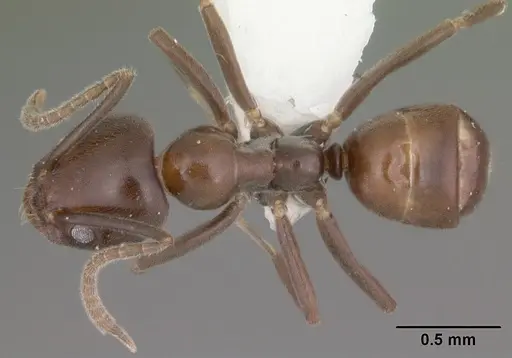
CASENT0106980
View on AntWeb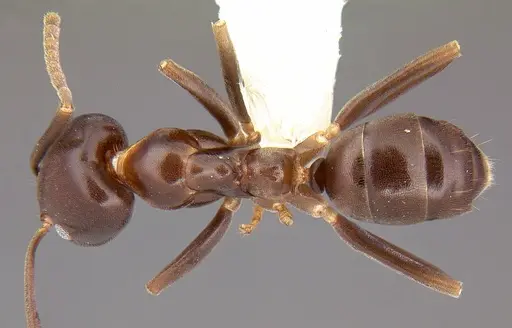
CASENT0249741
View on AntWeb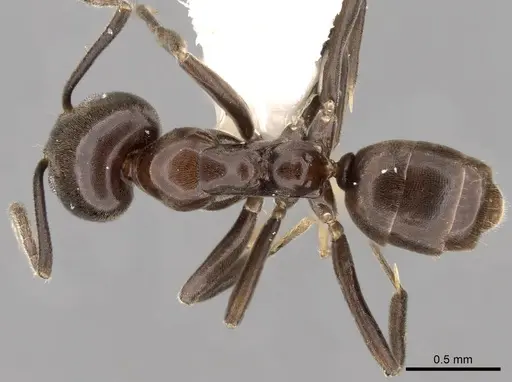
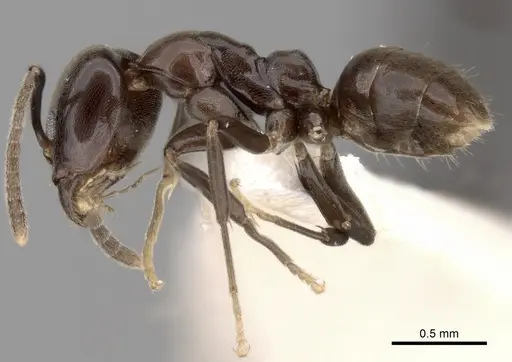
CASENT0631878
View on AntWeb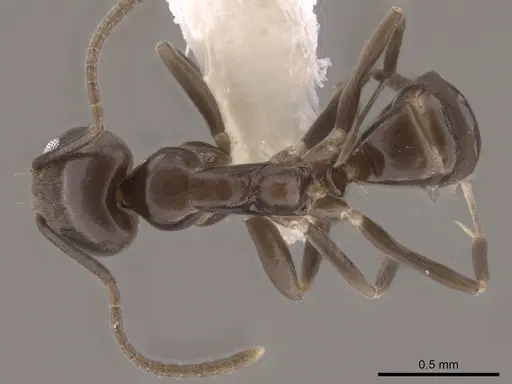
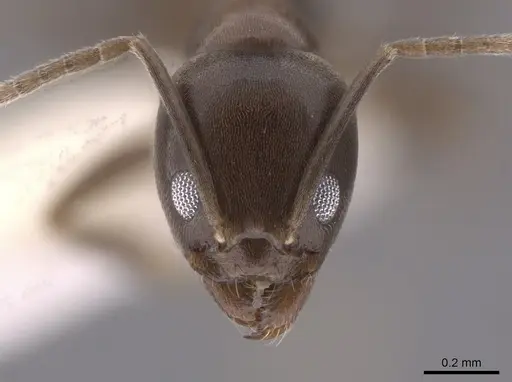
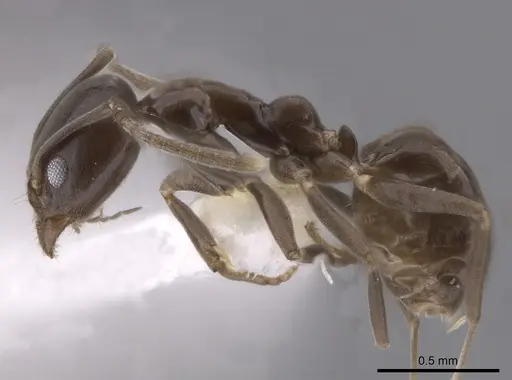
CASENT0637197
View on AntWeb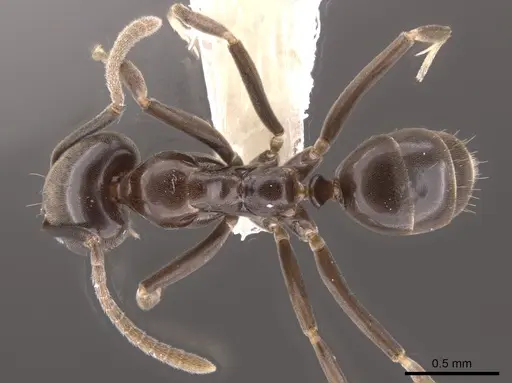
CASENT0909564
View on AntWeb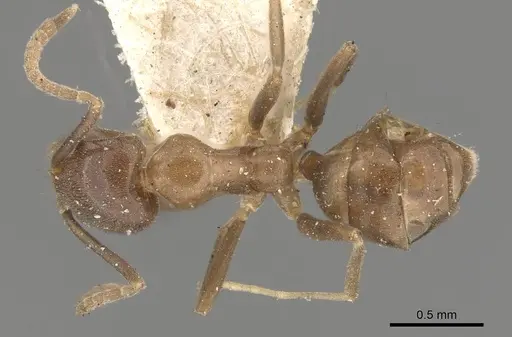
CASENT0915575
View on AntWeb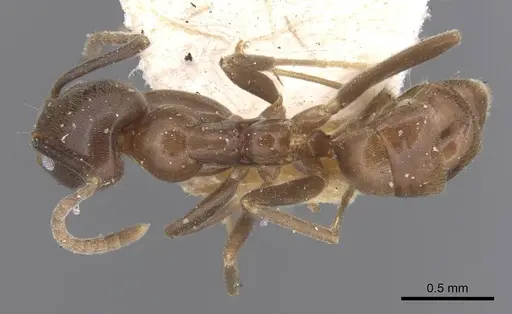
CASENT0923607
View on AntWeb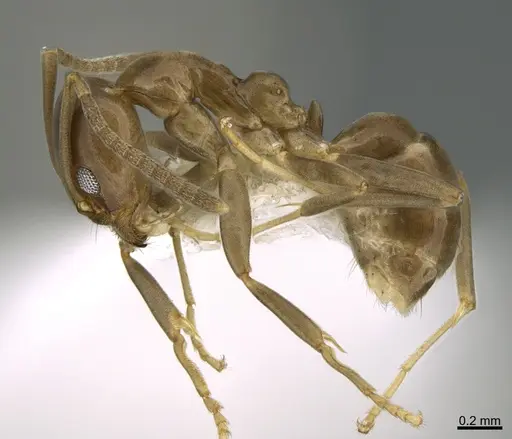
Literature
Loading distribution map...Loading products...