
Leptothorax wilsoni
- Sci. Name
- Leptothorax wilsoni
- Tribe
- Crematogastrini
- Subfamily
- Myrmicinae
- Author
- Heinze, 1989
- Distribution
- Found in 2 countries
Introduction
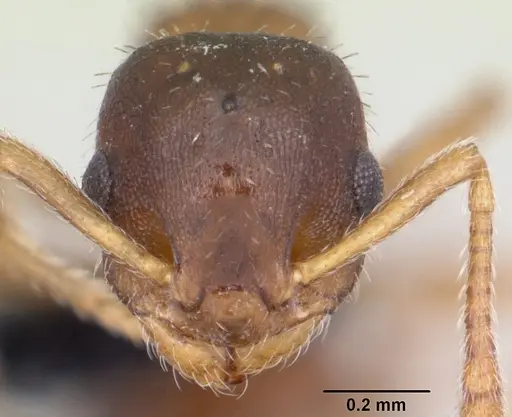
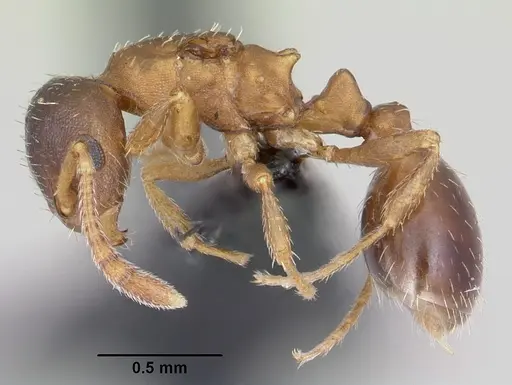
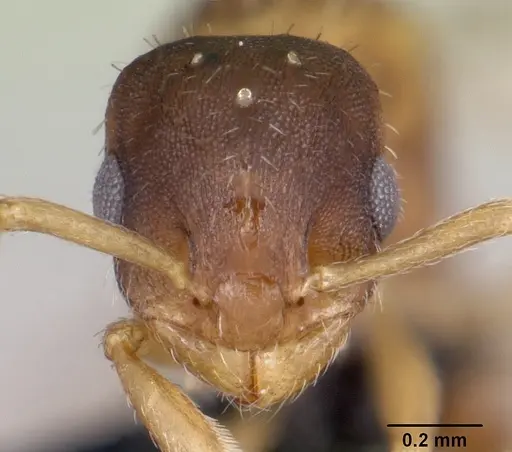
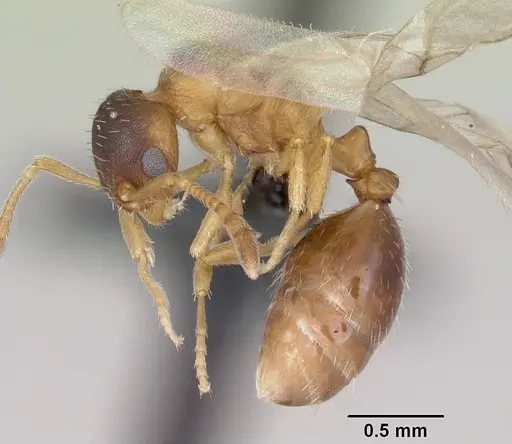
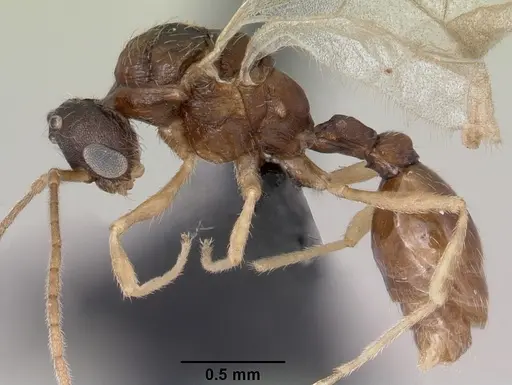
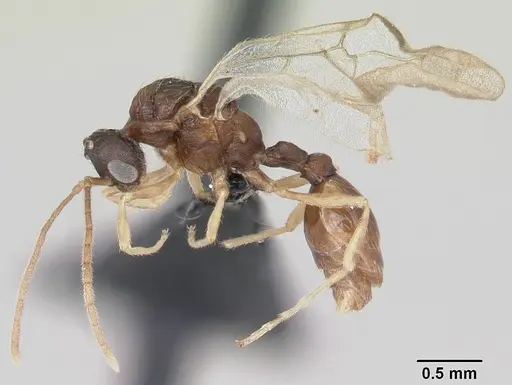
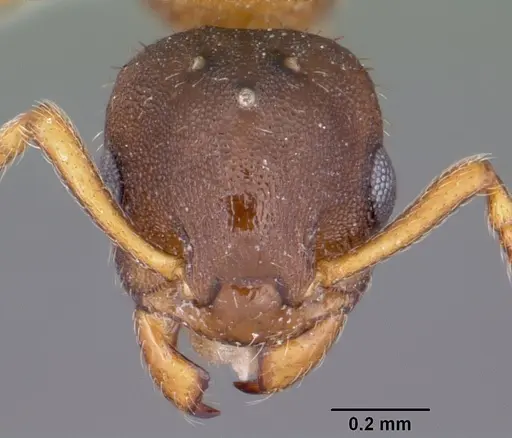
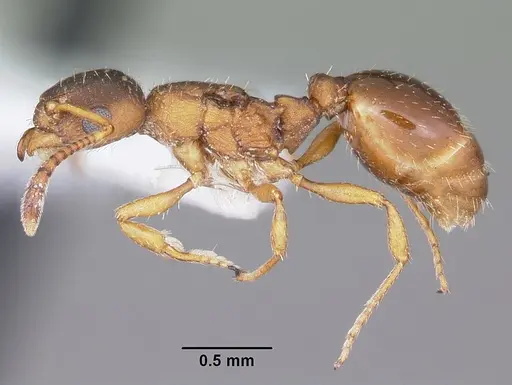
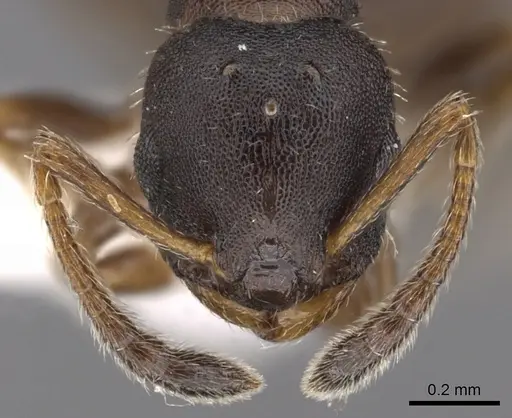
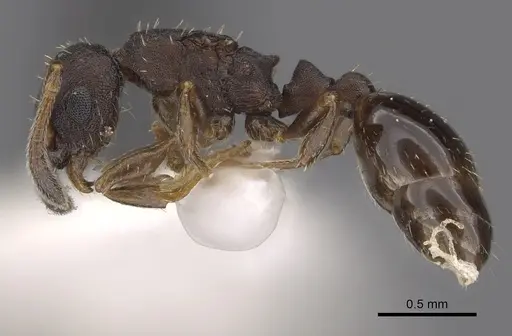
Leptothorax wilsoni is a tiny workerless social parasite (inquiline) native to eastern and western North America. These ants are completely dependent on host colonies of Leptothorax sp. B (part of the muscorum group) to survive - the queens have no workers of their own and rely entirely on host workers to feed them and raise their brood . Queens come in two forms: intermorphic (short-winged/brachypterous) at about 3.1mm and fully-winged gynomorphic at about 3.28mm . The species was first described in 1989 from New Hampshire and has since been found in Quebec, New Brunswick, Montana, Alberta, and Alaska . This is not a species you can keep like a normal ant colony - it requires an established host colony to function. What makes L. wilsoni unique is how it takes over host colonies. The parasite queen attacks and kills the host queen, eventually taking over the entire colony . The host workers care for the parasite queen and raise her eggs as if they were their own. This is one of the few ant species where you can observe the dynamics of social parasitism directly - the parasite queen produces only sexuals (new queens and males), not workers, while the host workers do all the labor .
Quick Summary
- Difficulty: Expert
- Origin & Habitat: Eastern and western North America, from New Hampshire through Quebec and New Brunswick, with recent records in Montana, Alberta, and Alaska. Found in open, scrubby forest at elevations of 700-950m, typically nesting in rotten sticks, under branches, or in moss [1].
- Colony Type: Workerless social parasite (inquiline). Colonies consist of one or more parasite queens living in host colonies of Leptothorax sp. B. The parasite produces only sexuals (new queens and males), no workers of its own. Host colony continues functioning with its own workers [1].
- Size & Growth:
- Queen: Intermorphic queens 3.1mm, gynomorphic queens 3.28mm [1]
- Worker: None, workerless species
- Colony: Colony size depends entirely on host colony
- Growth: Unknown, depends on host colony health
- Development: Not applicable, this is a workerless species. Eggs develop into sexuals (queens and males) rather than workers. (The parasite queen lays eggs that develop into new queens and males. These are raised by host workers alongside any host brood.)
- Antkeeping:
- Temperature: Keep host colony at temperatures appropriate for Leptothorax muscorum group species, roughly 18-22°C. Avoid overheating.
- Humidity: Maintain moderate humidity matching the host species preferences, damp but not wet nest conditions.
- Diapause: Likely requires winter dormancy based on distribution in cold northern climates (Canada, Alaska).
- Nesting: In nature, found nesting in rotten sticks (3-5cm diameter), under rotten branches, and in moss [1]. In captivity, would require a host colony in an appropriate nest setup. Y-tong or plaster nests with multiple chambers work well for Leptothorax.
- Behavior: Very docile toward host workers, the parasite queen avoids direct contact with hosts and spends time grooming host males [1]. However, they show intense aggression toward rival parasite queens, fighting viciously and attempting to sting each other [1]. The most dramatic behavior is the attack on host queens, parasite queens actively hunt and attempt to kill the host queen to take over the colony [1]. Escape risk is low since they're fully dependent on host workers and cannot survive independently.
- Common Issues: This species cannot be kept without a host colony, you cannot establish a self-sustaining colony., Finding a host colony (Leptothorax sp. B or related muscorum group species) is extremely difficult., Parasite queens may fight each other if multiple are introduced, often only one survives., Host colony health directly determines parasite success, if host dies, parasite colony dies., Not suitable for beginners, requires advanced knowledge of ant social parasitism.
Understanding Leptothorax wilsoni as a Social Parasite
Leptothorax wilsoni is what ant biologists call an inquiline, a social parasite that lives entirely within the nest of another ant species and depends on the host workers to survive. Unlike some parasites that raid other colonies for slaves, L. wilsoni is more like a permanent guest that never leaves. The parasite queen has no workers of her own. She cannot forage, cannot dig, cannot feed herself or her larvae. She relies entirely on host workers to feed her (through trophallaxis, mouth-to-mouth food sharing) and to raise her brood [1].
What makes this species remarkable is that it produces only sexual offspring (new queens and males), not workers. The host workers do all the work, foraging, nursing brood, defending the nest, everything. The parasite essentially hijacks the host colony's workforce for its own reproduction. This is different from slave-making ants (like Formica sanguinea) which raid other colonies to steal young workers. L. wilsoni is more like a cuckoo that moves into someone else's home and uses their household staff [4].
The species has two queen forms: intermorphic (short-winged/brachypterous) and gynomorphic (fully winged). Both can reproduce, but they use different strategies to colonize new nests [1].
The Host Species: Leptothorax sp. B
L. wilsoni parasitizes colonies of Leptothorax sp. B, a member of the Leptothorax muscorum group. This group includes several similar species like Leptothorax muscorum, Leptothorax acervorum, and others that are difficult to distinguish [5]. In the wild, roughly 3% of Leptothorax sp. B colonies are parasitized by L. wilsoni, this was measured on Mt. Monadnock where 2 out of 64 host colonies contained the parasite [1].
If you're attempting to keep L. wilsoni, you'll need to locate and maintain a colony of Leptothorax sp. B or a closely related species from the muscorum group. These are small ants, typically reddish-brown, nesting in rotting wood, under stones, or in moss [5]. They form moderate colonies.
Finding the right host is the biggest challenge. Leptothorax muscorum group species are not common in the antkeeping hobby, and correctly identifying them requires experience. Additionally, not all Leptothorax species will accept a L. wilsoni queen, laboratory observations show they may attack and kill the parasite if introduced to the wrong species [1].
Introducing the Parasite to a Host Colony
If you obtain both a host colony and a L. wilsoni queen, introducing them requires careful technique. Laboratory observations provide some guidance: when a young L. wilsoni female was introduced to a queenright (having a queen) host colony, the host workers were not aggressive toward her initially. The parasite avoided contact with host workers and spent time near host males, grooming them [1].
However, the parasite queen will eventually attempt to kill the host queen. In lab observations, the parasite was observed clinging to the host queen's abdomen, trying to sting her. This attack continued for hours over several days until the host queen died [1]. After the host queen is eliminated, the parasite takes her place and becomes the colony's sole reproductive.
Important note: if you introduce multiple L. wilsoni queens to the same host colony, they will fight. Lab observations documented vicious combat between parasite queens, with attempts to sting each other and tear off legs, antennae, and body parts. Only one typically survives [1]. For this reason, introduce only one parasite queen per host colony.
Why This Species Is Not Recommended for Most Antkeepers
Leptothorax wilsoni is fundamentally different from typical pet ants, and for several reasons, it's not recommended for most antkeepers.
First, you cannot establish a self-sustaining colony. With no workers of its own, L. wilsoni will die without a host colony. If the host colony dies, the parasite dies with it. You cannot feed L. wilsoni directly, it must be fed by host workers.
Second, finding a host colony is extremely difficult. Leptothorax sp. B and related muscorum group species are not common in the hobby, and proper identification requires expertise. You cannot simply buy this species as you would Camponotus or Lasius.
Third, the ethical considerations are significant. Keeping a social parasite means deliberately disrupting another colony's social structure. The parasite queen will kill the host queen, this is not optional, it's how the system works.
Fourth, there's no established husbandry knowledge for this species in captivity. Unlike common species with decades of captive breeding records, nobody has worked out reliable protocols for maintaining L. wilsoni long-term.
For these reasons, L. wilsoni remains a species for advanced researchers and ant biologists, not hobbyist antkeepers.
Frequently Asked Questions
Can I keep Leptothorax wilsoni like a normal ant colony?
No. L. wilsoni is a workerless social parasite, it has no workers and cannot survive without a host colony of Leptothorax sp. B. You cannot keep it as a standalone colony. It requires an established host colony whose workers will feed and care for the parasite queen and her brood.
What do I feed Leptothorax wilsoni?
You don't feed them directly. The parasite queen is fed by host workers through trophallaxis (mouth-to-mouth feeding). You must maintain a healthy host colony and feed the host workers. The host workers will then share food with the parasite queen.
How do I get a Leptothorax wilsoni colony?
This species is not available through typical ant vendors. You'd need to locate wild colonies of Leptothorax sp. B (or related muscorum group species) and hope to find one already parasitized. The parasitism rate in the wild is only about 3%, making finding one extremely unlikely. This species is primarily of interest to ant researchers, not hobbyists.
Will Leptothorax wilsoni kill my host queen?
Yes, almost certainly. Laboratory observations show the parasite queen actively attacks and eventually kills the host queen to take over the colony [1]. This is how the species establishes itself, the parasite eliminates the host reproductive and takes her place.
Can I keep multiple Leptothorax wilsoni queens together?
Not recommended. Laboratory observations show intense fighting between parasite queens when multiple are present in the same colony. They will attack each other, attempting to sting and tear off body parts, until only one survives [1].
Does Leptothorax wilsoni need hibernation?
Likely yes, based on its distribution in cold northern climates (Canada, Alaska). The host species Leptothorax muscorum group typically requires winter dormancy. You should provide a cold period matching what the host species would experience in the wild.
What temperature should I keep Leptothorax wilsoni at?
Keep the host colony at temperatures appropriate for Leptothorax muscorum group species, roughly 18-22°C. Avoid overheating. The parasite is dependent on whatever temperature conditions suit its host.
Are Leptothorax wilsoni dangerous or aggressive?
Toward humans, no, they're tiny (around 3mm) and completely harmless. Toward host workers, they're mostly docile and avoid conflict. However, they show extreme aggression toward rival parasite queens and will attempt to kill the host queen. They pose no danger to keepers.
How big do Leptothorax wilsoni colonies get?
The colony size is determined entirely by the host colony, not the parasite. The parasite queen produces only sexual offspring (new queens and males), not additional workers.
Is Leptothorax wilsoni suitable for beginners?
No. This is an expert-level species that requires advanced knowledge of ant biology and social parasitism. You cannot keep it like a normal ant colony, you need a host colony, and the dynamics of parasitism create complex challenges. Most antkeepers should stick with species like Camponotus, Lasius, or Tetramorium that can be kept independently.
Report an Issue
The current care sheet is based fully on literature. See inconsistencies, or something that's incorrect? Please , it will be resolved after review from an admin. Contributing to the blogs tab also helps providing information, to make us be able to further improve the caresheets. Thank you for your support!
References

This caresheet is licensed under CC BY-SA 4.0 .
Community Blogs
CASENT0070307
View on AntWeb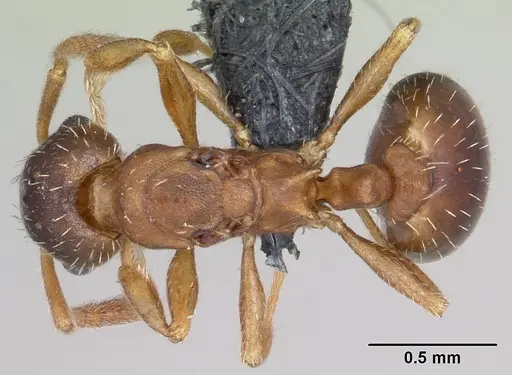
CASENT0070308
View on AntWeb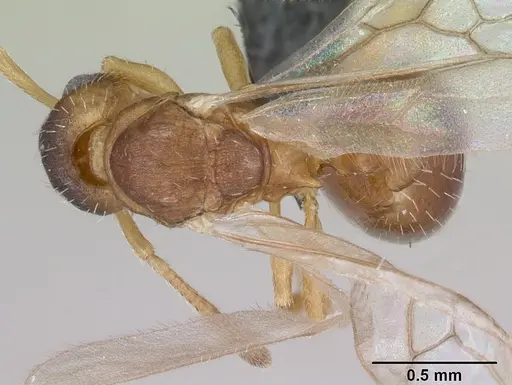
CASENT0070309
View on AntWeb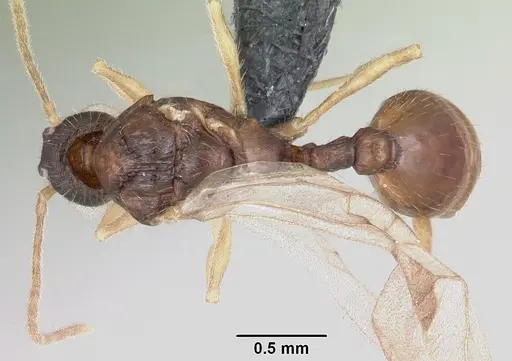
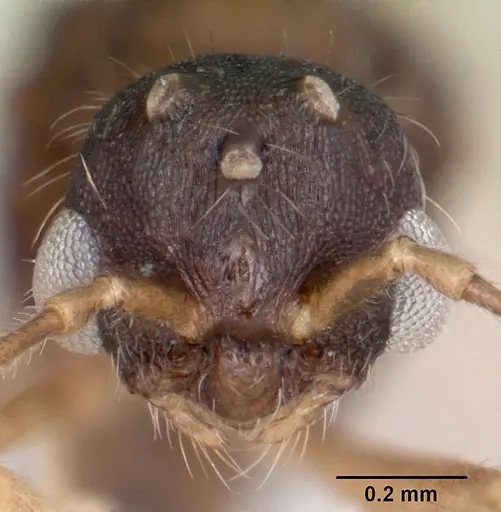
CASENT0104848
View on AntWeb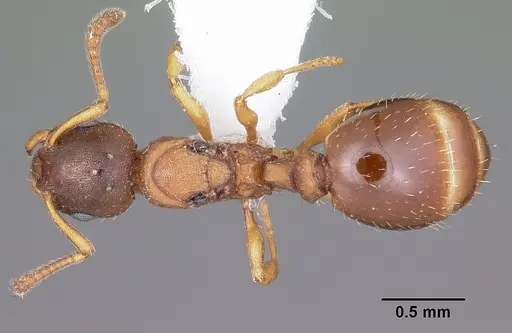
CASENT0901775
View on AntWeb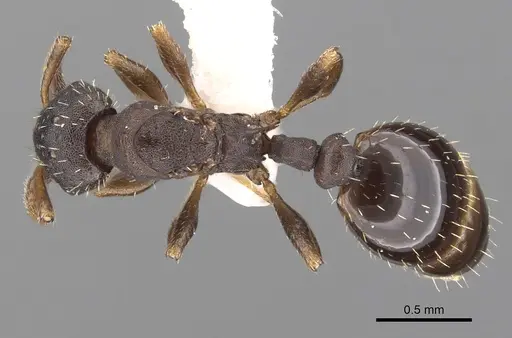
Literature
Loading distribution map...Loading products...