
Leptothorax sphagnicola
- Sci. Name
- Leptothorax sphagnicola
- Tribe
- Crematogastrini
- Subfamily
- Myrmicinae
- Author
- Francoeur, 1986
- Distribution
- Found in 1 countries
Introduction
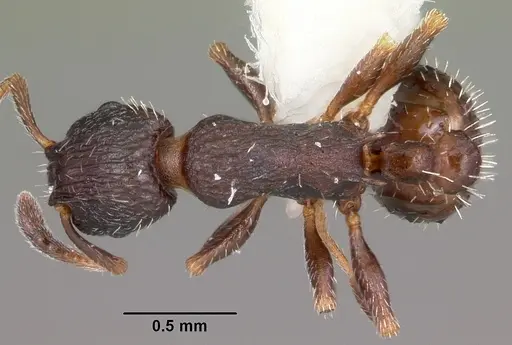
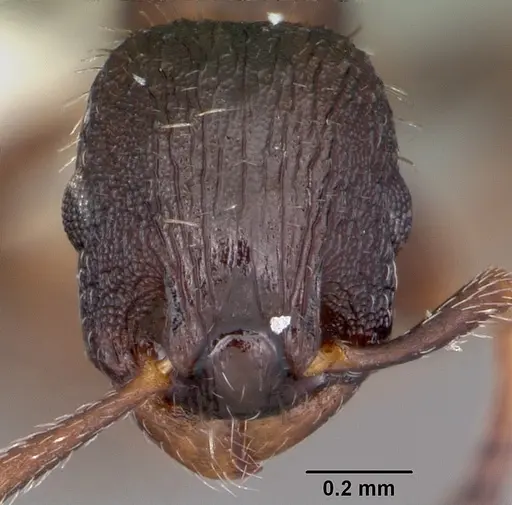
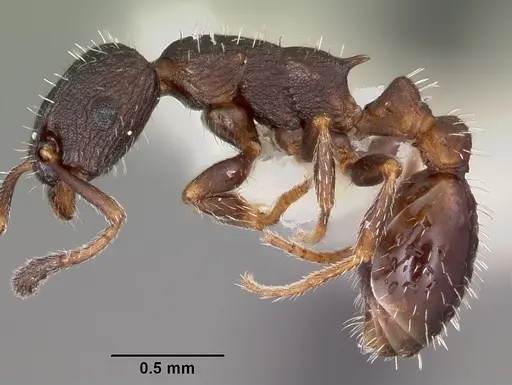
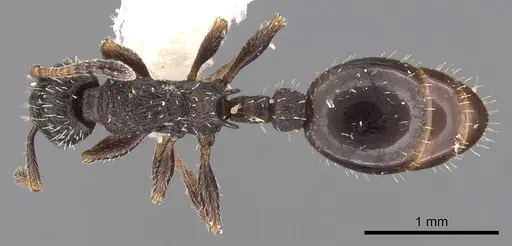
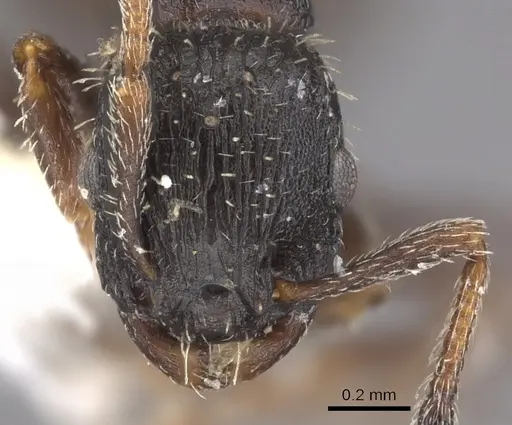
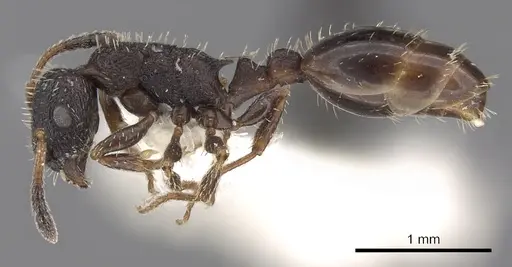
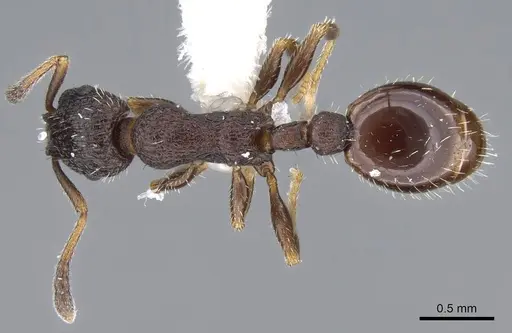
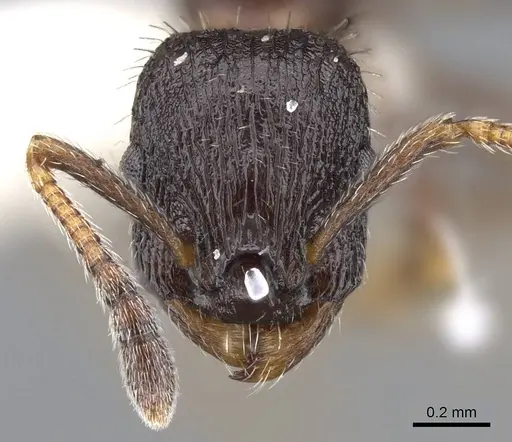
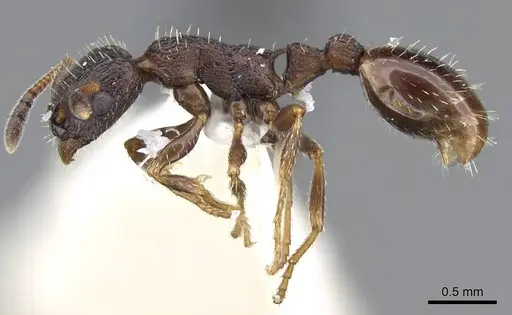
Leptothorax sphagnicola is a tiny boreal ant species native to northeastern North America, specifically found in Canada's spruce bogs and peat bogs. This species has a fascinating social structure - it exhibits queen polymorphism, meaning colonies can produce two types of queens: intermorphs (wingless queens that look like a mix between workers and full queens) and gynomorphs (fully winged queens). Colonies are remarkably small, usually containing only 4-10 adults, making them one of the smallest ant colonies you'll encounter in captivity . They build their nests inside Sphagnum moss hummocks, creating sac-like chambers lined with chewed moss fragments at a depth of 3-5 cm .
Quick Summary
- Difficulty: Medium
- Origin & Habitat: Boreal spruce bogs and ombrotrophic peat bogs in eastern Canada (Quebec, New Brunswick). This is a bog specialist restricted to northeastern North America [2][3].
- Colony Type: Facultatively polygynous but functionally monogynous, colonies can have multiple queens but only one egg-laying queen at a time. Additional mated queens (intermorphs or gynomorphs) may be present as 'supernumerary' replacement candidates [1].
- Size & Growth:
- Queen: size data unavailable
- Worker: size data unavailable
- Colony: Very small, mean 7.5 adults, median 4.5,maximum 42-49 individuals per colony [1]
- Growth: Slow, small colony size and boreal origin suggest slow development
- Development: unconfirmed (Laboratory rearing was less successful than with other leptothoracines, colonies required high humidity which led to mold growth [1].)
- Antkeeping:
- Temperature: Keep cool, this is a boreal species from cold spruce bogs. Room temperature (18-22°C) is likely ideal. Avoid heating elements.
- Humidity: High humidity is critical. These ants live in Sphagnum moss bogs and require consistently moist conditions. Keep the nest substrate damp but not waterlogged. Expect mold issues if ventilation is poor [1].
- Diapause: Likely yes, based on boreal origin, they probably require a winter dormancy period of 3-4 months at cold temperatures.
- Nesting: Prefers naturalistic setups with damp moss or peat substrate. A Y-tong or plaster nest with added damp sphagnum works well. The key is maintaining high humidity without stagnation. Tight chambers scaled to their tiny size are essential.
- Behavior: This is a calm, non-aggressive species. Workers are small and docile. They are not known for stinging and pose no danger to keepers. Their tiny size means escape prevention must be excellent, they can slip through standard test tube cotton and tiny gaps. Colonies are very small and slow-growing, so patience is essential.
- Common Issues: high humidity causes mold growth in captivity, balance humidity with ventilation [1], tiny colony size means slow growth and high mortality risk from minor stressors, very small worker size makes escape prevention critical, use fine mesh barriers, difficult to rear in laboratory conditions compared to other Leptothorax species [1], rare species with limited availability, wild colonies are small and difficult to locate [2]
Housing and Nest Setup
Leptothorax sphagnicola requires a setup that mimics their natural bog habitat. Use a naturalistic setup with damp sphagnum moss or peat as the substrate. A Y-tong nest or plaster nest works well, just ensure you can maintain high humidity without the substrate becoming waterlogged. The nest chambers should be small and tight-fitting since these are tiny ants. Add a water reservoir to maintain moisture over time. Cover part of the outworld with a damp cloth or paper towel to increase humidity around the nest. Avoid fully sealed setups that trap stale air, some ventilation is necessary to prevent mold, but not so much that the setup dries out [1].
Feeding and Diet
Like other Leptothorax species, these ants are likely omnivorous. Offer small protein sources like fruit flies, pinhead crickets, or tiny mealworms. Due to their small size, prey items must be very small. Sugar water or honey can be offered occasionally, but protein should be the primary food. Feed sparingly, small colonies don't need much food, and excess food quickly becomes moldy in the humid setup they require. Remove uneaten prey after 24-48 hours.
Temperature and Seasonal Care
This is a cold-adapted boreal species. Keep the nest area cool, room temperature (18-22°C) is usually appropriate. Avoid any heating elements, as overheating can be fatal. During winter, provide a true hibernation period at 5-10°C for 3-4 months. Place the colony in an unheated garage or refrigerator during this time. Do not skip hibernation, it is likely essential for colony health and sexual production. In spring, gradually warm the colony back to room temperature [1].
Colony Structure and Queen Polymorphism
Leptothorax sphagnicola has one of the most complex social structures among ants. Colonies are facultatively polygynous, they can have multiple queens, but only one actually lays eggs at a time (functional monogyny). The fascinating part is queen polymorphism: colonies produce two types of females. Intermorphs are wingless queens that look like a mix between workers and full queens, these are the most common reproductive females in the wild. Gynomorphs are fully winged queens that can disperse to found new colonies. Both types can be reproductive, but colonies also contain 'supernumerary' queens, mated females that don't lay eggs, ready to take over if the primary queen dies. This mixed strategy helps the species survive in patchy bog habitats where dispersal is difficult [1][4].
Handling and Temperament
These are gentle, non-aggressive ants. Workers are tiny and unlikely to sting. They are calm and slow-moving. The main challenge for keepers is their small size, they can escape through the tiniest gaps. Use fine mesh on any ventilation holes, and ensure all connections are tight. When observing or transferring, work slowly and carefully. These ants are not defensive and won't attack if the nest is opened. However, their small size makes them easy to lose during transfers, so use white paper or surfaces to spot them.
Common Problems and Solutions
Mold is the biggest problem with this species. Their high humidity requirements create perfect conditions for mold growth. Use minimal food that is removed promptly, provide some ventilation, and consider adding a small amount of antifungal agent to the water reservoir if mold becomes a problem. Slow growth is another issue, don't panic if your colony seems stagnant for months. These are naturally tiny colonies. Avoid the temptation to overfeed or increase temperature, both can cause problems. Finally, obtaining this species is difficult since it's rare in the wild and rarely available in the antkeeping hobby [1][2].
Frequently Asked Questions
How long does it take for Leptothorax sphagnicola to produce first workers?
Exact development time is unconfirmed. Expect slower development than typical ants due to their boreal origin and cold habitat preferences. Laboratory rearing proved challenging with this species [1].
Can I keep multiple Leptothorax sphagnicola queens together?
Yes, this species is facultatively polygynous, colonies can have multiple queens. However, only one queen will actually lay eggs (functional monogyny). Other queens are 'supernumerary', mated but not laying, ready to replace the primary queen if she dies.
What size colony does Leptothorax sphagnicola reach?
Very small, wild colonies average only 4-10 adults, with maximums around 40-50 individuals. This is one of the smallest colony sizes in the antkeeping hobby. Don't expect large colonies [1].
Do Leptothorax sphagnicola ants sting?
No, these ants are not known for stinging and pose no danger to keepers. They are small, docile, and calm-tempered.
What temperature do Leptothorax sphagnicola need?
Keep them cool, room temperature (18-22°C) is appropriate for this boreal species from cold spruce bogs. Avoid heating the nest.
Do Leptothorax sphagnicola need hibernation?
Yes, as a boreal species, they require a winter dormancy period. Provide 3-4 months of cold (5-10°C) during winter. This is essential for colony health and likely triggers sexual reproduction.
Why are my Leptothorax sphagnicola dying in captivity?
The most common cause is mold from excessive humidity. Ensure some ventilation while maintaining damp conditions. Also check for escape, their tiny size means they can slip through gaps you might miss. Finally, ensure temperatures are cool, they don't tolerate warmth [1].
Are Leptothorax sphagnicola good for beginners?
No, this species is considered intermediate to advanced. Their high humidity requirements, susceptibility to mold, slow growth, and tiny colony size make them challenging. They require more attention to humidity balance than many ants [1].
What do Leptothorax sphagnicola eat?
Offer small protein sources like fruit flies, tiny crickets, or small mealworms. Sugar water or honey can be offered occasionally. Remove uneaten food promptly to prevent mold in the humid setup.
When should I move Leptothorax sphagnicola to a formicarium?
Wait until the colony has at least 10-15 workers and is clearly established. Given their small colony size, this may take over a year. Start with a small setup, they don't need much space.
How do I identify Leptothorax sphagnicola queens?
Look for intermorphs (wingless, intermediate between worker and full queen) or gynomorphs (fully winged or dealate). Intermorphs are the most common reproductive form in the wild. They are larger than workers but lack full queen wings [1].
Report an Issue
The current care sheet is based fully on literature. See inconsistencies, or something that's incorrect? Please , it will be resolved after review from an admin. Contributing to the blogs tab also helps providing information, to make us be able to further improve the caresheets. Thank you for your support!
References

This caresheet is licensed under CC BY-SA 4.0 .
Community Blogs
Literature
Loading distribution map...Loading products...