
Leptothorax gredleri
- Sci. Name
- Leptothorax gredleri
- Tribe
- Crematogastrini
- Subfamily
- Myrmicinae
- Author
- Mayr, 1855
- Distribution
- Found in 11 countries
Introduction
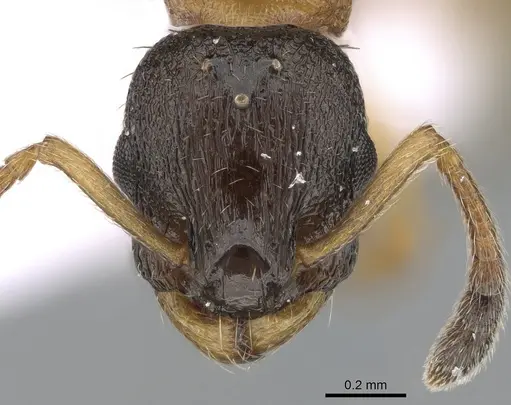
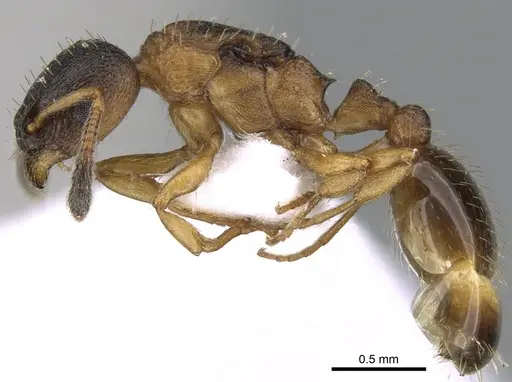
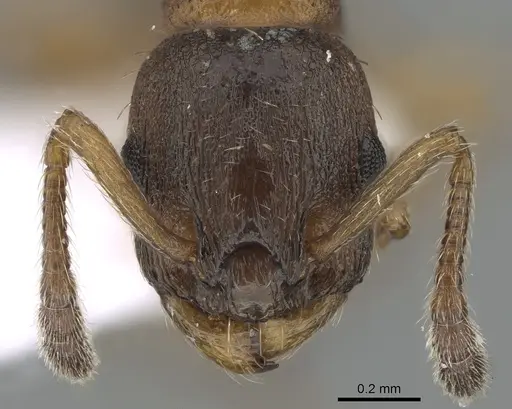
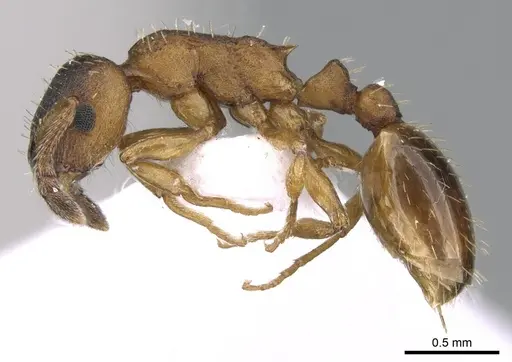
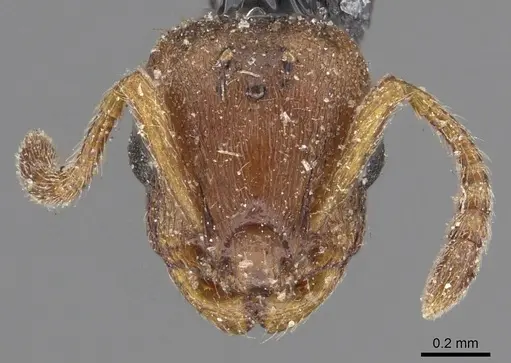
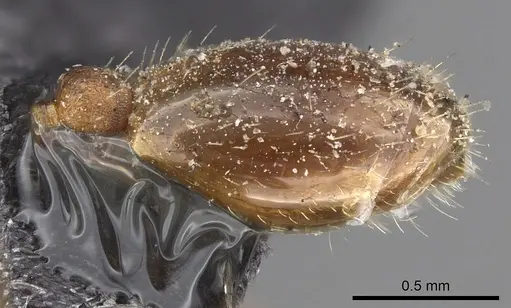
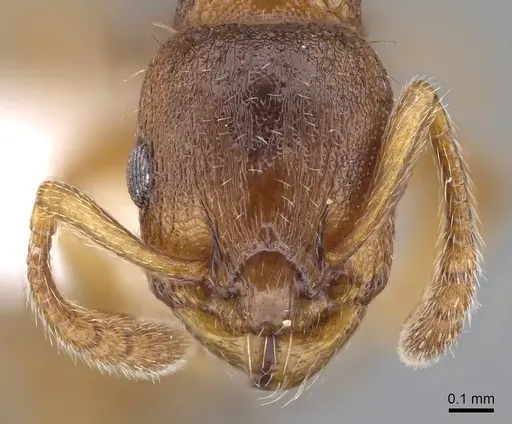
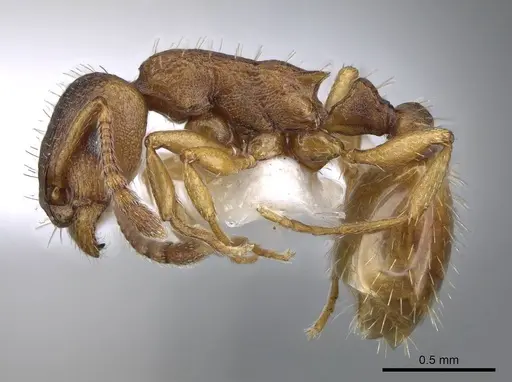
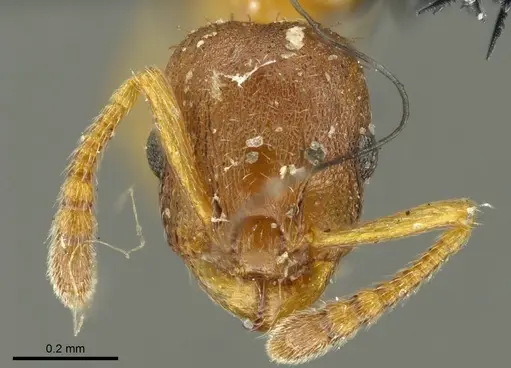
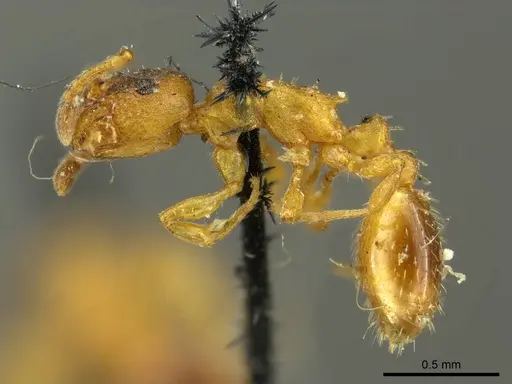
Leptothorax gredleri are tiny ants with workers measuring 2.7-3.5 mm and queens reaching 3-3.7 mm . They have a yellowish-brown to ochre coloration with a smooth, shiny clypeus that distinguishes them from their close relative Leptothorax muscorum . These ants inhabit moist deciduous and mixed forests across Central Europe, from Spain and France eastward to Russia's North Caucasus, and north to Sweden and Norway . They nest in small cavities under bark, in rotting branches, dead wood, and occasionally hollow acorns close to the ground . Their most fascinating trait is 'functional monogyny' - colonies can contain up to six queens, but only one reproduces while subordinates wait as replacements, leading to fierce dominance battles in spring . Their mating is unique: virgin queens practice 'female calling' by climbing vegetation and releasing pheromones to attract males .
Quick Summary
- Difficulty: Medium
- Origin & Habitat: Central European deciduous and mixed forests, particularly moist shady woodlands, riparian forests, and pine forests in Austria, Germany, Poland, and surrounding regions [13][9][14].
- Colony Type: Functionally monogynous, colonies can contain 1-6 queens, but only one reproduces while subordinates wait as replacements [10][8].
- Size & Growth:
- Antkeeping:
- Temperature: Cool-loving species preferring 10-15°C soil temperatures, keep at 15-20°C in summer with a gradient, and hibernate at 0-10°C [16][17][11].
- Humidity: High humidity required, nest substrate should feel damp but not waterlogged, mimicking moist forest floor conditions [13][8].
- Diapause: Yes, requires 8-10 weeks of winter rest at 0-10°C to complete their annual cycle properly [11].
- Nesting: Small cavities under bark, in dead wood, or Y-tong nests with very small chambers (5-10mm), avoid large open spaces [8][9].
- Behavior: Peaceful toward humans but queens are aggressive toward each other in spring, workers form dominance hierarchies through antennation and biting [11]. Tiny size makes escape prevention critical, they can squeeze through minute gaps [13].
- Common Issues: escape prevention is critical, at 2.7-3.5mm they squeeze through the tiniest gaps in mesh and lids., desiccation kills quickly, they require consistently moist substrate and will not tolerate dry conditions., queen fights can cause injury or death in spring when dominance hierarchies are established after hibernation., overheating, they prefer cool conditions and suffer in temperatures above 25°C., colonies often fail if hibernation is skipped or too warm, they need true winter cold to reset their annual cycle.
Nest Preferences and Setup
In nature, Leptothorax gredleri nests in small preformed cavities under bark, in rotting branches, dead wood on the forest floor, and occasionally in hollow acorns [8][9]. They prefer moist, shady deciduous forests and riparian woodlands with plenty of woody debris [13][14]. For captive housing, replicate these tight spaces. Y-tong (AAC) nests with narrow chambers 5-10mm across work well, as do naturalistic setups with flat stones, bark pieces, and rotting wood. The nest must maintain high humidity, the substrate should feel damp to the touch but not soggy [13]. Because they are ground-level or sub-bark nesters, avoid tall vertical setups, horizontal layouts with multiple small cavities better match their natural preferences. Excellent ventilation is still necessary to prevent mold, but balance this with humidity retention.
Temperature and Hibernation
These ants are oligothermic, meaning they prefer cool conditions. In their natural habitat, they select sites with mean soil temperatures of 10-15°C and maximums below 20°C [16][17]. For captive care, maintain them at 15-20°C during the active season (spring through autumn), ideally with a gentle gradient so they can choose cooler spots. They absolutely require hibernation, research colonies were kept for 10 weeks at 0-10°C with shorter day lengths to simulate winter [11]. Without this cold period, their annual cycle disrupts and colony health declines. Hibernation should occur from November to February at 0-10°C, gradually warming in spring when queens will begin their dominance interactions.
Social Structure and Queen Behavior
Leptothorax gredleri practices 'functional monogyny', a colony can contain one to six queens, but only the dominant queen lays eggs while the others remain as non-reproductive subordinates [10][8]. After hibernation, queens engage in violent antennation bouts and biting to establish a dominance hierarchy [11][18]. The top-ranking queen monopolizes reproduction, while subordinates may be attacked by workers or expelled from the nest [19]. Workers also form dominance hierarchies based on size, larger workers typically rank higher and have more developed ovaries, though they rarely lay eggs while the queen is present [11]. Queens may also use chemical warfare: they besmear opponents with Dufour gland secretions, which elicit aggression from workers [19][20]. If the dominant queen dies, a subordinate can take over, making the colony resilient despite the internal conflict.
Mating and Colony Founding
Nuptial flights occur from July to August [2][3]. Unlike many ants that mate in swarms, Leptothorax gredleri queens practice 'female calling', virgin queens climb grass stems or vegetation near their natal nest, raise their abdomen, and release droplets of poison gland secretion containing sex pheromones to attract passing males [12][10][21]. Males land nearby and approach while antennating the female's head before copulation, which lasts about 50-66 seconds on average [10][22]. After mating, young queens have three options: founding a nest alone, seeking adoption into another colony, or returning to their natal nest [12]. However, queens returning to their own nest are often killed by workers within eight weeks, so adoption into unrelated colonies or independent founding is more successful [12]. Queens can mate with multiple males but only use sperm from one male to fertilize their eggs [10][23].
Feeding and Diet
Leptothorax gredleri are generalist predators and scavengers typical of the genus. In captivity, feed them small live prey appropriate to their tiny size, fruit flies, springtails, and very small mealworm pieces. They also accept sugar sources such as honey water or sugar water diluted to 1:4 ratio. Because of their small colony size, offer small amounts frequently rather than large prey items that could mold. Remove uneaten protein within 24-48 hours to maintain nest hygiene. [12]
Frequently Asked Questions
Can I keep multiple Leptothorax gredleri queens together?
Technically yes, but they will establish a dominance hierarchy where only one queen reproduces. The queens will fight aggressively in spring after hibernation to determine who lays eggs, and subordinates may be injured or expelled by workers. This is called functional monogyny, multiple queens coexist but only one actually produces offspring [10][11].
Do Leptothorax gredleri need hibernation?
Yes, absolutely. They require 8-10 weeks of winter rest at 0-10°C to complete their annual cycle. Without hibernation, colonies will fail to thrive and may die out. In nature they experience cold winters, and laboratory colonies were successfully maintained using artificial winter cycles of 10 weeks at 0-10°C [11].
How long until Leptothorax gredleri get their first workers?
The exact egg-to-worker timeline hasn't been documented, but based on related species, expect roughly 6-10 weeks at 20-25°C. Development is slower at cooler temperatures, which these ants prefer.
What is the best nest type for Leptothorax gredleri?
Small cavities that mimic their natural bark and dead wood nests. Use Y-tong (AAC) nests with narrow 5-10mm chambers, or naturalistic setups with flat stones, bark, and rotting wood. They need high humidity but good ventilation, and prefer horizontal spaces close to the ground level [8][9].
Are Leptothorax gredleri good for beginners?
No, they are better suited for intermediate keepers. Their tiny size (2.7-3.5mm) makes escape prevention extremely difficult, they require strict hibernation protocols, and need consistently high humidity without mold. Their slow growth and small colony size also require patience [13][11].
Do Leptothorax gredleri ants sting?
They possess a sting but are too small to penetrate human skin effectively. They are not considered dangerous to humans and show no defensive stinging behavior toward keepers.
Why are my Leptothorax gredleri queens fighting?
This is normal behavior for this species. In spring after hibernation, queens establish a dominance hierarchy through aggressive interactions including biting and antennation bouts. Only the top queen will reproduce. If the fighting seems excessively violent, ensure the enclosure is large enough with multiple hiding spots, but some aggression is inevitable and necessary for their social structure [11][18].
How do Leptothorax gredleri mate in captivity?
They practice 'female calling' where virgin queens climb vegetation and release pheromones to attract males. In captivity, this requires a flight cage with vegetation or sticks for queens to climb, and good air circulation for pheromone dispersal. Mating typically occurs mid-morning around 10:00-12:00 [10][12].
What temperature should I keep Leptothorax gredleri at?
Keep them cool, around 15-20°C during the active season. They prefer temperatures below 20°C and suffer in heat above 25°C. Create a gradient if possible so they can choose cooler spots. They absolutely must have a winter hibernation period at 0-10°C [16][11].
Report an Issue
The current care sheet is based fully on literature. See inconsistencies, or something that's incorrect? Please , it will be resolved after review from an admin. Contributing to the blogs tab also helps providing information, to make us be able to further improve the caresheets. Thank you for your support!
References

This caresheet is licensed under CC BY-SA 4.0 .
Community Blogs
CASENT0179904
View on AntWeb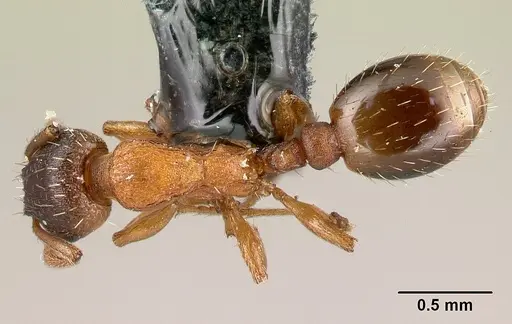
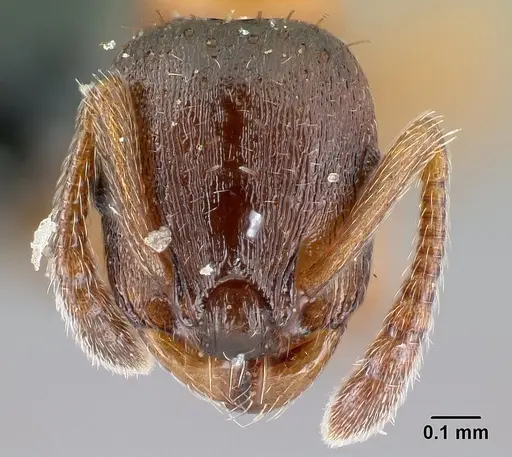
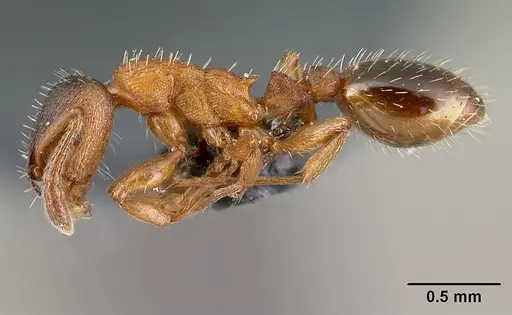
CASENT0281541
View on AntWeb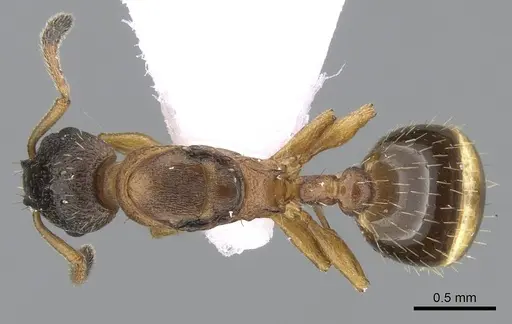
CASENT0281542
View on AntWeb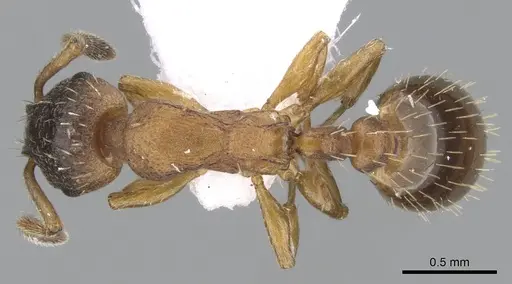
CASENT0901772
View on AntWeb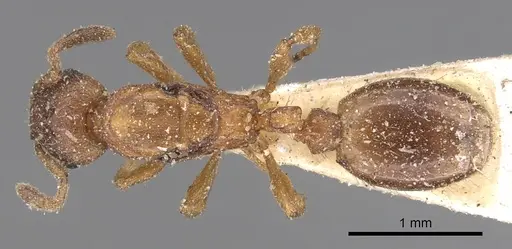
CASENT0914976
View on AntWeb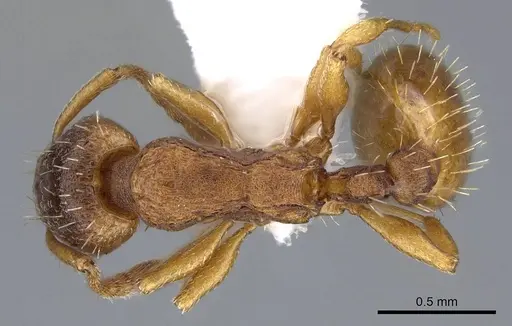
CASENT0919747
View on AntWeb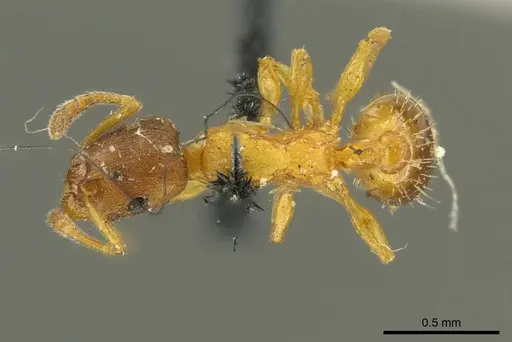
Literature
Loading distribution map...Loading products...