
Northern Thin Ant
Leptothorax canadensis
- Sci. Name
- Leptothorax canadensis
- Tribe
- Crematogastrini
- Subfamily
- Myrmicinae
- Author
- Provancher, 1887
- Common Name
- Northern Thin Ant
- Distribution
- Found in 2 countries
Introduction
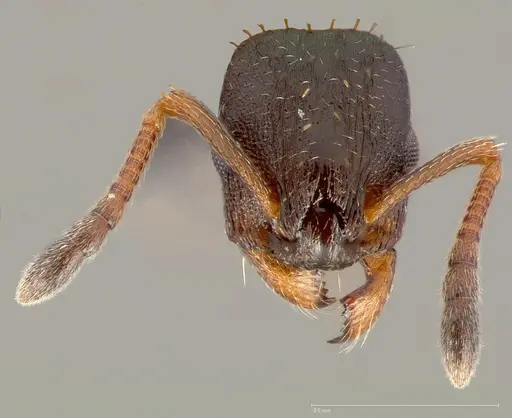
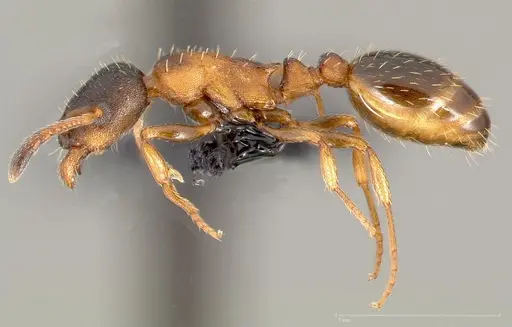
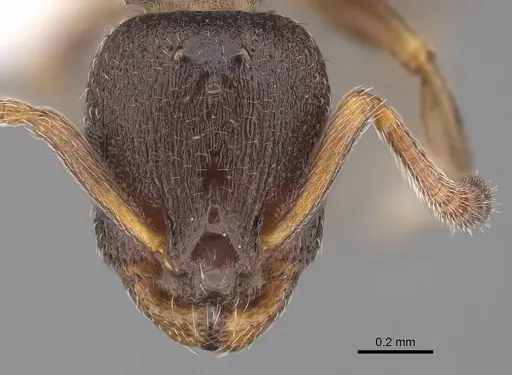
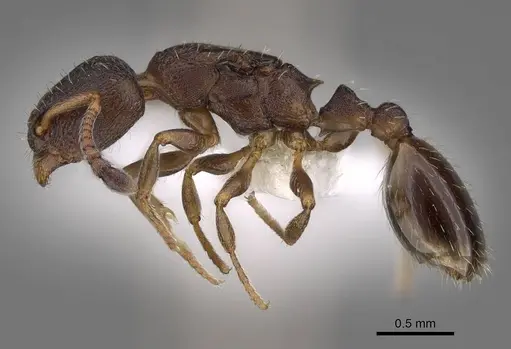
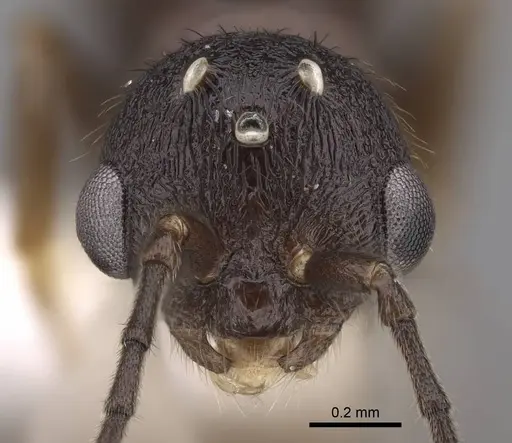
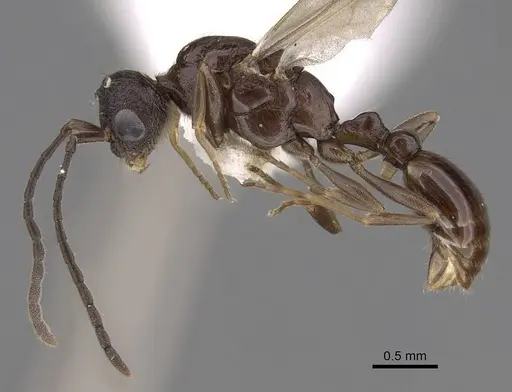
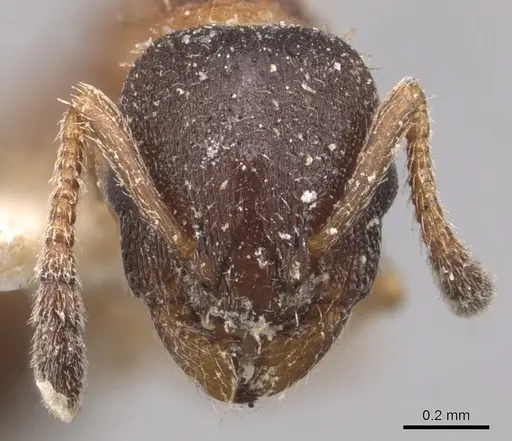
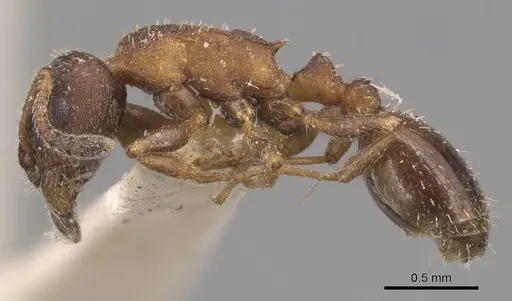
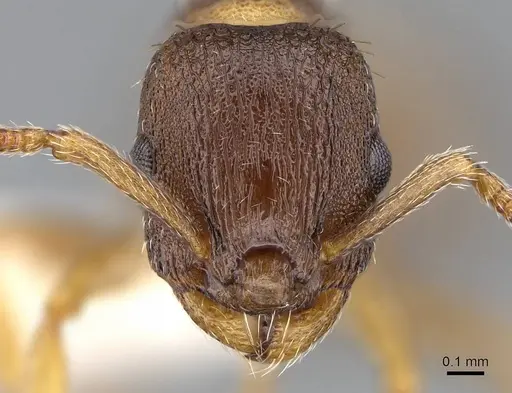
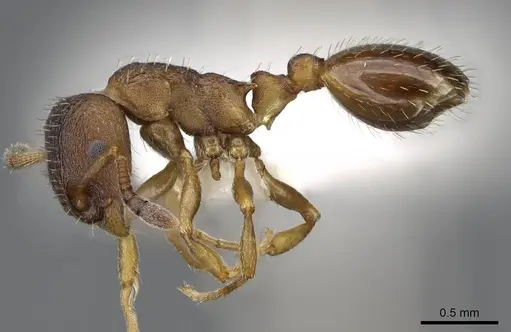
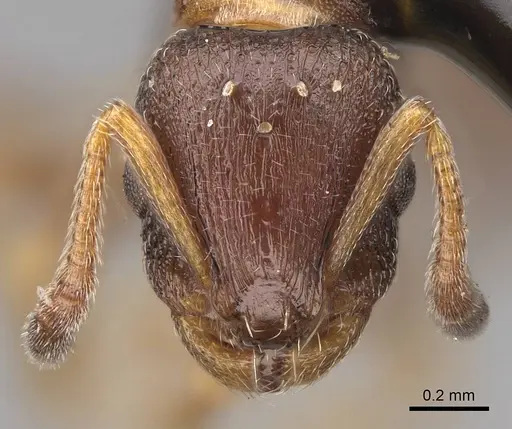
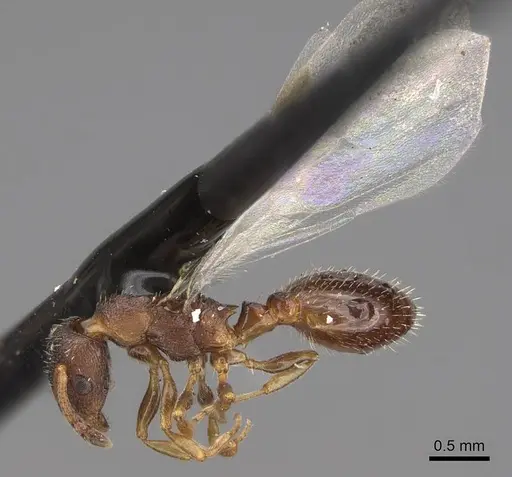
Workers of Leptothorax canadensis are tiny, measuring just 2.5-3.5 mm in total length with a slender build . They display a distinctive rough texture across the top and sides of their middle body section, waist, and abdomen that looks like tiny grains under magnification, along with short, blunt-tipped hairs . Their color ranges from brown to blackish. This is a boreal species found across Canada, Alaska, and the northern United States, including high alpine areas up to 12,000 feet in Colorado . What makes this species particularly interesting is its flexible social structure and its unfortunate role as a target for slavery. Unlike many ants that strictly have one queen, colonies can contain anywhere from one to eight queens simultaneously . They are also the primary host for the slave-making ant Harpagoxenus canadensis, meaning wild colonies may contain infiltrators that kill the host queen and steal brood to raise as slaves . In nature, they show remarkable tolerance, often sharing rotting log nests with unrelated ant species like Myrmica fracticornis and Tapinoma sessile .
Quick Summary
- Difficulty: Medium
- Origin & Habitat: Boreal forests, alpine meadows, and coniferous woodlands across Canada, Alaska, and the northern United States [4][3]. They specialize in nesting within coarse woody debris, rotting logs, branches, and twigs in moderate stages of decay, as well as under flat stones and in hollow stems [1][7].
- Colony Type: Facultatively polygyne, colonies can function with a single queen or multiple queens working together (documented with up to 8 queens) [5].
- Size & Growth:
- Queen: size data unavailable, inferred from genus Leptothorax (~4-5 mm)
- Worker: 2.5-3.5 mm [1][2].
- Colony: Up to 50 workers [1][5].
- Growth: Slow
- Development: unconfirmed, estimated 8-12 weeks based on related temperate Leptothorax species at 20-22°C. (Development likely slower at cooler boreal temperatures.)
- Antkeeping:
- Temperature: Keep at 18-22°C during the active season with a gentle gradient. This boreal species requires hibernation at 5-10°C for 3-4 months [4].
- Humidity: Moderate to moist. The nest substrate should feel damp to the touch but not waterlogged, mimicking rotting wood conditions [1][7].
- Diapause: Yes, required for this boreal/alpine species [4].
- Nesting: Small chambers in rotting wood or under flat stones. In captivity, use Y-tong nests with narrow chambers, small naturalistic setups with wood pieces, or test tubes for founding [1][7][3].
- Behavior: Generalist foragers found in both natural and disturbed habitats [8][9]. They are not aggressive and will share nest spaces with other ant species in the wild [3]. Their tiny size makes them excellent escape artists requiring excellent barriers.
- Common Issues: escape prevention is critical due to their 2.5-3.5 mm worker size allowing them to squeeze through tiny gaps [1]., wild-caught colonies may harbor the slave-making ant Harpagoxenus canadensis, which can kill the host queen and steal brood [4][6]., failure to provide hibernation will stress or kill this boreal species [4]., slow growth and small colony size make them vulnerable to overfeeding and subsequent mold outbreaks in confined nests.
Nest Preferences and Setup
In nature, Leptothorax canadensis is a specialist of coarse woody debris. They are the most abundant ant species colonizing dead wood in harvested forests, found in everything from large logs to tiny fragments just 10×15 cm in size [1][10]. They prefer wood in moderate stages of decay (decay class 2-3) and will also nest under flat stones or in hollow stems [7][3].
For captive colonies, replicate these small, humid spaces. Y-tong (autoclaved aerated concrete) nests with narrow chambers scaled to their 3 mm size work well. Naturalistic setups with pieces of rotting wood or flat stones over a moist substrate are also excellent. Avoid large open spaces, they prefer tight, secure chambers. Because they nest in small fragments, even a modest setup can house a colony comfortably.
Colony Structure: Keeping Multiple Queens
This species is facultatively polygyne, meaning you can keep multiple queens together. Wild colonies have been documented with 1,2,3,4,and even up to 8 queens living cooperatively [5]. Interestingly, queenless colonies containing only workers (12 observed in one case) have also been found, suggesting workers can maintain the nest for some time without a queen [5].
For keepers, this means you can start a colony with multiple queens to boost initial worker numbers, or introduce new queens to an existing colony. However, be cautious with wild-caught multi-queen colonies, see the section on slave-making parasites.
The Harpagoxenus Threat: Slave-making Parasites
Leptothorax canadensis is the primary host for Harpagoxenus canadensis, a slave-making ant that practices dulosis (stealing brood to raise as slaves) [4][6]. If you collect wild colonies, especially from Quebec or Alaska, you risk bringing home a parasitized colony.
Slave-making queens enter the host nest, kill the host queen, and take over. They have multiple queens in a colony (dependent colony founding) and rely on the host workers to raise their young [11]. Warning signs include: queens that look different from typical Leptothorax queens (often with different coloration or body shape), aggressive behavior from certain workers that seem to dominate the colony, or finding multiple queens in a small, young colony. If you suspect parasitism, isolate suspicious individuals immediately.
Temperature and Hibernation
As a boreal species found as far north as 69° latitude and at elevations up to 12,000 feet, Leptothorax canadensis experiences harsh winters [4][3]. They require a hibernation period (diapause) to complete their annual cycle.
Keep the colony at 18-22°C during spring and summer, with a gentle heat gradient if possible. When autumn approaches, gradually lower the temperature over several weeks until they reach 5-10°C. Maintain them at this temperature for 3-4 months in a dark place. Do not let them freeze solid, but they can handle cool refrigerator temperatures. Resume normal temperatures in spring when you observe increased activity.
Feeding and General Care
These are generalist foragers that thrive in both natural and disturbed habitats [8][9]. Feed small prey appropriate to their size, springtails, fruit flies, or tiny pieces of mealworms. Offer sugar water or honey water in small drops.
Because colonies remain small (few dozen workers), feed conservatively. A single fruit fly or a few springtails per week is sufficient for a young colony. Remove uneaten food promptly to prevent mold in their humid nest environment. Their small size means they have minimal food requirements, but consistent protein is necessary for brood development.
Frequently Asked Questions
Can I keep multiple queens together in a Leptothorax canadensis colony?
Yes, this species is facultatively polygyne. Colonies in the wild have been found with up to 8 queens working together [5]. You can start with multiple queens or introduce new ones to an existing colony.
Do Leptothorax canadensis need hibernation?
Yes, they require hibernation. This is a boreal species from Canada and Alaska that experiences cold winters. Hibernate them at 5-10°C for 3-4 months [4].
What is the best nest type for Leptothorax canadensis?
Use nests with small chambers that mimic rotting wood or spaces under stones. Y-tong nests with narrow passages or naturalistic setups with wood pieces work well [1][7].
How big do Leptothorax canadensis colonies get?
They remain small, typically reaching only a few dozen workers (usually under 50) [1][5].
Are Leptothorax canadensis good for beginners?
They are not ideal for absolute beginners. Their tiny size (2.5-3.5 mm) requires excellent escape prevention, they grow slowly, and they require hibernation [1].
How long does it take for Leptothorax canadensis to develop from egg to worker?
Exact timing is unconfirmed. Based on related temperate Leptothorax species, expect roughly 8-12 weeks at 20-22°C.
Why does my wild-caught Leptothorax canadensis colony have multiple queens?
While this species naturally accepts multiple queens, be aware they are common hosts for the slave-making ant Harpagoxenus canadensis, which also has multiple queens [4][6]. Check that your queens are actually Leptothorax and not parasitic slave-makers.
Can Leptothorax canadensis sting?
They are too small to effectively sting humans.
What do Leptothorax canadensis eat?
They are generalist foragers. Offer small live prey like springtails or fruit flies, and sugar water [8].
Where should I look to collect Leptothorax canadensis?
Look in rotting logs, under stones, and in coarse woody debris in boreal forests or alpine areas of Canada and the northern US [1][7][3].
Report an Issue
The current care sheet is based fully on literature. See inconsistencies, or something that's incorrect? Please , it will be resolved after review from an admin. Contributing to the blogs tab also helps providing information, to make us be able to further improve the caresheets. Thank you for your support!
References

This caresheet is licensed under CC BY-SA 4.0 .
Community Blogs
CASENT0005682
View on AntWeb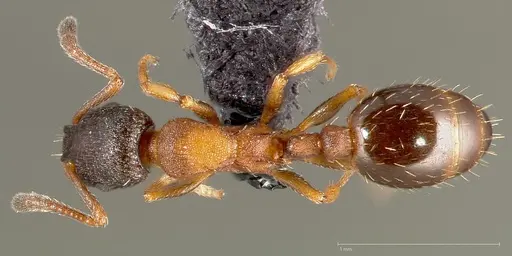
CASENT0006568
View on AntWeb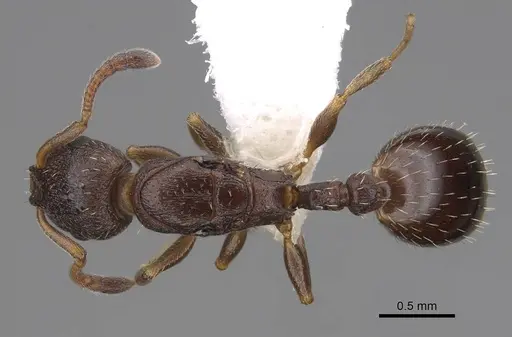
CASENT0862003
View on AntWeb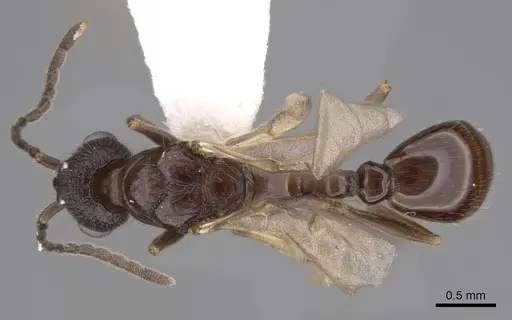
CASENT0904770
View on AntWeb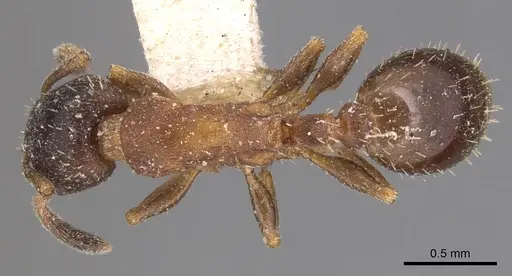
CASENT0914978
View on AntWeb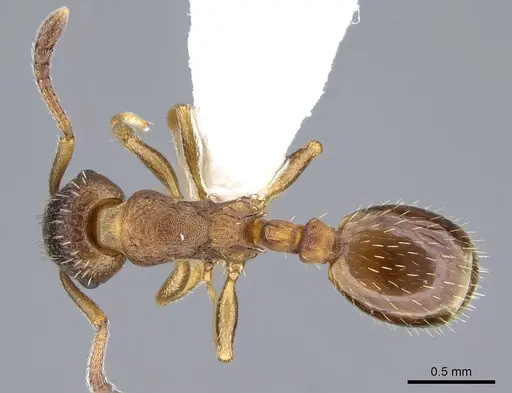
CASENT0923065
View on AntWeb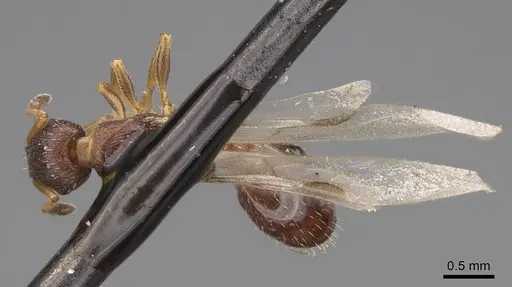
Literature
Loading distribution map...Loading products...