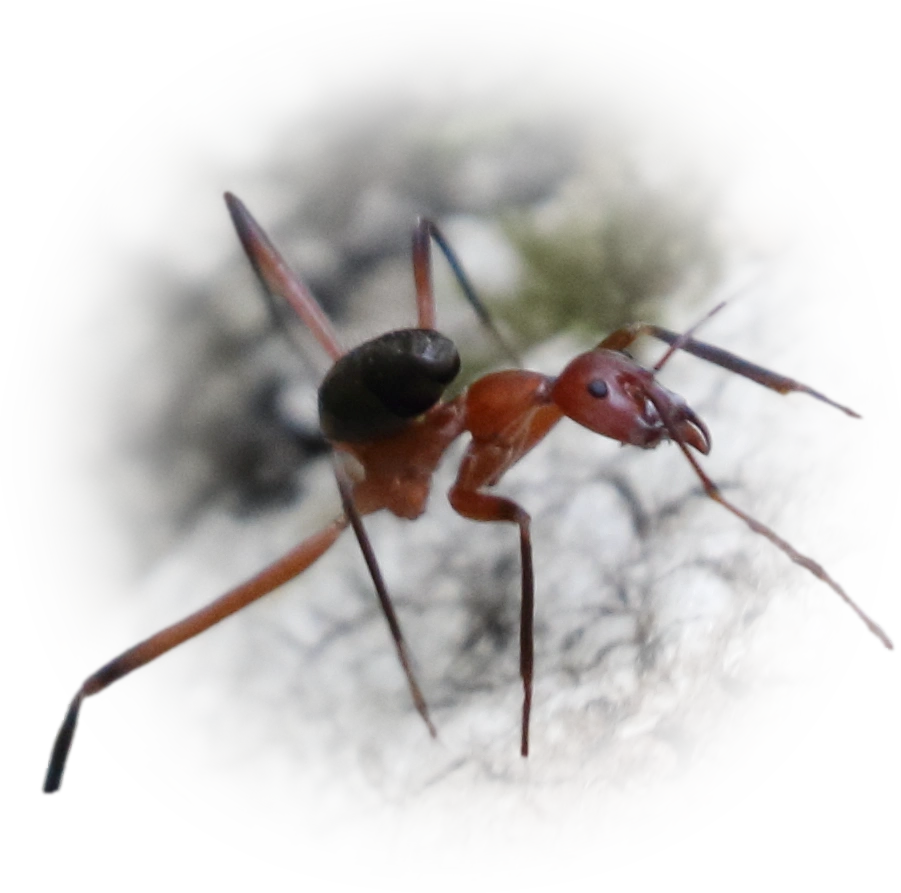
Leptomyrmex tibialis
- Sci. Name
- Leptomyrmex tibialis
- Tribe
- Leptomyrmecini
- Subfamily
- Dolichoderinae
- Author
- Emery, 1895
- Distribution
- Found in 1 countries
Introduction
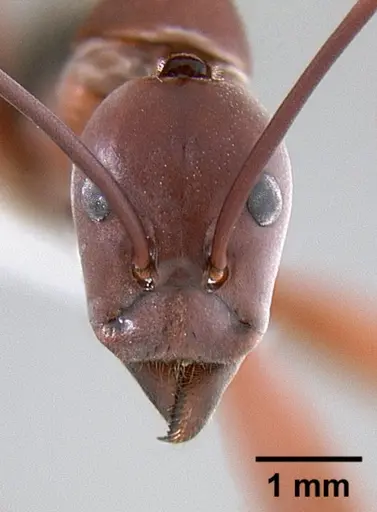
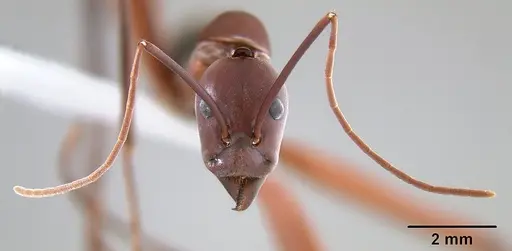
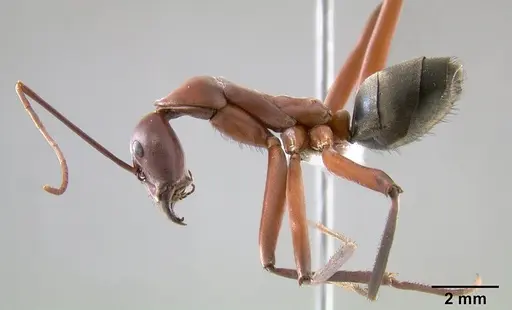
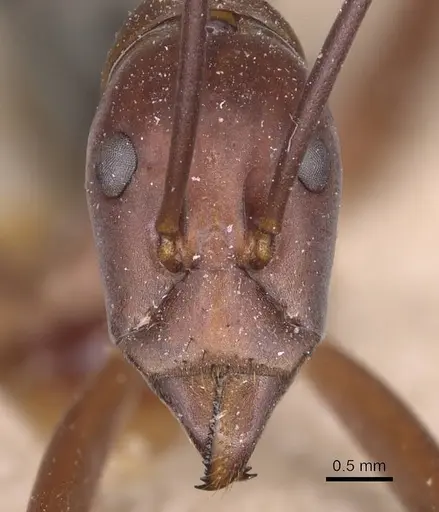
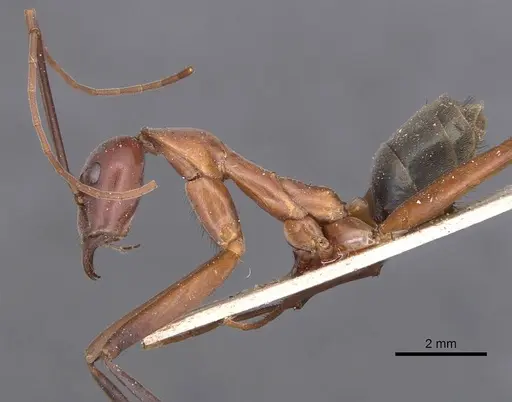
Leptomyrmex tibialis is the largest species in the spider ant genus, native to eastern Australia . These ants have a distinctive appearance with a mostly reddish-brown (rufotestaceous) body, black gaster, black tibiae, and black tips on their femora - this dark tibial coloration distinguishes them from their close relative L. nigriventris which has pale tibiae . Their elongated, spider-like morphology gives the genus its common name. Found only in New South Wales and southeastern Queensland, these ants nest in cavities in live or dead trees and in soil at tree bases, thriving in rainforests, wet sclerophyll, and dry sclerophyll habitats .
Quick Summary
- Difficulty: Medium
- Origin & Habitat: Eastern Australia (New South Wales and southeastern Queensland). Found in rainforest, wet sclerophyll, and dry sclerophyll forests. Nests in cavities in live or dead trees, and in soil at tree bases [1][2].
- Colony Type: Unconfirmed, colony structure has not been directly studied in scientific literature.
- Size & Growth:
- Queen: Larger than workers, with broader head and voluminous mesosoma [1]. Exact total length data unavailable.
- Worker: Approximately 15-20mm total length, inferred from Leptomyrmex genus patterns (mesosoma length 4.5-5.1mm WL indicates large elongated body) [1].
- Colony: Unknown, no colony size data available in current research.
- Growth: Unknown, development timeline has not been directly studied.
- Development: Unconfirmed, no direct development data exists. (Development time is unconfirmed for this species.)
- Antkeeping:
- Temperature: Keep around 22-26°C. Based on their Australian distribution in temperate to subtropical forests, they prefer moderate temperatures.
- Humidity: Moderate to high. Their natural habitats include rainforest and wet sclerophyll. Keep substrate consistently moist but not waterlogged.
- Diapause: Likely yes, Australian temperate species typically require a winter rest period. Reduce temperatures to 15-18°C for 2-3 months during cooler season.
- Nesting: Naturally nests in tree cavities and soil at tree bases. In captivity, use a naturalistic setup with soil substrate and wooden structures. Provide climbing structures and vertical space since they have an elongated morphology.
- Behavior: Leptomyrmex ants are known for their distinctive long legs and spider-like appearance. They are generally not aggressive toward keepers but will defend their nest if threatened. Workers are active foragers. Their large size and active foraging mean escape prevention should be taken seriously, they are agile climbers. They may bite if provoked, though they lack a potent sting (Dolichoderinae subfamily lacks functional sting).
- Common Issues: colony size data is unknown, making it difficult to predict growth patterns and housing needs, development timeline is unconfirmed, so keepers must monitor colony progress without specific benchmarks, nesting preferences are specialized, they may not adapt well to standard test tube setups, Australian species may have specific seasonal requirements that differ from common pet ant species, wild-caught colonies may carry parasites or have difficulty adjusting to captive conditions
Appearance and Identification
Leptomyrmex tibialis is the largest species in the spider ant genus. Workers have a mesosoma length of 4.5-5.1mm and head width of 1.7-2.0mm, indicating a large elongated body approximately 15-20mm total length [1]. The most distinctive feature is their coloration: the majority of the body is reddish-brown (rufotestaceous), while the gaster, tibiae, and tips of the femora are black. This dark tibial coloration is the key way to tell them apart from their close relative L. nigriventris, which has pale tibiae. They also have a notably broad head and 10 or more standing hairs on the posterior face of the hind tibia [1]. The queen is larger than workers, with a broader head, three ocelli, and a voluminous mesosoma.
Natural Habitat and Distribution
This species is endemic to eastern Australia, found only in New South Wales and southeastern Queensland [1]. They inhabit a range of forest types including rainforest, wet sclerophyll, and dry sclerophyll. Within this range, they co-occur with their sister species L. nigriventris in the Dorrigo region of NSW [1]. Nests are established in cavities within living or dead trees, as well as in soil at the base of trees [1][2]. This arboreal and ground-nesting combination gives them flexibility in finding suitable nest sites. The species is part of a south-eastern Australian clade that diverged roughly 7 million years ago [3].
Housing and Nesting in Captivity
Based on their natural nesting habits, Leptomyrmex tibialis does best in setups that mimic their tree cavity and soil-based natural environment. A naturalistic terrarium with soil substrate, decaying wood pieces, and vertical structures for climbing works well. They are elongated ants that appreciate vertical space and climbing opportunities. If using an artificial nest, provide chambers scaled to their large size. Avoid overly compact test tube setups if possible, though they may adapt during founding. Ensure the setup has some humidity retention since they come from forested habitats.
Feeding and Diet
While specific feeding behavior has not been documented for L. tibialis, Leptomyrmex ants are generalist foragers in the wild. They likely hunt small invertebrates and arthropods, and like many dolichoderines, they probably tend aphids and other honeydew-producing insects. In captivity, offer a varied diet including small live prey and sugar sources. Their large size means they can handle bigger prey items than tiny ants. Protein should be offered regularly, especially for growing colonies.
Temperature and Seasonal Care
Keep Leptomyrmex tibialis at moderate temperatures around 22-26°C. Their Australian distribution spans temperate to subtropical regions, so they are adapted to seasonal temperature variations. During the warmer months, keep them warm and active with regular feeding. As temperatures drop in winter, reduce feeding frequency and provide a cooler period around 15-18°C for 2-3 months. This mimics their natural seasonal cycle. Do not let them freeze, but a cool winter rest helps maintain their natural rhythms.
Behavior and Temperament
Leptomyrmex ants have a distinctive long-legged, spider-like appearance and are generally active foragers. They are not typically aggressive toward keepers but will defend their nest if threatened. Their large size makes them more visible than many ant species. They are likely good climbers, so ensure your setup has secure barriers. While they lack a potent sting (Dolichoderinae lack functional stings), they may bite if threatened. Their main defense is chemical secretion from the abdominal tip, typical of their subfamily.
Frequently Asked Questions
How long does it take for Leptomyrmex tibialis to produce first workers?
The exact development timeline has not been scientifically documented for this species. Expect approximately 6-10 weeks from egg to first worker at optimal temperature. Large ant species often develop more slowly than smaller ones, so patience is key.
What size colony does Leptomyrmex tibialis reach?
Colony size data is not available in current scientific literature. As the largest Leptomyrmex species, they likely establish substantial colonies over time, but specific maximum worker counts have not been documented.
Can I keep multiple Leptomyrmex tibialis queens together?
The colony structure of this species has not been directly studied. Combining unrelated queens is not recommended since it has not been documented as successful.
What is the best nest type for Leptomyrmex tibialis?
Based on their natural nesting in tree cavities and soil, a naturalistic setup with soil substrate and wooden structures works best. They may also accept large nests with appropriately sized chambers. Provide climbing structures and vertical space.
Are Leptomyrmex tibialis good for beginners?
This species is rated as Medium difficulty. While not the most challenging ant species, they have specific habitat requirements and their exact care needs are not well-documented. Some experience with ant keeping is helpful.
Do Leptomyrmex tibialis need hibernation?
Based on their Australian distribution in temperate regions, they likely benefit from a winter rest period. Reduce temperatures to around 15-18°C for 2-3 months during the cooler season.
What do Leptomyrmex tibialis eat?
While not specifically documented, they likely accept small live prey and sugar sources. Their large size allows them to handle bigger prey than tiny ants. Offer protein regularly and keep sugar water available.
How big do Leptomyrmex tibialis workers get?
Workers are among the largest in the genus, with a mesosoma length of 4.5-5.1mm and head width of 1.7-2.0mm, indicating an elongated body approximately 15-20mm total length [1].
Where is Leptomyrmex tibialis found in the wild?
This species is endemic to eastern Australia, specifically New South Wales and southeastern Queensland. They live in rainforests, wet sclerophyll, and dry sclerophyll forests, nesting in tree cavities and soil at tree bases [1][2].
Report an Issue
The current care sheet is based fully on literature. See inconsistencies, or something that's incorrect? Please , it will be resolved after review from an admin. Contributing to the blogs tab also helps providing information, to make us be able to further improve the caresheets. Thank you for your support!
References

This caresheet is licensed under CC BY-SA 4.0 .
Community Blogs
CASENT0011722
View on AntWeb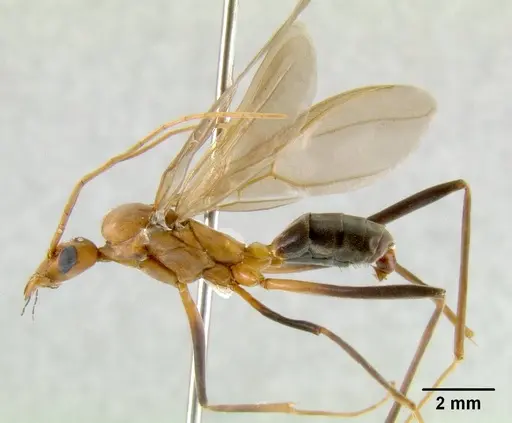
CASENT0012166
View on AntWeb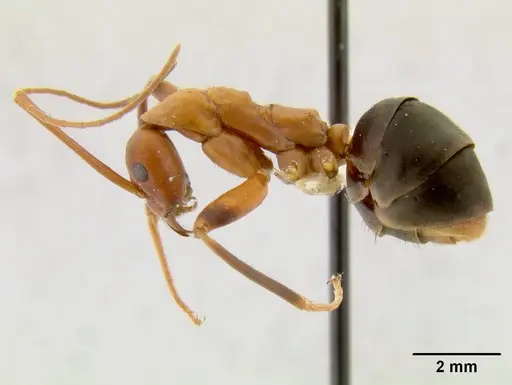
CASENT0127067
View on AntWeb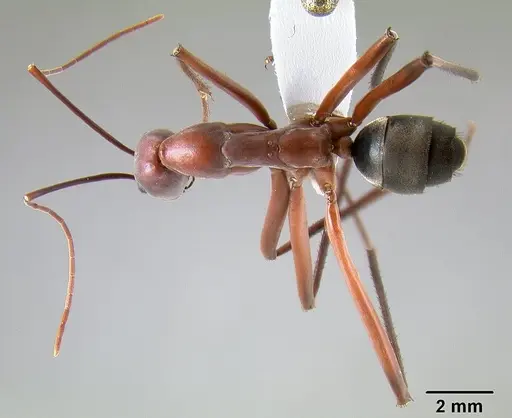
CASENT0127374
View on AntWeb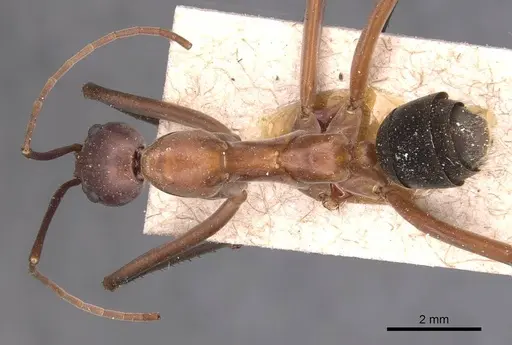
Literature
Loading distribution map...Loading products...