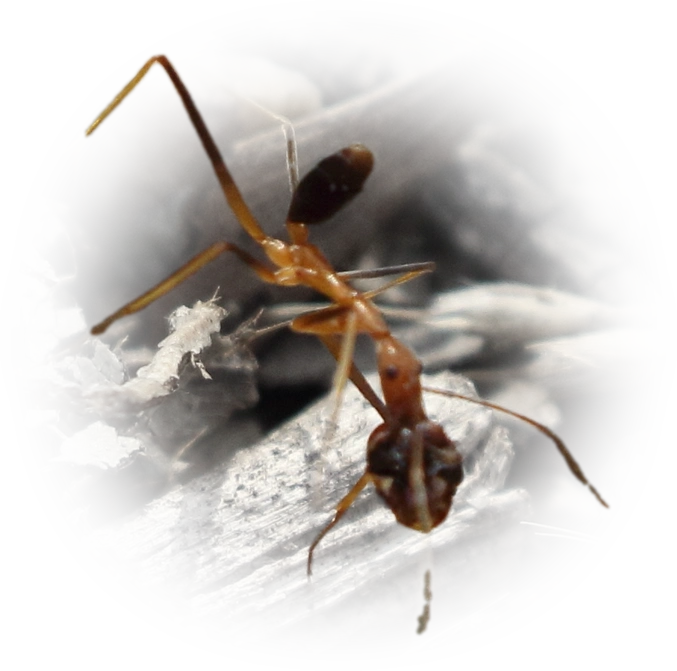
Leptomyrmex rufipes
- Sci. Name
- Leptomyrmex rufipes
- Tribe
- Leptomyrmecini
- Subfamily
- Dolichoderinae
- Author
- Emery, 1895
- Distribution
- Found in 1 countries
Introduction
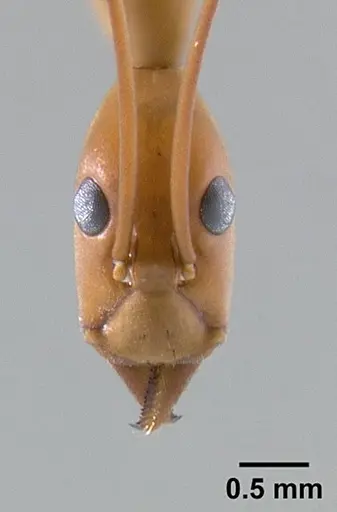
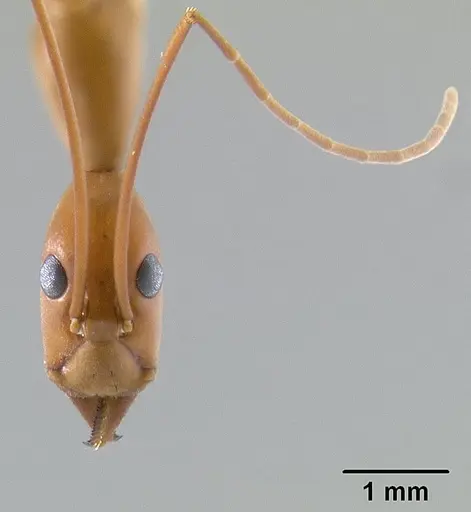
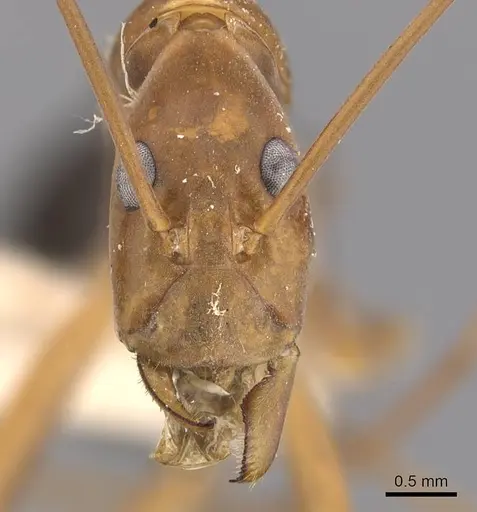
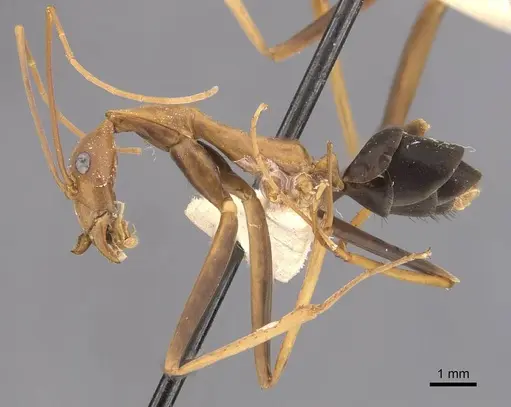
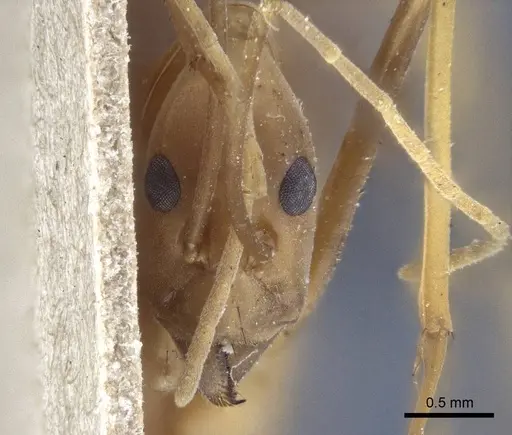
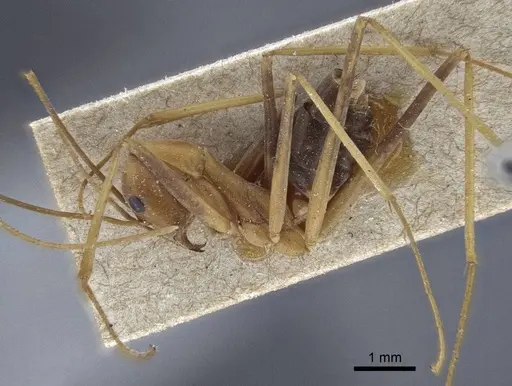
Leptomyrmex rufipes is a medium-sized ant species native to eastern Australia, known for its strikingly slender and long-limbed appearance. Workers feature a distinctive black gaster that contrasts sharply with their otherwise pale orange-red (rufotestaceous) head, mesosoma, and legs. The pale tibiae are a key identifying feature that separates this species from similar-looking relatives like Leptomyrmex cnemidatus and Leptomyrmex varians, which have dark tibiae. A unique characteristic is the necklike constriction at the posterior margin of the head - a feature that helps distinguish L. rufipes from all but its closest relatives . This species holds the distinction of having the widest geographic range of any Leptomyrmex species, spanning from the base of Cape York Peninsula in northern Queensland all the way to the northern border of New South Wales. They are incredibly adaptable, nesting in cavities within live trees, at tree bases on the ground, in large open mounds, inside or under logs, and beneath rocks. This flexibility in nesting sites reflects their ability to thrive in multiple habitat types including rainforest, mesophyll vine forest, Eucalyptus open forest, and both wet and dry sclerophyll .
Quick Summary
- Difficulty: Medium
- Origin & Habitat: Eastern Australia, from Cape York Peninsula (north Queensland) to northern New South Wales. Found in rainforest, mesophyll vine forest, Eucalyptus open forest, and wet/dry sclerophyll habitats [1][2].
- Colony Type: Colony structure is not well documented. Nests have been found in cavities in live trees, at tree bases, in open mounds, and under logs/rocks, suggesting flexibility in colony structure [1].
- Size & Growth:
- Queen: Size data unavailable, inferred from genus patterns to be approximately 6-8mm.
- Worker: Size data unavailable, head measurements (HL 1.94-2.43mm, HW 1.08-1.39mm) are provided in literature but total body length is not specified [1].
- Colony: Colony size unconfirmed, Leptomyrmex species typically form colonies of several hundred workers based on genus patterns.
- Growth: Growth rate unconfirmed, inferred from genus patterns as moderate for medium-sized Dolichoderinae [3].
- Development: Development time unconfirmed for this species. (Specific development times have not been documented in scientific literature.)
- Antkeeping:
- Temperature: Keep around 22-26°C. Being from subtropical eastern Australia, they likely prefer warm conditions with moderate humidity. A gentle temperature gradient allows ants to self-regulate.
- Humidity: Moderate to high humidity, they inhabit rainforest and wet sclerophyll areas in the wild. Keep nest substrate consistently moist but not waterlogged. Provide a water source in the outworld.
- Diapause: Diapause requirements unconfirmed, inferred from geographic range (temperate to subtropical eastern Australia) that winter rest may be beneficial.
- Nesting: Highly adaptable in the wild, nests in tree cavities, ground cavities, open mounds, and under logs/rocks. In captivity, a Y-tong (AAC) nest or naturalistic setup with multiple chambers works well. Provide options for both moist and slightly drier areas within the nest.
- Behavior: Leptomyrmex ants are known for their long legs and spider-like appearance, giving them the common name 'spider ants.' They are typically active foragers with a moderate temperament. Workers are slender and fast-moving. Escape prevention should be moderate, while not tiny, they can squeeze through small gaps. They likely have moderate aggression and will defend the nest if threatened. As Dolichoderinae, they lack a functional sting and instead secrete defensive chemical compounds from a slit-like opening at the tip of the abdomen when disturbed [3].
- Common Issues: humidity control is important, too dry and brood will fail, too wet and mold becomes a problem, their long legs make them good climbers, ensure barriers are secure, wild-caught colonies may carry parasites that affect captive survival, their specific colony structure is not well documented, founding may be challenging, diapause requirements are unconfirmed, observe your colony's seasonal activity patterns
Housing and Nest Setup
Leptomyrmex rufipes is remarkably flexible when it comes to nesting sites in the wild, they occupy tree cavities, ground burrows, open mounds, and spaces under logs or rocks. This translates well to captivity, where you have several good options. A Y-tong (AAC) nest works excellently for this species, providing the dark, humid environment they prefer while allowing you to observe colony growth. Alternatively, a naturalistic setup with a soil chamber and decorative elements mimics their natural versatility. Regardless of nest type, keep the nesting area consistently moist, these ants come from relatively humid habitats in eastern Australia. Provide a water tube or small water dish in the outworld for drinking, and consider a humidity gradient within the nest so workers can choose their preferred conditions. [1][2]
Feeding and Diet
Like most Dolichoderinae ants, Leptomyrmex rufipes is likely omnivorous with a preference for sweet liquids and protein. In the wild, they probably forage for honeydew from aphids and scale insects, as well as small insects and other protein sources. In captivity, offer sugar water or honey water as a constant energy source, Leptomyrmex species are known to readily accept sweet liquids. For protein, provide small insects like fruit flies, small crickets, or mealworms. Feed protein 2-3 times per week, and keep sugar water available at all times. Remove any uneaten prey after 24-48 hours to prevent mold issues. Observe your colony's preferences, some individuals may show strong preferences for certain foods.
Temperature and Seasonal Care
Being from eastern Australia (Queensland to northern NSW), Leptomyrmex rufipes experiences subtropical to temperate conditions with distinct seasons. Keep your colony at 22-26°C during the active growing season, with a slight temperature gradient allowing workers to self-regulate. A heating cable on one side of the nest can create this gradient, place it on top of the nest, not underneath, to avoid excessive drying. During winter (roughly June-August in the southern hemisphere), you may consider a rest period. Reduce temperatures slightly and reduce feeding, this mimics their natural seasonal cycle and helps maintain healthy colony cycles. Do not feed heavily during cooler periods, and keep moisture levels slightly lower to prevent mold in the cool conditions. [1]
Behavior and Colony Dynamics
Leptomyrmex ants earned the nickname 'spider ants' from their distinctive long legs and elongated bodies, L. rufipes exemplifies this with its remarkably slender limbs and necklike head constriction. Workers are active foragers, likely patrolling vegetation and ground surfaces in search of honeydew and small prey. The colony structure appears flexible, with natural nests found in both arboreal (tree cavities) and ground (logs, rocks, mounds) locations. Queens are larger than workers with three ocelli and a more voluminous mesosoma for egg-laying. When threatened, Dolichoderinae ants lack a functional sting but can emit defensive secretions from their anal gland, while not dangerous to humans, this is part of their alarm response. The long legs make them capable climbers, so ensure your setup has proper barriers if needed. [1][3]
Growth and Development
Specific development times for Leptomyrmex rufipes have not been documented in scientific literature. Based on typical patterns for medium-sized Dolichoderinae ants and related Australian species, expect approximately 6-10 weeks from egg to first worker (nanitic) at optimal temperature. The queen will remain sealed in her founding chamber while laying eggs and raising the first brood, this claustral behavior is typical for the genus. Initial nanitics will be smaller than mature workers but should quickly be replaced by normal-sized workers as the colony grows. Growth rate is moderate, a well-fed colony might reach 50-100 workers in the first year, with growth accelerating as the colony matures. Patience is key, as Leptomyrmex species are not among the fastest-growing ants.
Frequently Asked Questions
How long does it take for Leptomyrmex rufipes to produce first workers?
Exact development time is unconfirmed for this species. Based on typical patterns for medium-sized Dolichoderinae ants, expect 6-10 weeks from egg to first worker at optimal temperature (22-26°C). The queen will remain in her founding chamber during this time, raising the first brood alone.
What do Leptomyrmex rufipes ants eat?
They are omnivorous with a preference for sweet liquids. Offer sugar water or honey water constantly, and supplement with small insects like fruit flies or small crickets 2-3 times per week for protein.
Do Leptomyrmex rufipes ants need hibernation?
Diapause requirements are unconfirmed for this species. Being from subtropical/temperate eastern Australia, they may benefit from a winter rest period with slightly reduced temperatures, but specific duration and temperature requirements are not documented.
What temperature should I keep Leptomyrmex rufipes at?
Keep them at 22-26°C during the active season. A gentle temperature gradient allows workers to self-regulate. Consider slightly reduced temperatures during winter months.
Are Leptomyrmex rufipes good for beginners?
They are rated Medium difficulty. While not the easiest species, their adaptable nesting preferences and typical ant care requirements make them manageable for keepers with some experience. The main challenges are providing proper humidity and understanding their seasonal requirements.
How big do Leptomyrmex rufipes colonies get?
Colony size is not well documented for this specific species. Based on genus patterns, Leptomyrmex species typically form colonies of several hundred workers.
Can I keep multiple Leptomyrmex rufipes queens together?
Colony structure is not well documented for this species. While some Leptomyrmex species can be polygynous, it is safest to start with a single queen to establish your colony. Combining unrelated foundresses is not recommended without documented evidence of polygyny.
What makes Leptomyrmex rufipes different from other ants?
Their most distinctive feature is their extremely slender, long limbs that give them a spider-like appearance, hence the common name 'spider ant.' The pale tibiae and distinctive necklike constriction on the head help identify this species. They also have the widest distribution of any Leptomyrmex species in Australia.
When should I move Leptomyrmex rufipes to a formicarium?
Wait until the colony has at least 30-50 workers before moving to a larger formicarium. Test tube setups work well for founding colonies. Once the colony outgrows the test tube (typically when workers actively avoid the wet cotton), transfer to a proper nest setup with adequate space for brood chambers and foraging area.
Report an Issue
The current care sheet is based fully on literature. See inconsistencies, or something that's incorrect? Please , it will be resolved after review from an admin. Contributing to the blogs tab also helps providing information, to make us be able to further improve the caresheets. Thank you for your support!
References

This caresheet is licensed under CC BY-SA 4.0 .
Community Blogs
CASENT0011949
View on AntWeb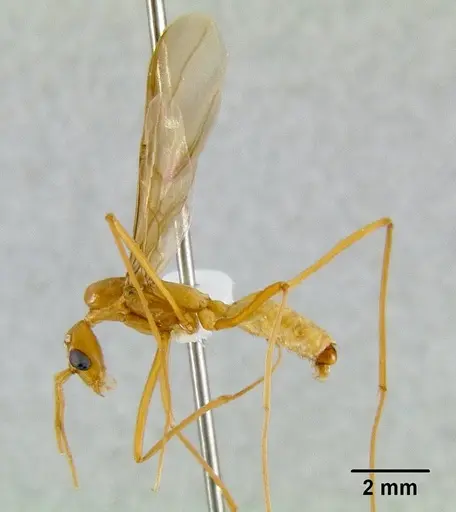
CASENT0011950
View on AntWeb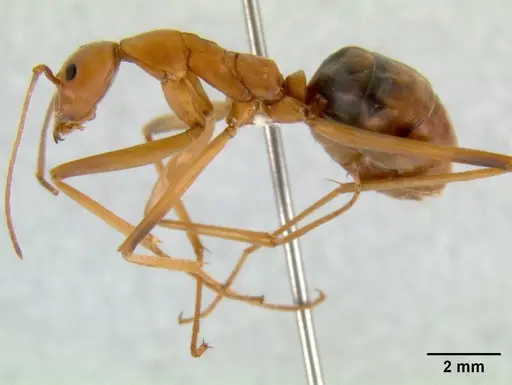
CASENT0127123
View on AntWeb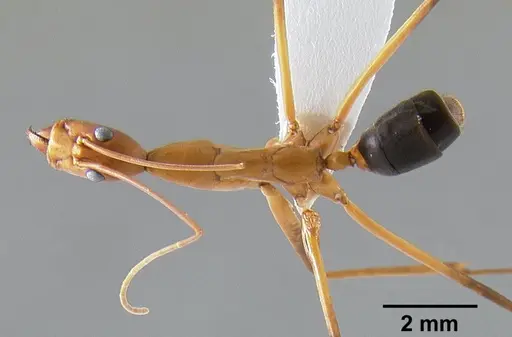
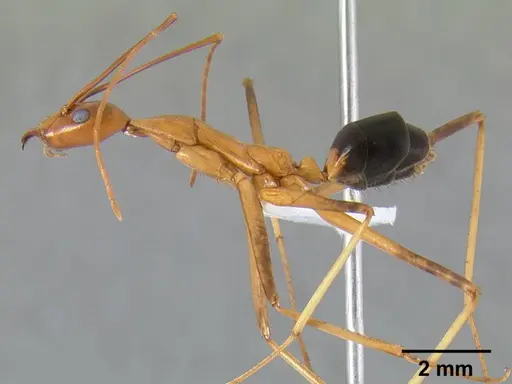
CASENT0907610
View on AntWeb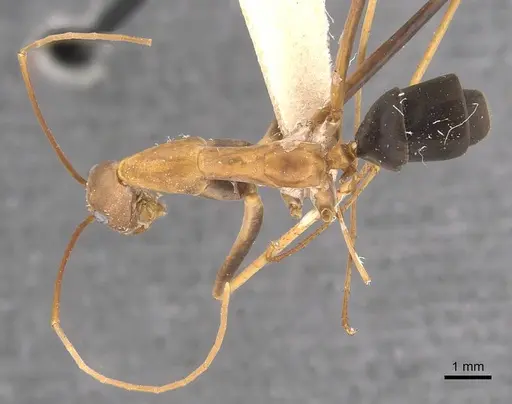
CASENT0916611
View on AntWeb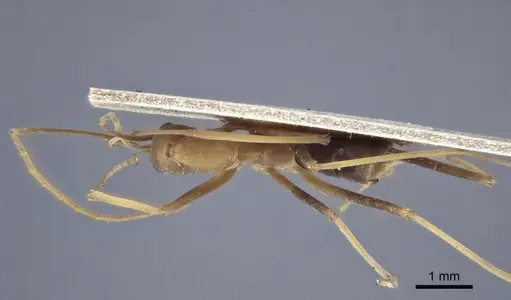
Literature
Loading distribution map...Loading products...