
Leptomyrmex mjobergi
- Sci. Name
- Leptomyrmex mjobergi
- Tribe
- Leptomyrmecini
- Subfamily
- Dolichoderinae
- Author
- Forel, 1915
- Distribution
- Found in 1 countries
Introduction
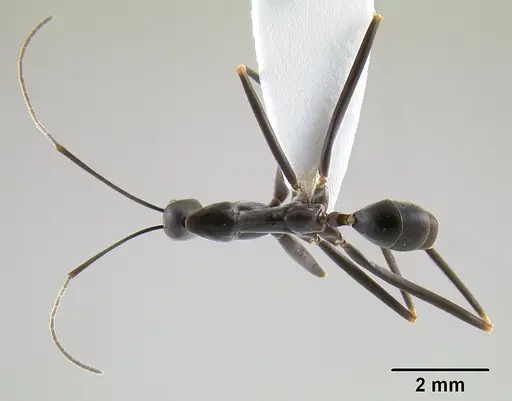
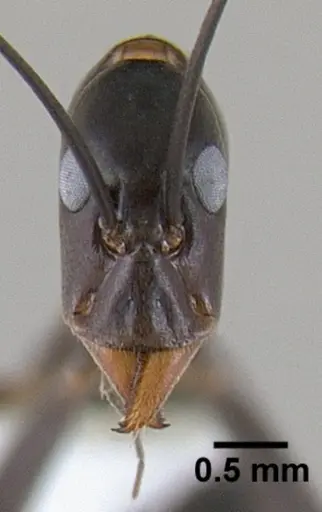
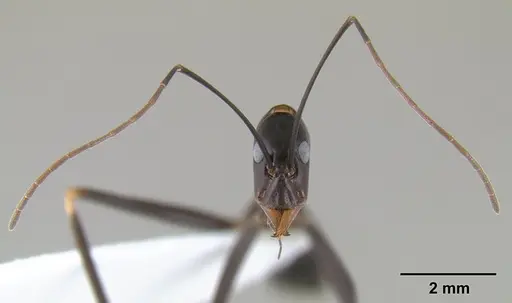
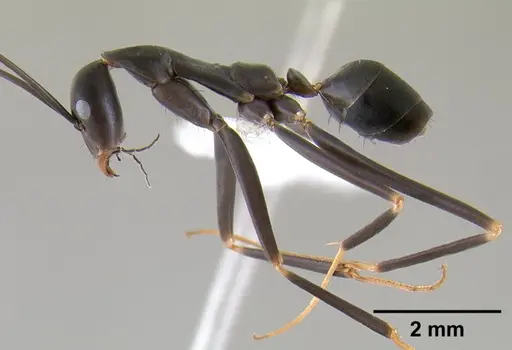
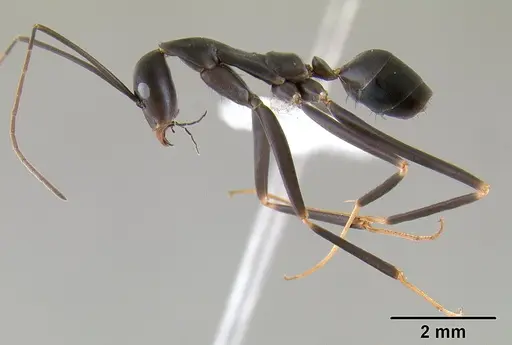
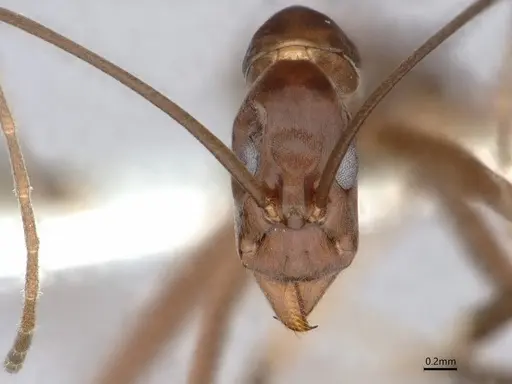
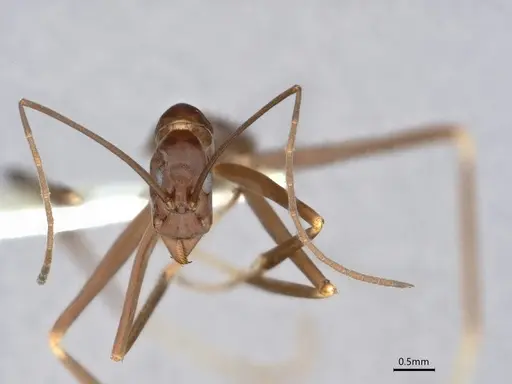
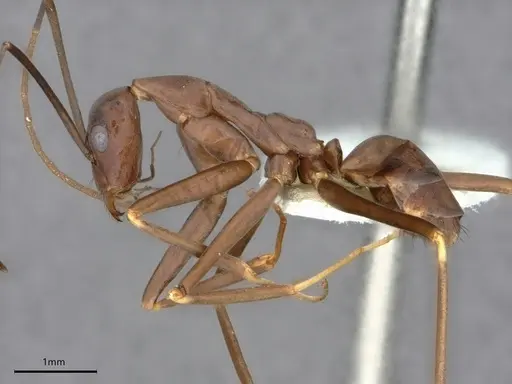
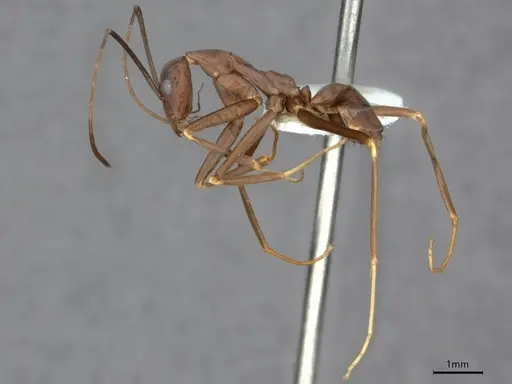
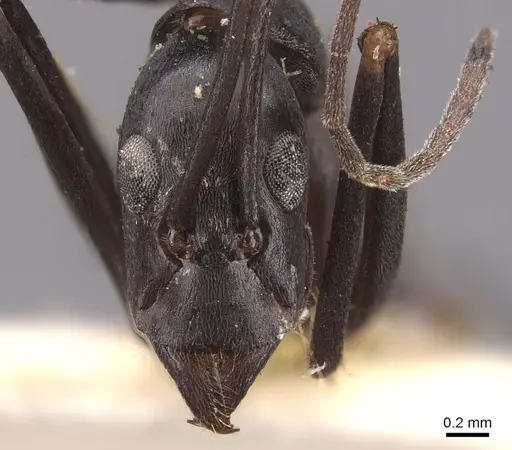
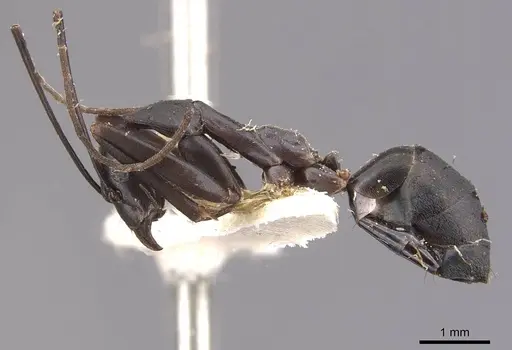
Leptomyrmex mjobergi is the smallest species in the macro-Leptomyrmex group, with a distinctive strongly inclined, scale-like petiole that sets it apart from other macro-Leptomyrmex species which have node-like petioles . Workers are black with reddish-brown mandibles, brown femora and tibiae, and reddish-yellow tarsi . This Australian endemic occurs throughout Queensland's Wet Tropics region from the northern rainforests to the New South Wales border . Size data for full body length is not available in the research context.
Quick Summary
- Difficulty: Medium
- Origin & Habitat: Queensland, Australia, found in rainforest, open rainforest, wet sclerophyll, and eucalyptus forest [2][1]. Nests occur in soil and under rocks [2].
- Colony Type: Colony structure is not fully confirmed. Ergatoid (wingless) queens have been documented, which can serve as replacement reproductives if the primary queen dies [2].
- Size & Growth:
- Queen: Size data unavailable, no total length measurements provided in research [2].
- Worker: Size data unavailable, no total length measurements provided in research [2].
- Colony: Unknown, no colony size data available.
- Growth: Unknown, no development timing data available for this species.
- Development: Unconfirmed, no direct development data available. Based on typical Dolichoderinae patterns, estimated 6-10 weeks at optimal temperature. (Development timeline has not been directly studied. Related Leptomyrmex species suggest moderate growth rates.)
- Antkeeping:
- Temperature: Temperature needs are unclear, start around 22-26°C and observe, based on habitat inference.
- Humidity: Keep nest substrate consistently moist but not waterlogged, based on rainforest habitat.
- Diapause: Unknown for this species [2].
- Nesting: Nests in soil and under rocks in the wild [2]. In captivity, use moist substrate or Y-tong/plaster nests designed for small ants.
- Behavior: Workers are active foragers. They lack a functional sting and use a smear defense mechanism, secreting chemicals from the abdomen, typical of Dolichoderinae. Their small size means escape prevention is critical, use fine mesh barriers and tight-fitting lids. They are not particularly aggressive but will defend the nest if threatened.
- Common Issues: escape prevention is critical due to their small size, they can squeeze through tiny gaps., high humidity requirements can lead to mold if ventilation is poor., wild-caught colonies may have parasites that affect survival in captivity., slow growth may cause keepers to overfeed, leading to mold problems., queens are rare in the hobby, this species is not commonly kept.
Nest Preferences and Housing
In the wild, Leptomyrmex mjobergi nests in soil and under rocks in Queensland's rainforest and wet sclerophyll habitats [2]. For captive care, provide a naturalistic setup with moist substrate (a mix of soil and sand works well) or use a Y-tong or plaster formicarium designed for small ants. The nest should have chambers that the ants can dig out or use pre-made tunnels scaled to their tiny size. Keep the nesting area humid but ensure some ventilation to prevent mold. A water tube should always be available for drinking access, as these ants need constant moisture [2].
Feeding and Diet
Leptomyrmex ants are typically omnivorous, feeding on nectar, honeydew, and small insects in the wild. In captivity, offer sugar water or honey as a constant energy source. For protein, provide small live prey such as fruit flies, pinhead crickets, or other tiny insects. Feed protein 2-3 times per week, removing any uneaten prey within 24 hours to prevent mold. Fresh water should always be available.
Temperature and Seasonal Care
As a Queensland Wet Tropics species, temperature needs are unclear, start around 22-26°C and observe. Use a heating cable on one side of the nest to create a gentle temperature gradient, allowing workers to move between warmer and cooler areas. Avoid temperatures below 18°C for extended periods. While true diapause is not documented, activity may decrease during cooler months, reduce feeding accordingly but maintain humidity.
Behavior and Temperament
Workers are active foragers that search for food on the ground, typical of Leptomyrmex genus behavior. They lack a functional sting and use a smear defense mechanism, secreting chemicals from the abdomen. They are not particularly aggressive toward keepers but will defend the nest if disturbed. The small size of workers means escape prevention must be excellent, use tight-fitting lids, fine mesh on any ventilation, and apply Fluon or other barriers to all potential escape points. Ergatoid queens have been documented, meaning wingless replacement queens can develop if the primary queen dies [2].
Unique Identification Features
Leptomyrmex mjobergi holds the distinction of being the smallest macro-Leptomyrmex species, roughly half the size of larger relatives like Leptomyrmex tibialis [1]. The most reliable identification feature is the strongly inclined, scale-like petiole, all other macro-Leptomyrmex species have node-like petioles [1]. Workers are black-bodied with reddish-brown mandibles, brown femora and tibiae, and reddish-yellow tarsi [2].
Frequently Asked Questions
How long does it take for Leptomyrmex mjobergi to produce first workers?
The egg-to-worker timeline is unconfirmed for this species. Based on typical Dolichoderinae development, expect 6-10 weeks at optimal temperature (22-26°C). Patience is essential as this species grows slowly.
Can I keep multiple Leptomyrmex mjobergi queens together?
Colony structure is not fully documented for this species. Ergatoid replacement queens have been observed, but whether they naturally form multi-queen colonies is unknown [2]. It is not recommended to combine unrelated foundress queens without documented evidence of pleometrosis in this species.
What size colony does Leptomyrmex mjobergi reach?
Maximum colony size is unknown. As the smallest macro-Leptomyrmex, colonies are likely smaller than related species which can reach several hundred workers. Expect moderate colony growth over many months to years.
What temperature do Leptomyrmex mjobergi need?
Temperature needs are unclear, start around 22-26°C and observe, based on habitat inference. A heating cable on one side of the nest creates a gradient for workers to regulate their temperature.
Are Leptomyrmex mjobergi good for beginners?
This species is rated as Medium difficulty. While not the most challenging ant species, the high humidity requirements, small size requiring excellent escape prevention, and slow growth make it better suited for keepers with some experience. Finding a colony may also be difficult as this species is not common in the hobby.
Do Leptomyrmex mjobergi need hibernation?
True hibernation is not documented for this species [2]. As a Queensland tropical ant, they do not require cold diapause. However, activity may decrease during cooler months, reduce feeding and ensure temperatures stay above 18°C.
Why are my Leptomyrmex mjobergi escaping?
Their very small size means they can squeeze through the tiniest gaps. Use fine mesh (at least 0.5mm or smaller), tight-fitting lids, and apply Fluon or similar barriers to all edges. Check for any cracks in formicarium connections or gaps around water tubes.
What do Leptomyrmex mjobergi eat?
Offer sugar water or honey as a constant energy source. For protein, provide small live prey such as fruit flies, small crickets, or other tiny insects. Feed protein 2-3 times per week. Remove uneaten food within 24 hours to prevent mold in the humid environment they require.
When should I move Leptomyrmex mjobergi to a formicarium?
Start in a test tube setup for the founding queen. Once the colony reaches a reasonable size and you see active foraging, consider moving to a naturalistic setup with moist substrate or a small formicarium. Ensure the new setup maintains high humidity.
Report an Issue
The current care sheet is based fully on literature. See inconsistencies, or something that's incorrect? Please , it will be resolved after review from an admin. Contributing to the blogs tab also helps providing information, to make us be able to further improve the caresheets. Thank you for your support!
References

This caresheet is licensed under CC BY-SA 4.0 .
Community Blogs
CASENT0011890
View on AntWeb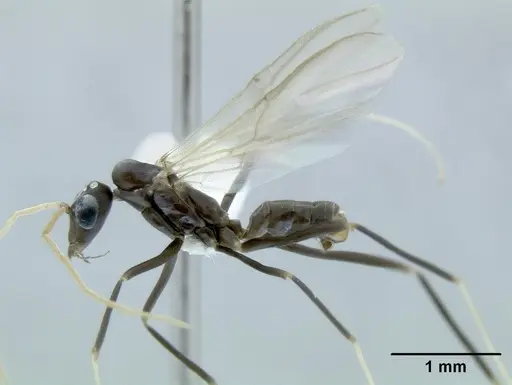
CASENT0011893
View on AntWeb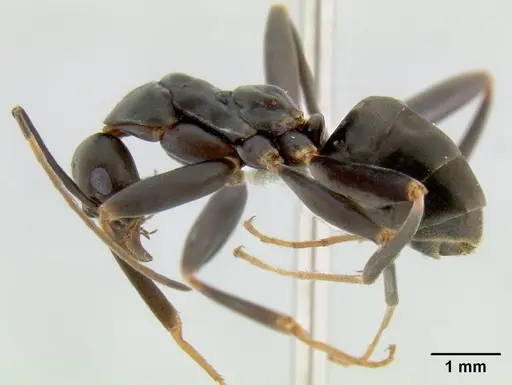
CASENT0127040
View on AntWeb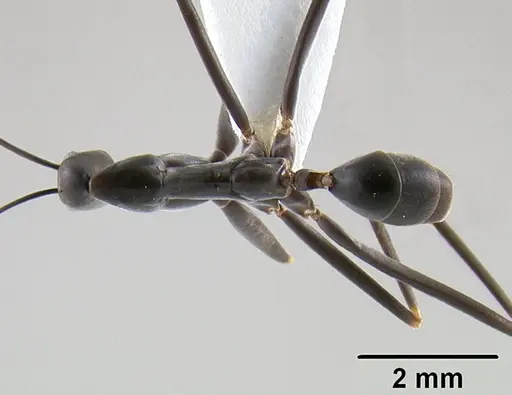
CASENT0841229
View on AntWeb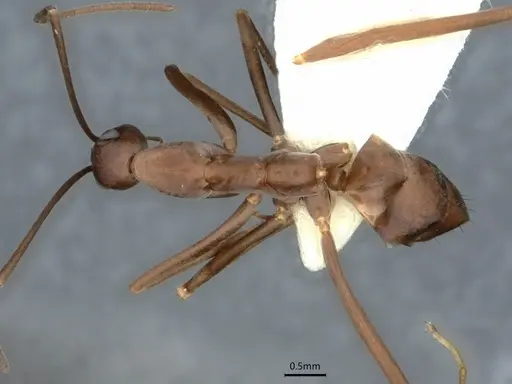
CASENT0909493
View on AntWeb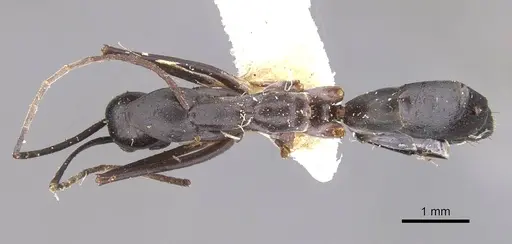
Literature
Loading distribution map...Loading products...