
Leptogenys unistimulosa
- Sci. Name
- Leptogenys unistimulosa
- Tribe
- Ponerini
- Subfamily
- Ponerinae
- Author
- Roger, 1863
- Distribution
- Found in 8 countries
Introduction
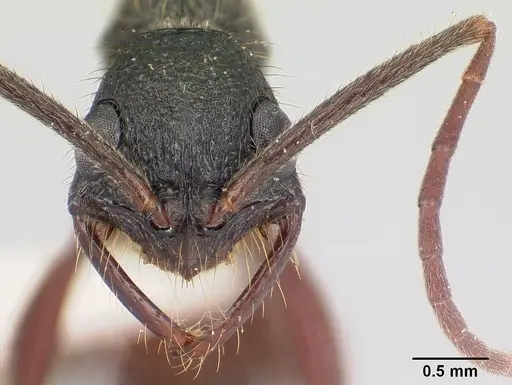
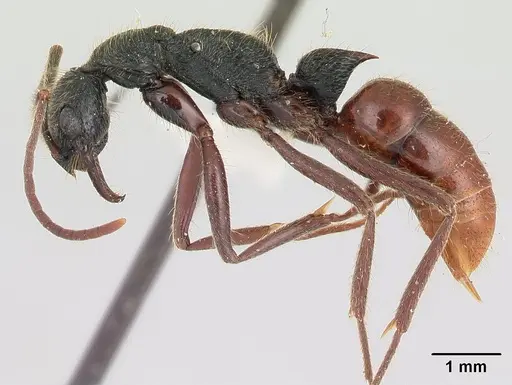
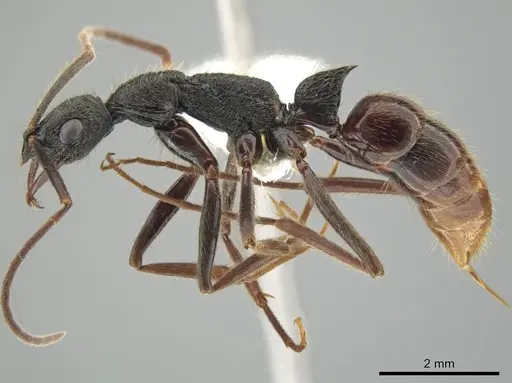
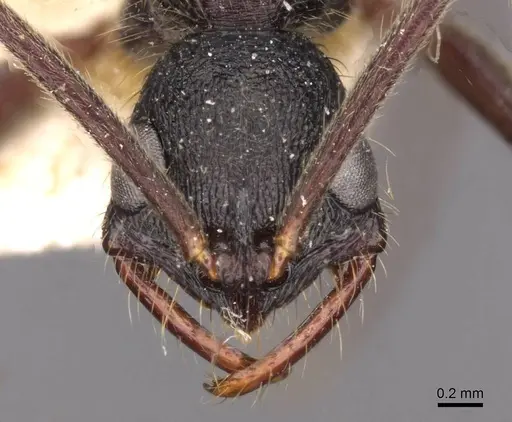
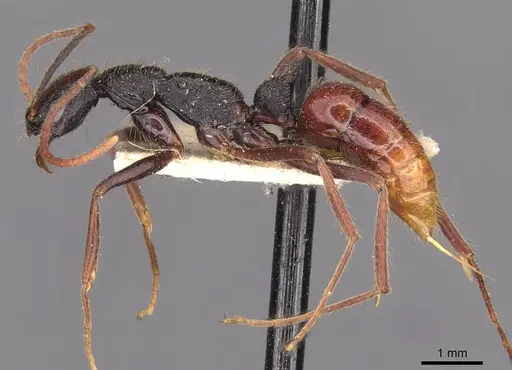
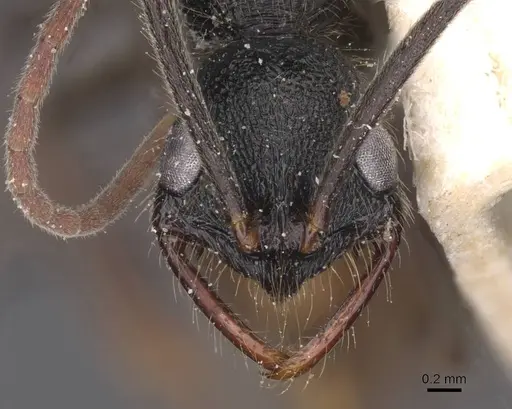
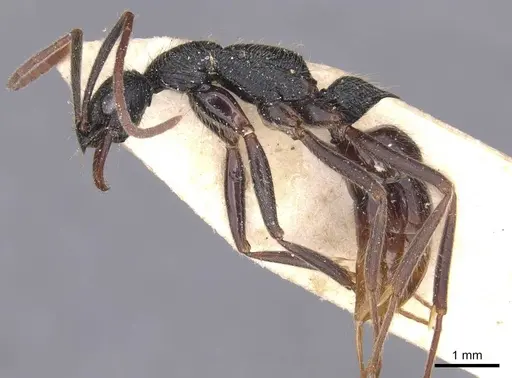
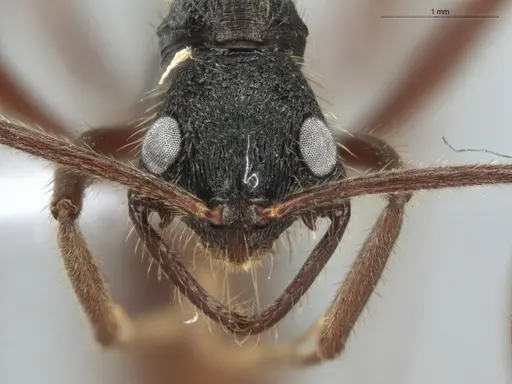
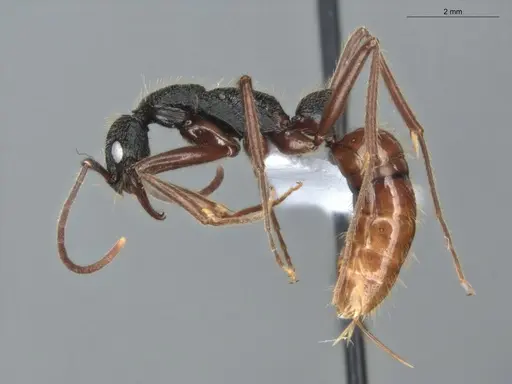
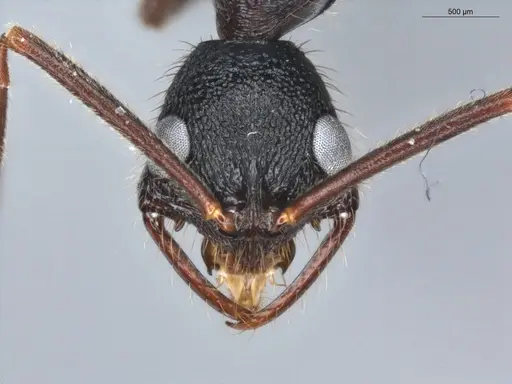
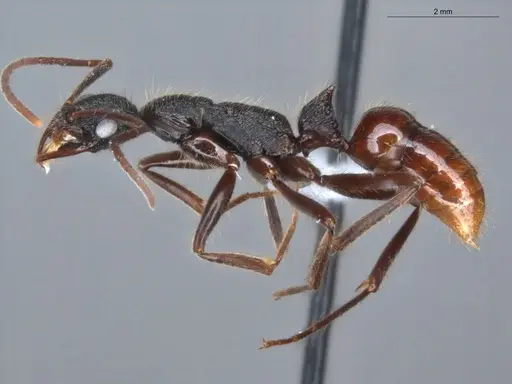
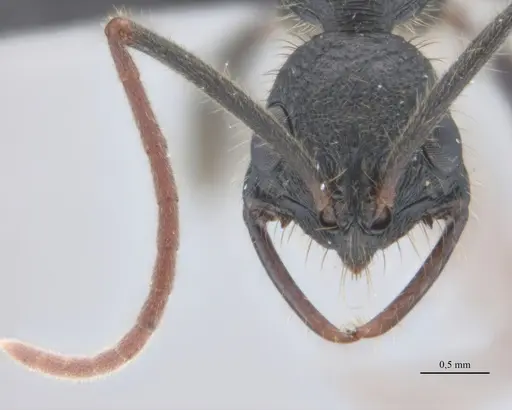
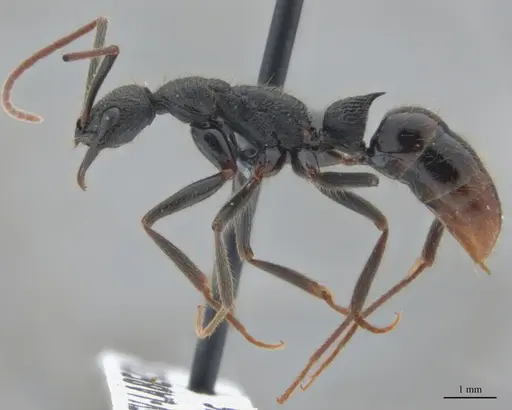
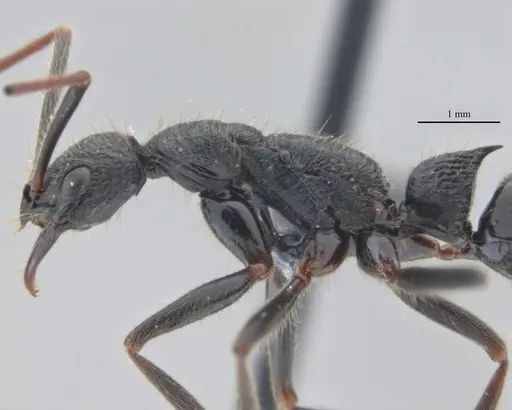
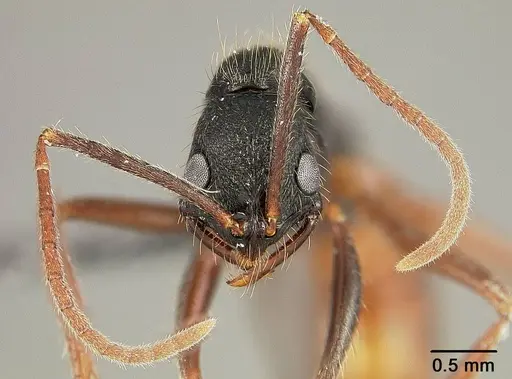
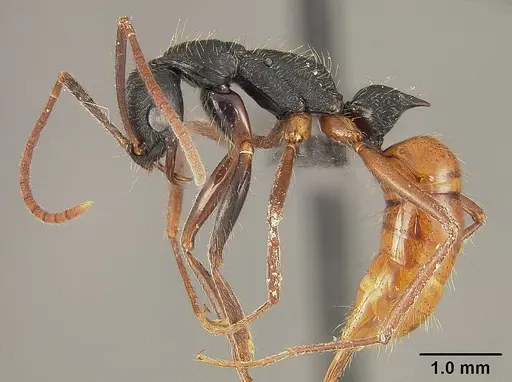
Leptogenys unistimulosa is a medium-sized ponerine ant found throughout northern South America, from Venezuela and Colombia down to Bolivia and Brazil. Workers measure approximately 2.4-3.3mm in body length and have a distinctive two-tone appearance: the head, mesosoma, and petiole are black while the gaster is a rusty ferruginous brown. They have large, bulging eyes that take up about one-third of the head's lateral margin, and their most recognizable feature is the acutely pointed spine at the tip of the petiolar node that overhangs the rear of the body . This species is unique among ants because no queen has ever been documented - reproduction appears to be handled by egg-laying workers (gamergates), making colony structure fundamentally different from most ant species .
Quick Summary
- Difficulty: Medium
- Origin & Habitat: Tropical and subtropical forests of northern South America, including Brazil, Colombia, Venezuela, Ecuador, Guyana, Suriname, Bolivia, French Guiana, and Trinidad. They nest in or beneath rotting logs on the forest floor and also under stones in both humid forests and deciduous forests with marked rainy seasons [3][4][5][2].
- Colony Type: Gamergate reproduction, no distinct queen caste has ever been documented. Workers can lay eggs to reproduce, making this one of the few ant species where workers serve as primary reproductives. This is functionally equivalent to a single-queen system in practice, with reproductive workers functioning as the colony's egg-layer [3][2].
- Size & Growth:
- Queen: Unknown, queen caste has never been documented [3][2]
- Worker: approximately 2.4-3.3mm, inferred from genus measurements [1]
- Colony: Colony size data unavailable, Leptogenys species can form moderate-sized colonies, and this species can be locally common in suitable habitat [3]
- Growth: Moderate, inferred from related Ponerine species
- Development: Development timeline is not specifically documented for this species. Based on typical Ponerine patterns, expect several months from egg to worker at warm temperatures. (Ponerine ants generally develop slower than many common kept species. Development is temperature-dependent.)
- Antkeeping:
- Temperature: Keep at warm room temperature, roughly 24-28°C. These are tropical forest ants that prefer stable, warm conditions. A gentle gradient allowing cooler areas around 22°C is beneficial.
- Humidity: High humidity required, they inhabit humid forest floors. Keep nest substrate consistently moist but not waterlogged, with some drier areas available.
- Diapause: No, being a tropical species, they do not require hibernation.
- Nesting: They naturally nest in rotting wood and under stones on the forest floor. In captivity, they do well in naturalistic setups with damp soil, or in nests with moisture chambers. Provide a deep soil layer or moisture reservoir to maintain humidity. They prefer dark, enclosed spaces.
- Behavior: Leptogenys unistimulosa is a fast-moving, skittish predator. When their nest is disturbed, workers flee rapidly and take shelter under leaf litter, they are not aggressive defenders but will escape given the chance. They are active hunters that pursue live prey rather than scavenging. Their large eyes suggest visual hunting plays a role in their predation strategy. Escape prevention is important since they are quick and will bolt when the nest is opened. They possess a stinger as Ponerine ants, but stingings are rare given their escape-first behavior [1].
- Common Issues: live prey requirement, they are obligate predators and will not survive on sugar water alone. Colonies can starve if only dead prey is offered., fast escape risk, their skittish nature and speed mean they can escape quickly when the nest is opened., unknown queen status, since gamergates reproduce, colony founding is different from typical ants, you cannot start a colony from a mated queen., high humidity needs, drying out causes colony decline, but excessive moisture promotes mold., slow colony growth, Ponerines grow more slowly than many common species, requiring patience.
Housing and Nest Setup
Leptogenys unistimulosa does well in naturalistic setups that mimic their forest floor habitat. Use a deep soil layer kept consistently moist, with pieces of rotting wood or flat stones on the surface as nest covers. The substrate should be able to hold moisture without becoming waterlogged. Alternatively, you can use a nest with a water reservoir or moisture chamber to maintain humidity. Provide a dark outworld area for foraging, these ants prefer subdued lighting and will be more active in dim conditions. Because they are fast and skittish, use a well-secured outworld connection and consider feeding in the outworld rather than directly in the nest chamber. [3]
Feeding and Diet
This is an obligate predator, you must feed live prey. In the wild, they primarily hunt isopods (woodlice) and have also been documented preying on termites (Termes fatalis) [6][3]. In captivity, offer small live prey appropriate to their size: small isopods, springtails, fruit flies, small crickets, and other tiny arthropods. They are active hunters that will pursue prey through the outworld. Do not rely on sugar water or honey as a primary food source, while they may occasionally accept sweet liquids, protein from live prey is essential for colony survival and growth. Feed small prey items several times per week, removing uneaten prey after 24 hours.
Temperature and Humidity
Keep your colony at warm room temperature, roughly 24-28°C with a slight gradient allowing cooler areas around 22°C. These tropical ants need consistent warmth, temperatures below 20°C for extended periods can stress the colony. A small heating cable on one side of the nest can help maintain warmth, but avoid direct heat on the nest material. Humidity should be high. Keep the substrate consistently moist but not soggy, the ants should be able to find both damp and slightly drier areas within the nest. Mist the nest occasionally if the substrate dries out, but ensure good ventilation to prevent mold buildup. Poor ventilation combined with high humidity creates mold problems that can kill colonies. [3]
Colony Structure and Reproduction
One of the most fascinating aspects of Leptogenys unistimulosa is that no queen caste has ever been documented, despite extensive sampling throughout their range, researchers have been unable to find a queen using standard morphological characters [3][2]. It is now accepted that reproduction is handled by gamergates: workers that become reproductive and lay eggs. This makes colony founding fundamentally different from typical ants. To start a colony, you would need to locate an established colony with reproductive workers and acquire a portion of the colony including at least one gamergate. The colony will grow through the gamergate's reproduction rather than from a founding queen. Karyotype data shows this species has a diploid chromosome number of 2n=42 [7].
Behavior and Temperament
These ants are fast-moving hunters with a skittish temperament. When their nest is disturbed, workers rapidly flee and take shelter under leaf litter or other cover, they are not aggressive defenders and prefer escape to confrontation [3]. Their large, bulging eyes suggest they rely on visual cues when hunting. They are primarily nocturnal or crepuscular, becoming more active in dim lighting conditions. In captivity, they will explore the outworld in search of prey and can cover ground quickly. Handle nest inspections quickly and carefully, opening the nest in bright light may cause the colony to panic and scatter. They possess a stinger as Ponerine ants, but stingings are rare given their escape-first behavior. Ensure all connections between nest and outworld are secure, as their speed makes escape a real risk.
Growth and Development
Specific development timeline data is not available for this species, but based on related Ponerine ants, expect several months from egg to worker at optimal temperatures. Development is temperature-dependent, cooler temperatures will slow growth significantly. Ponerine larvae often require live prey for proper development, which aligns with the species' predatory nature. Colony growth is generally slower than common Myrmicines. Be patient, a newly acquired colony may take many months to show significant growth. The first workers may be smaller than mature workers. Once established, colonies can grow over several years.
Frequently Asked Questions
How do I start a Leptogenys unistimulosa colony?
Unlike most ants, this species has no queen, reproduction is handled by gamergates (egg-laying workers). You cannot start a colony from a single queen. Instead, you must acquire an established colony containing at least one reproductive worker. Look for sellers who specialize in Ponerine ants or who have collected wild colonies. The colony should include workers, brood, and ideally multiple gamergates for stability.
What do Leptogenys unistimulosa eat?
They are obligate predators that require live prey. In the wild, they primarily hunt isopods (woodlice) and termites. In captivity, feed small live prey like springtails, small isopods, fruit flies, tiny crickets, or other small arthropods. They will not thrive on dead prey alone, and sugar water alone will not sustain the colony. Offer prey several times per week, removing uneaten items after 24 hours.
What temperature do they need?
Keep them at warm room temperature, roughly 24-28°C with a slight gradient down to around 22°C. These are tropical forest ants that need consistent warmth. Temperatures below 20°C for extended periods can stress the colony.
Are Leptogenys unistimulosa good for beginners?
They are considered medium difficulty. The main challenges are: they require live prey (not just dead insects or sugar), they need high humidity, they are fast and can escape easily, and they grow more slowly than common species. If you have experience with other Ponerines or predatory ants, this species is manageable. For complete beginners, species like Lasius or Tetramorium may be easier.
How big do colonies get?
Precise colony size is not documented for this species. Leptogenys species typically form moderate-sized colonies. This species can be locally common in good habitat.
Do they need hibernation?
No, as a tropical species from northern South America, they do not require hibernation. However, if your room naturally cools in winter, a slight reduction to around 20-22°C is acceptable. Avoid sudden temperature drops or keeping them too cold for extended periods.
Why are my ants dying?
Common causes include: lack of live prey (they will starve without proper food), improper humidity (too dry causes decline, too wet causes mold), temperatures too low (below 20°C stresses colonies), or escape due to insecure connections. Check that you are offering appropriate live prey and that humidity and temperature are within range. Also ensure good ventilation to prevent mold.
What type of nest works best?
Naturalistic setups with deep, damp soil work well, they naturally nest in rotting wood and under stones on the forest floor. Use a moisture-retaining substrate and provide hiding spots like flat stones or pieces of wood. Nests with water reservoirs also work if you maintain high humidity. They prefer dark, enclosed spaces.
How long until first workers?
Specific development time is not documented, but based on related Ponerines, expect several months from egg to worker at optimal temperature. Growth is slower than many common ant species, patience is required. Once established, the colony will grow steadily but not rapidly.
Report an Issue
The current care sheet is based fully on literature. See inconsistencies, or something that's incorrect? Please , it will be resolved after review from an admin. Contributing to the blogs tab also helps providing information, to make us be able to further improve the caresheets. Thank you for your support!
References

This caresheet is licensed under CC BY-SA 4.0 .
Community Blogs
CASENT0178818
View on AntWeb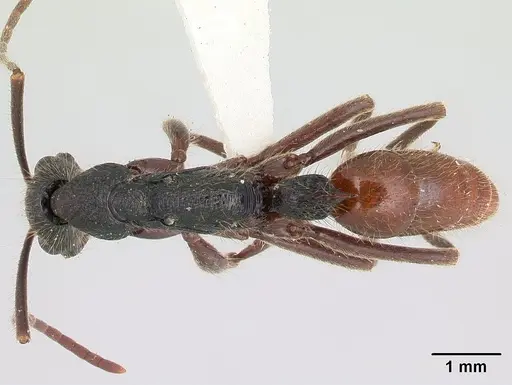
CASENT0373353
View on AntWeb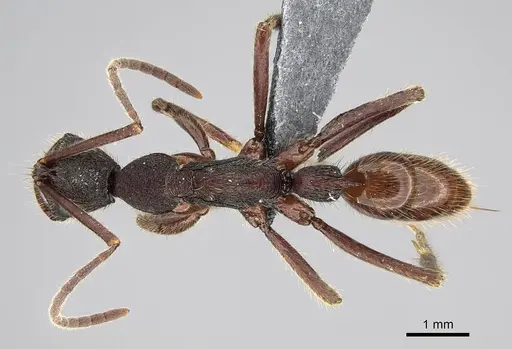
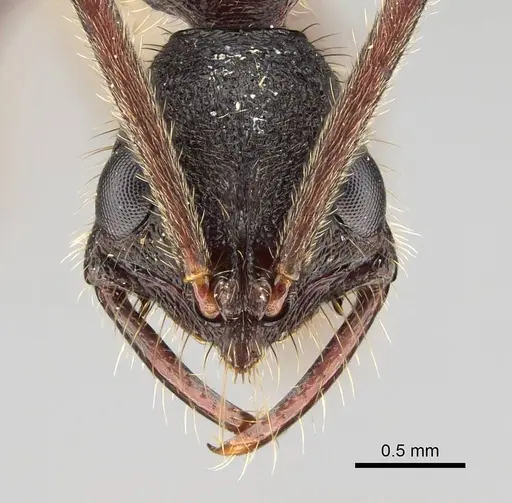
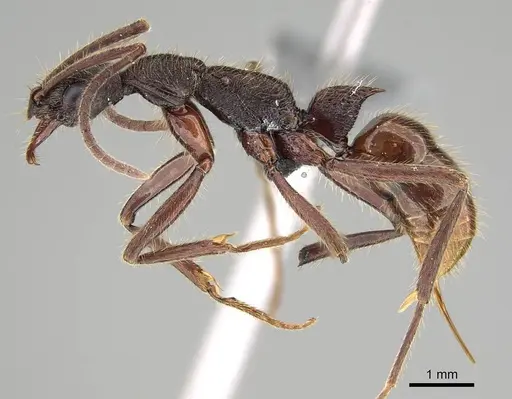
CASENT0627005
View on AntWeb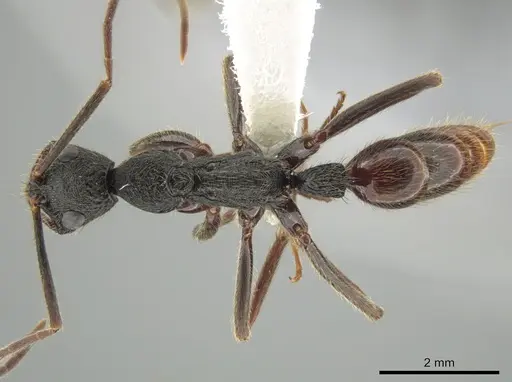
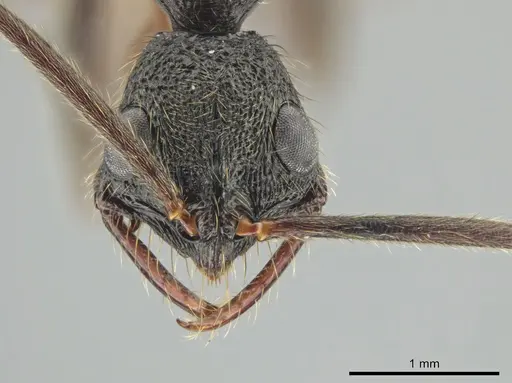
CASENT0907348
View on AntWeb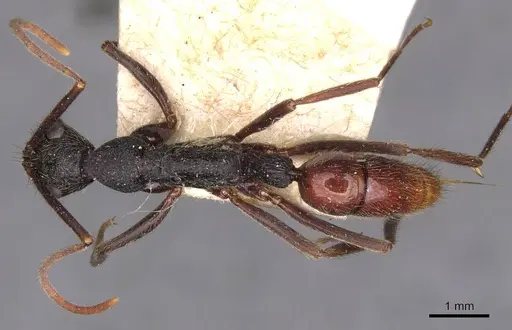
CASENT0915240
View on AntWeb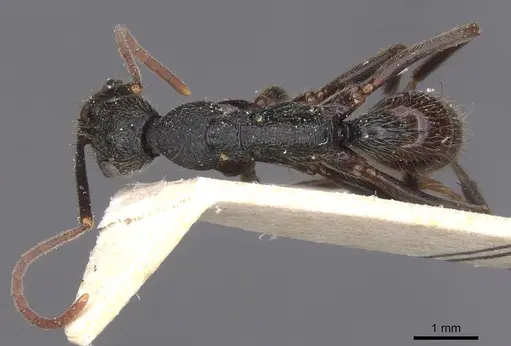
ECOFOG-GAL18-0177-09
View on AntWeb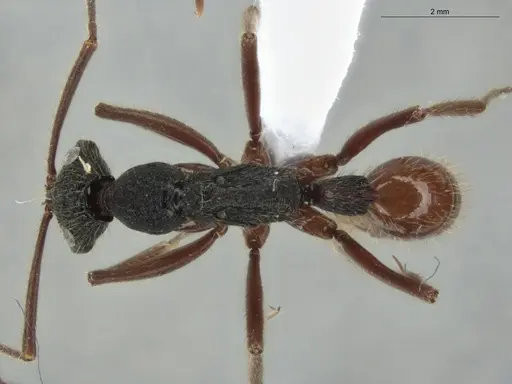
ECOFOG-KR19-0061-04
View on AntWeb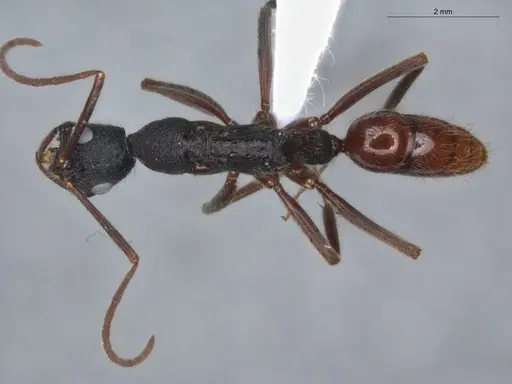
UFV-LABECOL-010346
View on AntWeb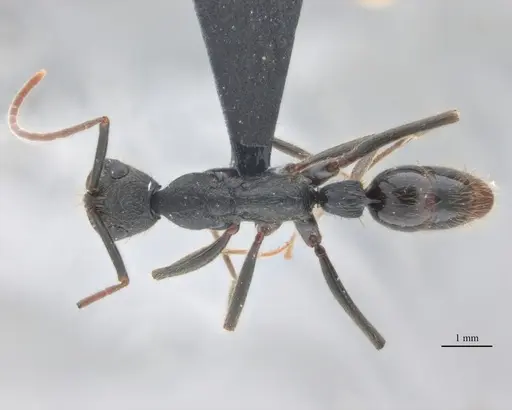
USNMENT01124234
View on AntWeb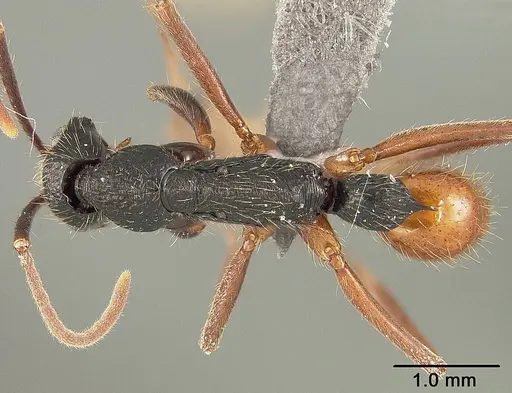
Literature
Loading distribution map...Loading products...